Diyarbakır, Türkiye
Project Type
Historical & Renovation
Location
Diyarbakır, Türkiye
Year
2018
Project Service
Master Plan to Construction
Project Status
Completed
Total Construction Area (m²)
95000000.00
Employer
Ministry of Environment, Urbanization and Climate Change
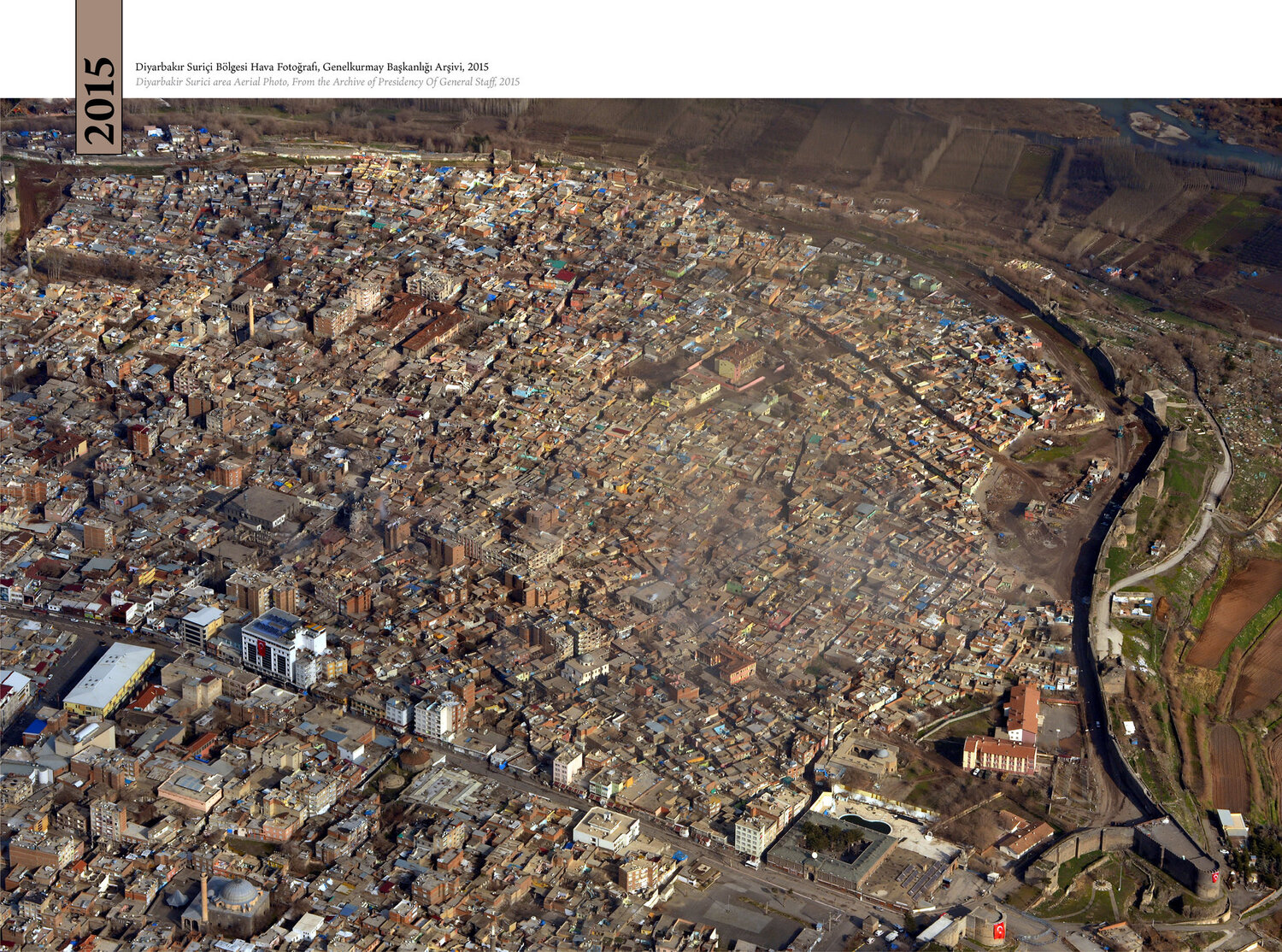
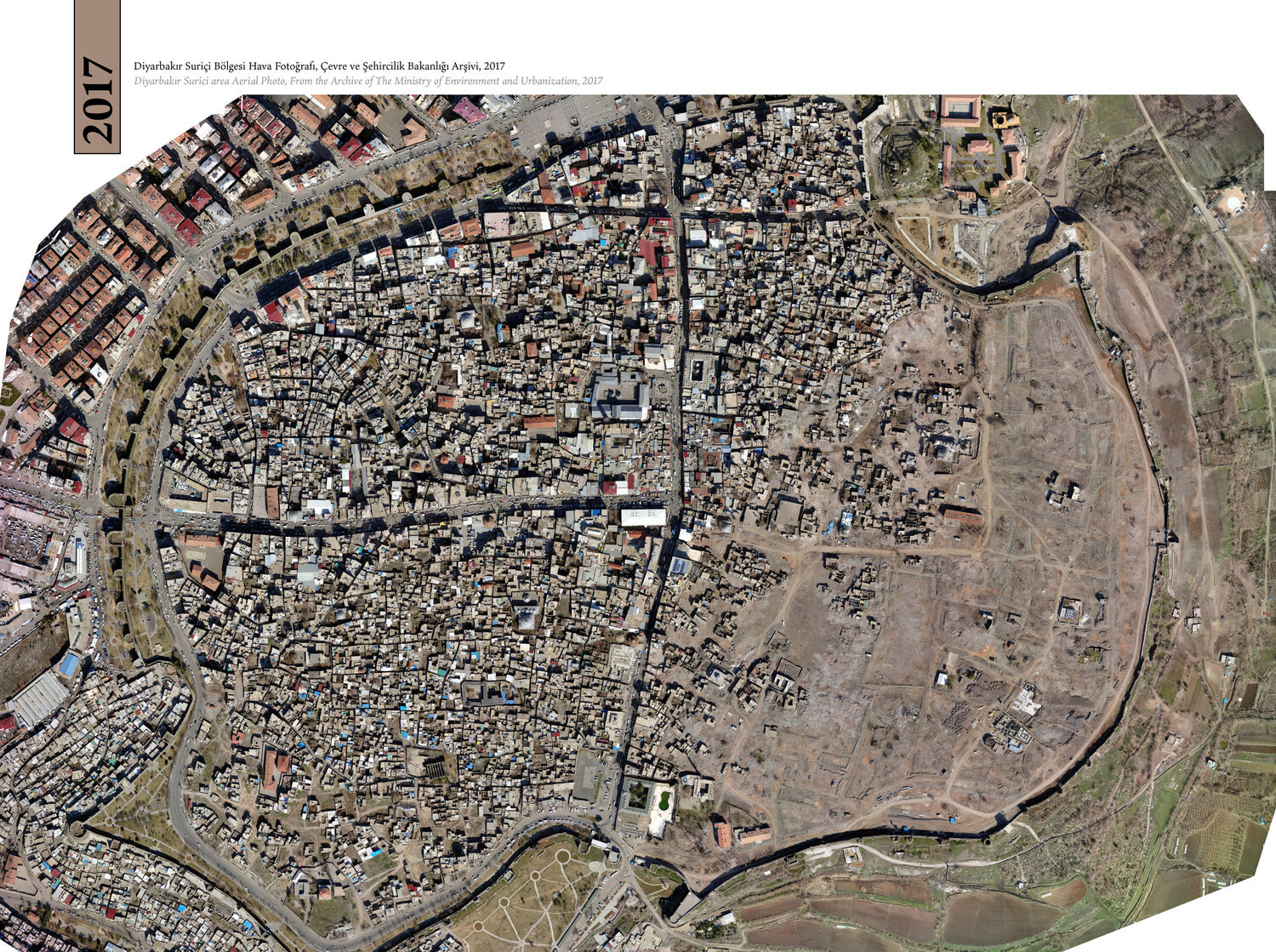
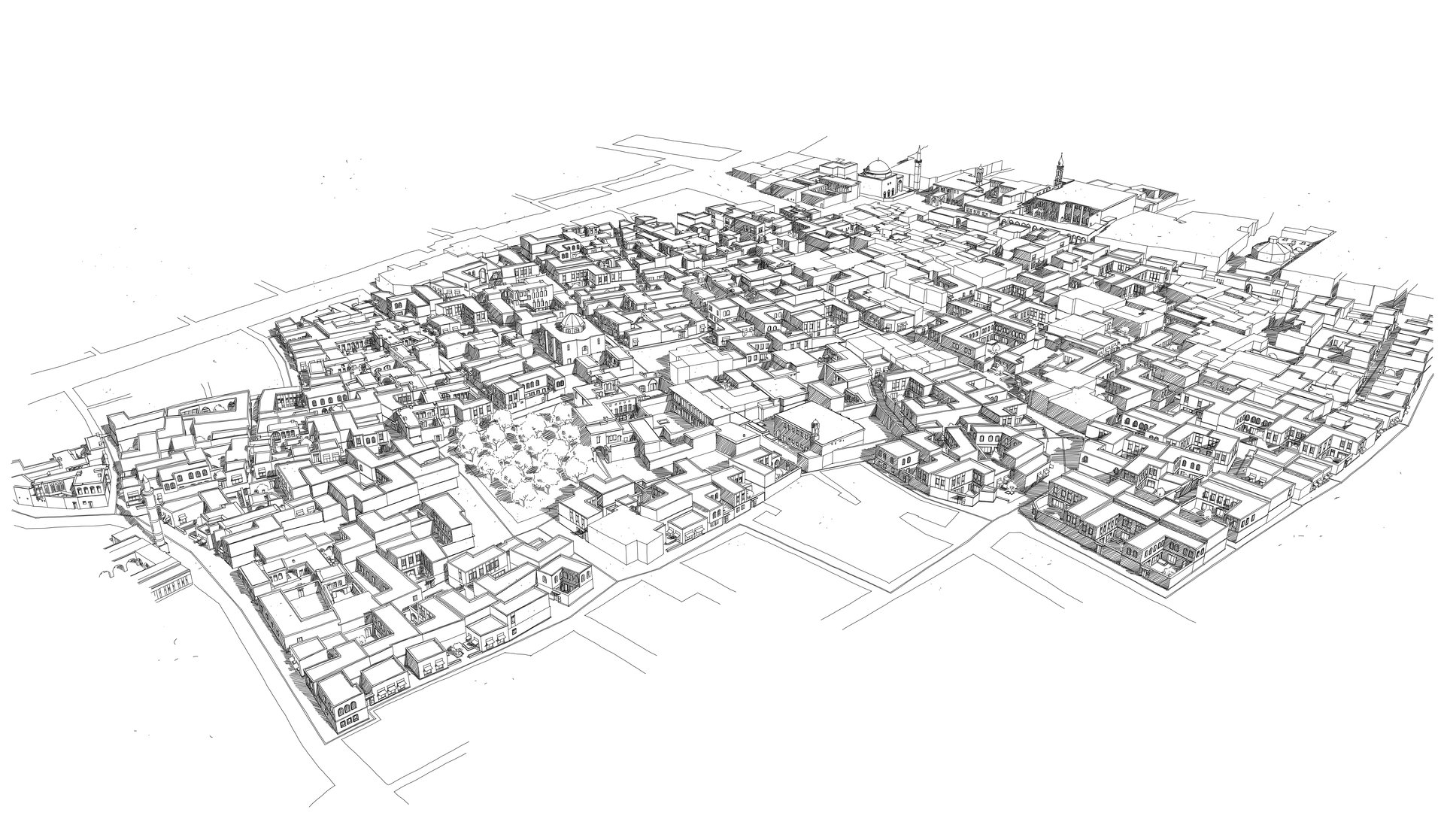
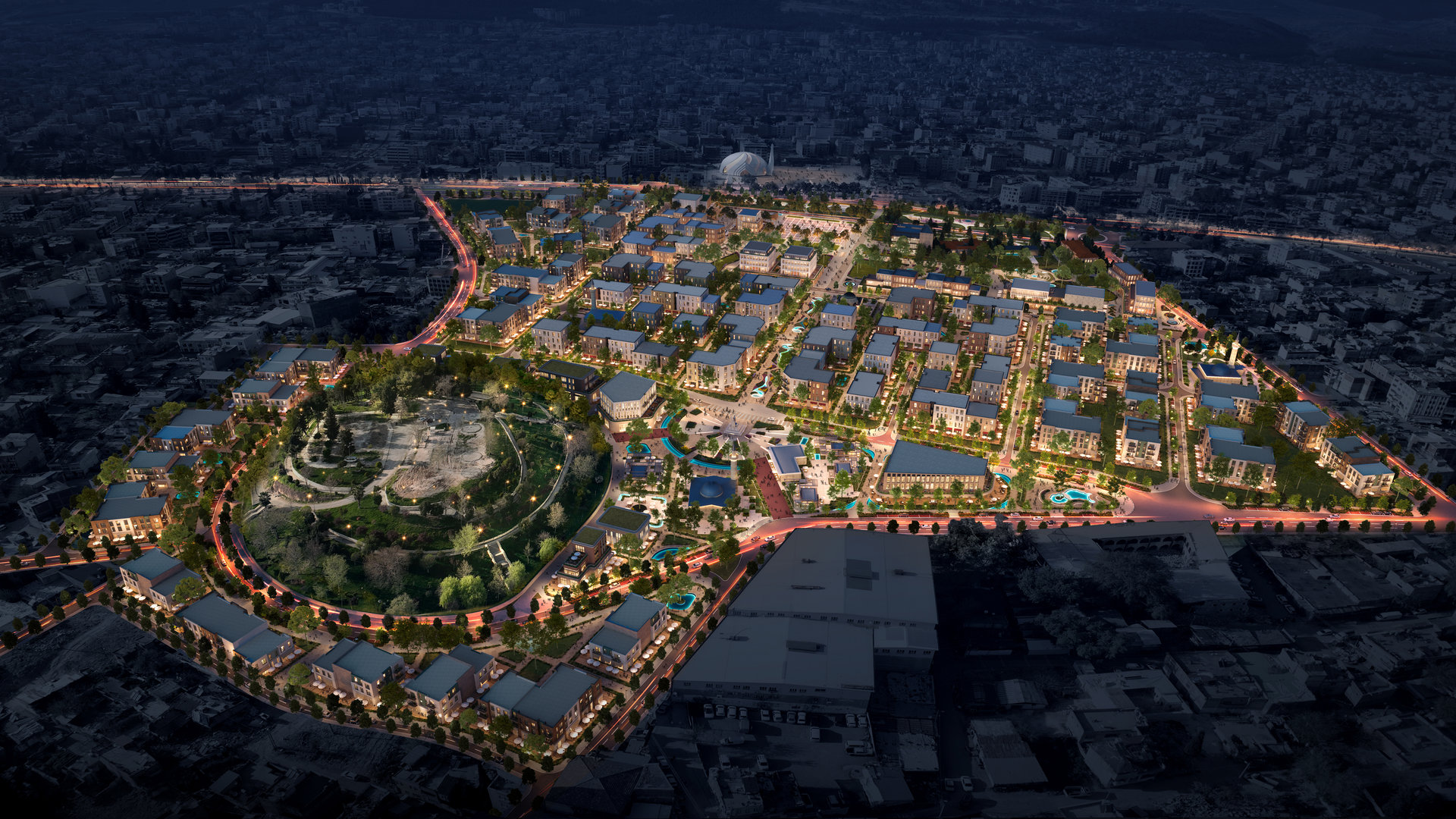
Located within the Suriçi district, the Diyarbakır Walled City Conservation Project is a comprehensive initiative that brings together surveying, restitution, restoration, and context sensitive new buildings to safeguard one of the world’s most unique cultural landscapes. With over 5.5 km of basalt fortifications, monumental heritage, and a traditional housing fabric shaped by millennia of continuous settlement, the project aims to preserve history while ensuring livability for future generations.
Urban Context and Historical Significance
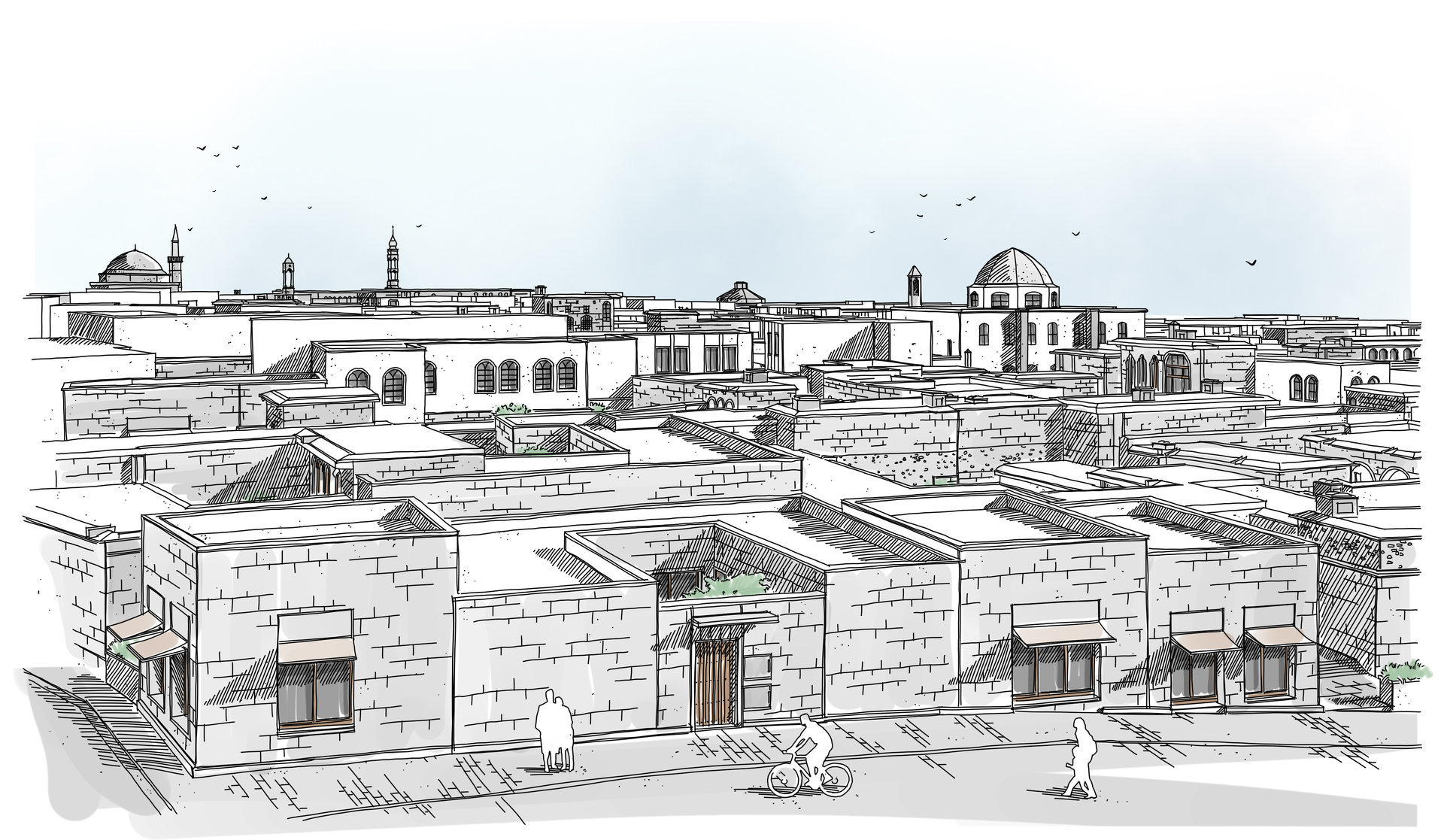
Diyarbakır, situated in Southeastern Anatolia, has been a bridge between Asia and Europe throughout history, hosting civilizations from the Subarians to the Ottomans. The Suriçi district, defined by its basalt city walls, represents one of the best preserved fortification systems worldwide. Within this context, the project begins by acknowledging the city’s layered history its archaeological past, monumental architecture, and modern urban pressures framing conservation as both a cultural duty and a contemporary necessity.
Functional Approach and Project Scope
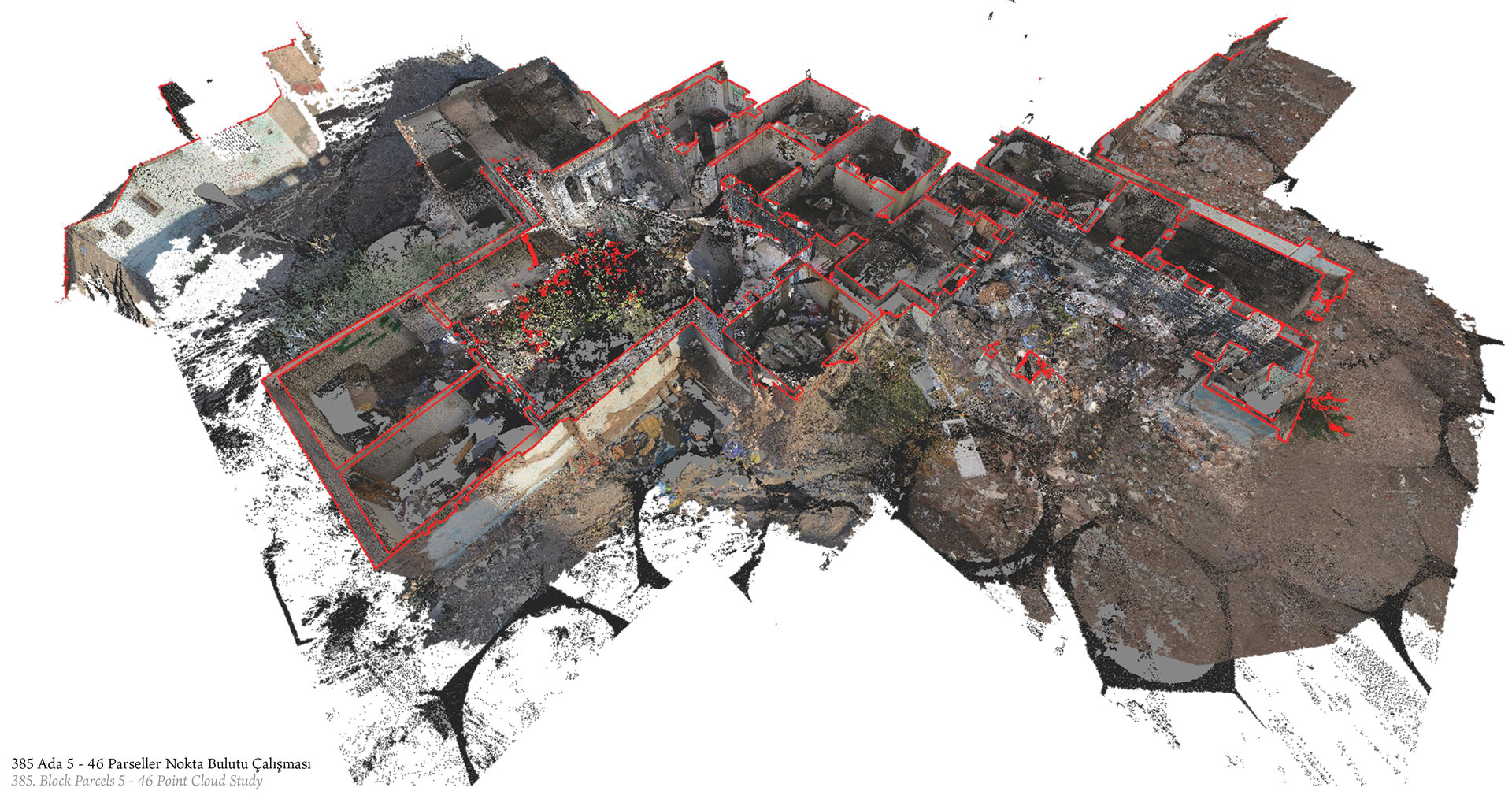
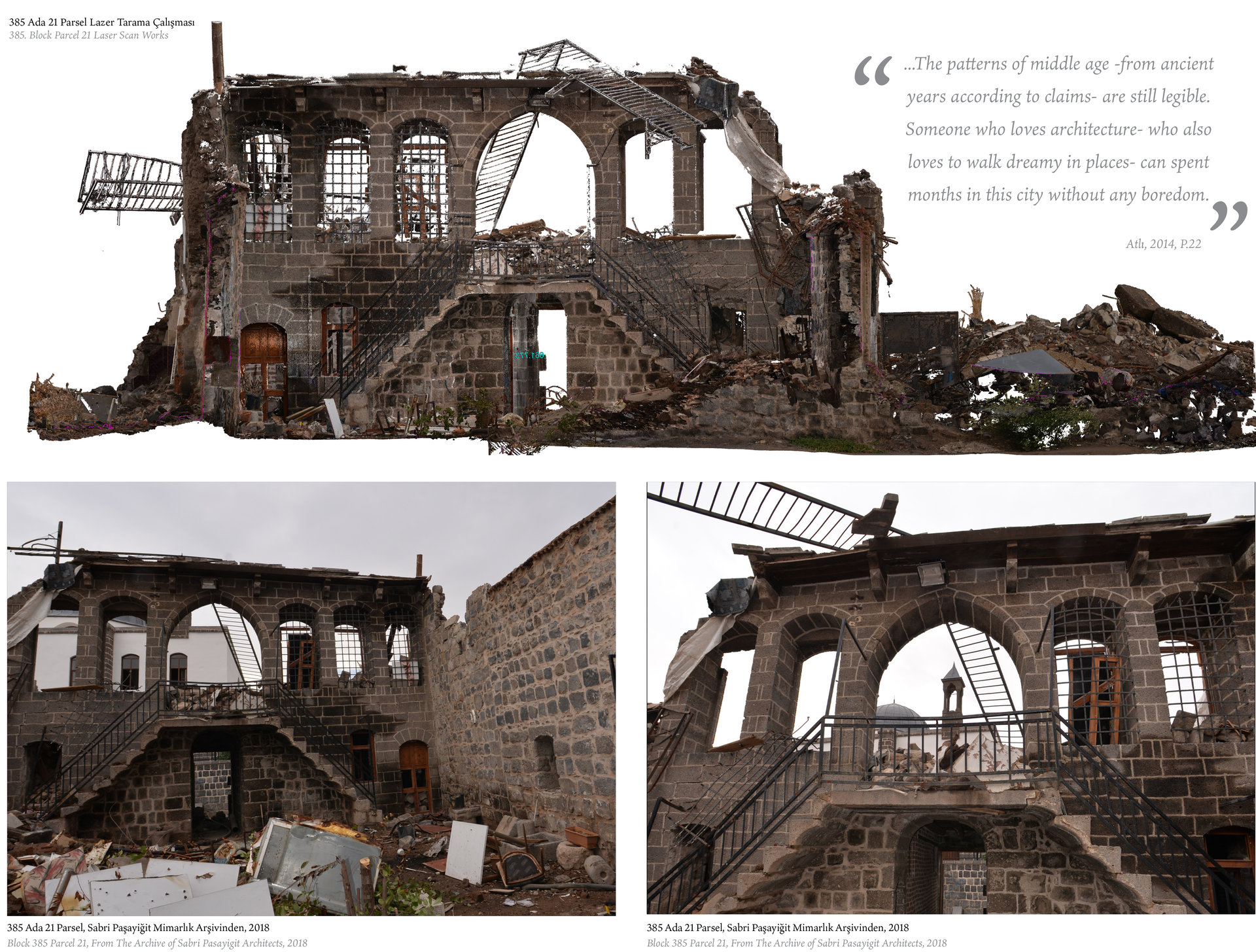
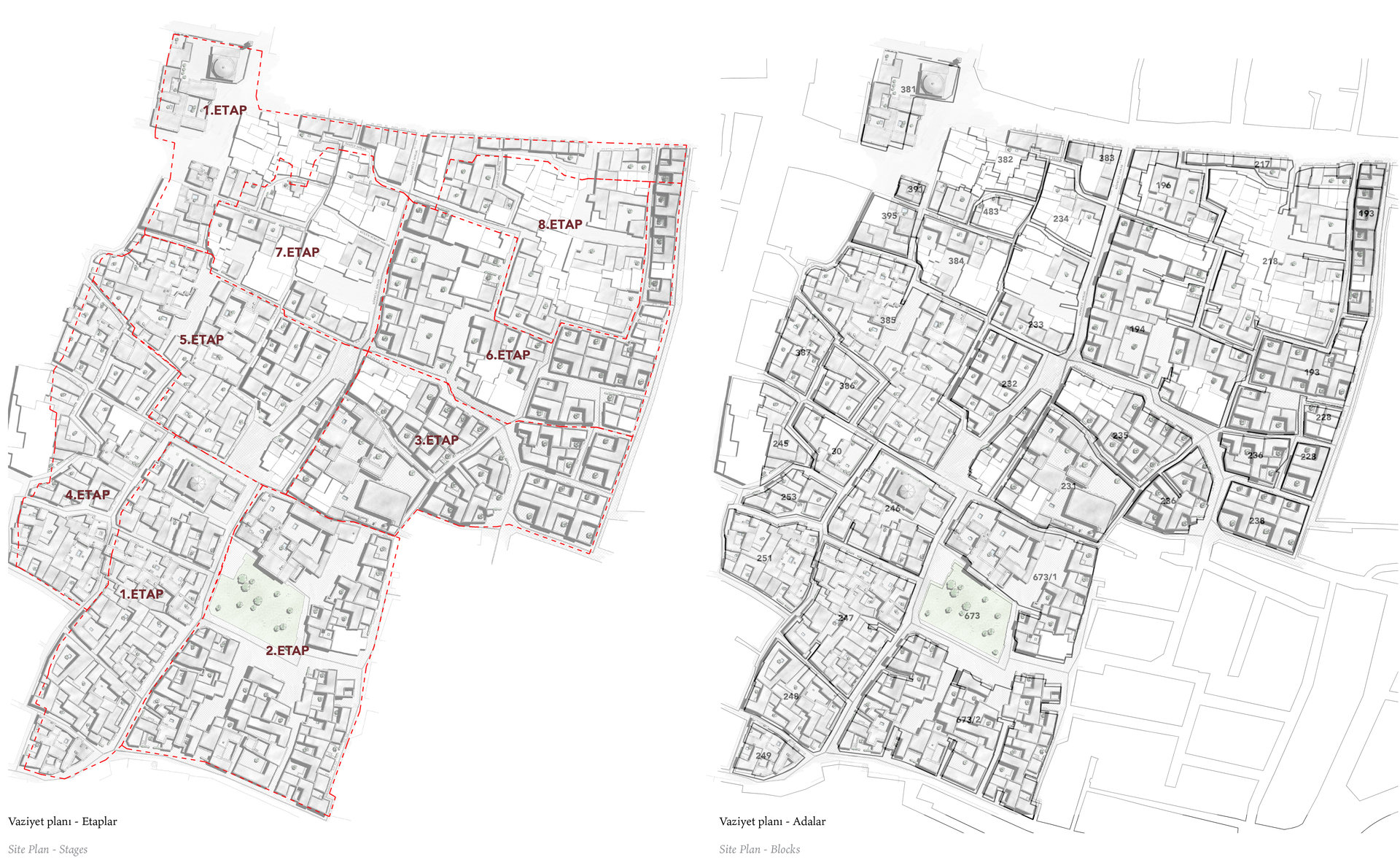
The project covers 60 registered parcels containing approximately 120 listed buildings. SP Architects undertook comprehensive documentation, field surveys, and digital scanning to capture the intricate fabric of the site.
• Surveying documented the current state of the structures with detailed point cloud and archival studies.
• Restitution recreated the original appearance of damaged buildings, preserving the traces of past identities.
• Restoration stabilized and repaired deteriorated monuments and vernacular dwellings.
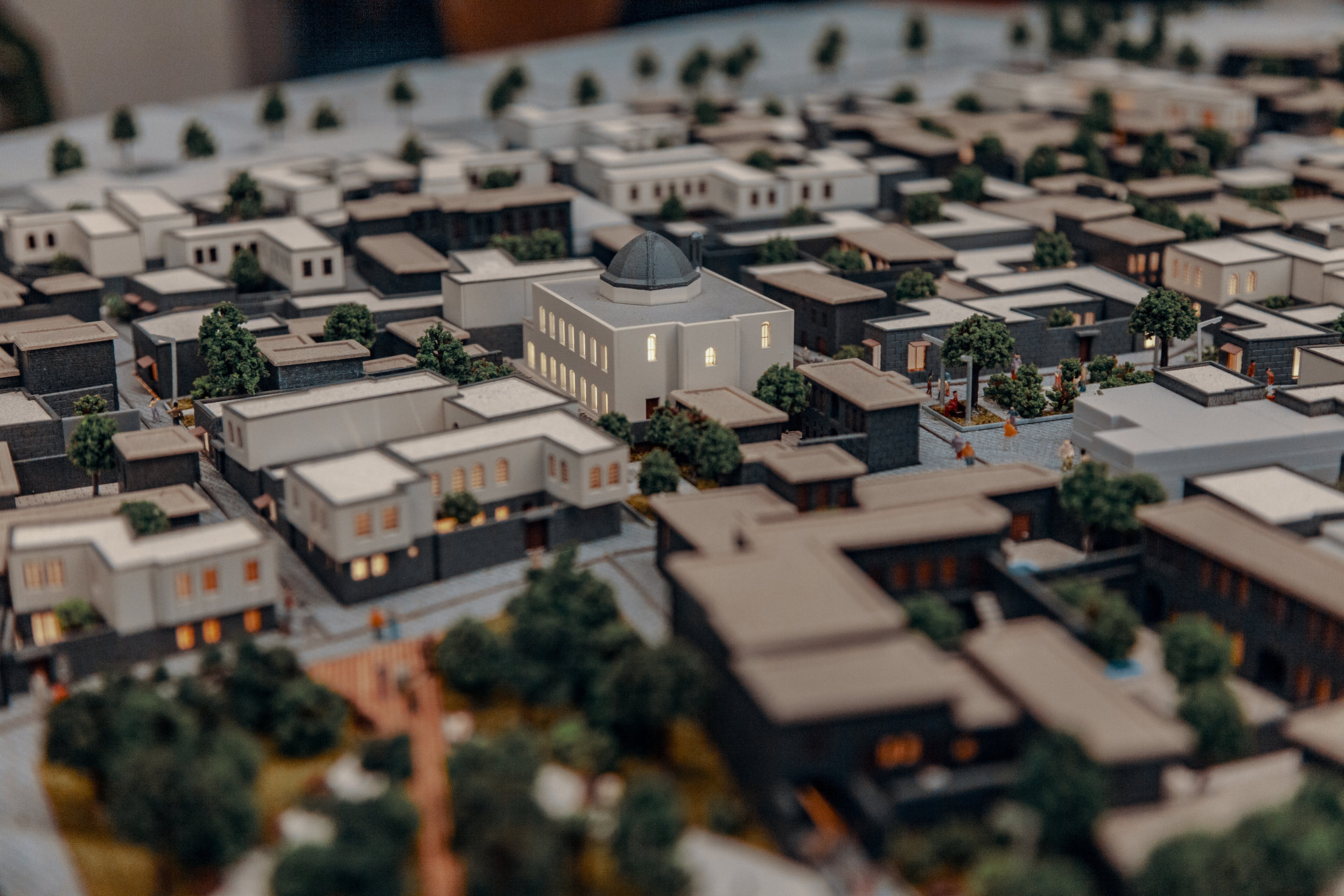
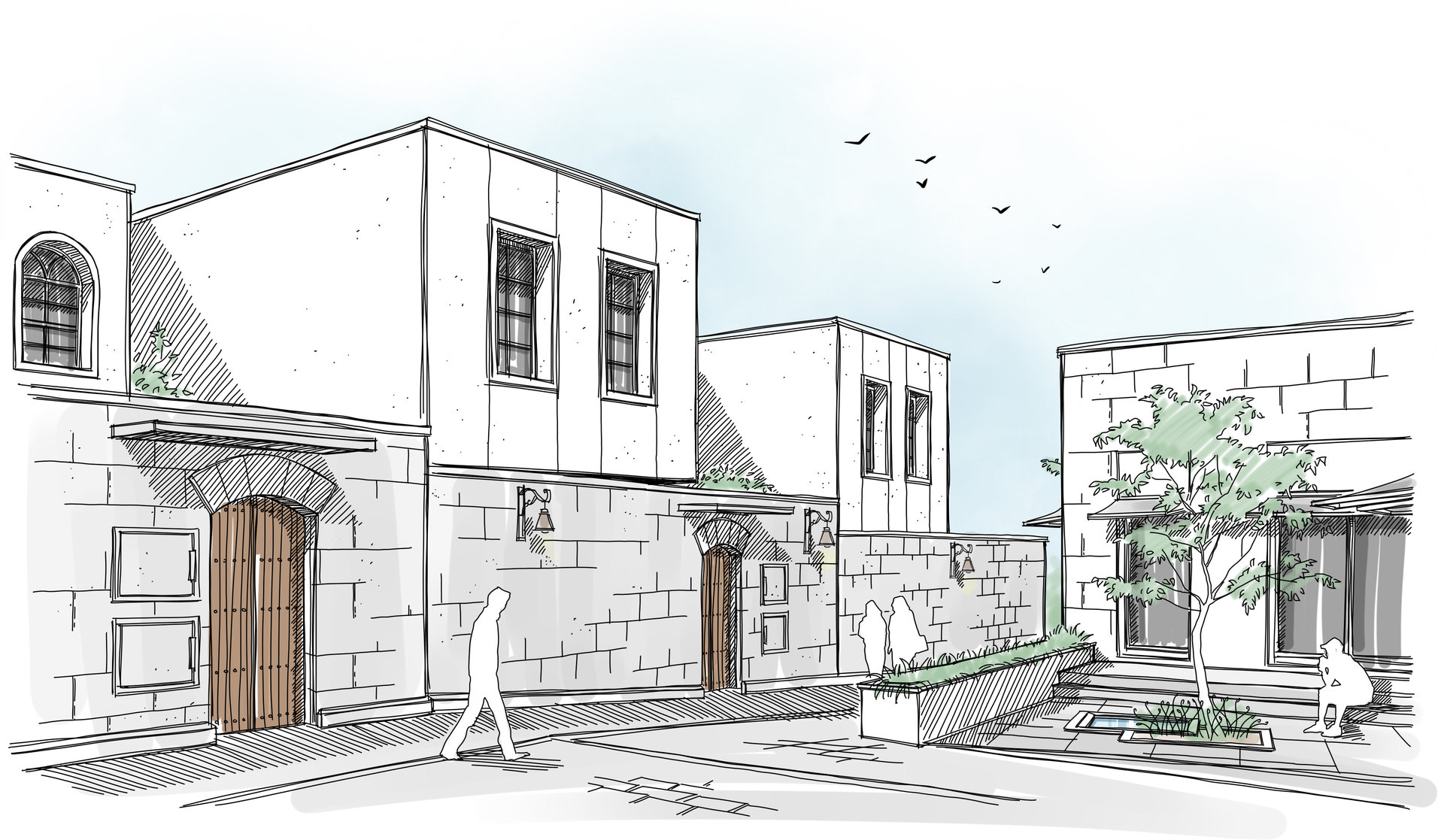
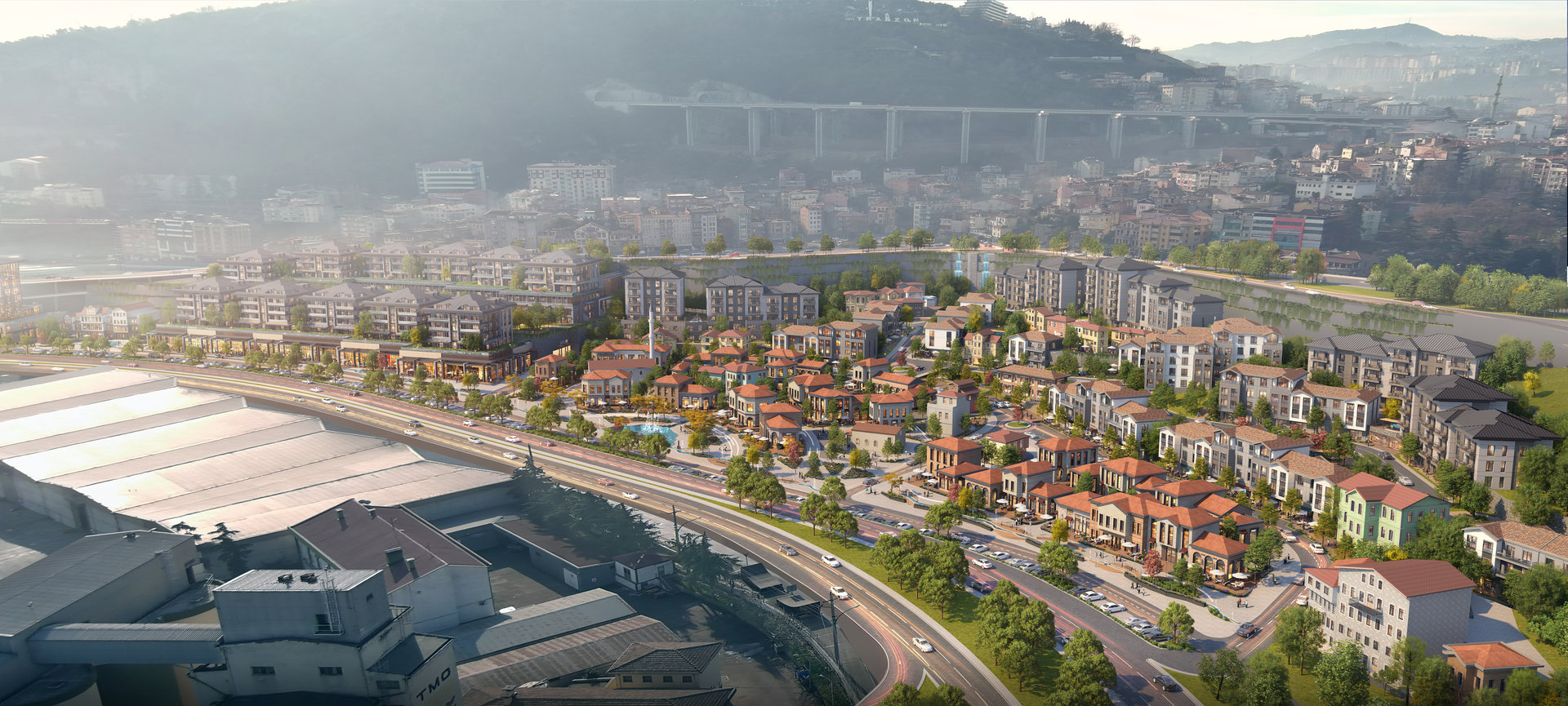
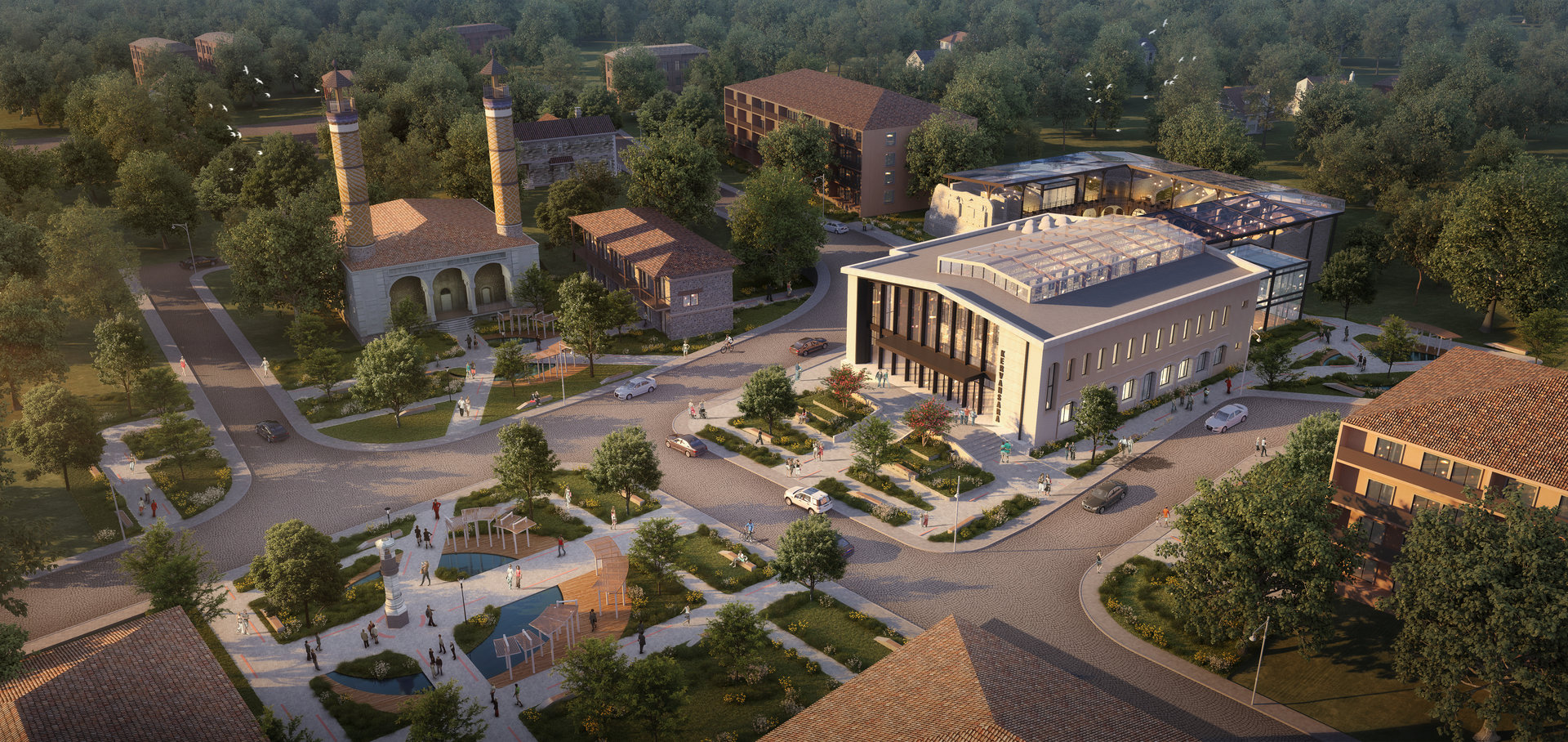
• New Building Concepts introduced limited, context sensitive additions, harmonizing with the scale, materials, and character of the district.
Spatial Organization and Public Realm
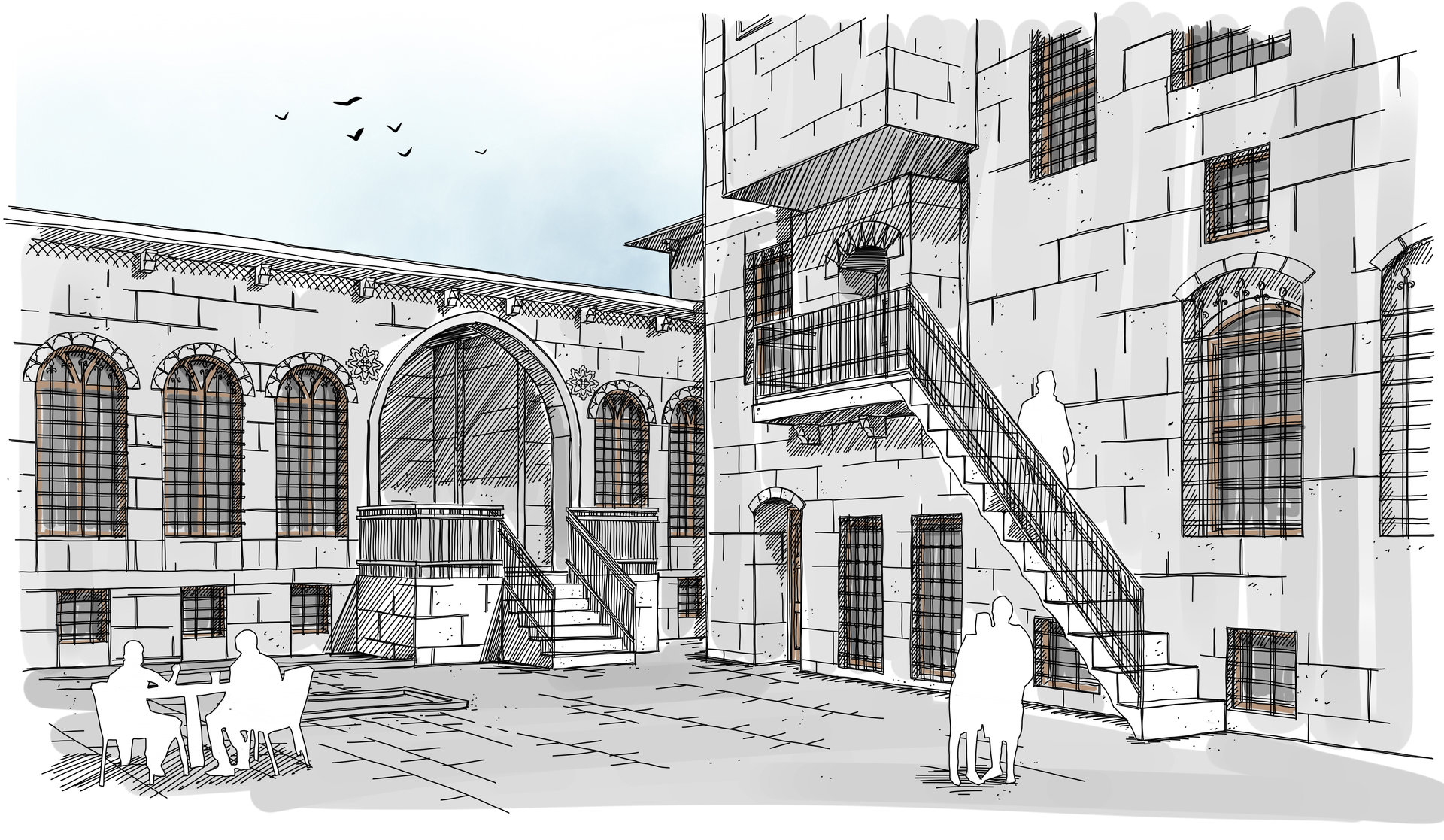
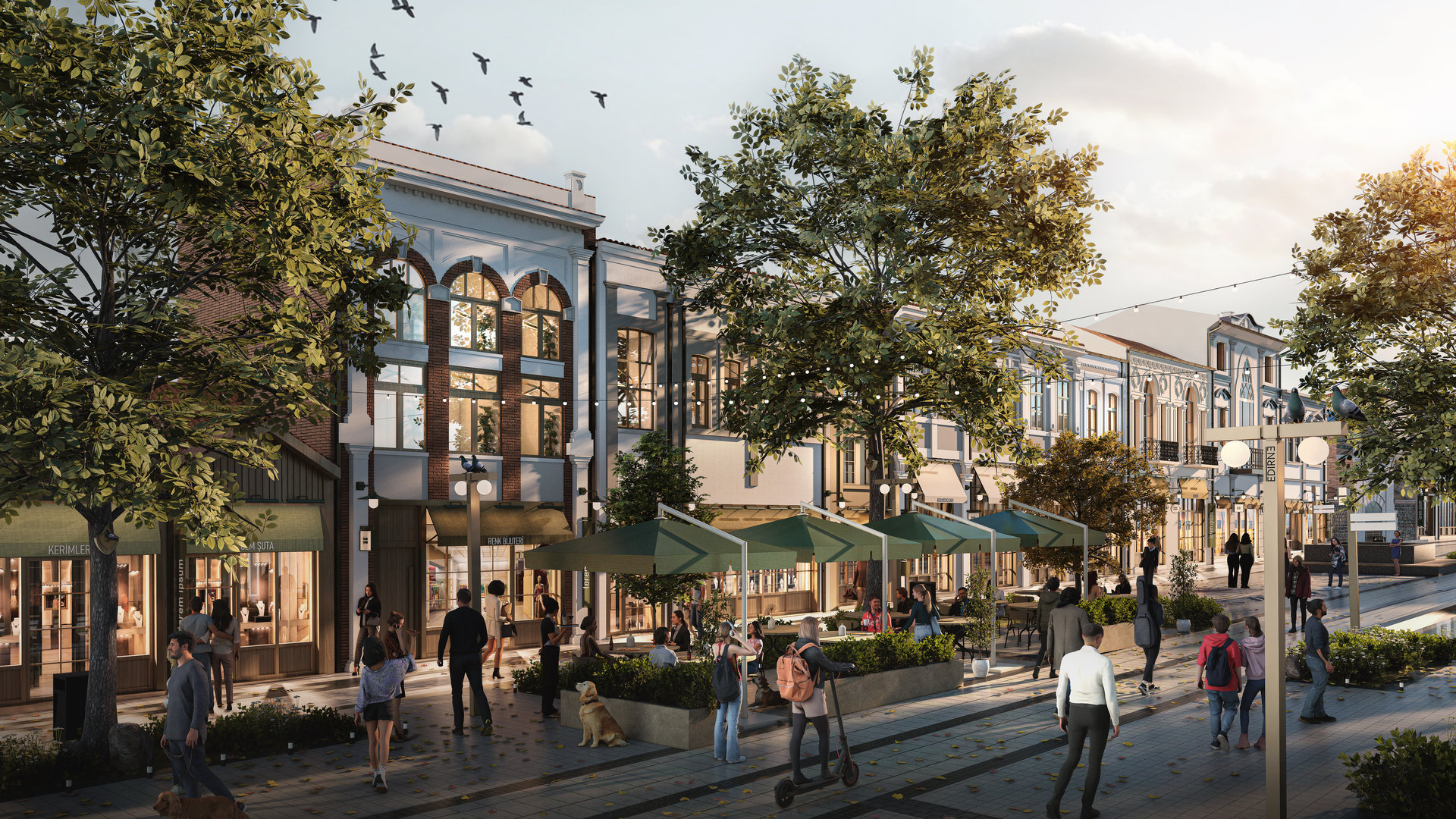
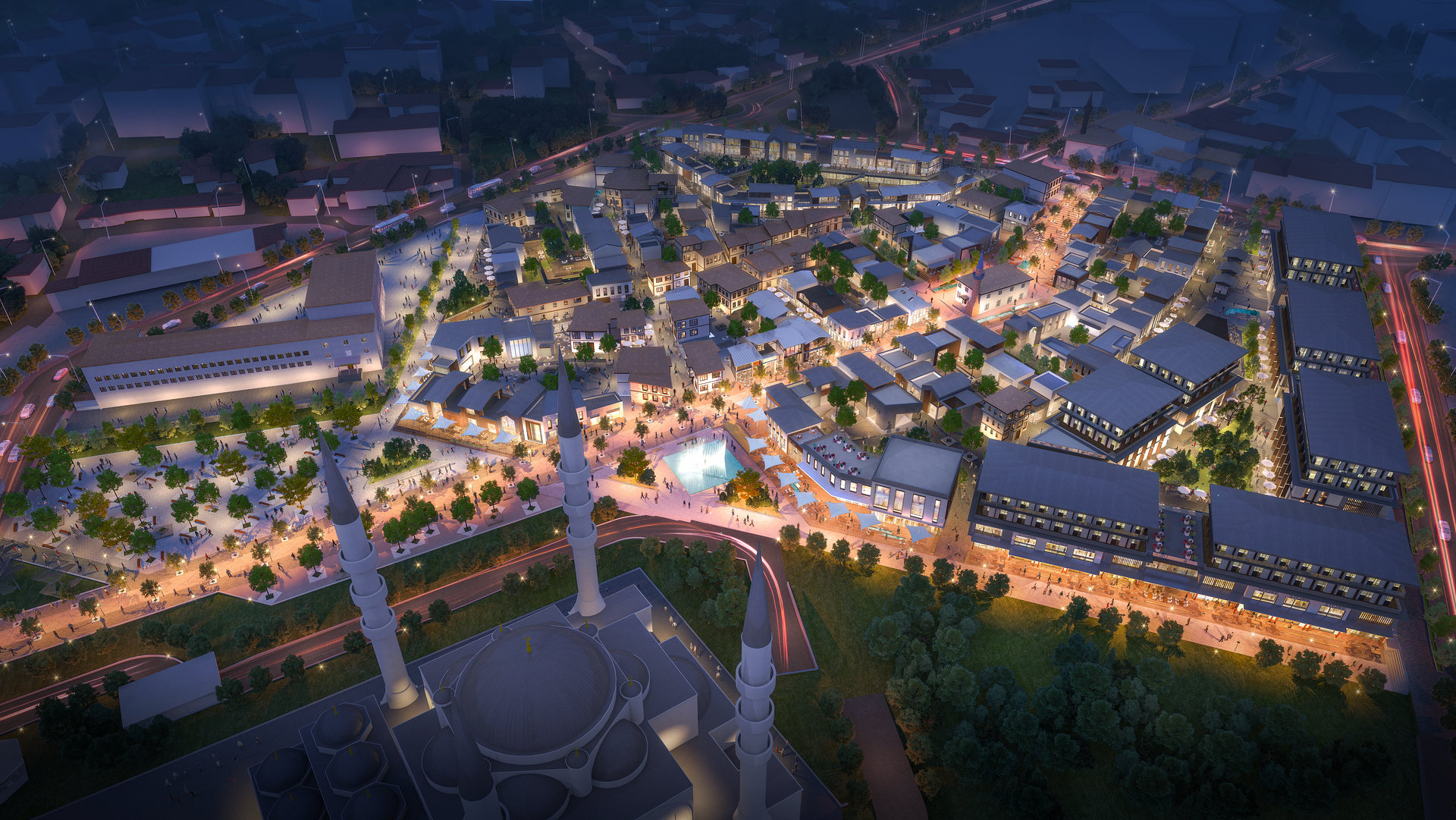
The masterplan emphasizes continuity between built fabric and public space. Streets and courtyards are preserved as collective memory spaces, while landscape interventions enhance accessibility and resilience. By protecting urban patterns while introducing modest new layers, the project strengthens Suriçi’s role as a living environment rather than a static museum.
Resilience and Cultural Continuity
Beyond preservation, the project responds to the challenges of unplanned development and the impacts of recent conflicts. It adopts a strategy of resilience: reducing physical risk, reactivating cultural identity, and creating spaces where heritage and daily life coexist. Through this approach, the Walled City is positioned not only as a monument of the past but as an urban core with renewed vitality for the future.
Conclusion
The Diyarbakır Walled City Conservation Project offers a replicable model of heritage driven urban transformation. By integrating documentation, restitution, restoration, and respectful new construction, the project ensures that the historical fabric of Diyarbakır continues to thrive protecting memory while enabling sustainable urban life.
Gallery