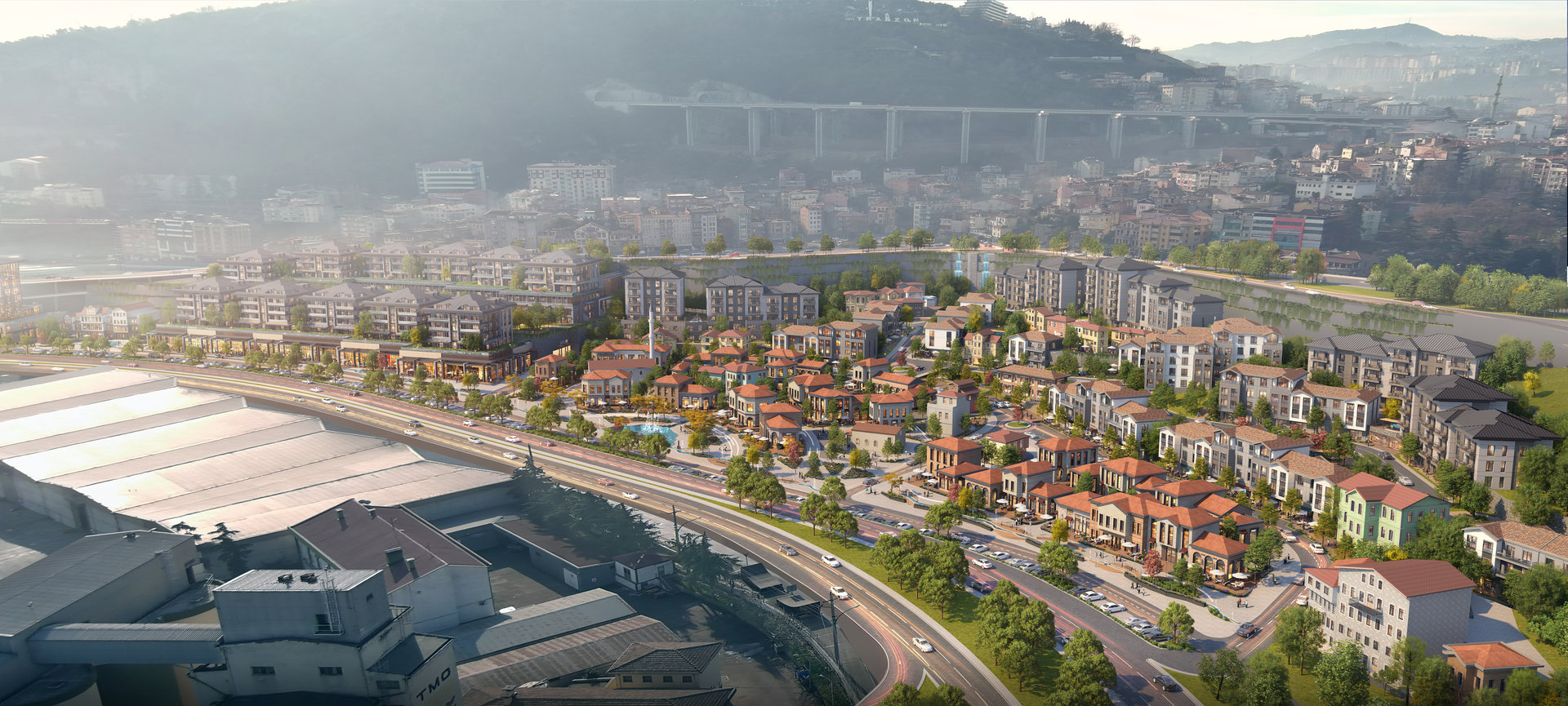
Kayseri, Türkiye
Project Type
Historical & Renovation
Location
Kayseri, Türkiye
Year
2018
Project Service
Master Plan to Construction
Project Status
Ongoing
Total Construction Area (m²)
29325.00
Employer
Ministry of Environment, Urbanization and Climate Change
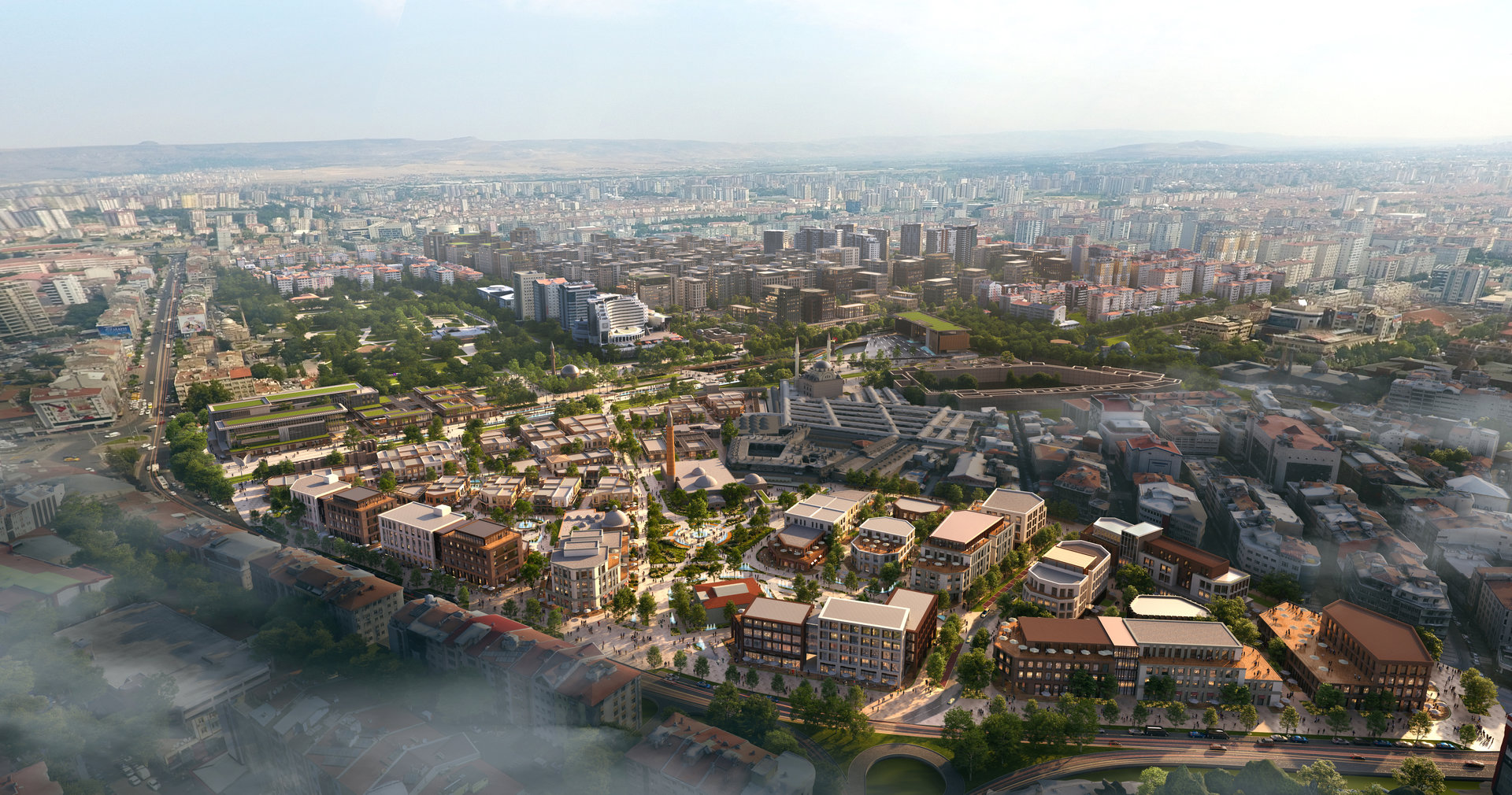
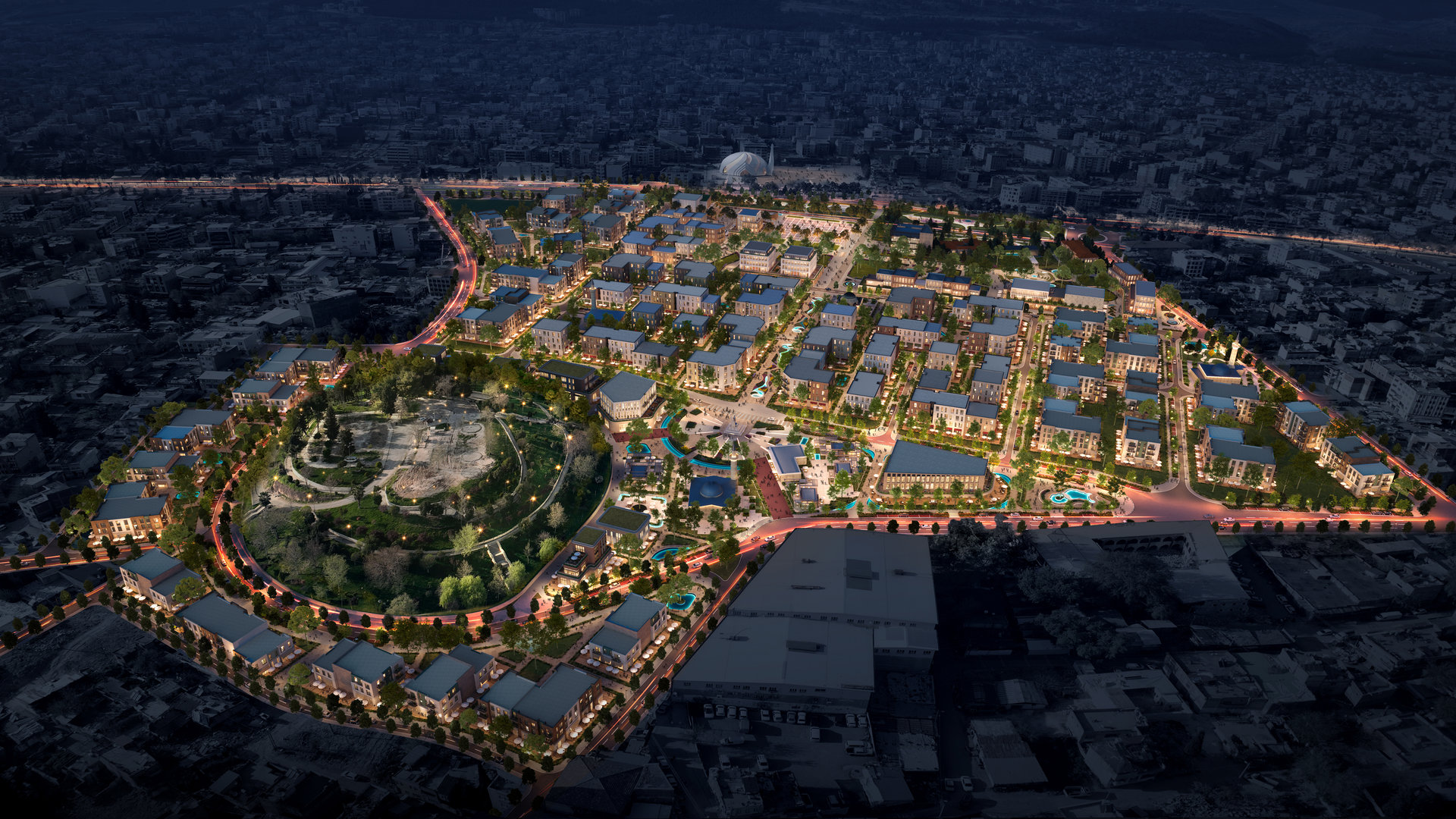
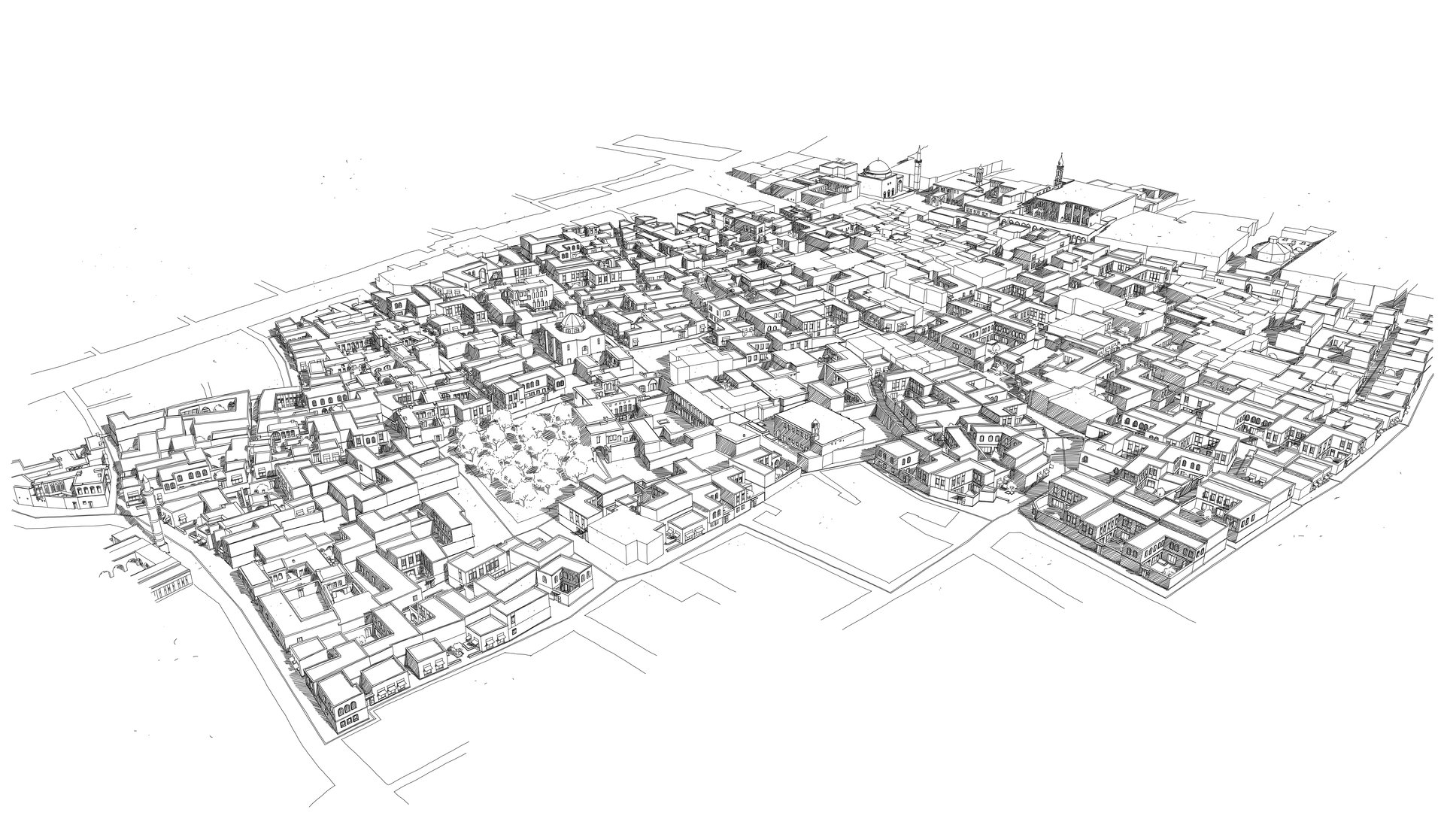
Located at the heart of Anatolia, Kayseri has long served as a crossroads of trade and culture. This project, situated within the city’s historic Suriçi district, seeks to preserve and reframe Kayseri’s architectural and cultural legacy through a series of urban interventions that respect historical continuity while meeting contemporary needs.
Preserving Urban Memory Through Strategic Connections
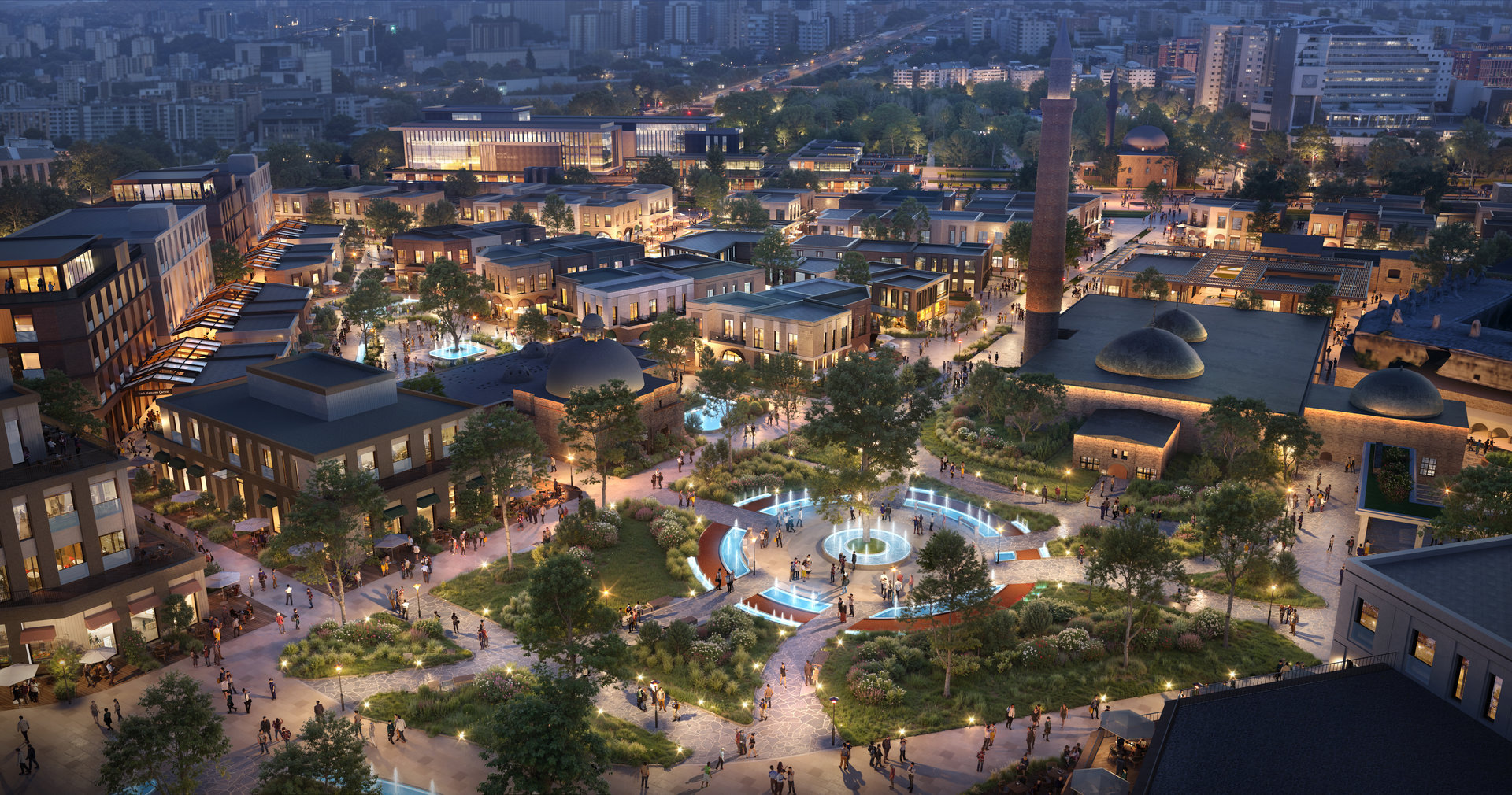
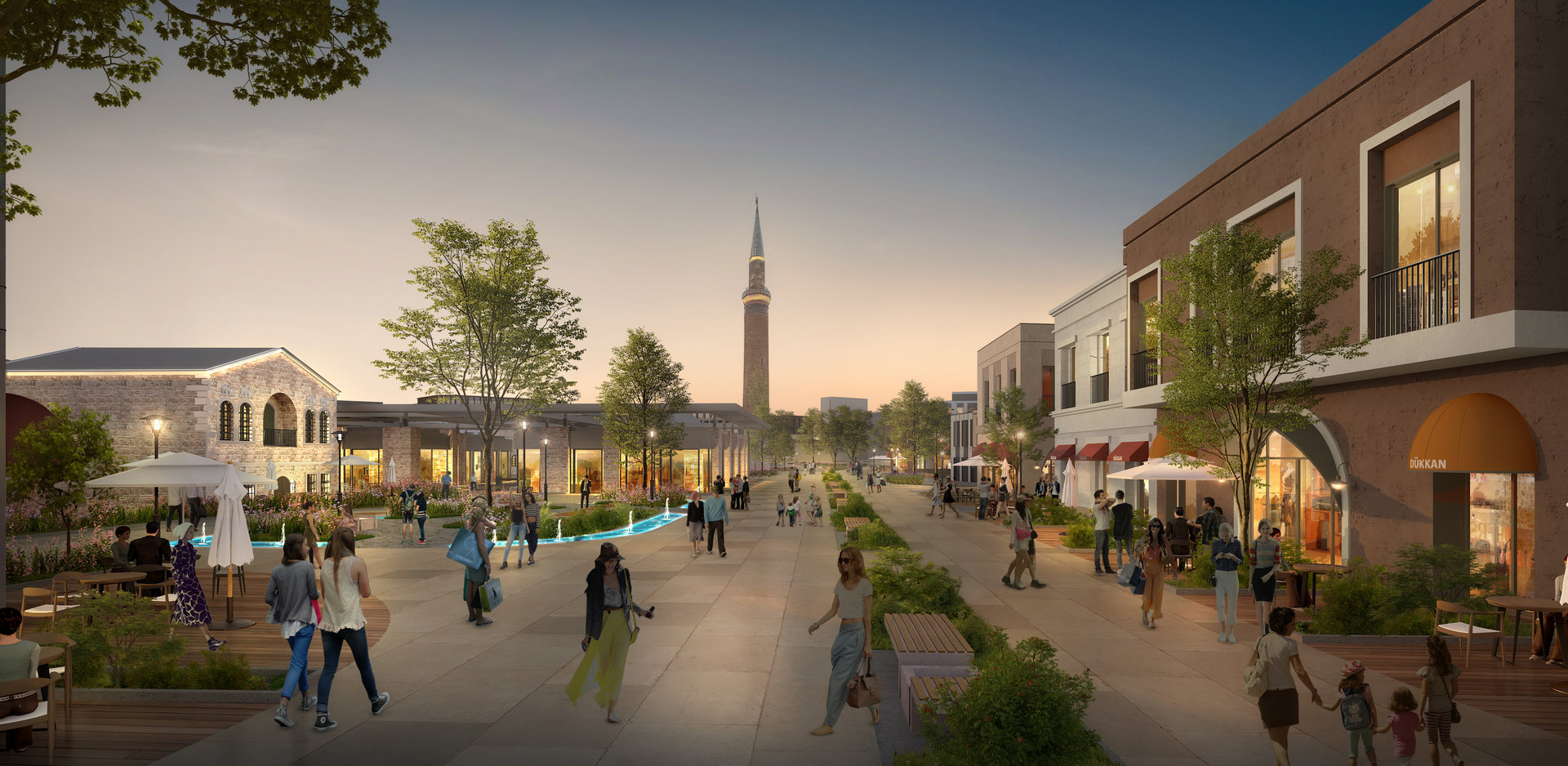
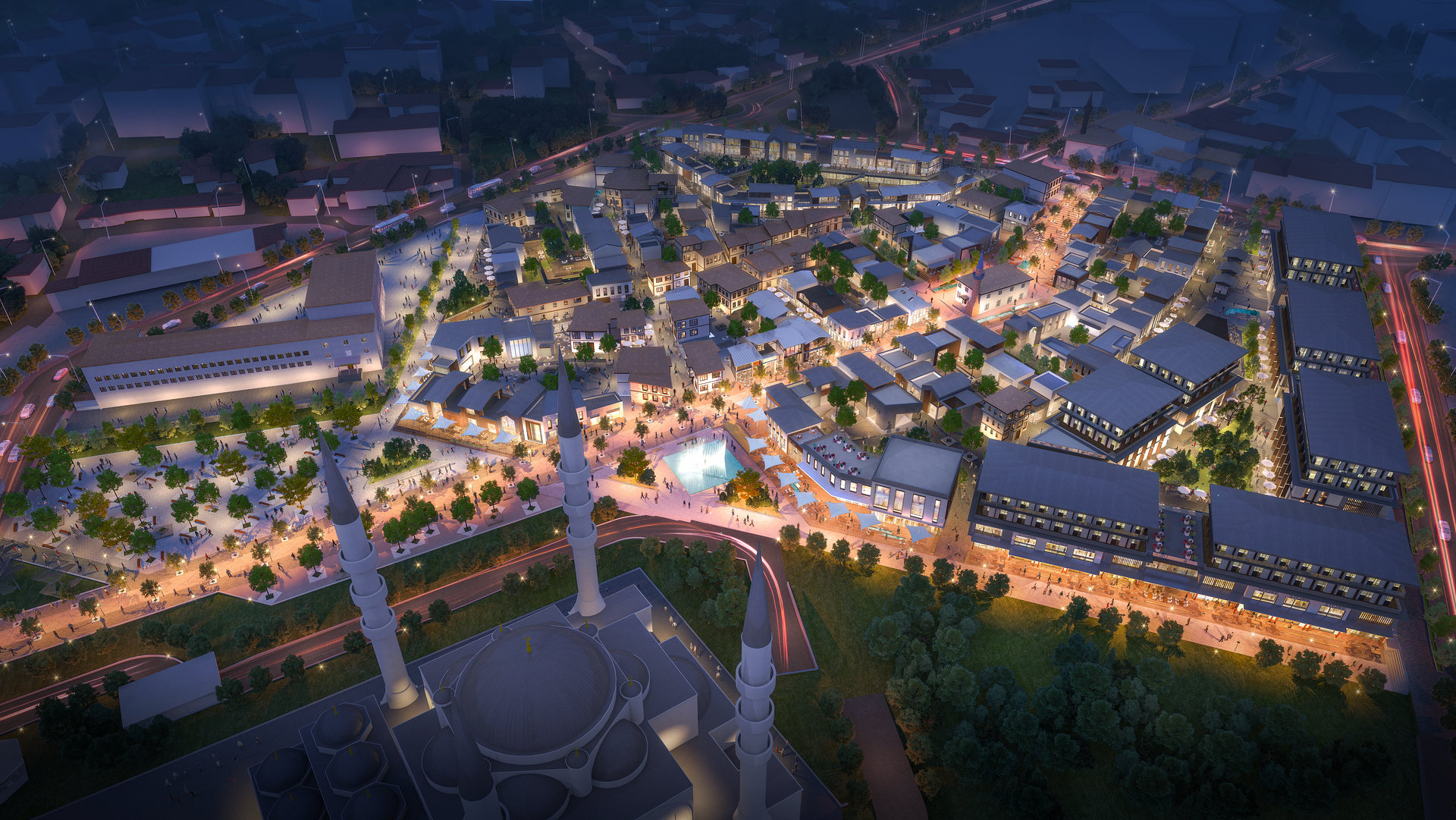
The project establishes a pedestrian-oriented axis that visually connects two of the district’s most important religious landmarks Kurşunlu Mosque and Camikebir Mosque. By redirecting a portion of the existing vehicular traffic underground, the historical fabric is opened up for uninterrupted pedestrian flow. This main urban spine is reinforced with landscape elements and visual cues—such as water features and stone surfaces—that trace the line of the ancient city walls, ensuring historical continuity through spatial expression.
Architectural Reinterpretation of Han Culture
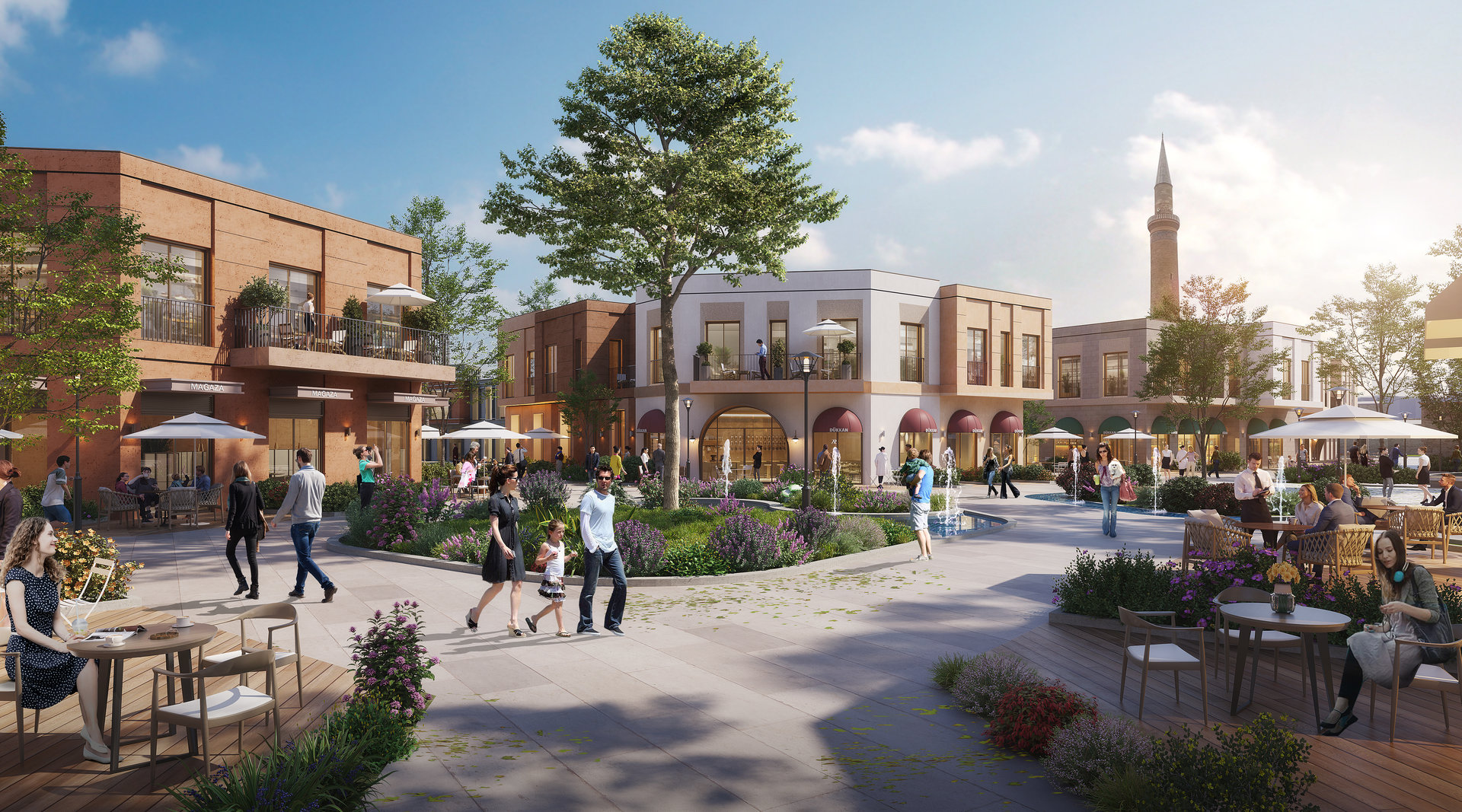
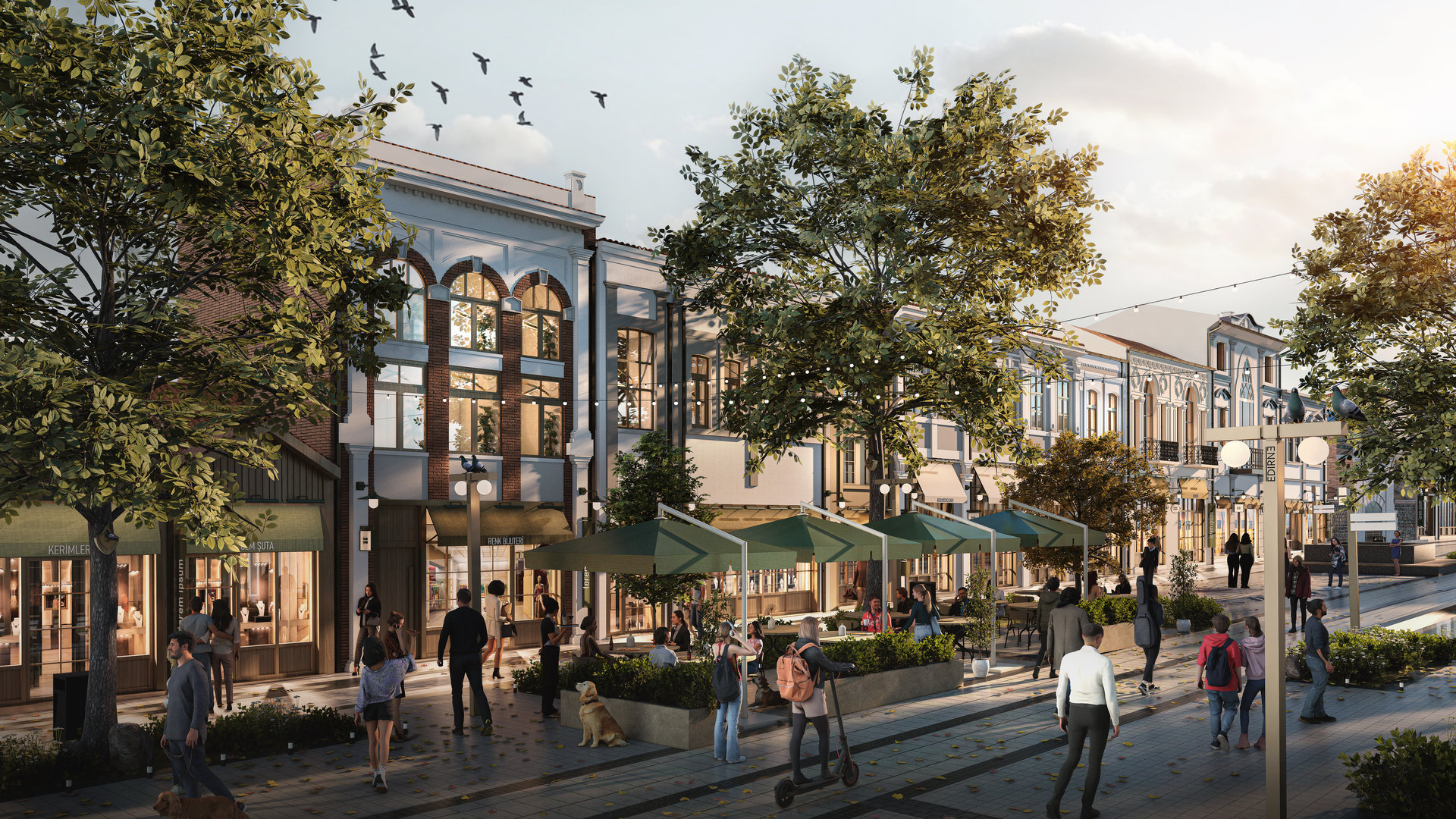
Between key heritage nodes, low-rise commercial clusters are introduced, reflecting the scale of traditional han structures while offering modern programs such as retail, cafés, and craft shops. These clusters are organized around intimate inner courtyards, fostering social interaction and offering shaded, walkable spaces.
Cultural Identity Strengthened Through Urban Design
Kayseri’s Suriçi district bears the physical traces of civilizations including the Hittites, Assyrians, Romans, Byzantines, and Seljuks. In this layered context, the project prioritizes architectural restraint, safeguarding the character and scale of its surroundings. By preserving and revitalizing the cultural landscape of the walled city, the project not only reconnects the city with its past, but also defines a stronger identity for future generations.
Gallery