Elazığ, Türkiye
Project Type
City Planning and Master Plan
Location
Elazığ, Türkiye
Year
2020
Project Service
Concept to Construction
Project Status
Concept Project
Employer
TOKİ
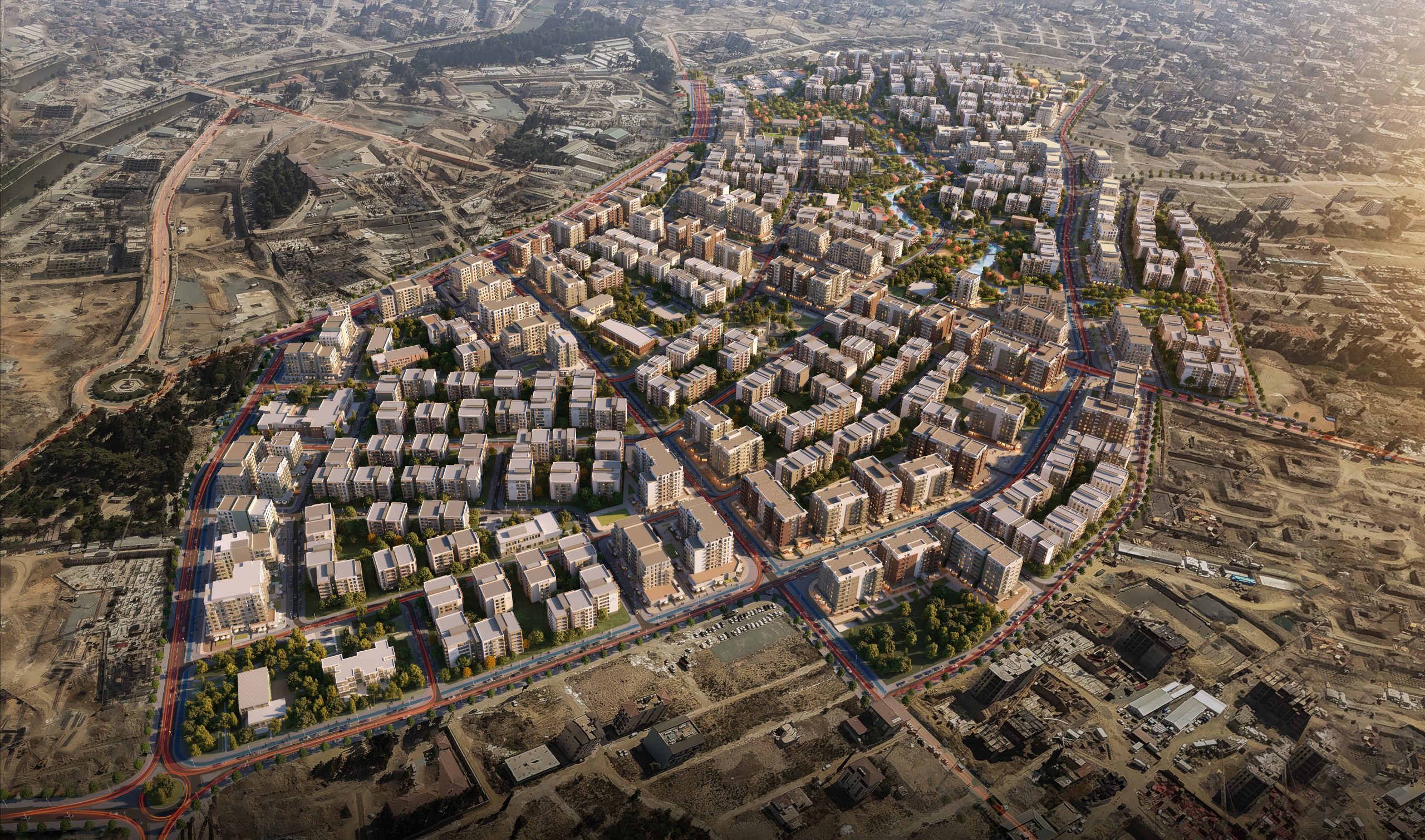
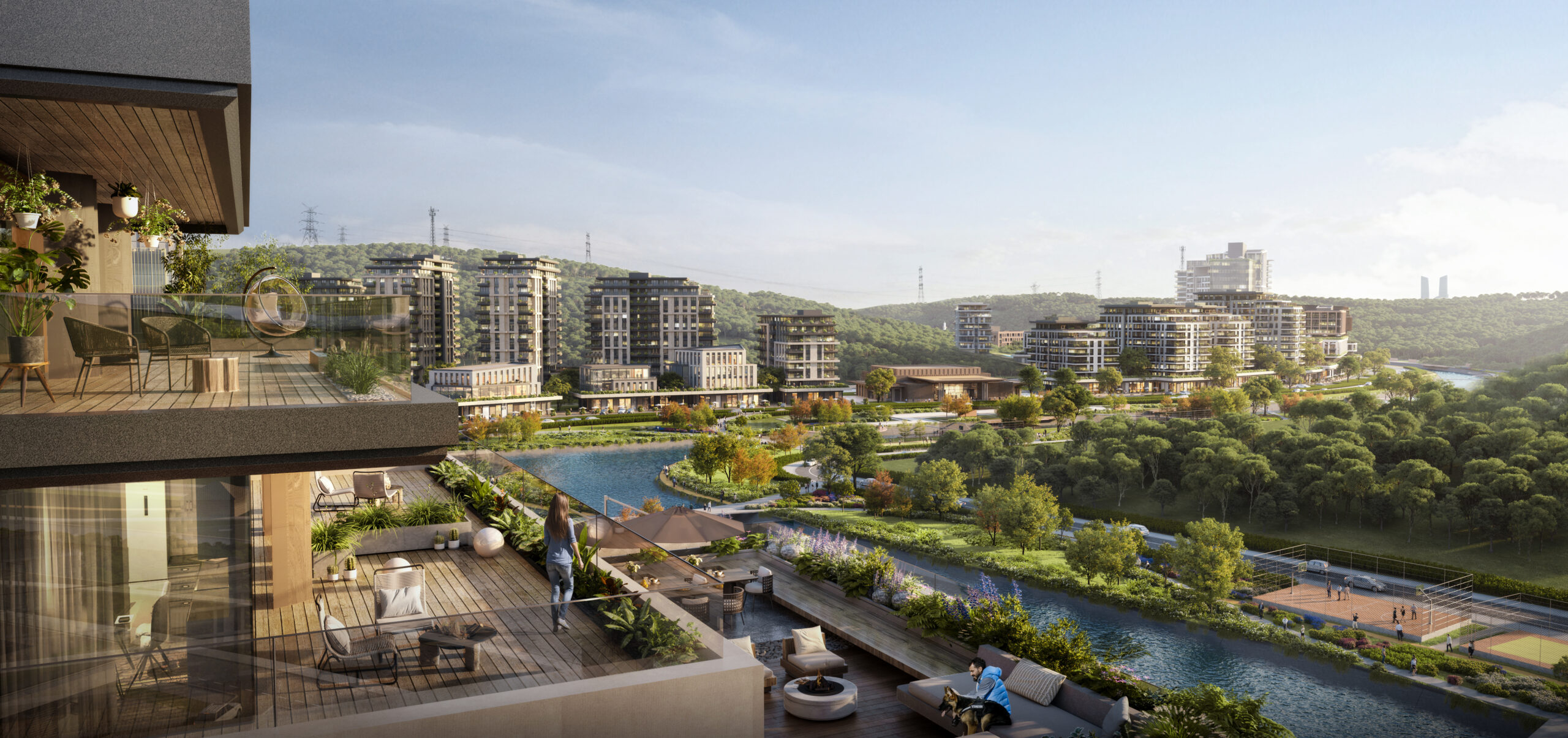
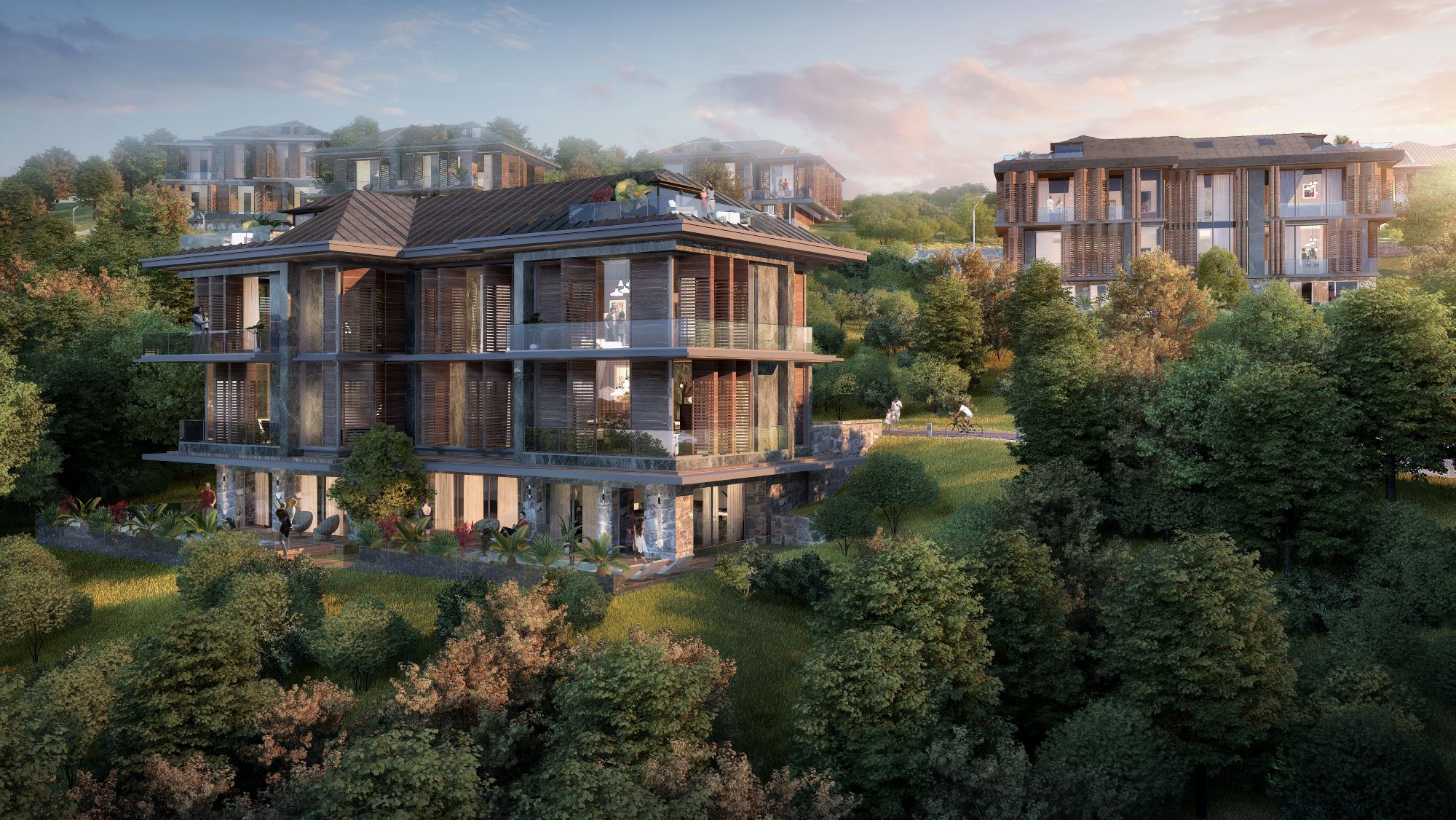
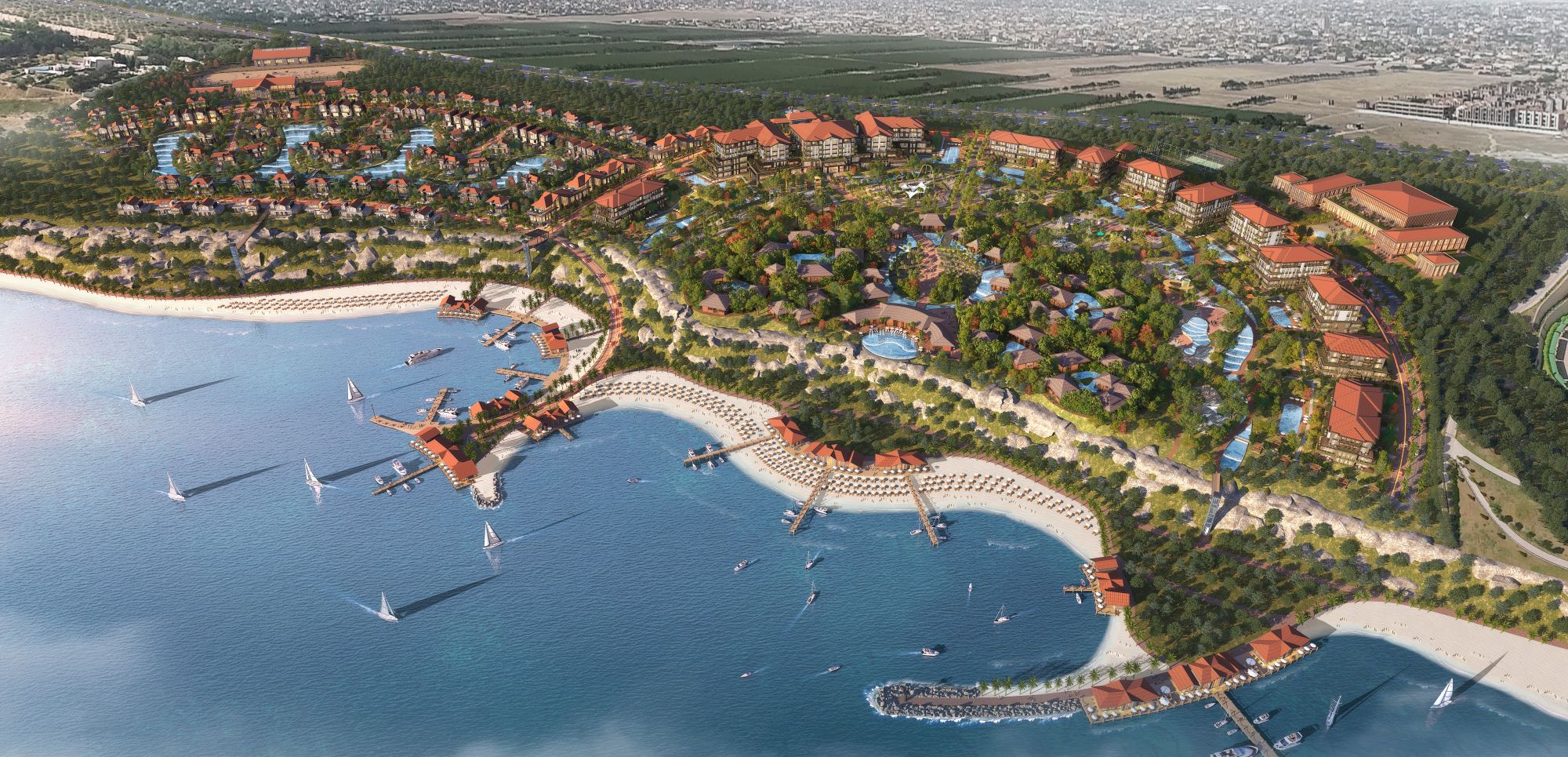
Located in the southwestern expansion zone of Elazığ, the Yemişlik Housing Project redefines post-earthquake urban living through a staged masterplan rooted in topographical resilience, spatial efficiency, and architectural continuity. Developed across three distinct phases, the project addresses both housing demand and infrastructural integration in a region marked by recent seismic disruptions and rapid urban growth.
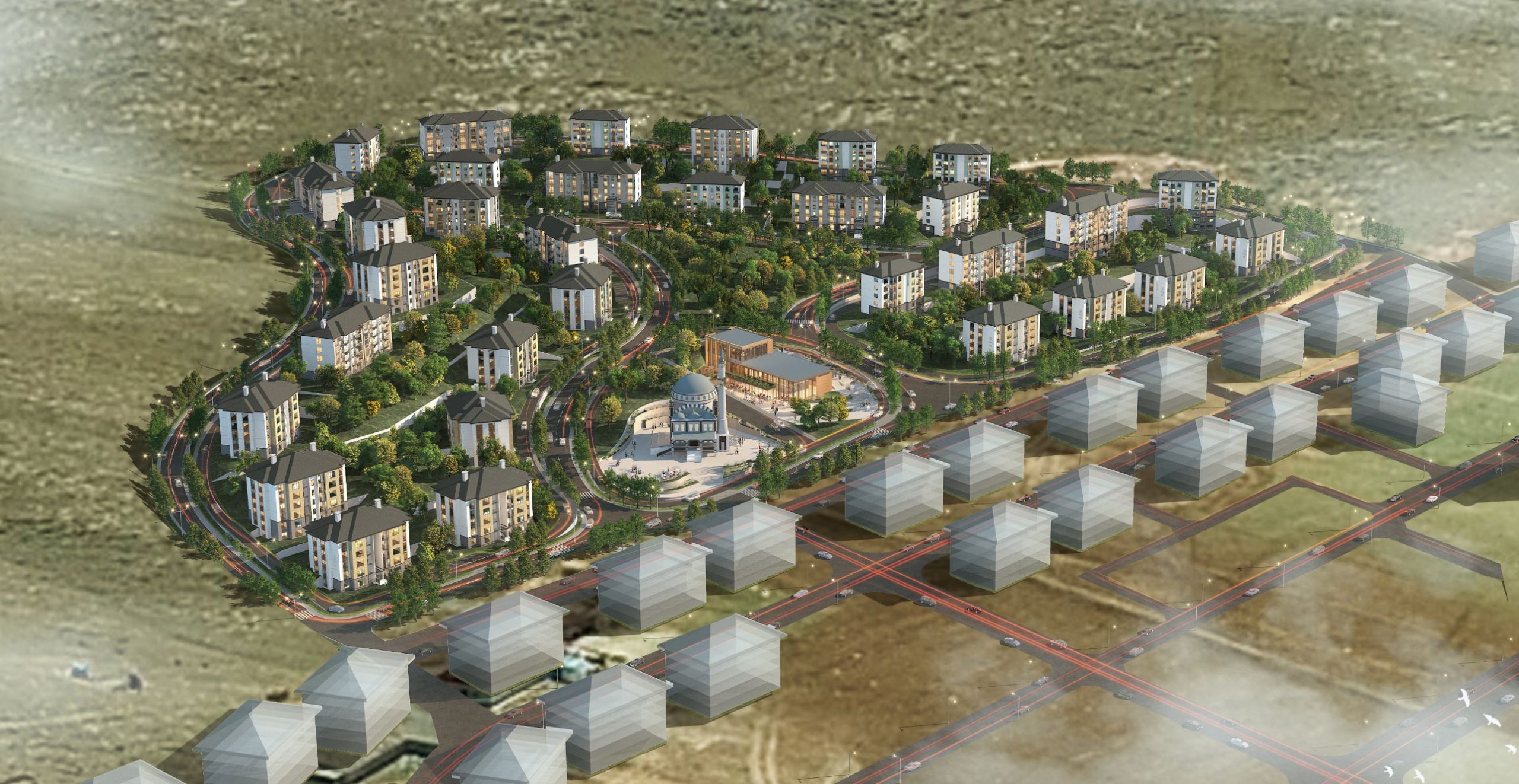
Each phase is positioned to respond to varying elevation levels, allowing the architecture to adapt naturally to the terrain. Stage 1 introduces mid-rise residential blocks, commercial units, and a mosque, configured along the D-300 highway to form an accessible and active frontage. Green courtyard systems are embedded between the blocks, encouraging community interaction while maintaining a calm residential atmosphere.
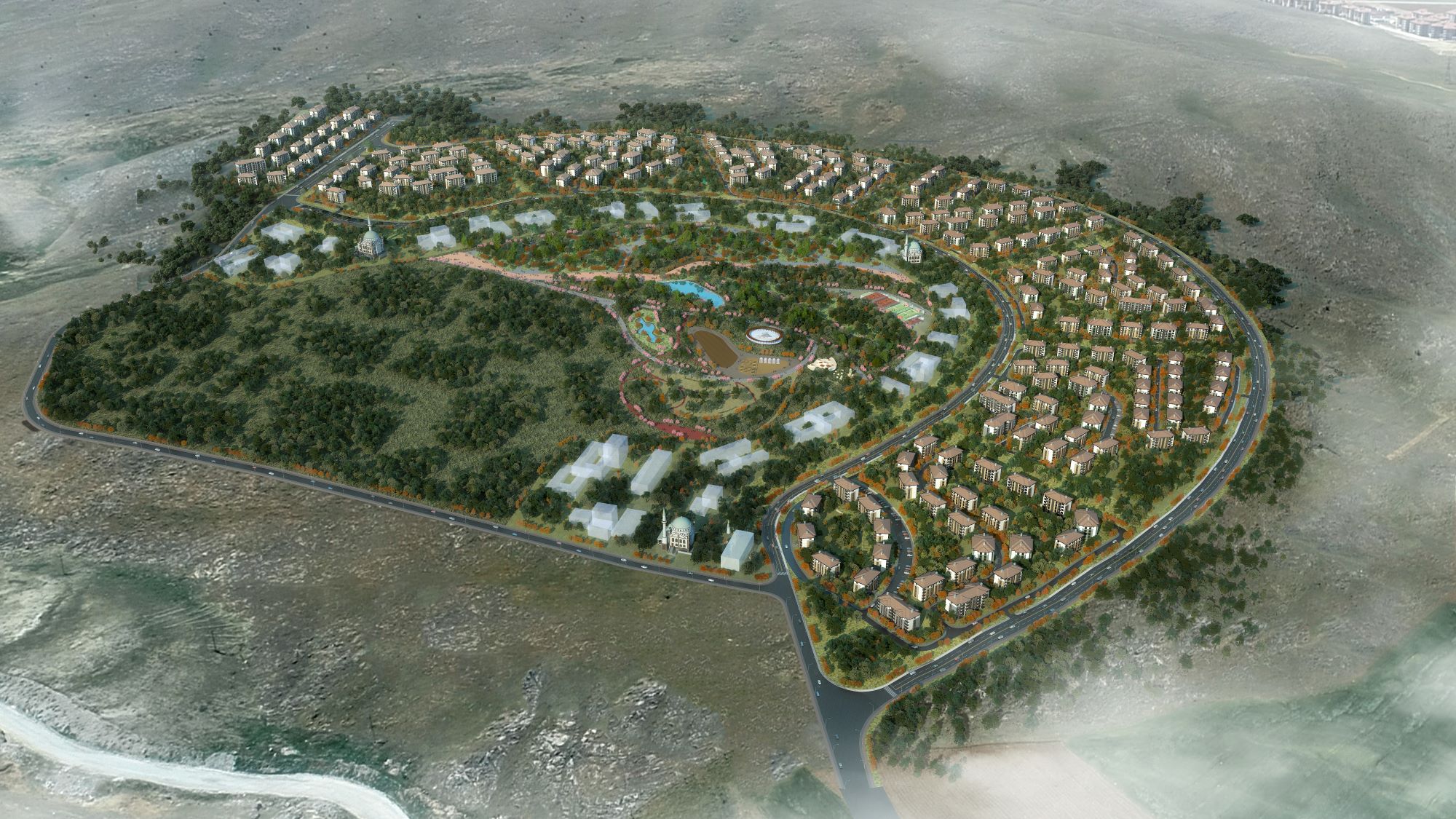
Stage 2 builds upon this logic with a more centralized layout: residential and mixed-use blocks are clustered around shared green zones, while a mosque and commercial base serve as functional anchors. Circulation is defined by a dual loop strategy one internal to the parcels, the other framing the site ensuring permeability and orientation throughout.
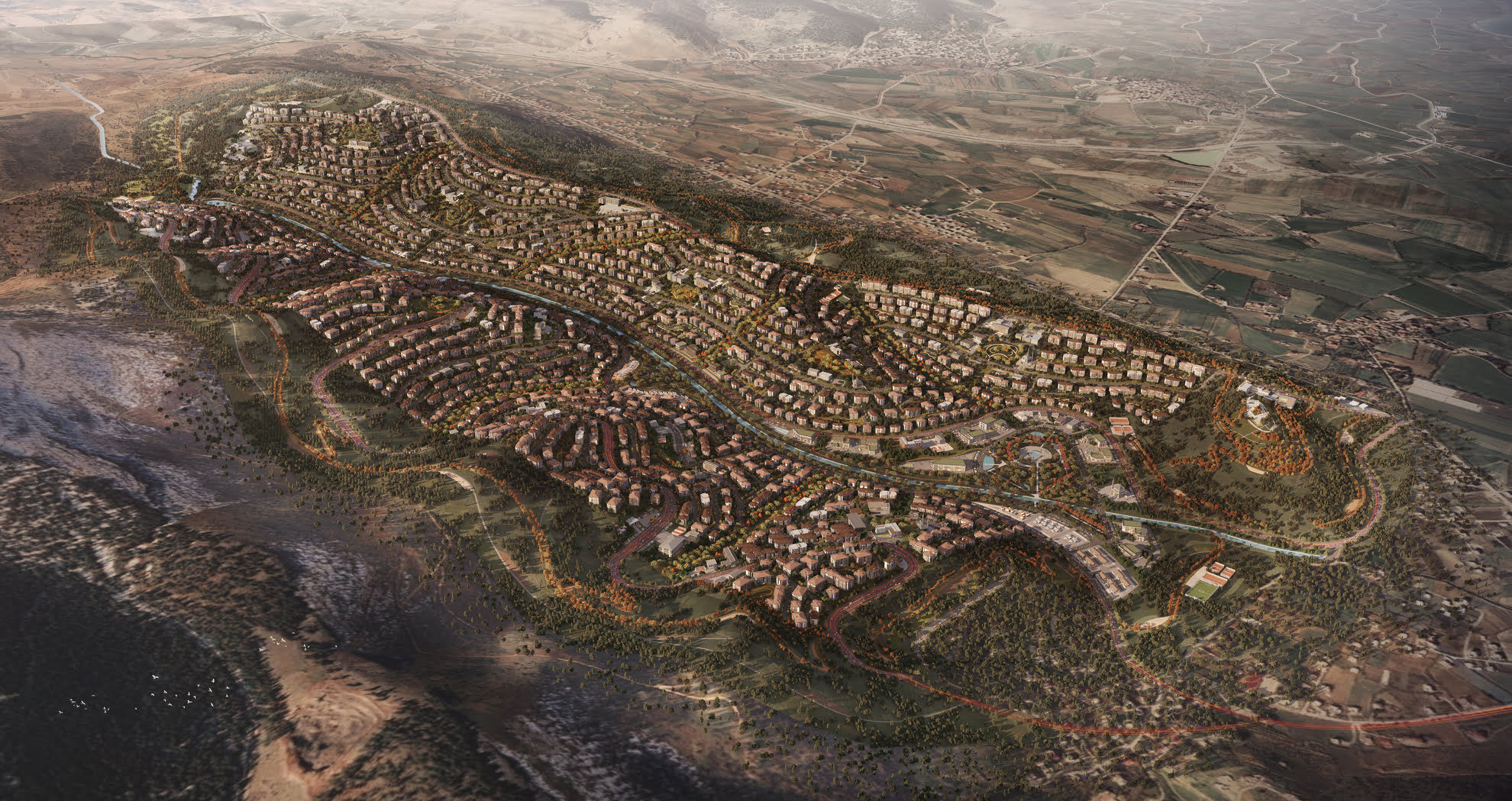
The final phase, Stage 3, forms a large scale residential neighborhood consisting of over 3,000 units. Here, programmatic diversity is emphasized through the integration of a national park, cultural and social centers, healthcare facilities, and a full range of educational buildings from kindergartens to high schools. A public bazaar, market square, and mosques support local identity and daily life.
Material choices throughout the project prioritize durability and regional relevance, while landscape elements including green axes, sports fields, play areas, ponds, and greenhouses create a cohesive ecological layer. The project ultimately proposes a resilient, community oriented urban fabric that balances density with openness, and permanence with adaptability.
Gallery