Project Type
Villa & Townhouse
Year
2023
Project Status
Concept Project
Total Area (m²)
104746
Total Construction Area (m²)
90754.00
Employer
Private
The project is envisioned as an exclusive residential development where contemporary living is integrated with a strong landscape approach. The design creates a refined residential environment that balances privacy, comfort, architectural quality, and connection with nature.
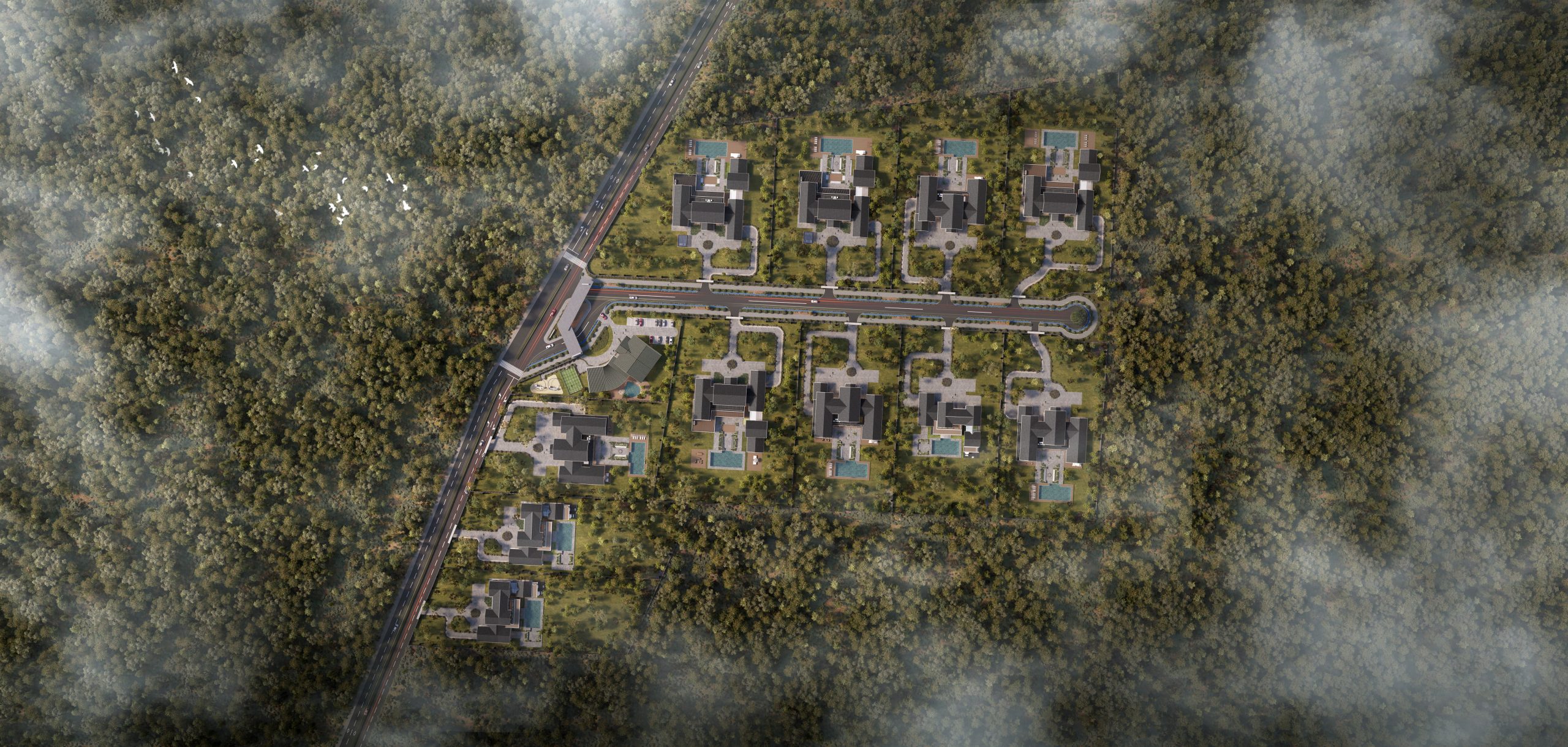
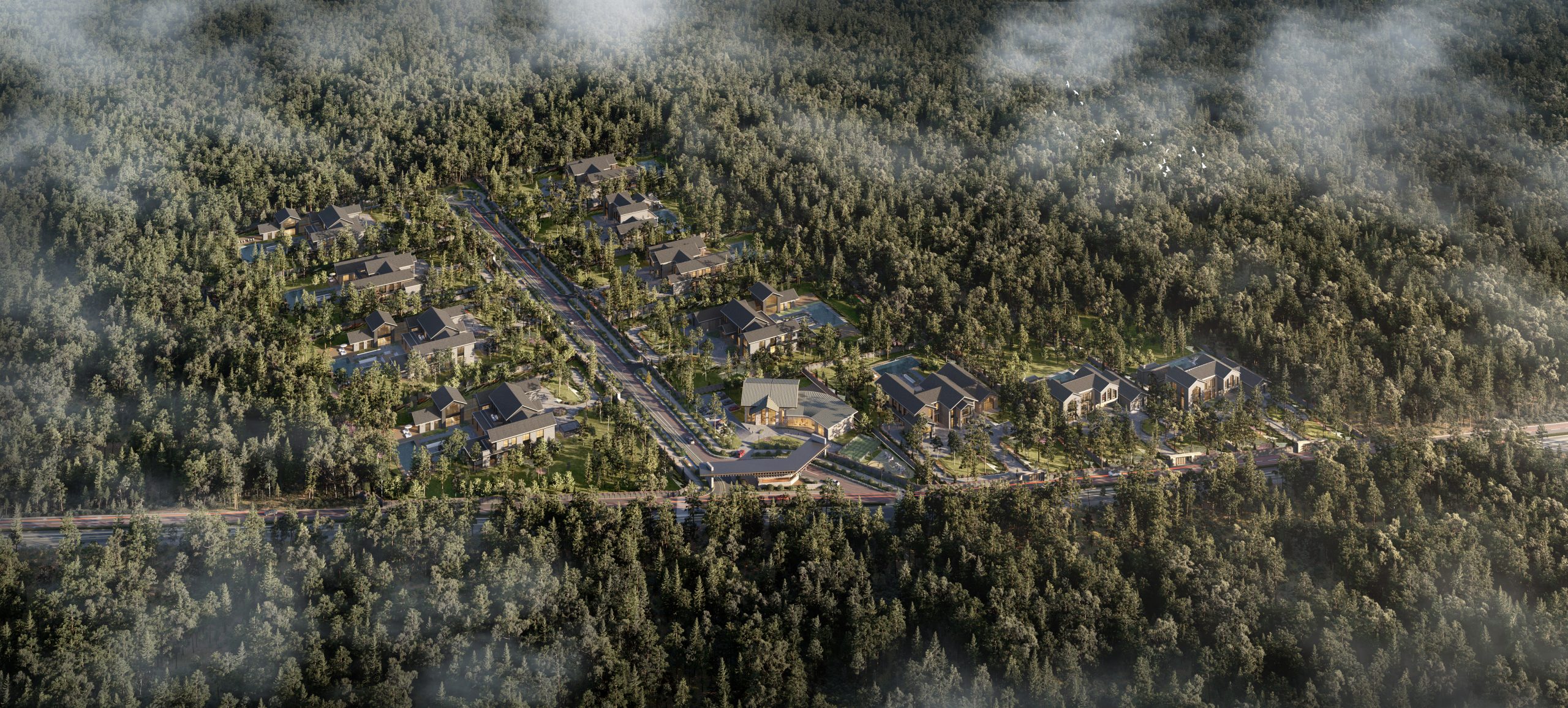
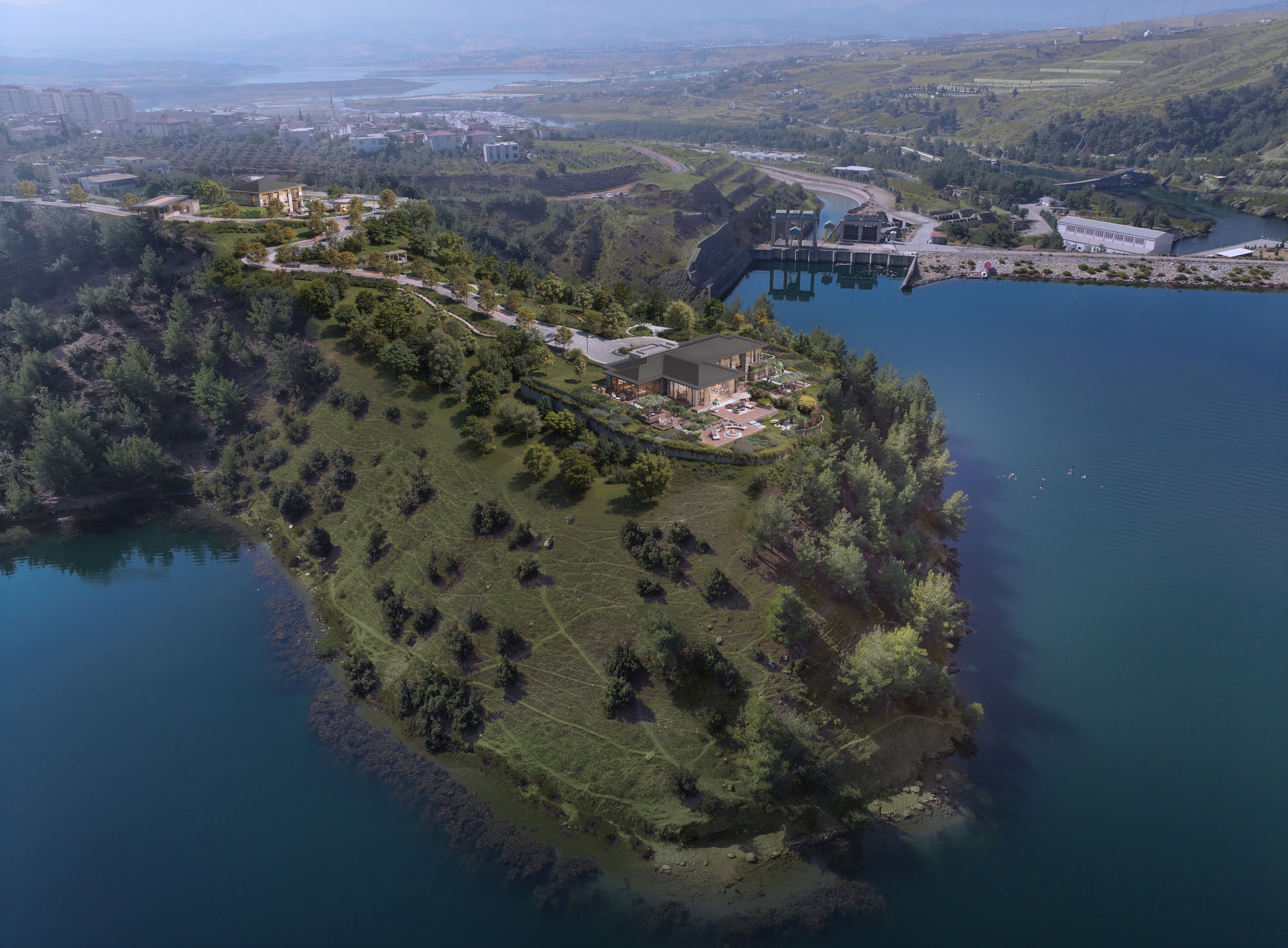
The overall approach brings together architecture, landscape, and circulation within a cohesive masterplan. Rather than imposing a rigid planning structure, the design responds sensitively to the existing characteristics of the site, allowing the built environment and landscape to work together as a unified whole.
Natural Landscape and Architectural Integration
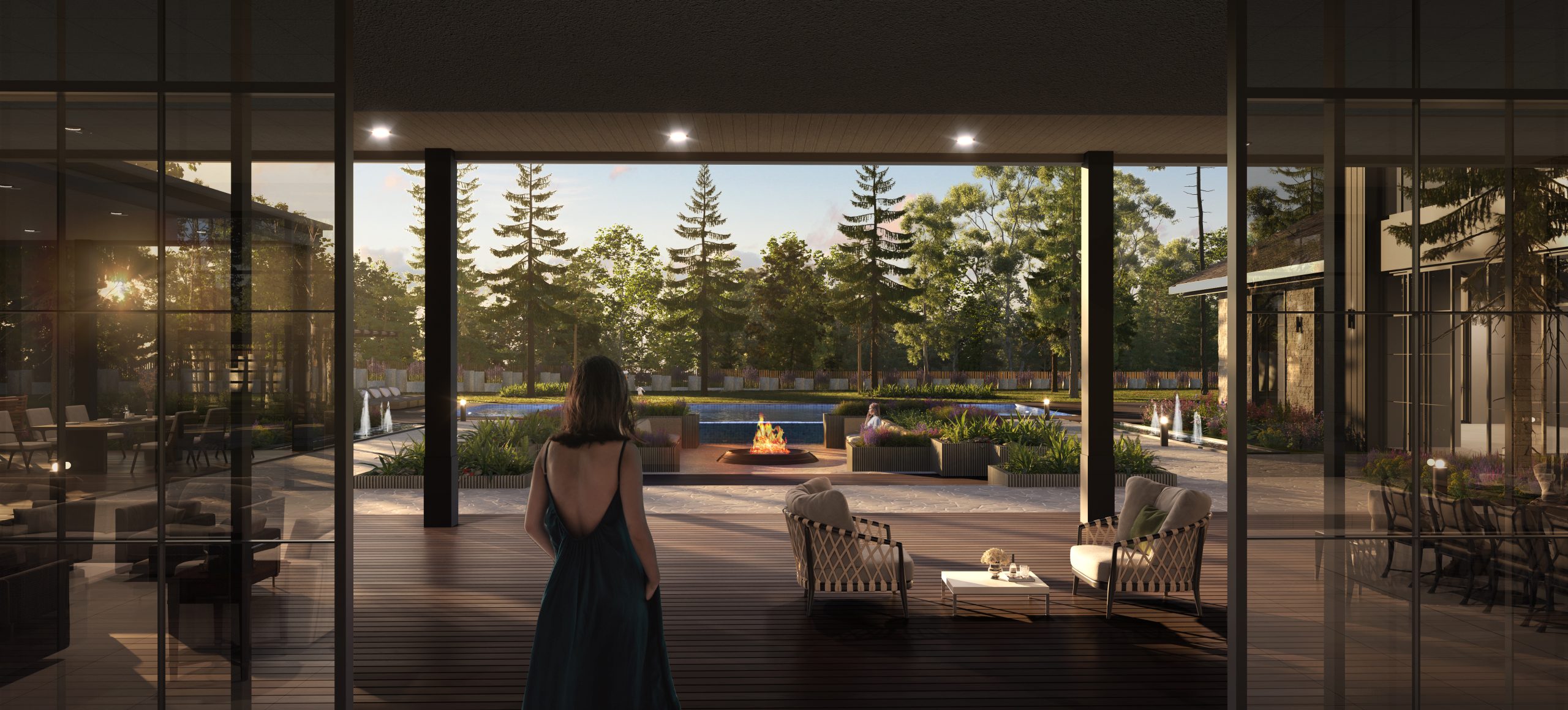
Landscape plays a defining role in shaping the character of the development. Green corridors, tree-lined routes, private gardens, and landscaped communal areas establish a continuous relationship between architecture and nature.
The project places particular emphasis on integrating the built environment with the existing terrain. Retaining walls, terraces, and sustainable drainage systems are incorporated into the overall landscape strategy, while minimal land disturbance and carefully considered planting help preserve the site’s natural character.
This approach creates a balanced relationship between environmental sensitivity, architectural quality, and contemporary residential life.
Masterplan Vision and Residential Typologies
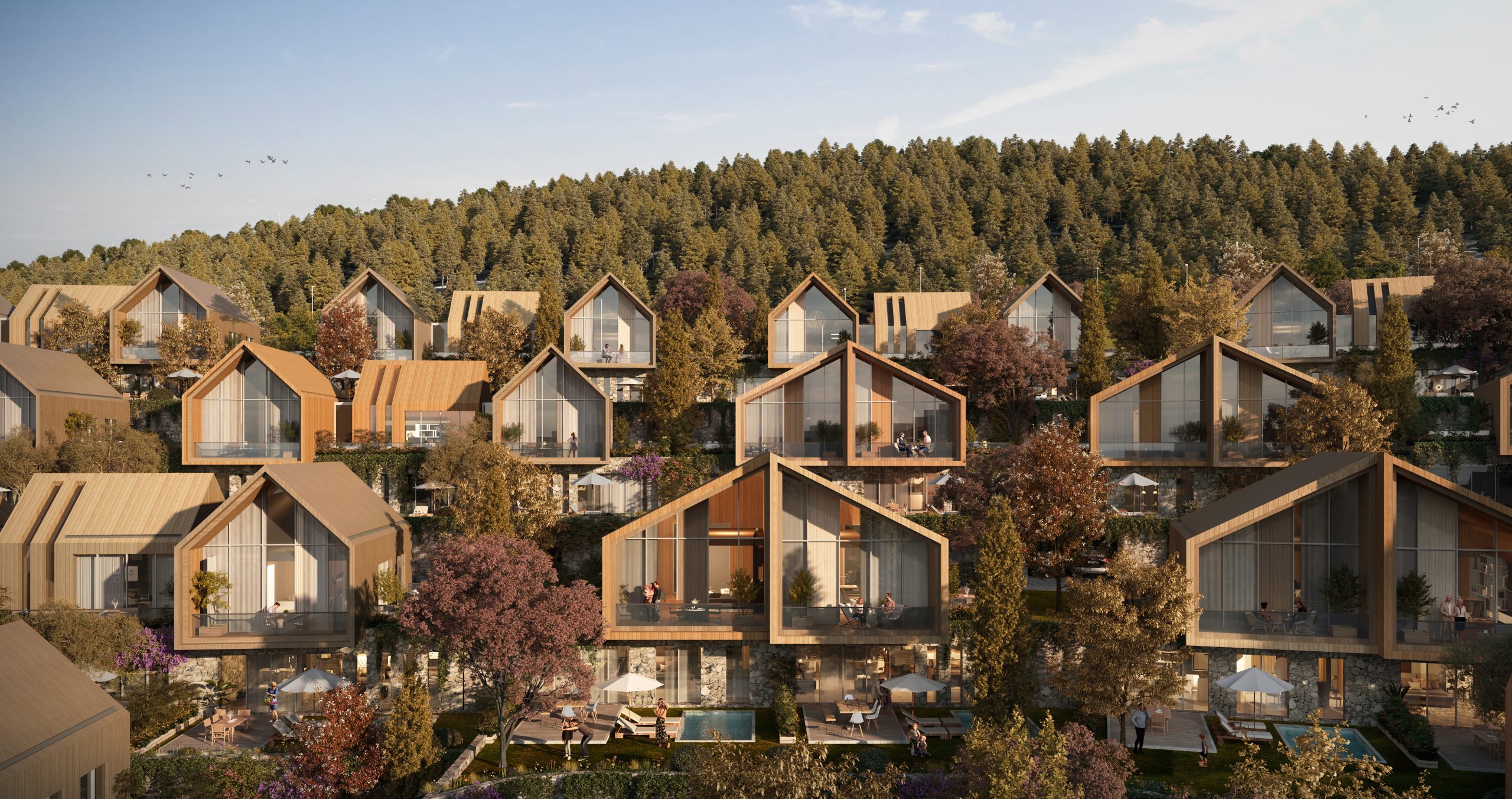
The masterplan prioritizes privacy, exclusivity, and a high-quality residential experience. A significant portion of the development is dedicated to villa plots, providing each residence with generous private outdoor areas.
Four villa typologies, ranging from approximately 800 to 1,200 square meters, are positioned on plots ranging from 0.4 to 0.7 hectares. The built footprint occupies approximately half of each plot, with the remaining areas dedicated to private gardens and landscaped spaces.
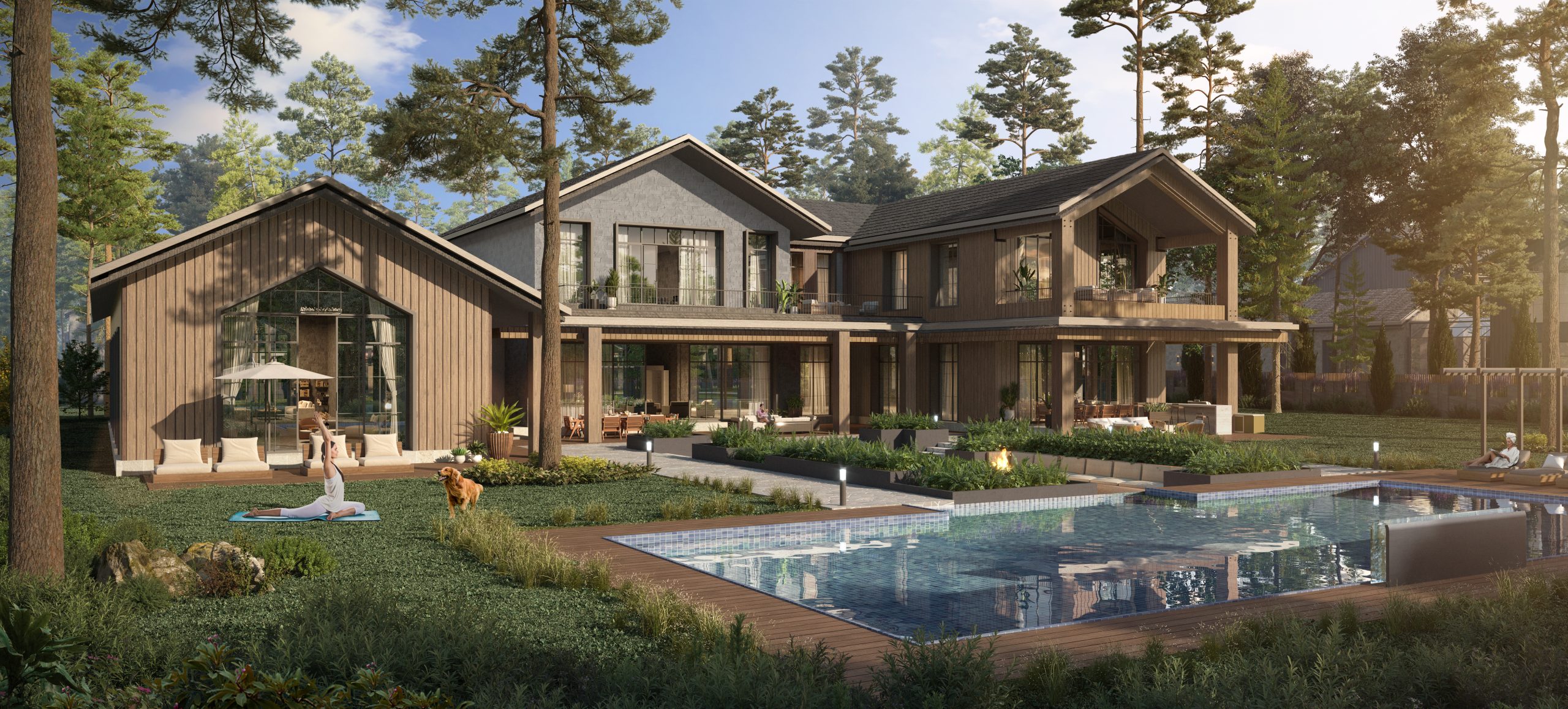
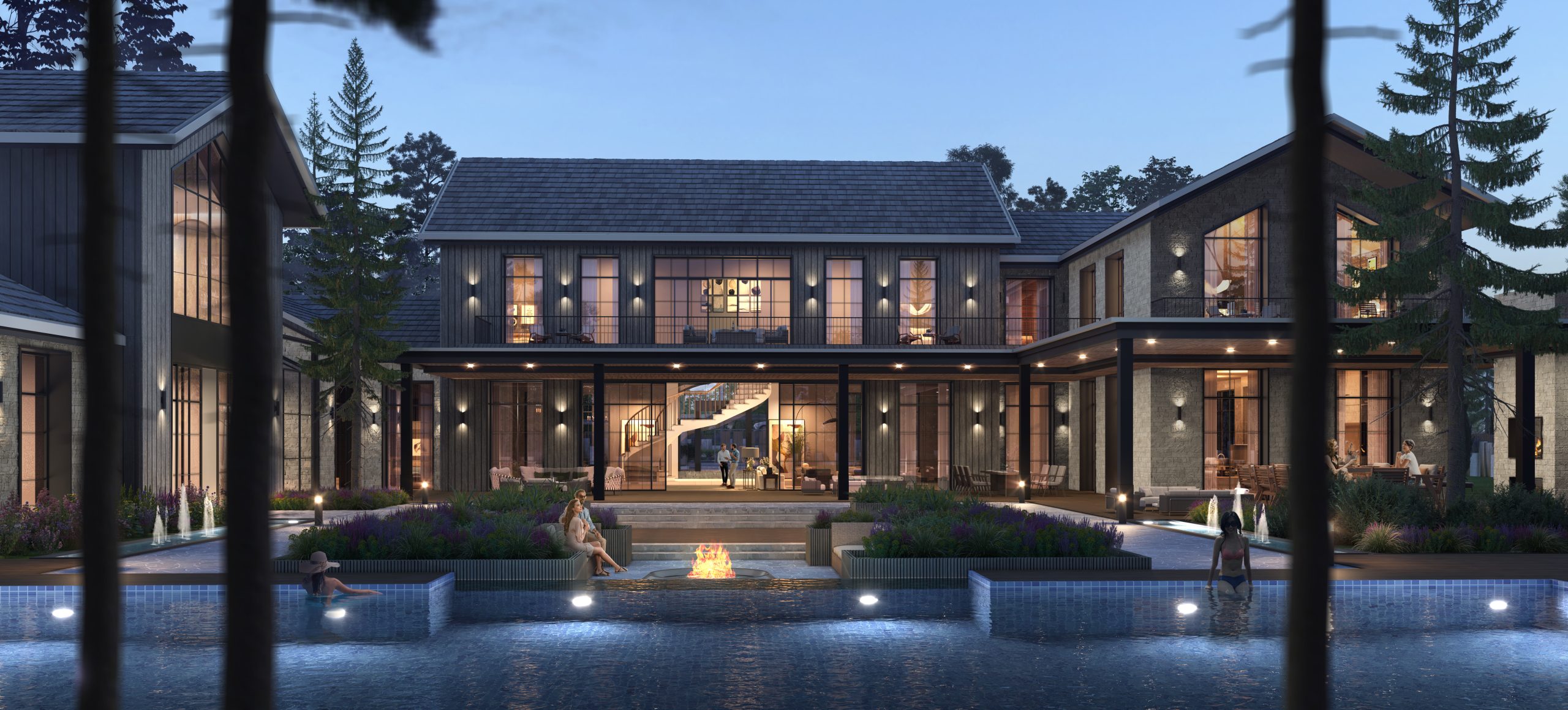
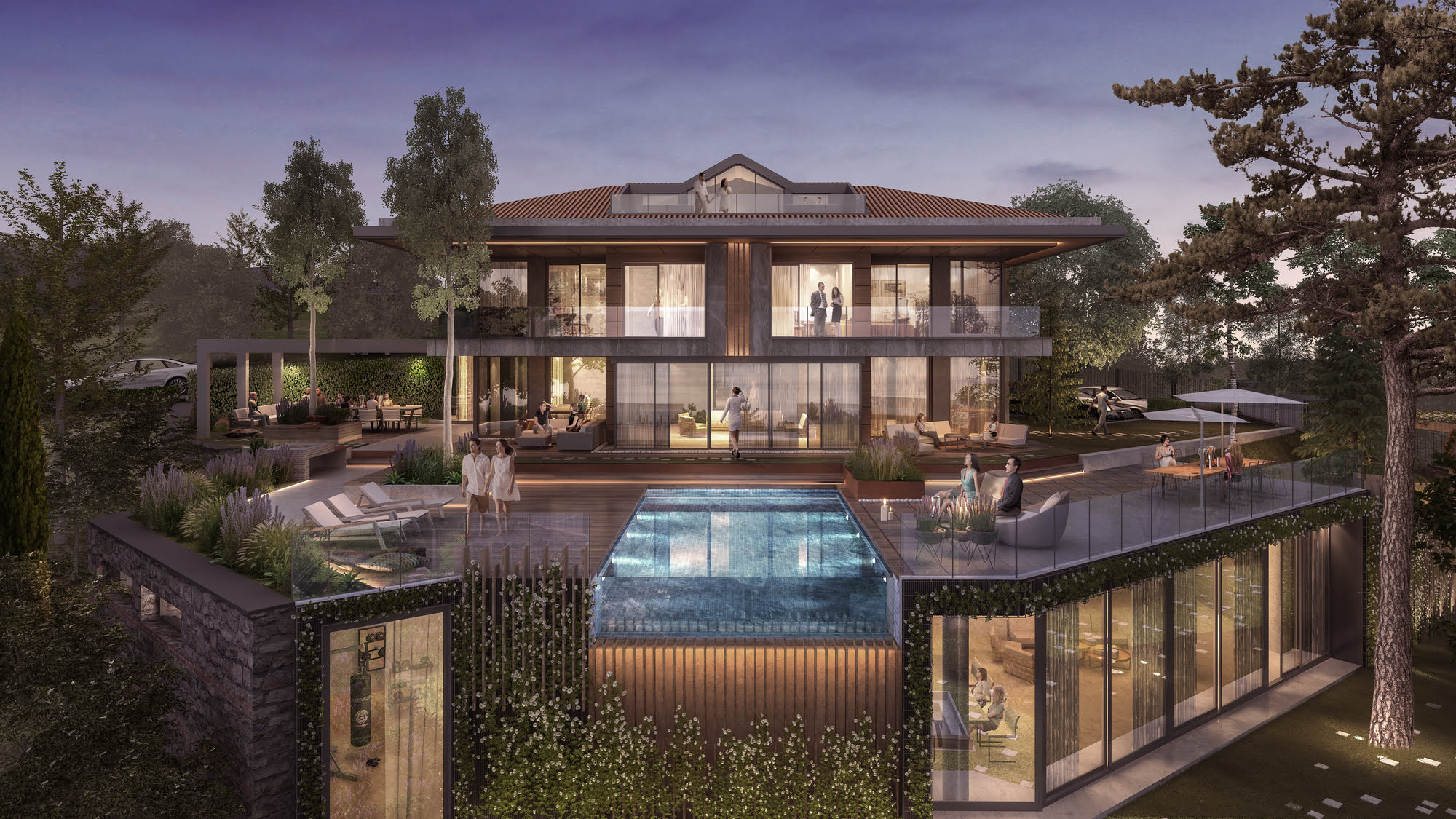
Each villa incorporates a private pool, spa, and garage, reinforcing the project’s focus on comfort, individuality, and high-quality living.
While private amenities are integrated into individual residences, a centrally located community center provides shared spaces including lounges, sports facilities, and children’s play areas.
Circulation and Connectivity
The circulation strategy is designed to provide efficient access while maintaining a pedestrian-oriented environment throughout the development.
An internal road network connects the villas and community facilities to the main access route, supported by bicycle lanes, generous sidewalks, and landscaped green buffers.
Pedestrian pathways, jogging tracks, and bicycle routes encourage active and sustainable mobility. Parking areas and vehicular circulation are carefully integrated into the masterplan to ensure accessibility without compromising the quality and continuity of the pedestrian experience.
Public Amenities and Community Life
At the heart of the masterplan, the community center acts as the social anchor of the development.
Composed of three main structures, the center accommodates administrative spaces, a sales office, and a clubhouse featuring a lounge, bar, cigar and wine rooms, as well as outdoor terraces.
Playgrounds, outdoor sports courts, landscaped recreational areas, and shared open spaces provide residents with opportunities for leisure, social interaction, and community life within a carefully designed natural environment.
Eco-Architecture and Design Language
The architectural language is shaped by principles of eco-architecture and a strong relationship with the surrounding landscape.
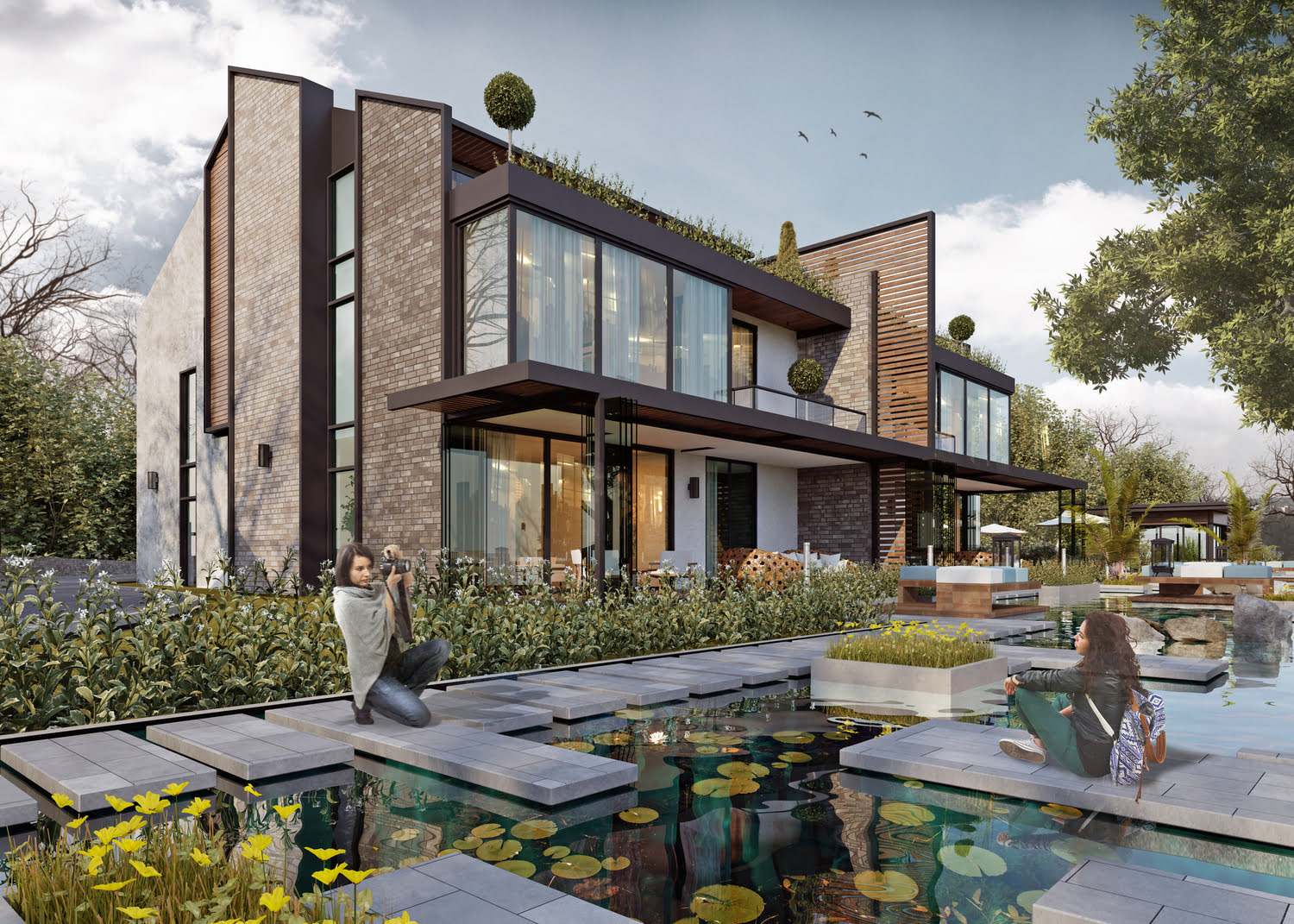
Natural materials such as stone and timber are used throughout the villas and communal structures, providing durability while reinforcing the connection between architecture and nature.
Buildings are carefully integrated into the existing topography to reduce intervention in the landscape and preserve existing vegetation and natural resources.
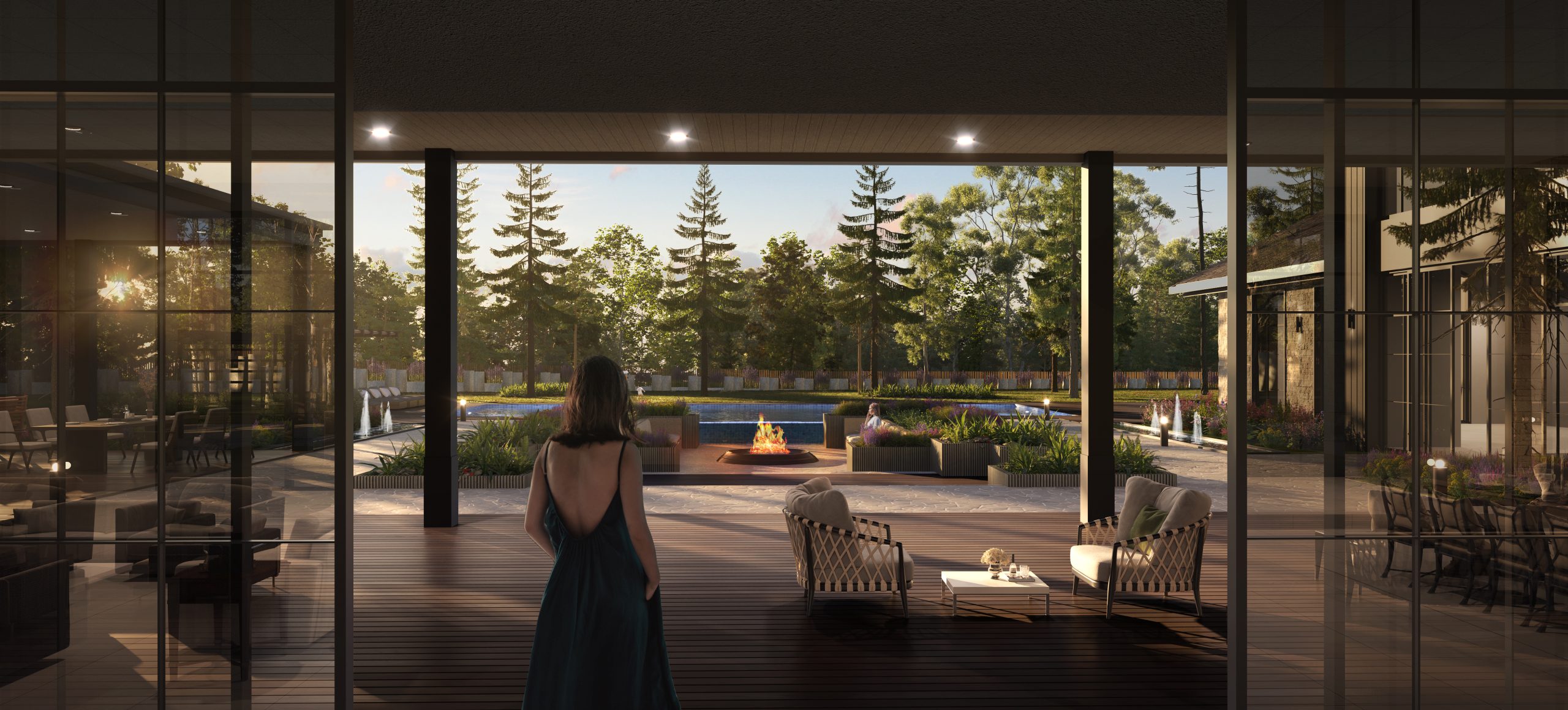
Landscape design incorporates natural ground materials, premium timber decking, ambient lighting, efficient irrigation systems, and recycling strategies to enhance outdoor living while supporting the project’s sustainability objectives.
Privacy and Exclusivity
Privacy is one of the defining principles of the residential concept.
Landscape buffers, planting, hedges, changes in elevation, and carefully considered architectural layouts provide each residence with a high level of seclusion.
The result is a residential environment where individual privacy and comfort coexist with opportunities for shared community life.
Conclusion
The development proposes a contemporary model for luxury residential living shaped by landscape, privacy, and architectural quality.
Through environmentally sensitive planning, distinctive residential typologies, carefully integrated communal spaces, and an architecture that responds sensitively to the site’s natural characteristics, the project creates a refined and sustainable living environment that balances individuality with a strong sense of community.
Gallery