Project Type
City Planning and Master Plan
Location
İstanbul, Türkiye
Year
2023
Project Service
Master Plan
Project Status
Concept Project
Total Area (m²)
2090978.00
Total Construction Area (m²)
958234.26
Employer
Artaş Construction
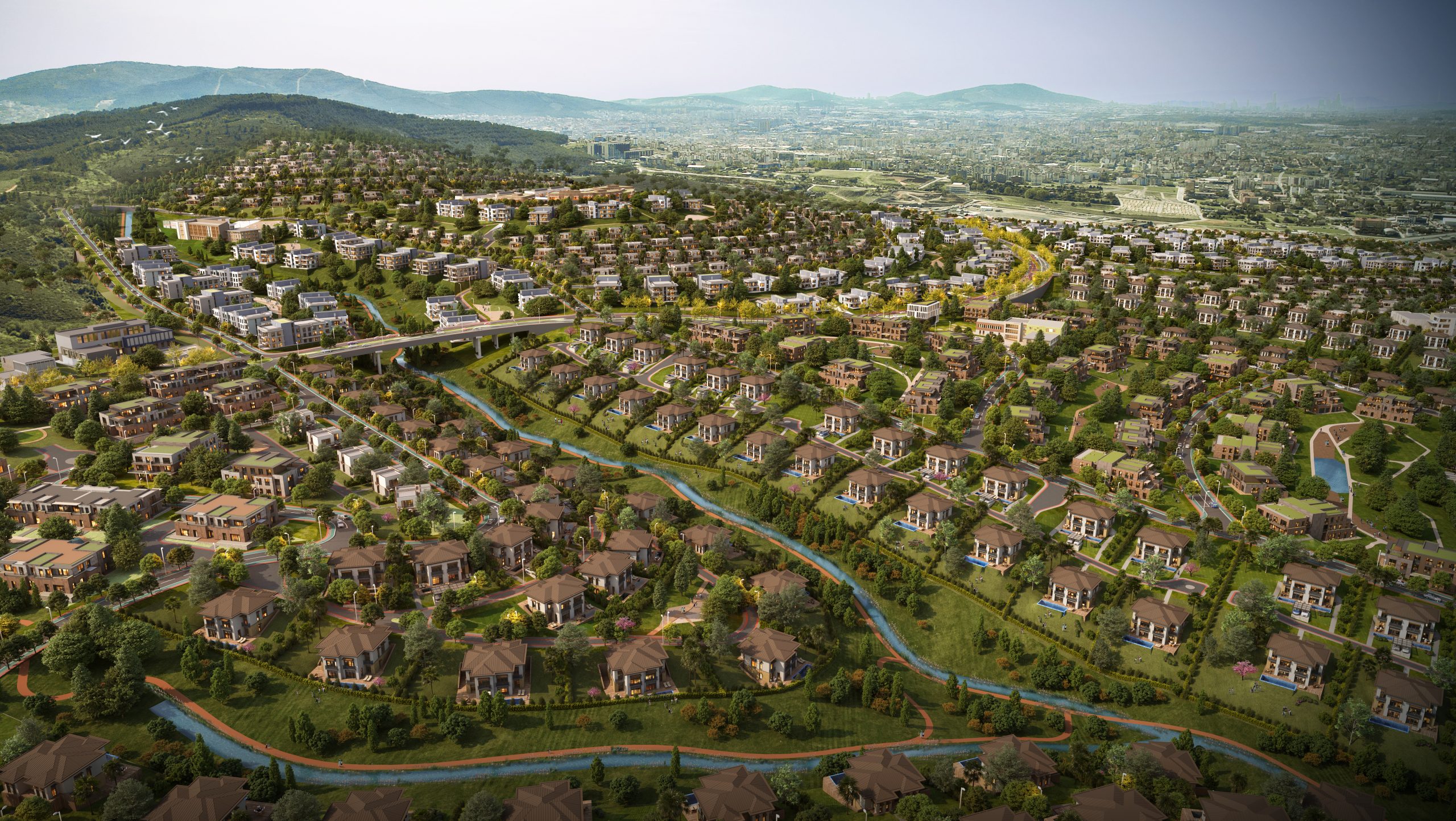
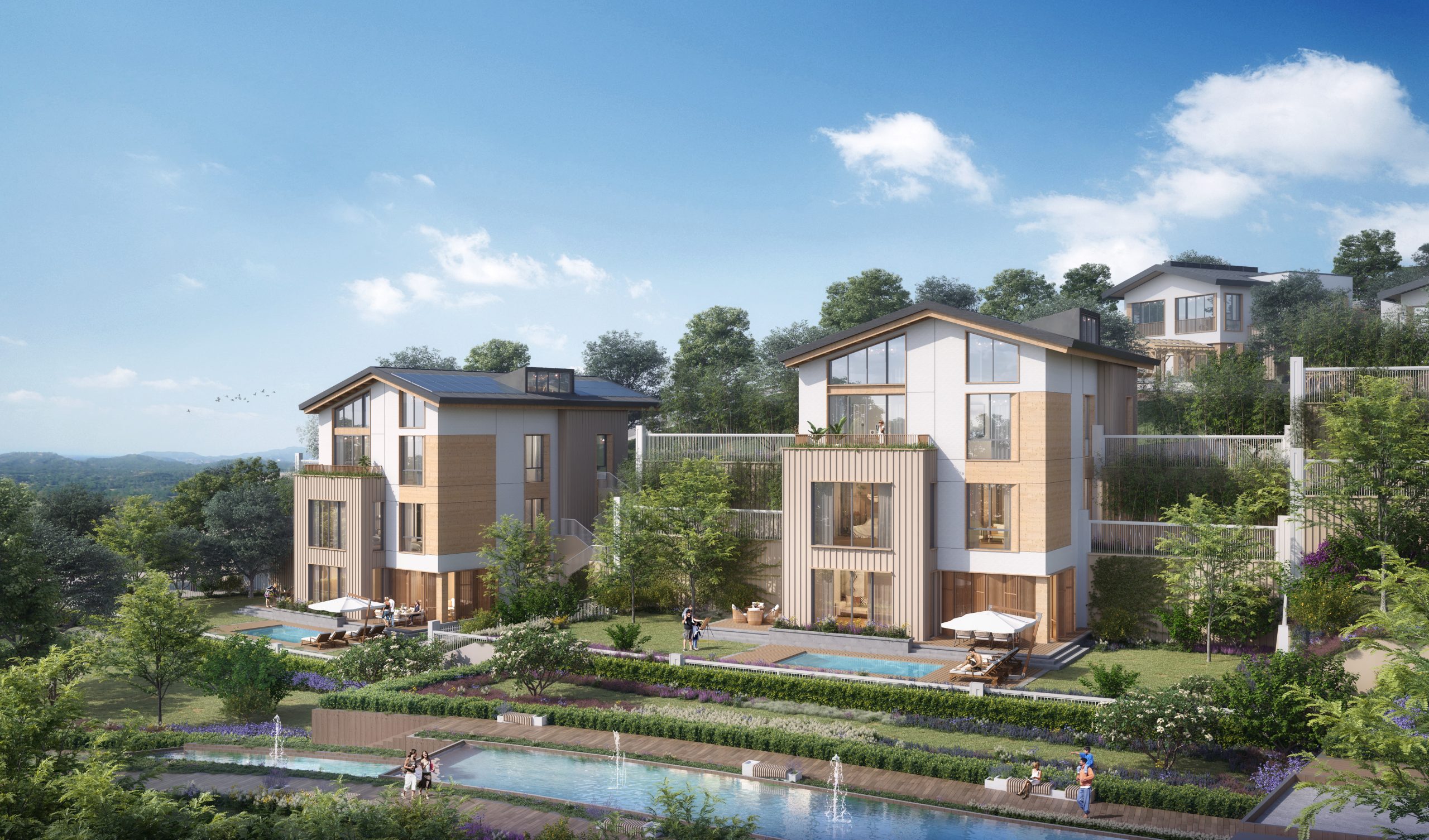
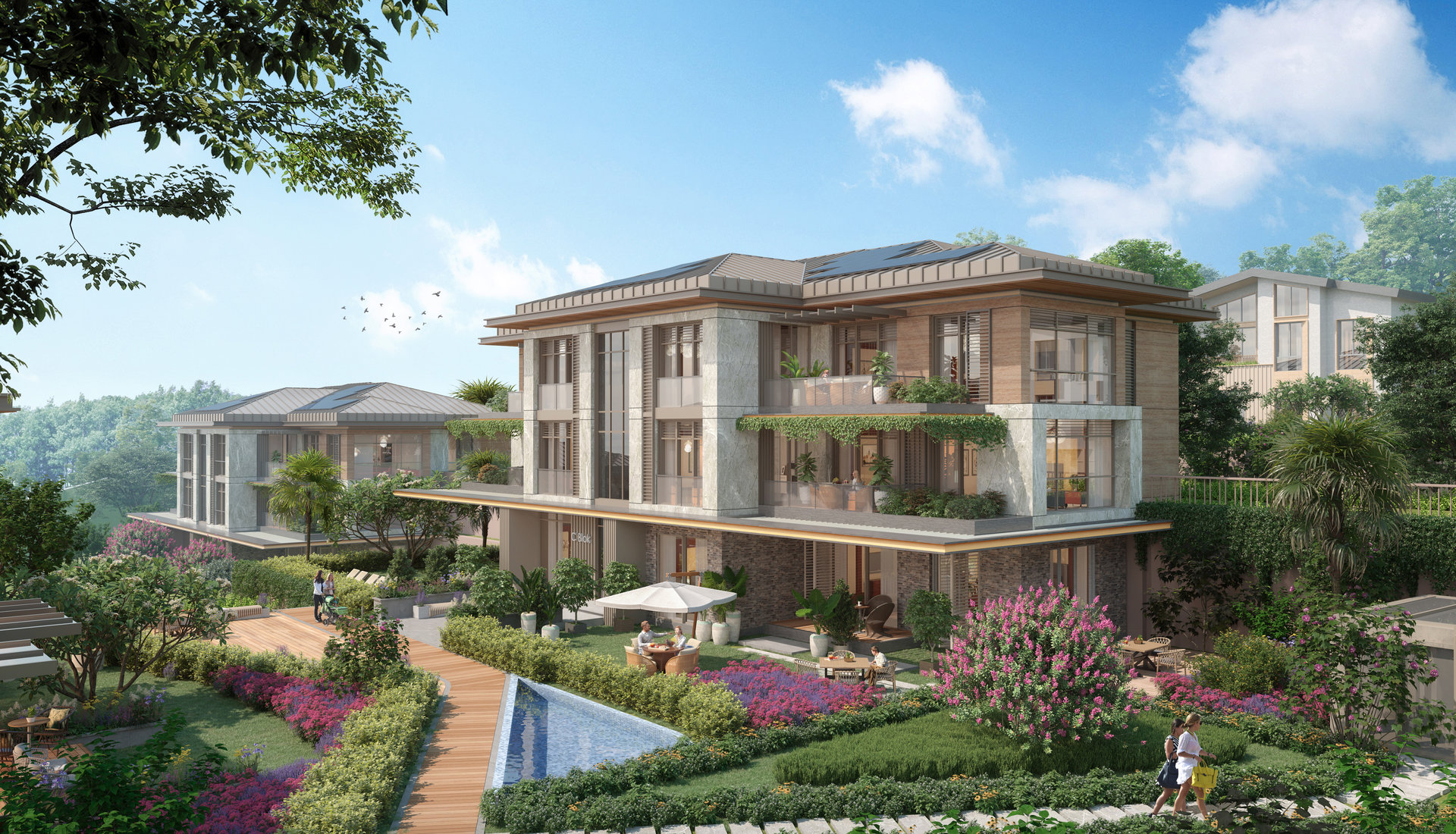
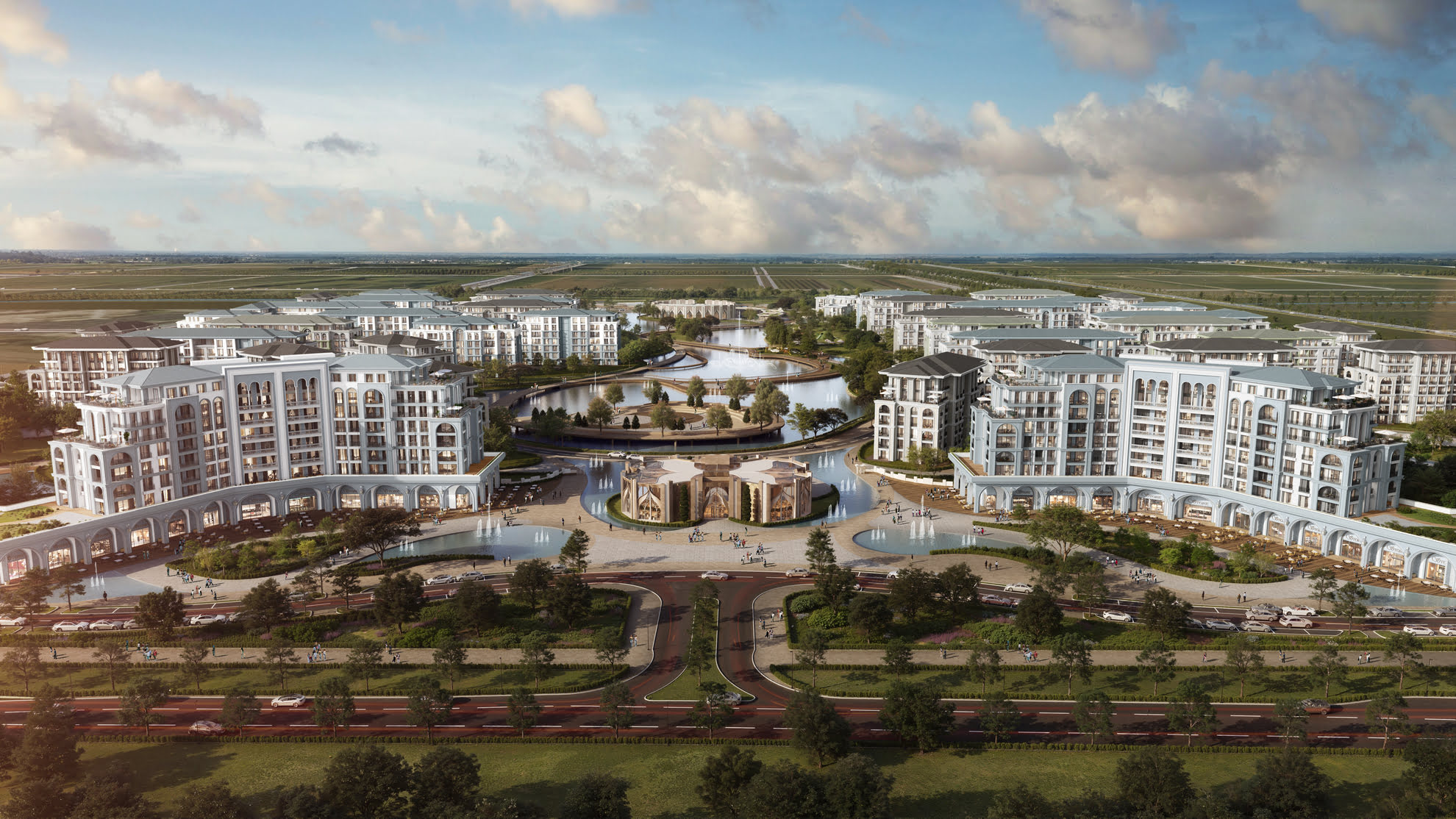
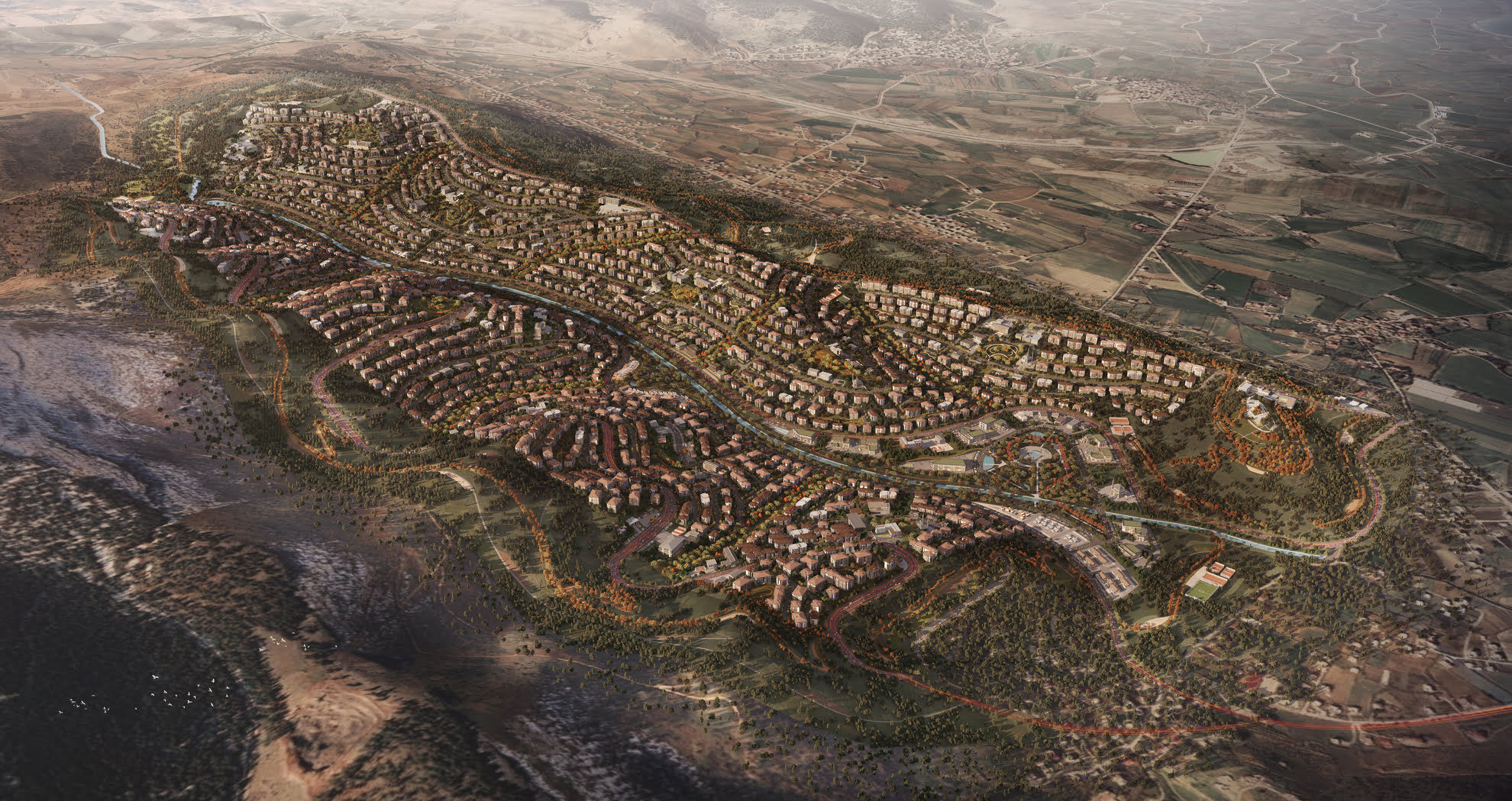
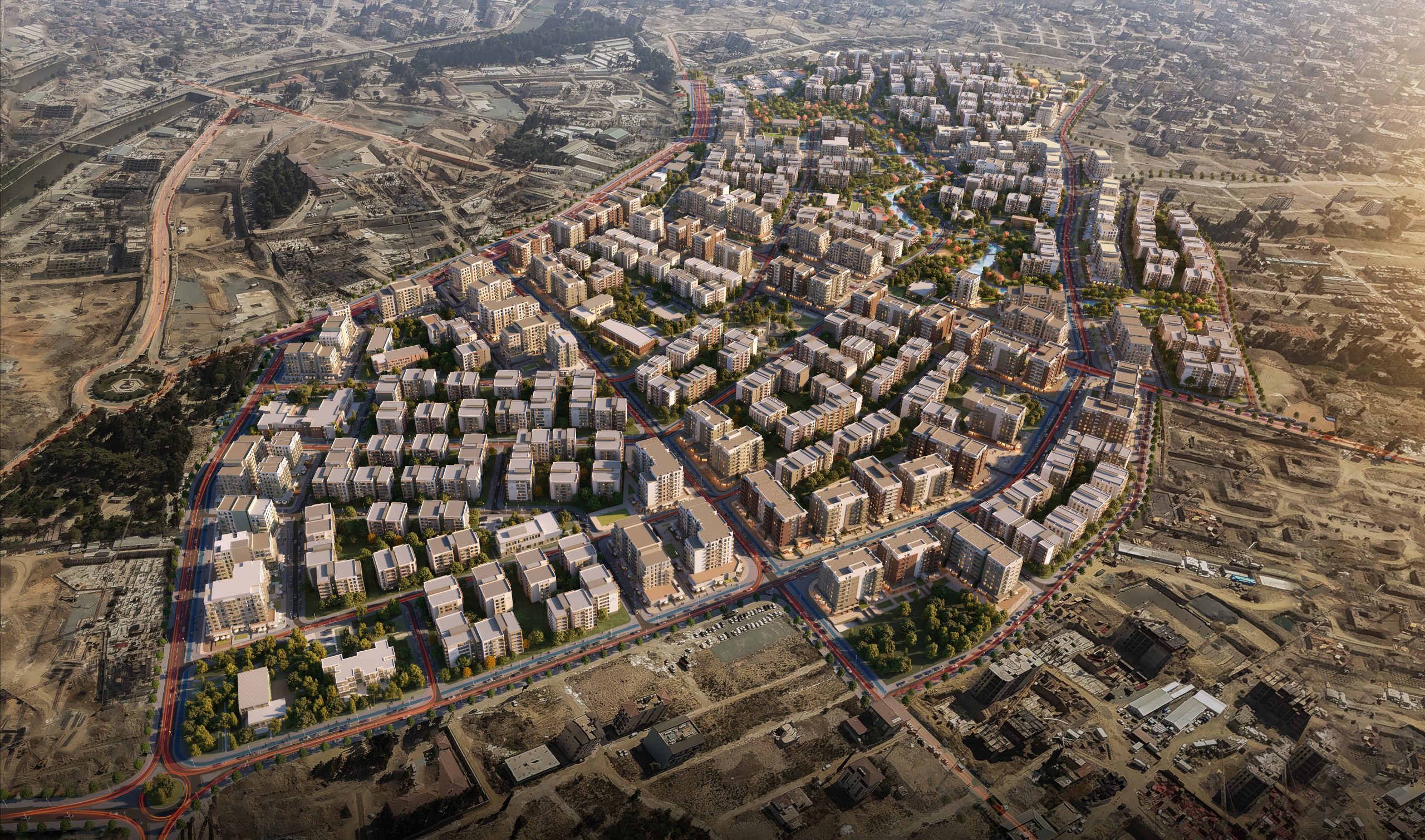
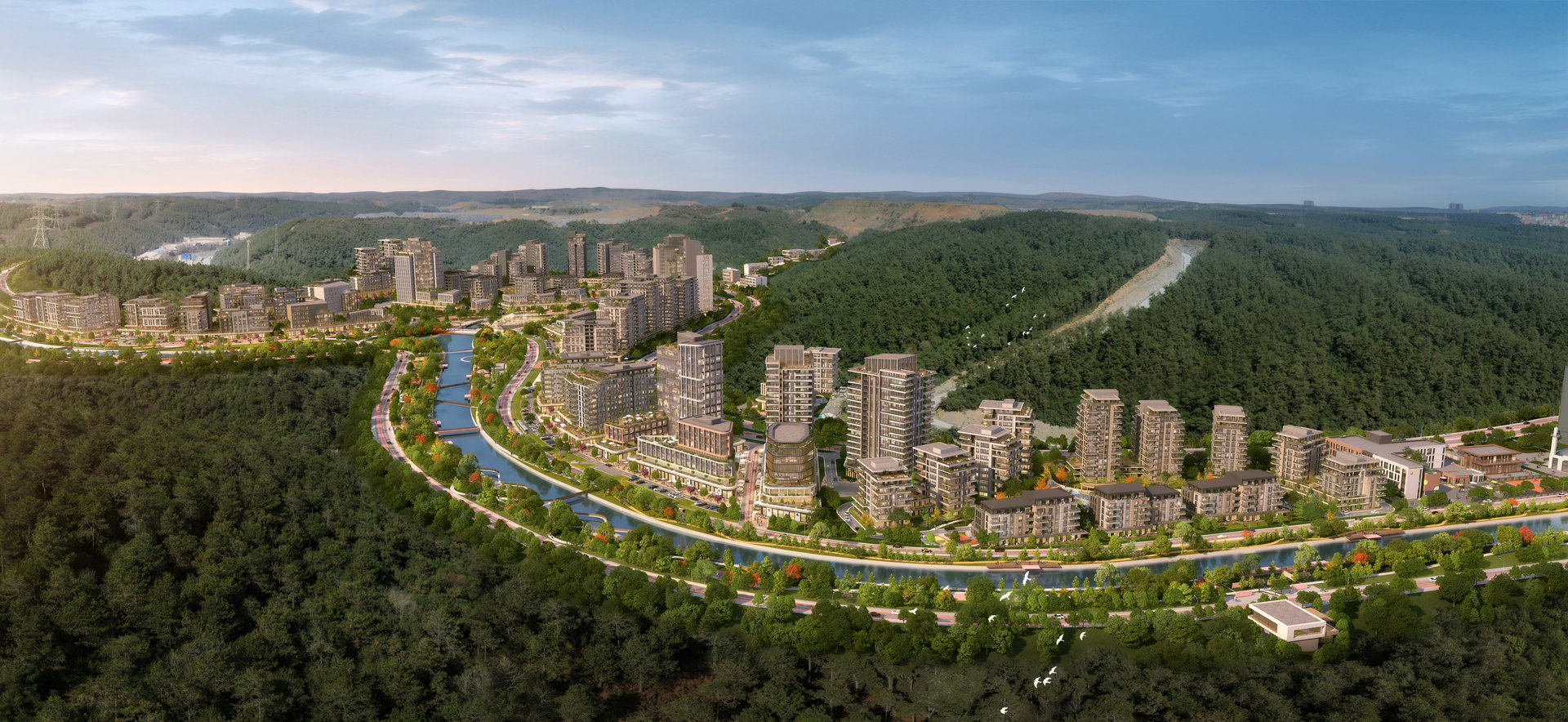
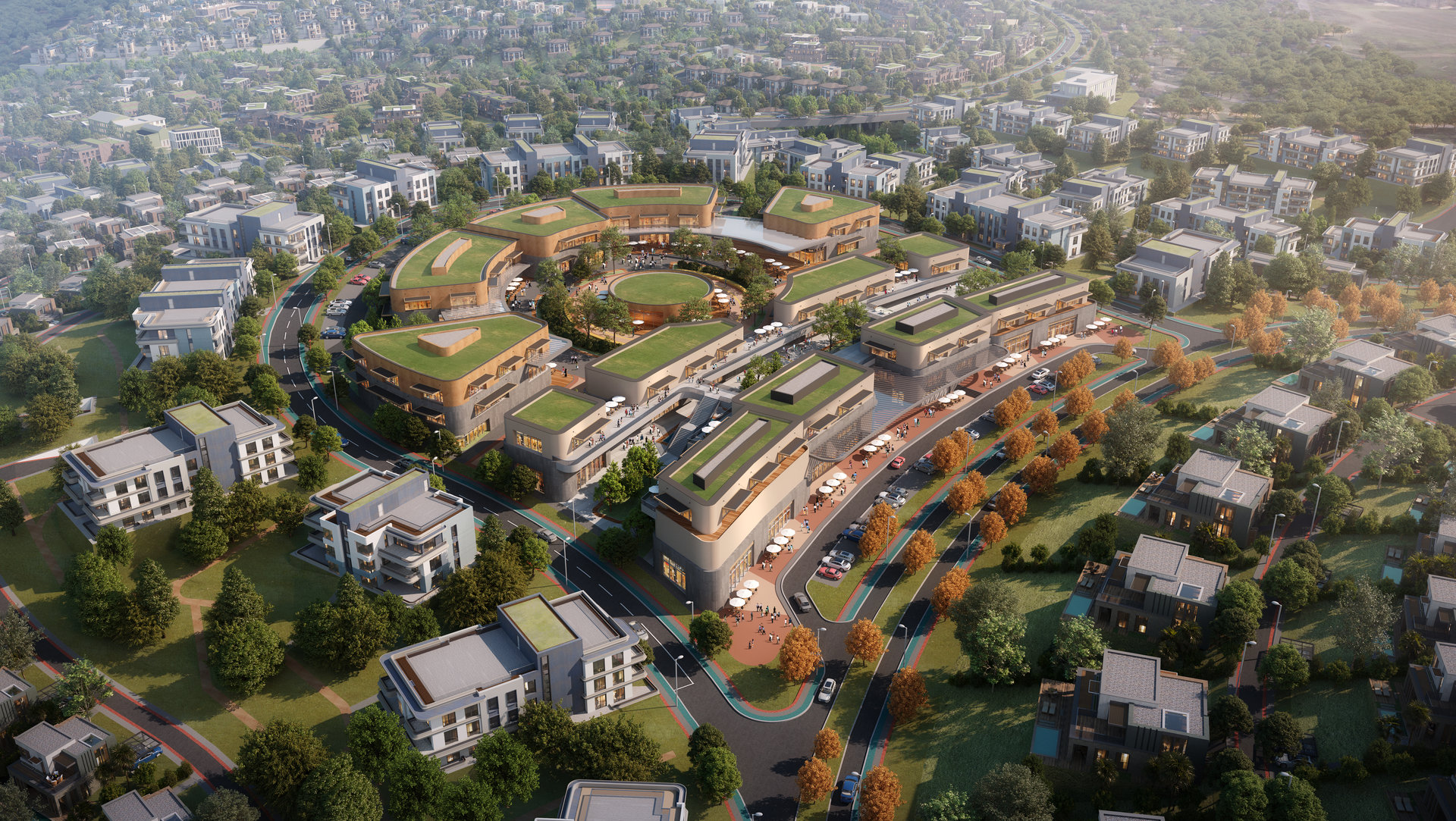
Situated in Istanbul’s Pendik district, the Milpa Masterplan is conceived as a six-phase urban transformation project that integrates a diverse mix of residential typologies, commercial nodes, green infrastructure, and communal amenities. Designed with sustainability at its core, the masterplan proposes a future-ready settlement model that balances ecological, social, and economic imperatives across all scales.
Architecture and Urban Structure
The masterplan follows a stepwise spatial organization, where high and low-rise housing clusters are distributed along pedestrian friendly green corridors. A layered network of circulation routes, public squares, and neighborhood centers establishes a continuous urban rhythm that fosters community interaction. Each phase includes distinct housing typologies, developed through a gradual density approach to ensure spatial diversity and user adaptation.
Ecological Design and Building Systems
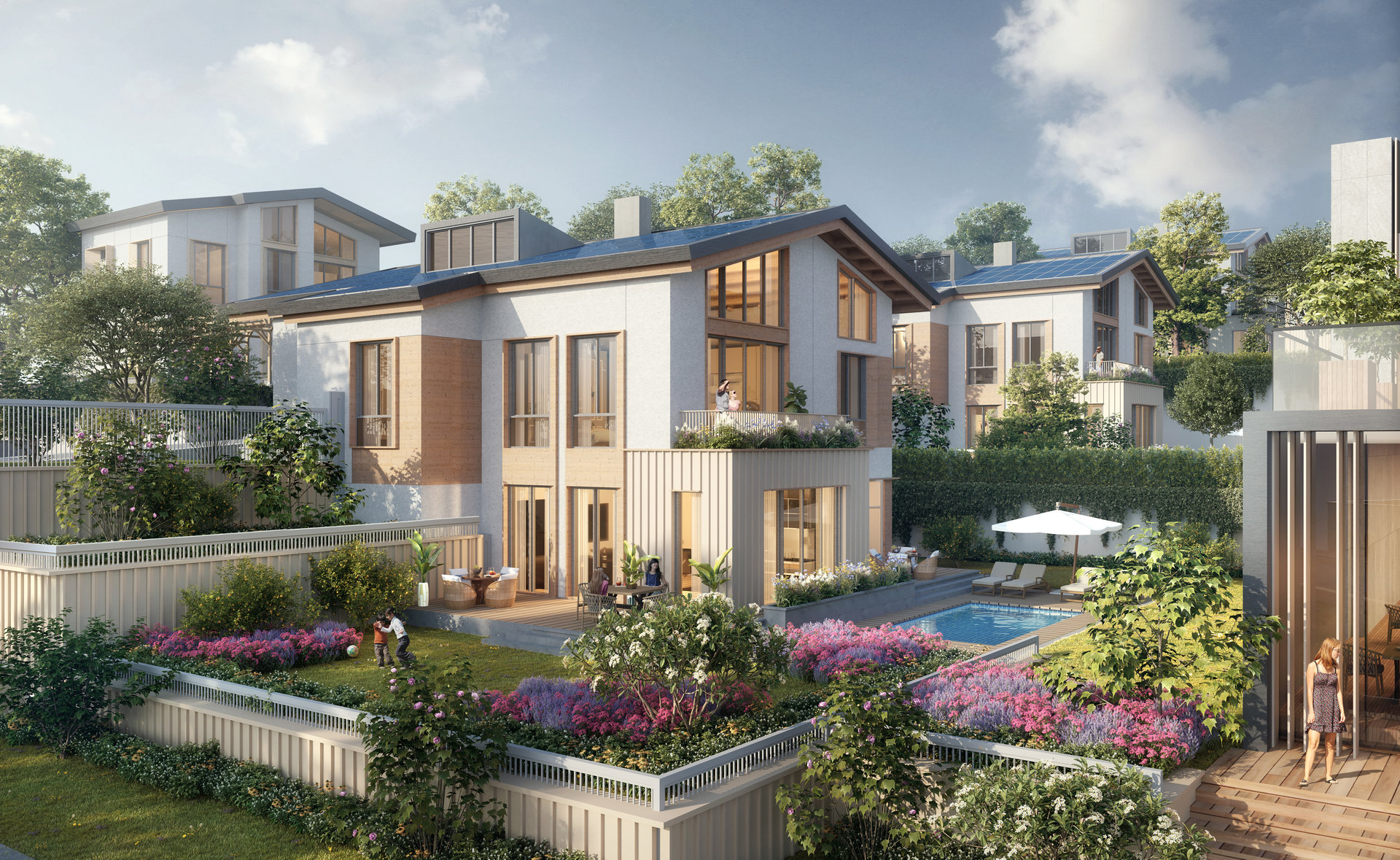
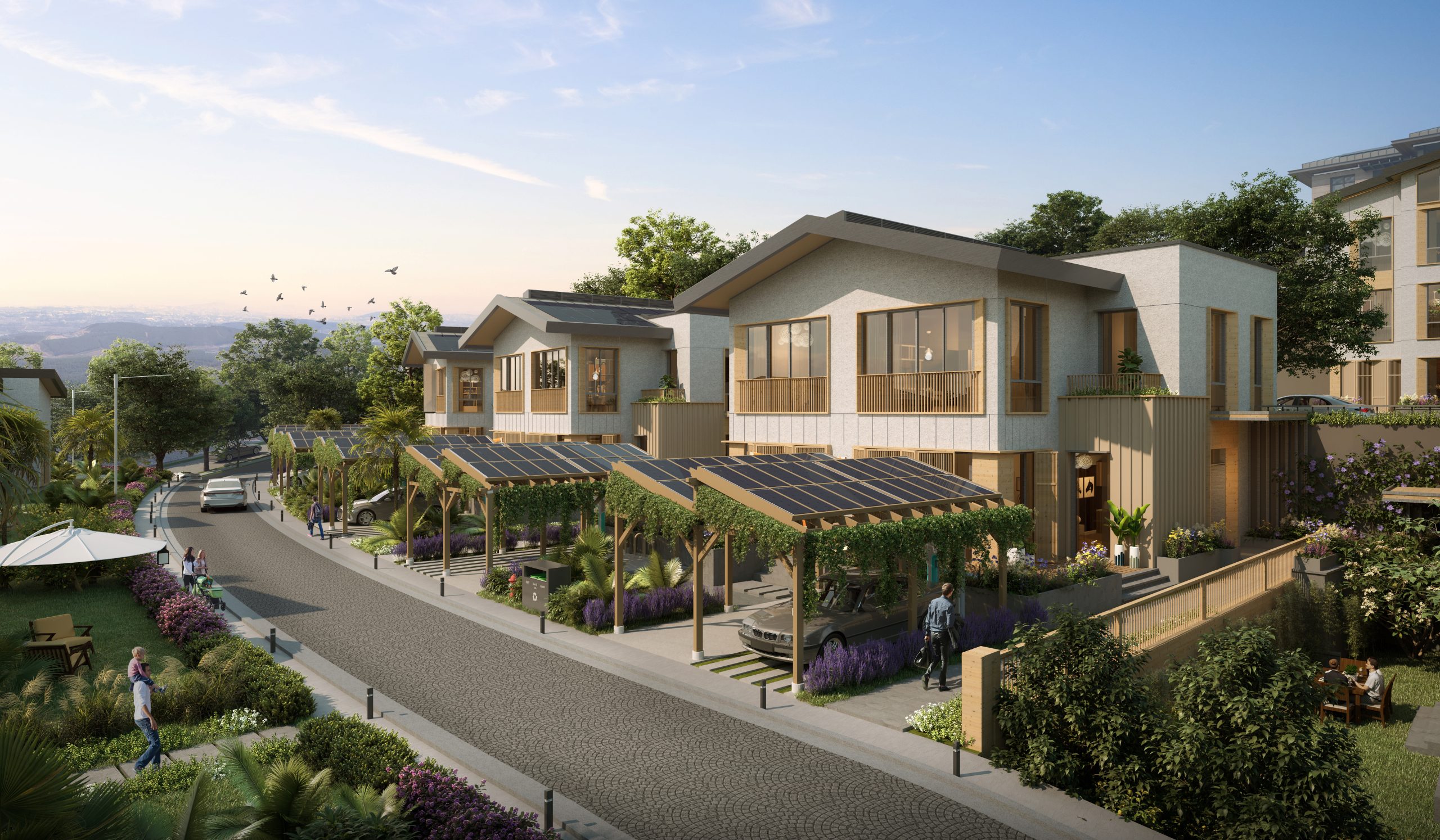
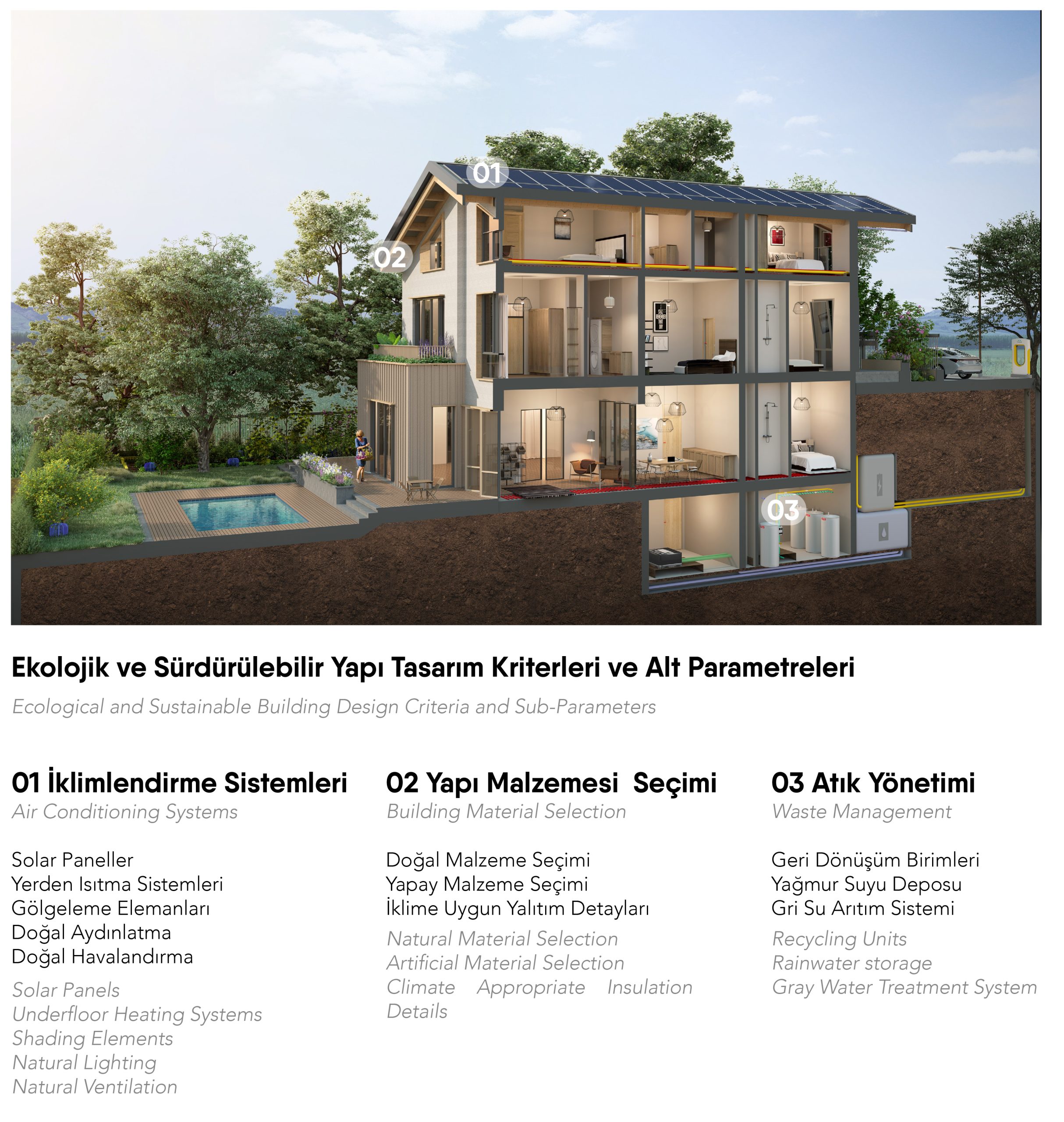
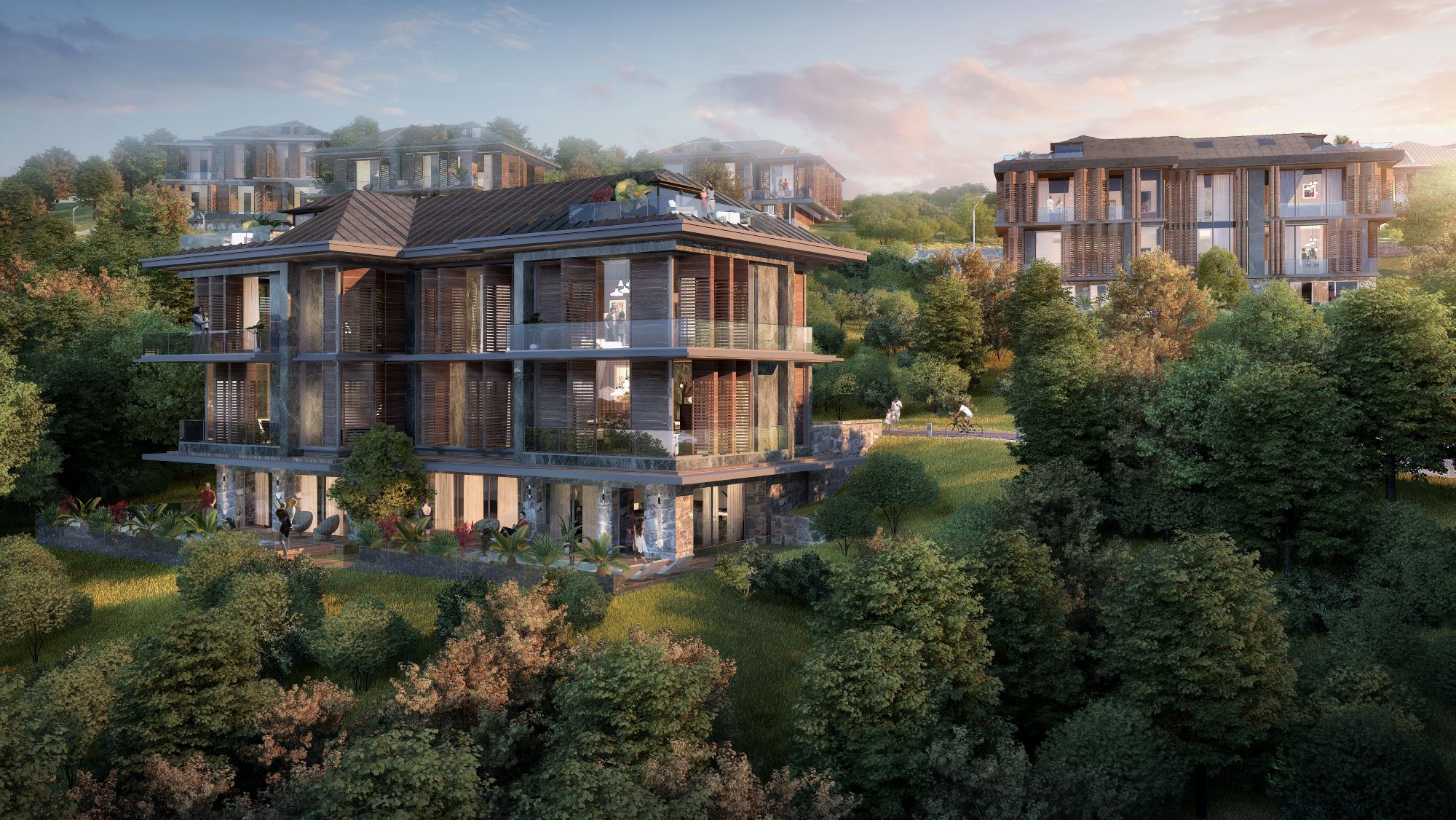
In alignment with sustainable building principles, the residential units are equipped with solar panels positioned based on the site’s geographic coordinates to optimize solar gain. Rooftop photovoltaic systems are installed on both buildings and parking structures. Climatic responsiveness is further enhanced through the use of shading devices, breathable façades, thermally appropriate insulation details, and locally sourced natural materials.
Water-sensitive design plays a vital role in the project. Rainwater harvesting systems, greywater treatment units, and decentralized waste sorting areas are embedded into both individual residences and communal zones. Recycling stations are located throughout the site, facilitating an integrated waste management model.
Urban Agriculture and Landscape Strategy
In response to increasing urban density, the project offers private garden plots where residents can engage in organic farming and local food production. These micro agricultural pockets not only promote self-sufficiency but also strengthen human nature relationships in everyday life.
The landscape design integrates sustainable technologies such as energy-generating walking paths, solar powered lighting poles, and solar-integrated urban furniture. The goal is to support low-impact urban living while enriching the user experience through ecological interaction.
Social Infrastructure and Community Nodes
The masterplan is structured around the notion of “neighborhood culture.” Social anchors including education, retail, leisure, and community hubs are strategically placed across all phases to ensure inclusivity and social integration. Each stage promotes a lifestyle where movement, meeting, and making are seamlessly interconnected.
Milpa Masterplan redefines urban development through an integrated system of architectural resilience, ecological design, and phased adaptability offering a replicable model for Istanbul’s sustainable future.
Gallery