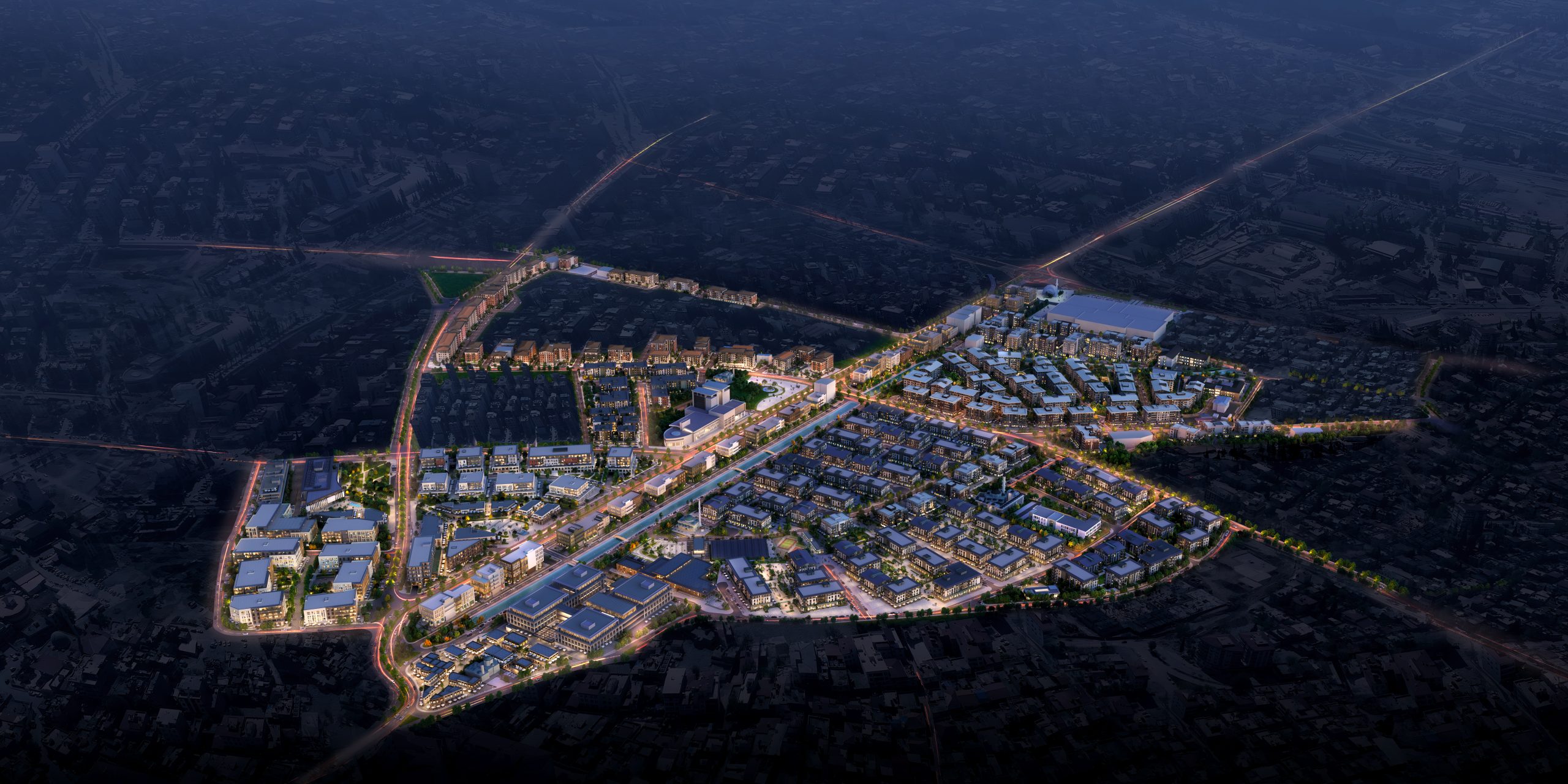
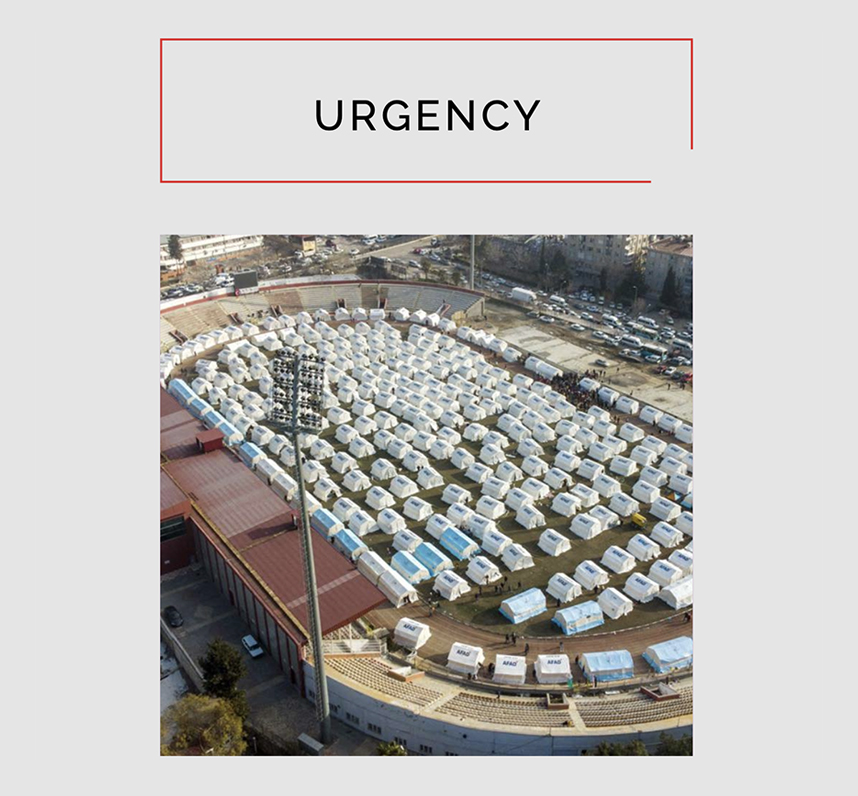
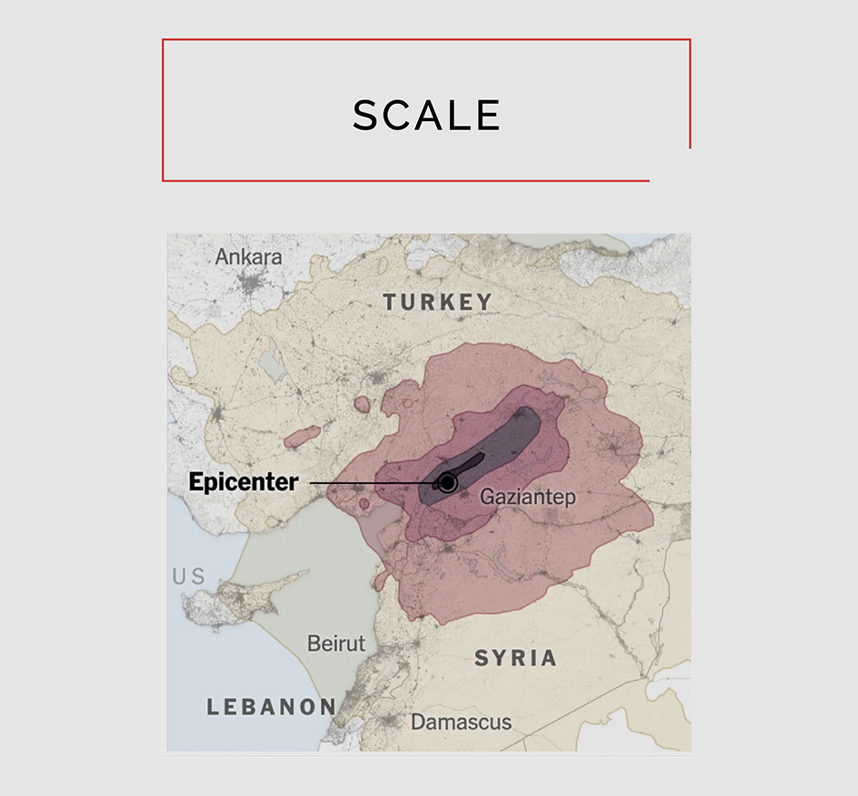
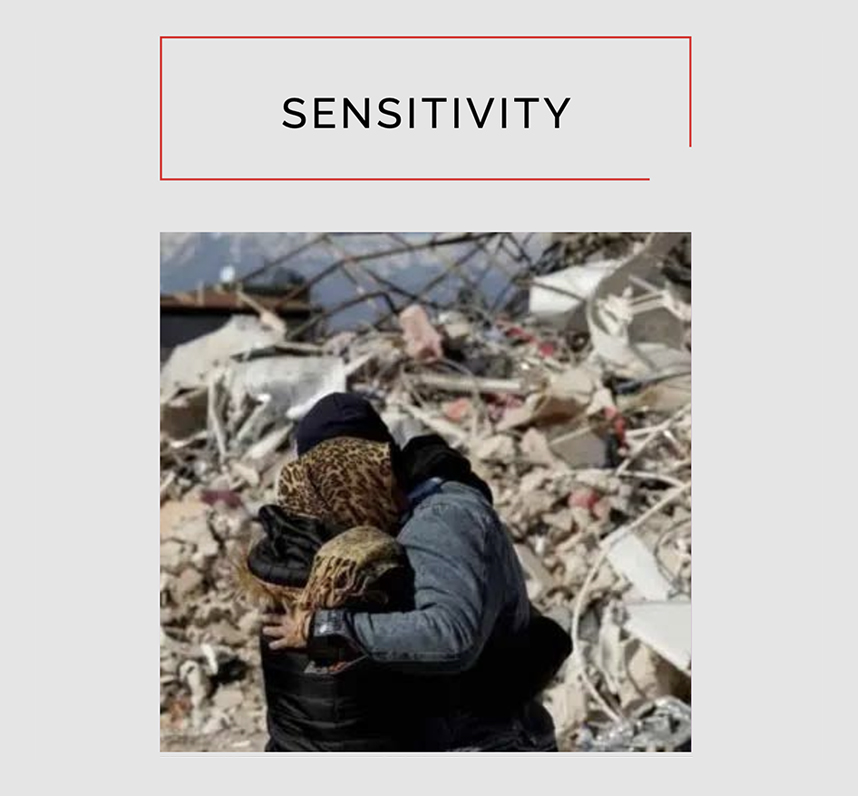
After earthquakes, floods, and conflicts, rebuilding must go beyond mere “disaster housing.” Our goal is to create neighbourhoods people genuinely aspire to live in—affordable, resilient, and dignified—through multidisciplinary planning and fast, high-quality delivery. Projects in disaster zones present unique challenges defined by urgency, sensitivity, and scale. They demand a dynamic, non-linear process in which multiple actors—government, NGOs, community representatives, utilities, academia, international organisations, private sector, and media—must align around a shared vision.
As planners, architects, and integrators of technical, social, and economic agendas, our mission extends from immediate response to lasting impact. While relief efforts focus on temporary shelter, emergency healthcare, and basic utilities, our responsibility is to transform affected areas into thriving, sustainable, and safe communities—shifting from short-term fixes to long-term urban quality. This process includes site reconnaissance, root-cause analysis, staged planning, governance alignment, and design standards that anticipate resilience.
Over the last decade, Türkiye has faced earthquakes in Van, Elazığ, İzmir, Kahramanmaraş, and Hatay; floods in Giresun Dereli and Kastamonu; and urban conflict in Diyarbakır. Each geography requires a tailored approach, yet one truth remains constant: the concept of “disaster housing” is not enough. The true goal is to build cities that people would choose to live in—defined by their quality, accessibility, landscape, and affordability.
Guiding Principles: Delivering Affordable Comfort
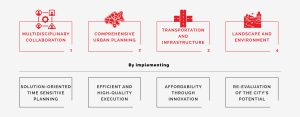
SP Architects adopts a comprehensive framework founded upon eight core principles to ensure both efficiency and quality in post-disaster reconstruction. At its foundation lies multidisciplinary collaboration, uniting architects, urban planners, engineers, sociologists, and policymakers to achieve coherent and well-coordinated outcomes. A solution-oriented and time-sensitive approach enables the development of adaptive strategies that respond effectively to urgent conditions. Through comprehensive urban planning, the firm addresses scales ranging from regional strategies to parcel-level interventions, promoting sustainable and resilient urban growth. Efficient and high-quality execution ensures the seamless translation of design intent into tangible results through rigorous management and technical precision. The integration of mobility and infrastructure systems enhances connectivity, accessibility, and overall urban functionality. Affordability through innovation is realized by employing modular construction methods, prefabricated systems, and cost-effective phasing strategies that maintain design integrity. Landscape and environmental systems are embedded within each project, introducing natural resilience through green networks, drainage solutions, and climate-responsive design. Finally, the re-evaluation of urban potential redefines each district’s economic, social, and cultural character, fostering communities that are not only rebuilt—but revitalized for the future.
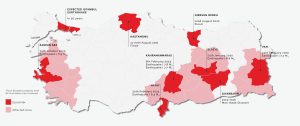
NOBODY WANTS TO START A NEW LIFE IN THE SO-CALLED
“DISASTER HOUSING”
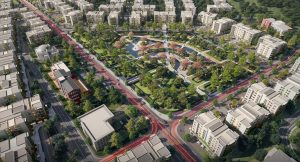
Every affected area requires a unique approach. However, one principle remains constant: The term “disaster housing” is no longer sufficient.
Our goal must be creating neighborhoods that people aspire to live in.
AFFORDABLE COMFORT AS A CORE PRINCIPLE
To deliver affordable comfort in post-disaster urban districts, we must apply a holistic, multidisciplinary approach that ensures both speed and quality without compromising on the overall living experience.
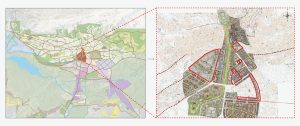
Case Study 1 — Earthquake × Modern City Centre
Location: Kahramanmaraş
Disaster Date: 6 February 2023
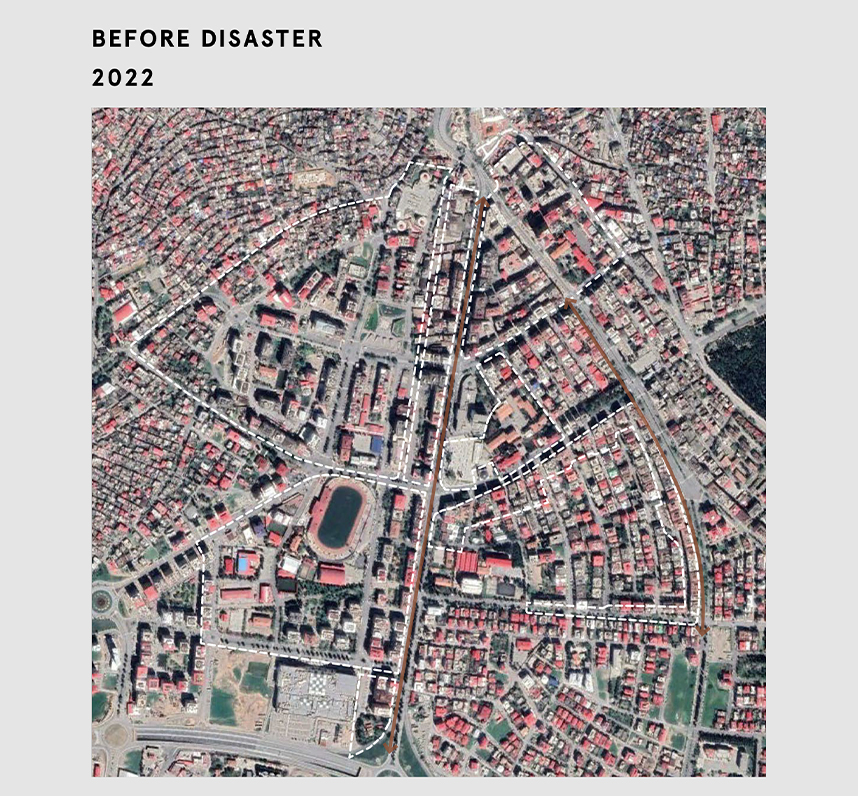
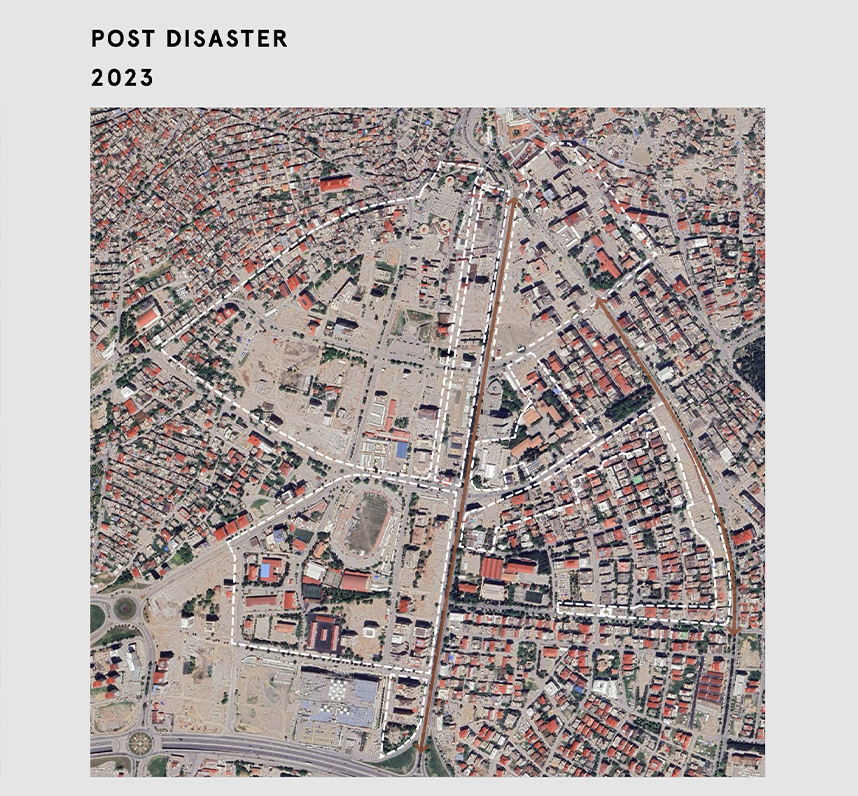
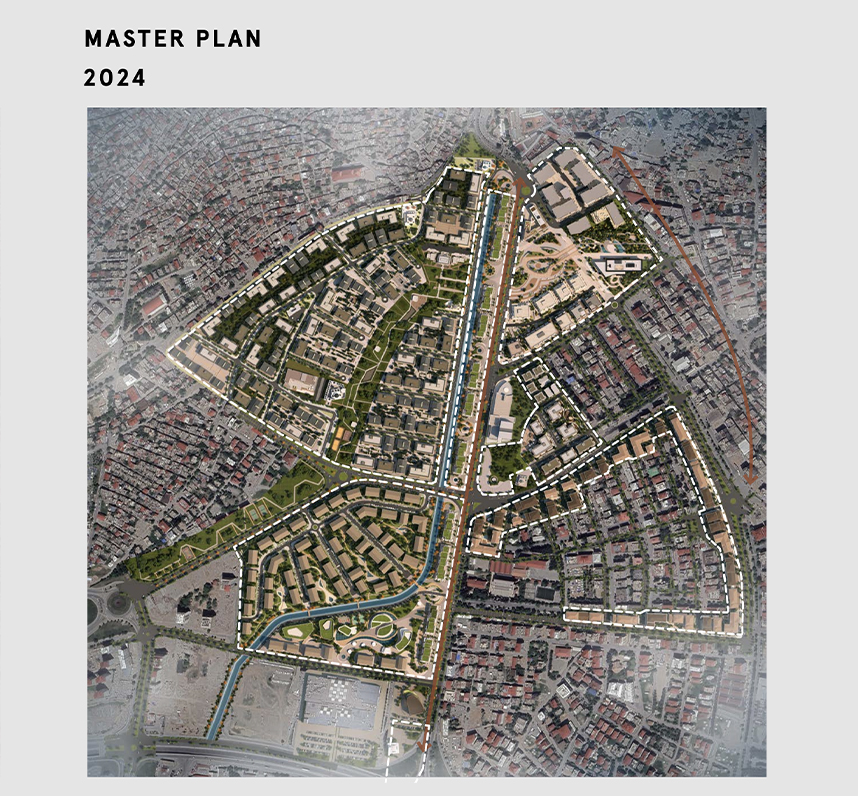
Following the earthquakes of 6 February 2023, SP Architects mobilized within a month to initiate the recovery process in Kahramanmaraş. Considering the existing challenges and the past planning mistakes in the area, a fast yet systematic decision-making approach was adopted. To ensure a comprehensive and informed process, a multidisciplinary committee was established—comprising architects, engineers, urban planners, archaeologists, and sociologists—with the support of universities and non-governmental organizations. The team conducted extensive on-site research and analyses, developing an integrated urban strategy within three months.
As part of the planning process, the reactivation of previously enclosed stream corridors—one of the key factors that had intensified the destruction—was prioritized to restore the city’s natural systems. Additionally, “hybrid corridors” were introduced, integrating ecological networks, green infrastructure, and mobility systems to strengthen the city’s environmental and social resilience. Within a year, significant construction progress demonstrated the effectiveness of this coordinated, research-based, and adaptive recovery process.
“Our focus was on learning from past deficiencies to offer resilient, forward‑thinking planning solutions.”
Case Study 2 — Man‑Made Disaster × Historical Walled City
Location: Diyarbakır
Disaster Period: 2015–2016
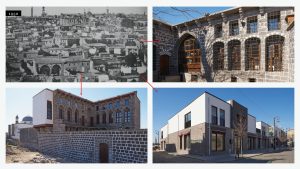
The Diyarbakır Suriçi district, a UNESCO World Heritage Site, suffered severe damage during the 2015–2016 conflicts. Rather than restoring it to its pre-conflict state, SP Architects aimed to revive its historical character while integrating contemporary urban life. Working closely with conservation experts, the team conducted comprehensive fieldwork, surveys, restitution, and restoration studies, compiling extensive institutional archives. The resulting methodology was published as a technical guide distributed to universities and authorities to support heritage-sensitive recovery. Through this approach—faithful to the 1950 master plan’s urban logic—the project advanced a phased restoration and new construction process, creating a strengthened and interpretable historic core for the future.
“Transforming destruction into a historic revival.”
Case Study 3 — Flood × Traditional Town
Location: Kastamonu (Bozkurt)
Disaster Date: August 2021
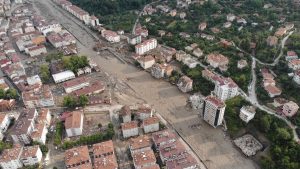
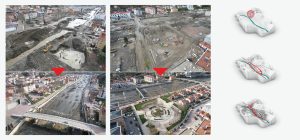
After the catastrophic flood caused by the overflowing Ezine River, SP Architects launched recovery efforts in Bozkurt, Kastamonu. Comprehensive hydrological and topographic analyses guided the redefinition of safe development zones and informed a resilient urban layout. The revised plan prioritized safety, accessibility, and the preservation of the town’s traditional fabric, focusing on re-establishing a functional town square and redesigning streets to withstand future floods. Within a year, a safer, flood-informed urban structure was achieved, integrating resilience measures seamlessly into the local context.
Closing the Gap: From Ideals to Implementation
Despite well‑intentioned sustainability goals, many post‑disaster projects face setbacks during implementation due to cost, time, or administrative barriers. SP Architects emphasizes maintaining balance between immediate human needs (speed, affordability) and long‑term performance (energy efficiency, environmental care, smart systems).
Call to Action
What challenges are you facing?
Our experience across Türkiye—from Kahramanmaraş to Hatay—demonstrates that resilient, affordable, and high‑quality recovery is achievable when design leads the process. Let’s shape the future of post‑disaster urban districts together.