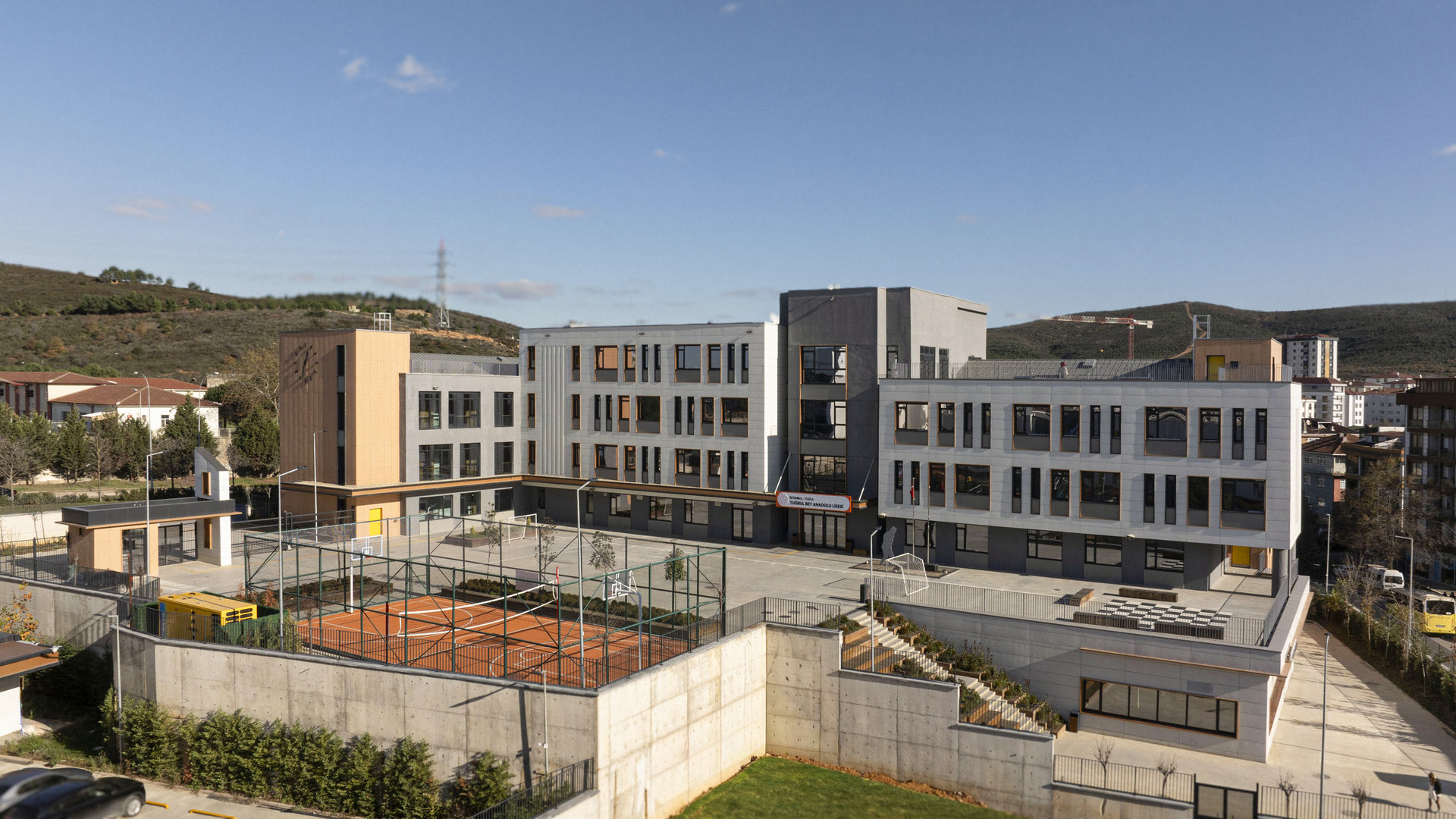
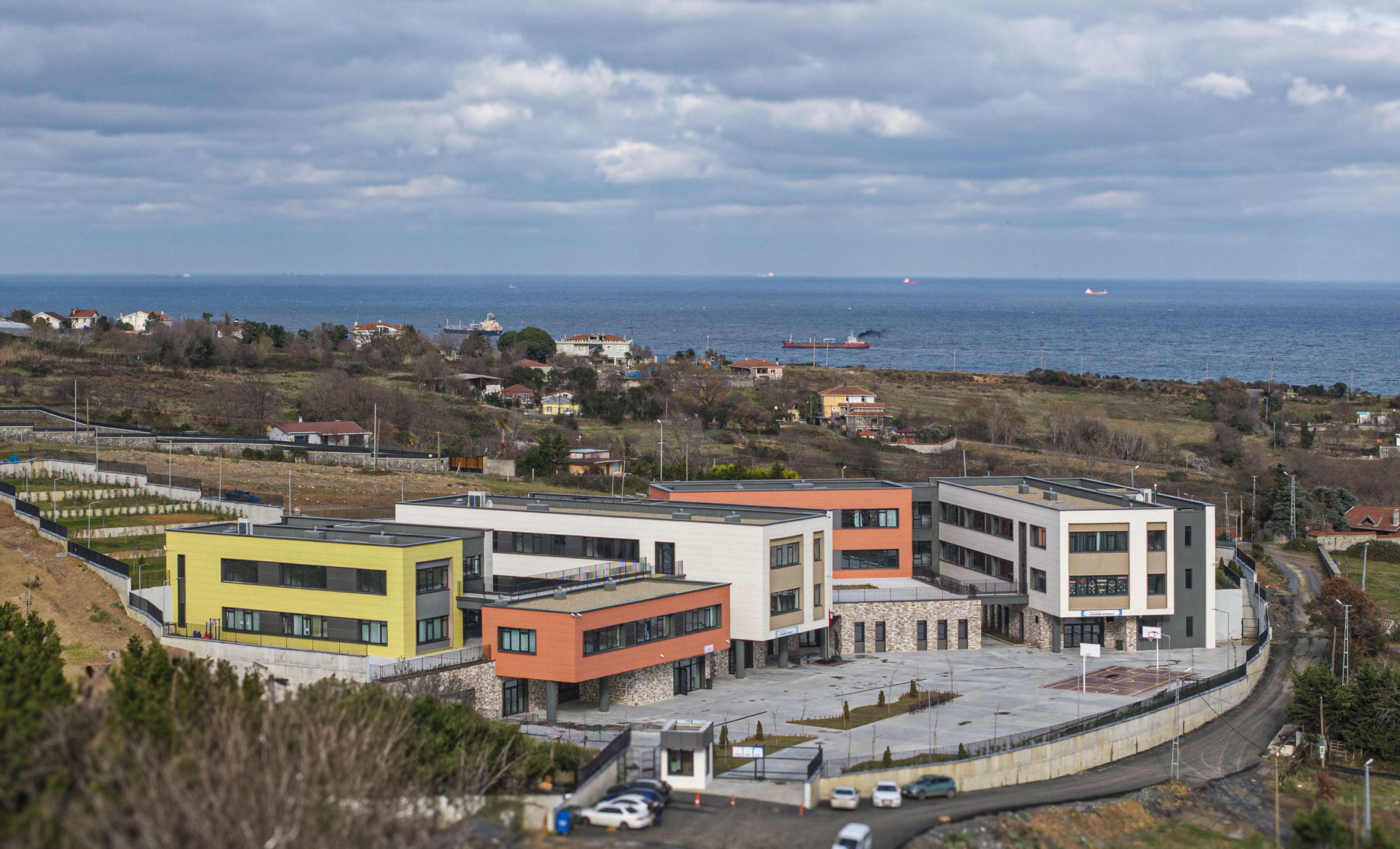
Within the framework of the Istanbul Seismic Risk Mitigation and Emergency Preparedness Project (ISMEP), conducted by the Istanbul Project Coordination Unit (IPCU), a comprehensive architectural initiative has been developed for the reconstruction of 65 educational buildings across Istanbul.
The project focuses on designing safe, resilient, and future-oriented schools that respond to the evolving needs of education, while integrating sustainability, accessibility, and community engagement principles into every stage of the design process.

Schools of the Future: Adapting to Evolving Needs
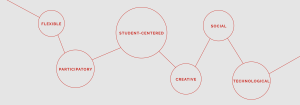
The future of education unfolds within flexible, adaptive spaces. A child starting preschool in 2025 will reach university age in 2045 — a perspective that underscores the need for dynamic, future-ready learning environments. SP Architects’ design approach embraces student-centered, participatory, and creative models supported by technology, where physical, mental, and social development coexist in balance.
Safe, Resilient, and Regulation-Compliant Educational Environments
In a city like Istanbul, seismic safety is not an option but a responsibility. Each school was designed in strict accordance with national and international standards, including the Turkish Earthquake Regulation (TDY 2018), Energy Performance of Buildings Regulation, and Accessibility Regulation. Through reinforced structural systems, fire protection measures, and occupational health standards, the schools ensure safety, resilience, and comfort for students and educators alike.

Additional safety measures such as higher window guards and stair protection nets were implemented beyond regulatory requirements.
Every School Carries Its Own Spatial Identity
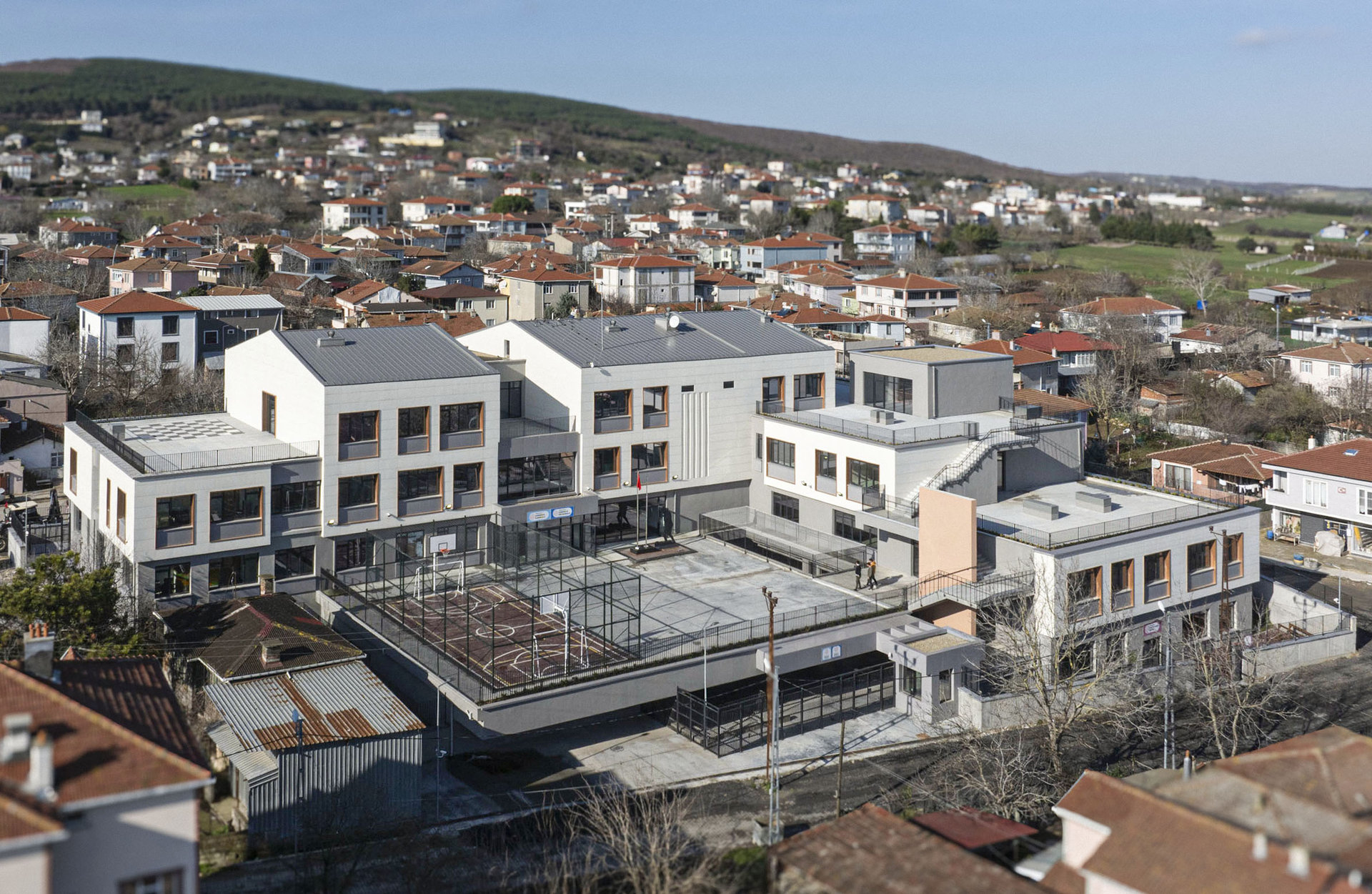
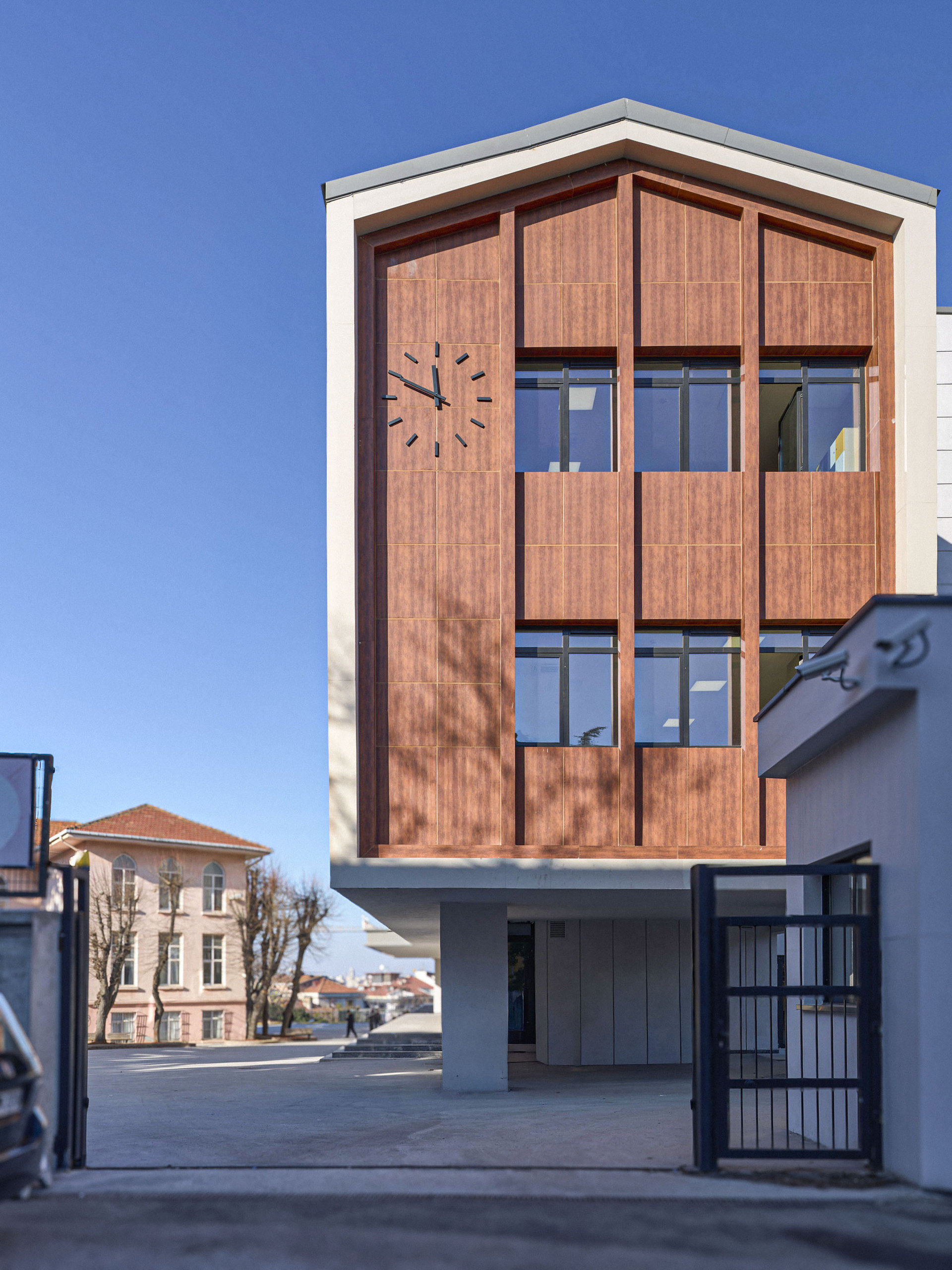
Educational buildings are more than learning spaces — they are microcosms of social and cultural life. Each project was developed with sensitivity to topography, urban context, programmatic integration, and human scale.
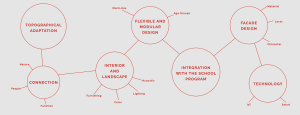
Design Themes:
- Topographical Adaptation
- Integration with Educational Program
- Flexible and Modular Design
- Facade and Landscape Integration
- Smart and Local Material Choices
Site layouts were optimized to preserve open spaces for students within dense urban conditions, ensuring optimal sunlight, ventilation, and accessibility. Classrooms were oriented southward, and circulation areas were designed to encourage social interaction.
Designing for Function, Focus, and Well-Being
Social Schools: The Heart of the Community
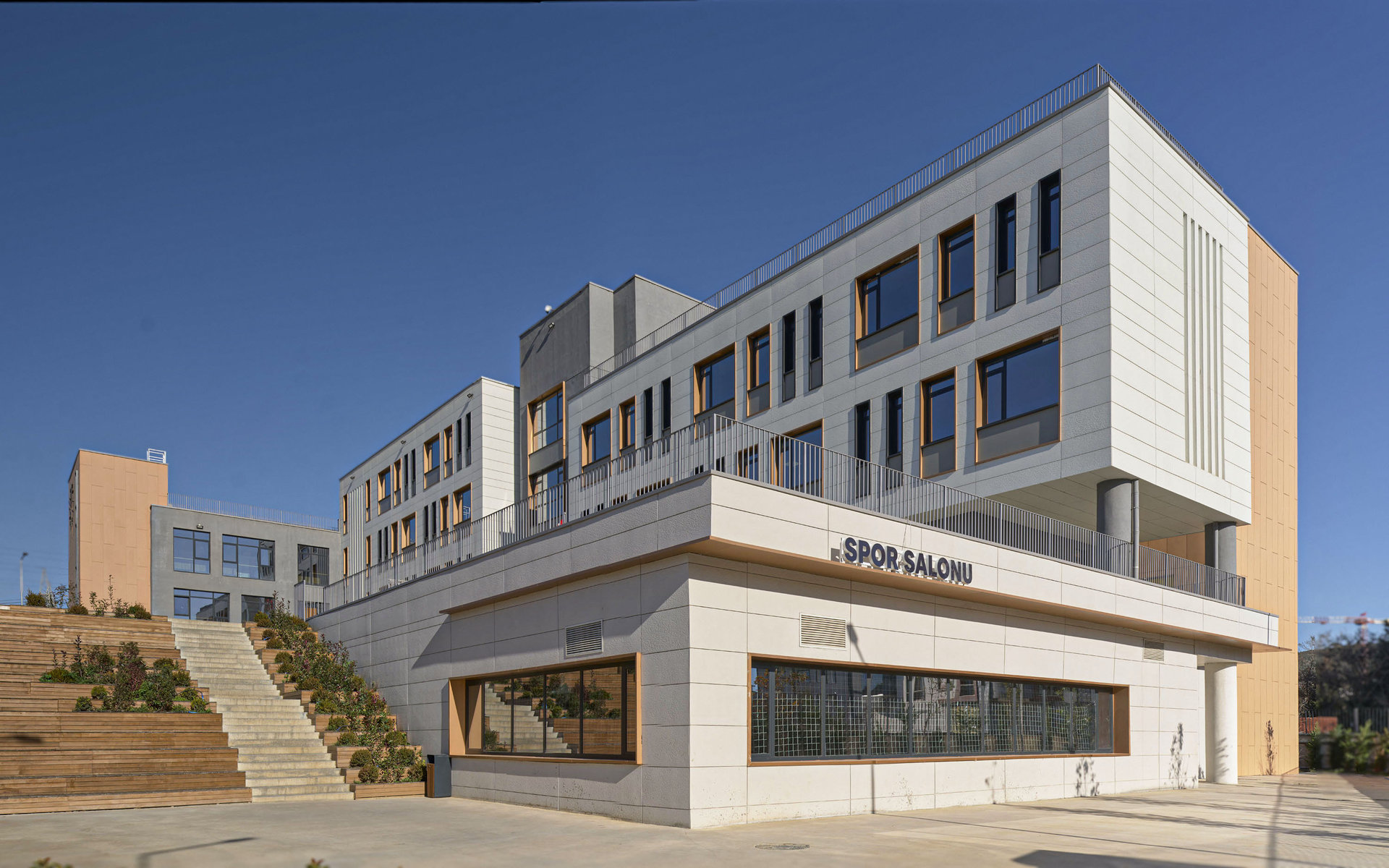
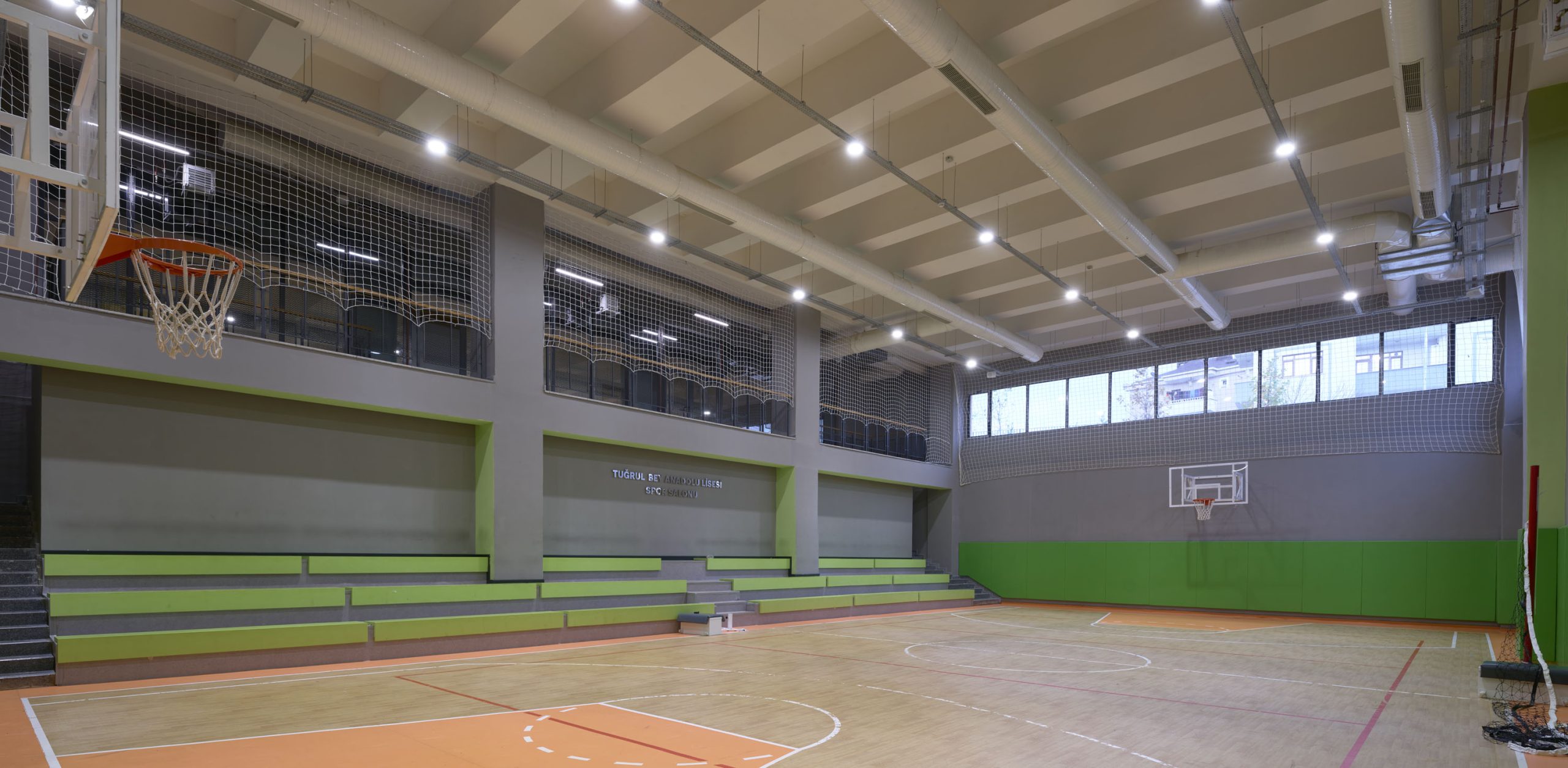
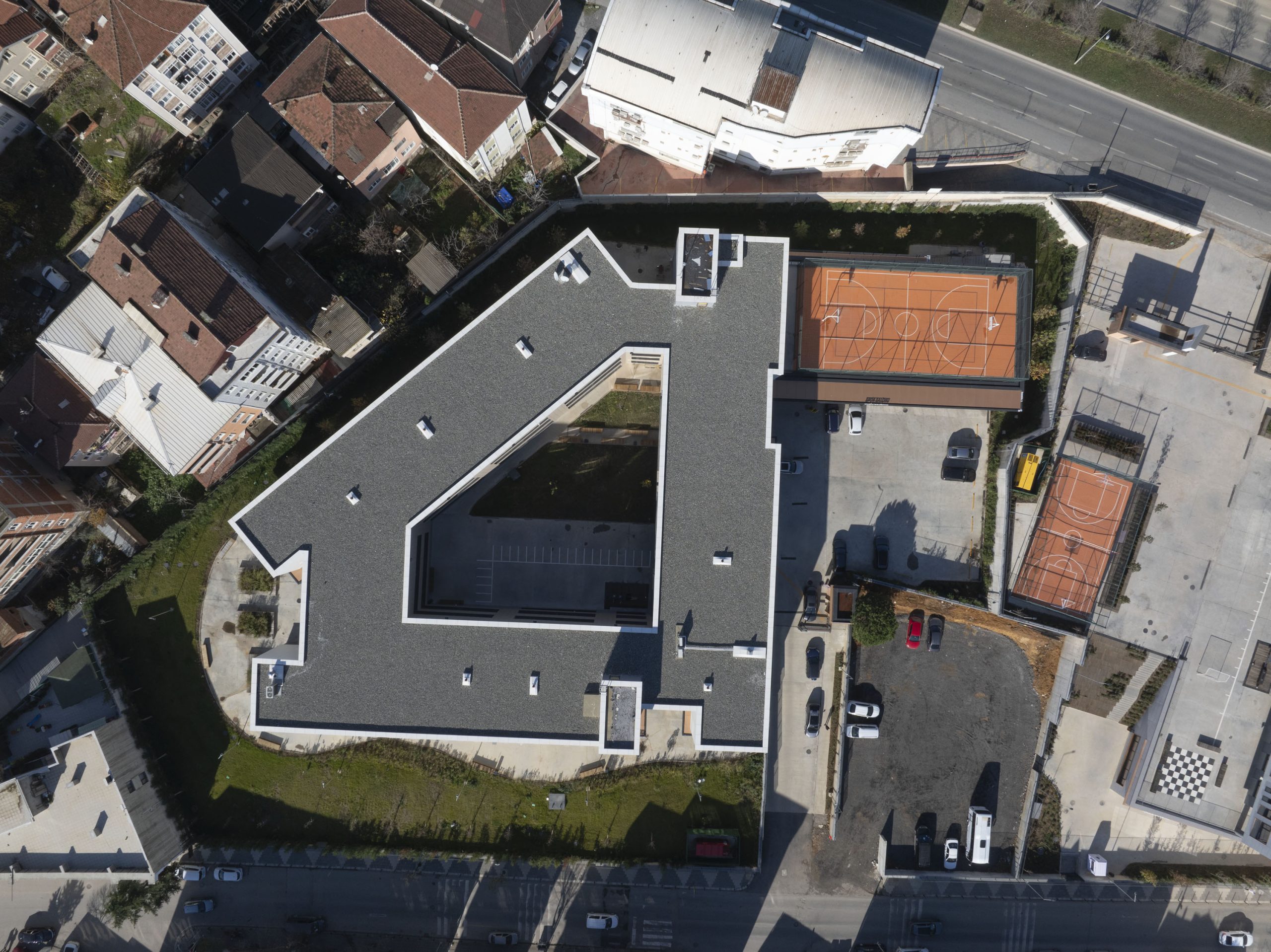
These schools are designed as social anchors within their neighborhoods — environments where education, community, and recreation intersect. Featuring indoor sports halls, open-air fields, and multipurpose social spaces, they invite both students and residents to gather, play, and engage.
Statistics:
- 34 schools with indoor sports halls
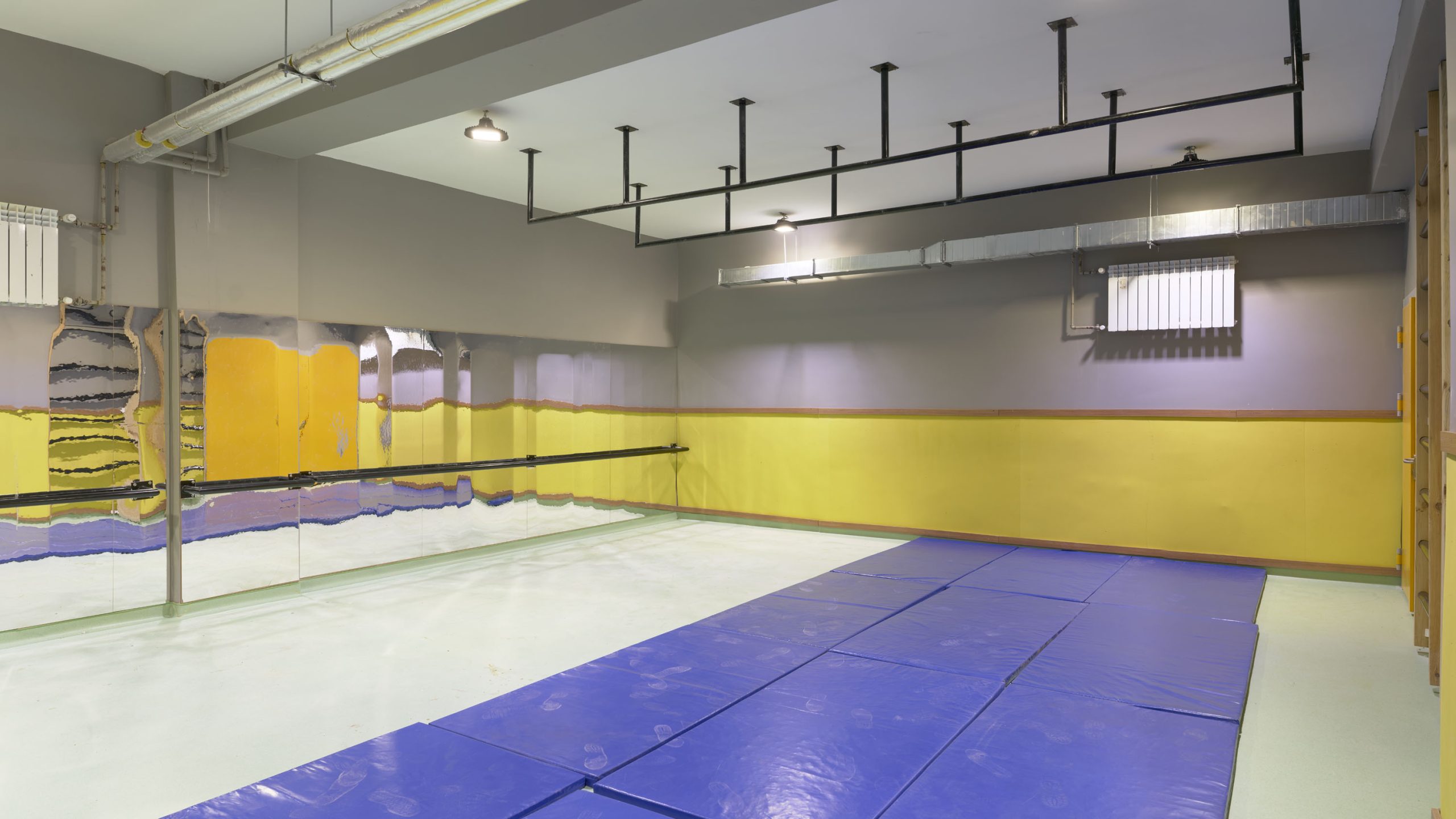
- 31 schools with sports workshops
- Nearly all schools with outdoor sports areas
Through this approach, each campus becomes more than a school — it becomes the heart of its community.
Eco-Conscious, Inclusive Educational Spaces for All
Sustainability extends beyond materials to encompass longevity, efficiency, and universal access. Designed in line with TS825 Class B energy efficiency standards, the schools embody a holistic approach that integrates natural lighting and ventilation, energy-efficient systems, rainwater harvesting, and the use of durable, low-impact materials. Every element — from mechanical design to accessibility features such as ramps, elevators, and tactile surfaces — contributes to an inclusive, environmentally conscious architecture that promotes comfort, reduces energy consumption, and ensures a resilient, future-ready educational environment.
A New Educational Landscape for Istanbul
The reconstruction of 65 schools under ISMEP is not only a technical achievement but also a social investment in Istanbul’s future. By combining safety, sustainability, and spatial innovation, these educational buildings stand as living examples of resilient urban design that nurtures both people and place.
Autonomous and Self-Sufficient Architecture for a Resilient Future
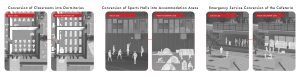
In a rapidly changing world defined by environmental challenges, population growth, and increasing disaster risks, the resilience of the built environment has become a fundamental responsibility. Autonomous and self-sufficient structures represent a forward-looking response to this global demand. Designed to maintain functionality under all conditions, they integrate renewable energy production, independent water and waste management systems, and adaptable modular components to ensure continuity of life during emergencies.
These structures minimize dependency on external infrastructure, generating their own resources and supporting critical community functions when conventional systems fail. By combining sustainable technologies with smart management strategies, they can provide energy, water, food, communication, and safety even in isolation. This new architectural paradigm not only mitigates the impacts of crises but also redefines the idea of sustainability—transforming buildings into active, living systems that contribute to social and environmental resilience.
Moving beyond temporary disaster solutions, autonomous architecture envisions cities that can endure, adapt, and regenerate — creating a future where every structure becomes part of a larger, self-supporting network that sustains both people and the planet.