A Vision for Revival
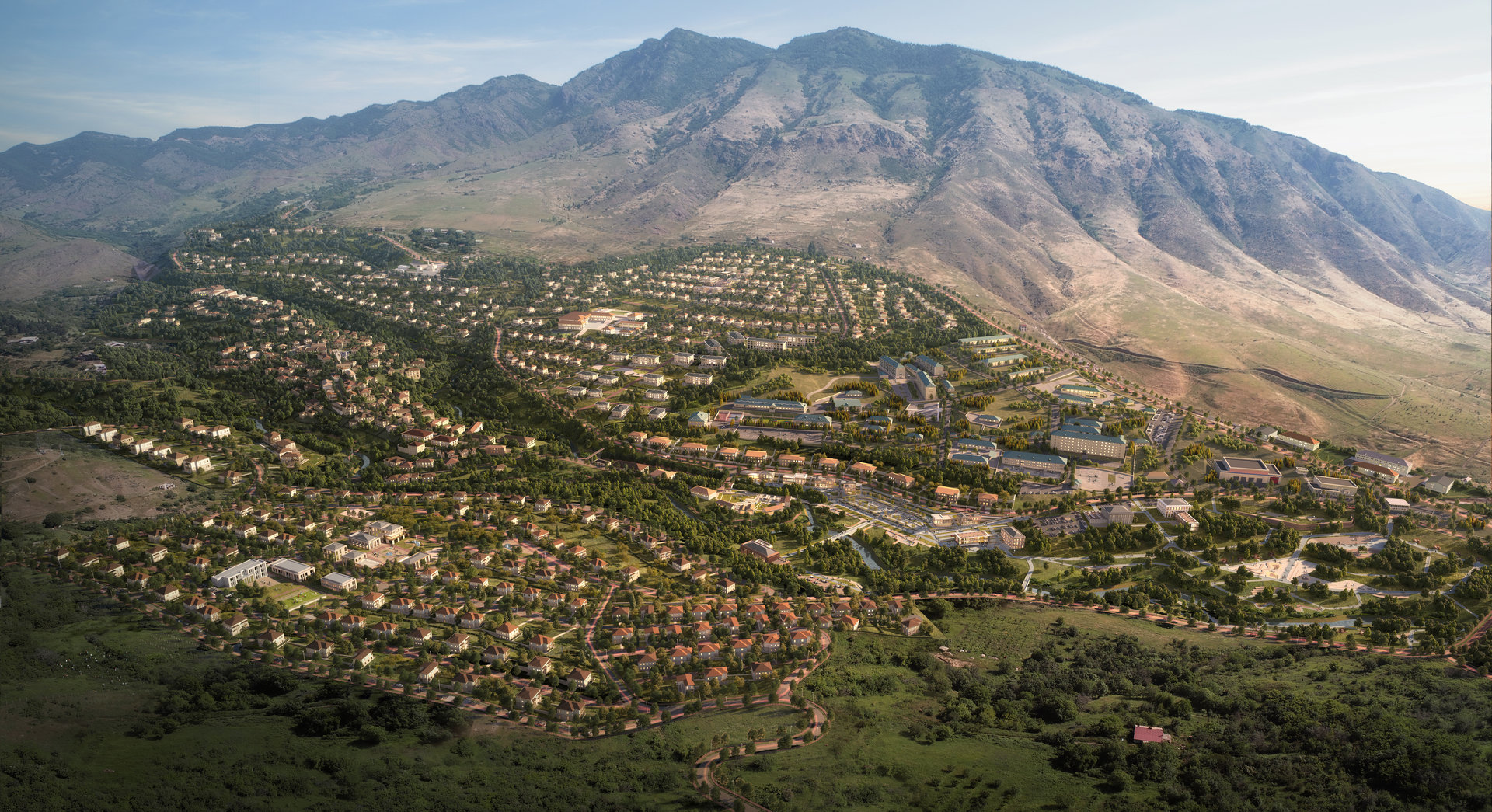
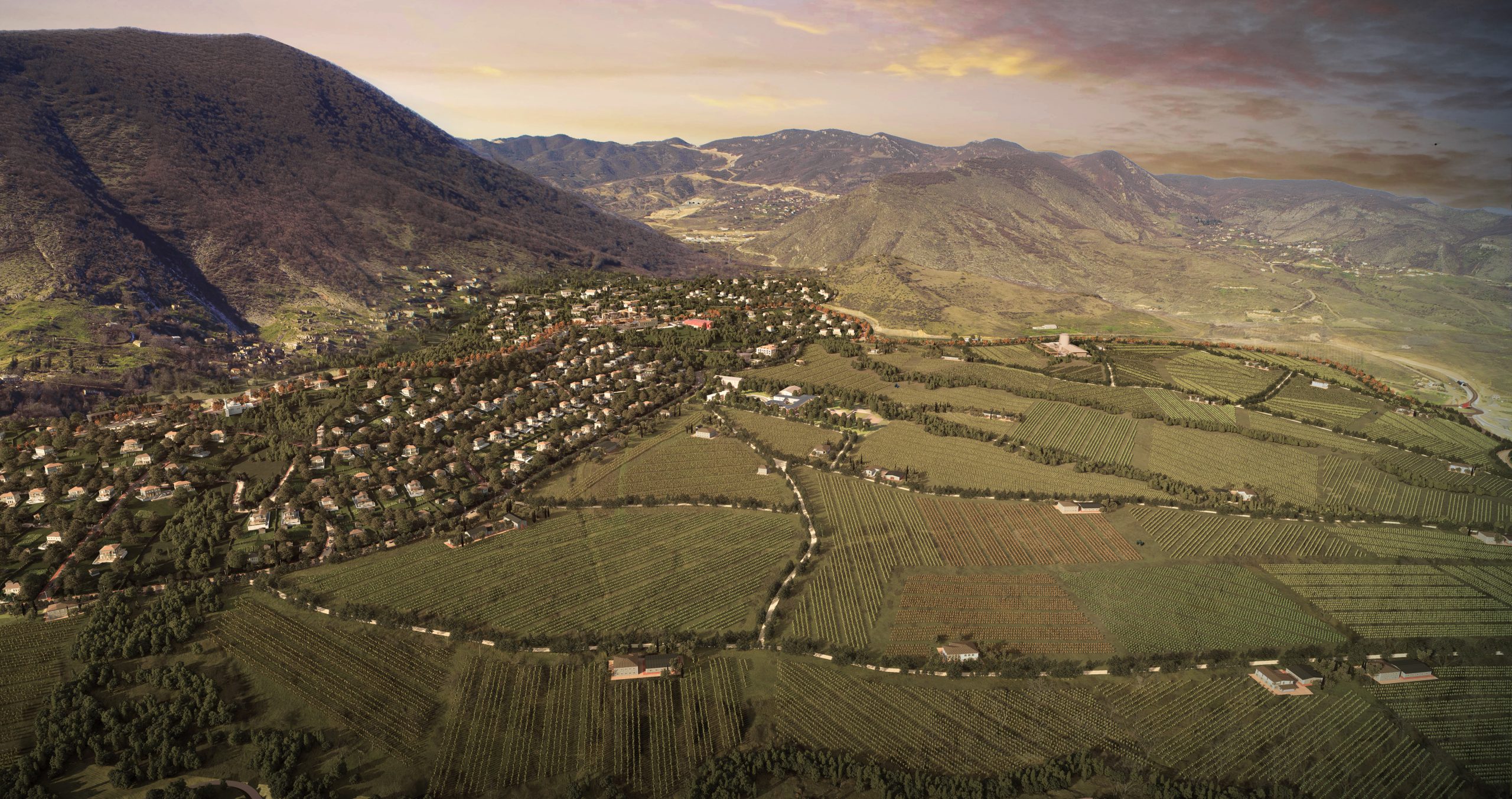
Following the liberation of Karabakh territories, SP Architects undertook the mission of designing comprehensive masterplans for the towns of Hadrut and Tuğ—two once-vibrant settlements left entirely abandoned in the wake of conflict. The core ambition was not merely to rebuild physical structures, but to revive community life, encourage the return of residents, and create resilient urban environments that would endure for generations.
Fieldwork and Analysis
The process began with an extensive on-site reconnaissance mission, combining the expertise of architects, planners, infrastructure and conservation specialists. Over a week of fieldwork, the team documented surviving structures, street networks, and natural features; met with local and municipal representatives; and commissioned high-resolution drone mapping and 3D terrain models. This data formed the foundation for a context-responsive design, rooted in both the physical and socio-cultural realities of each settlement.
Strategic Framework Development
Upon returning from the field, the design team conducted an integrated series of analyses — including SWOT assessments, demographic projections, and spatial syntheses. These studies led to a strategic framework outlining urban, infrastructural, and socio-economic objectives for both towns. The framework set a long-term vision of sustainable growth, cultural continuity, and balanced redevelopment.
From Regional Vision to Urban Detail
Master planning progressed across two scales:
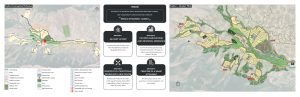
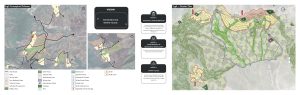
- At the 1:100,000 regional level, mobility corridors, ecological preservation zones, and future development areas were defined.
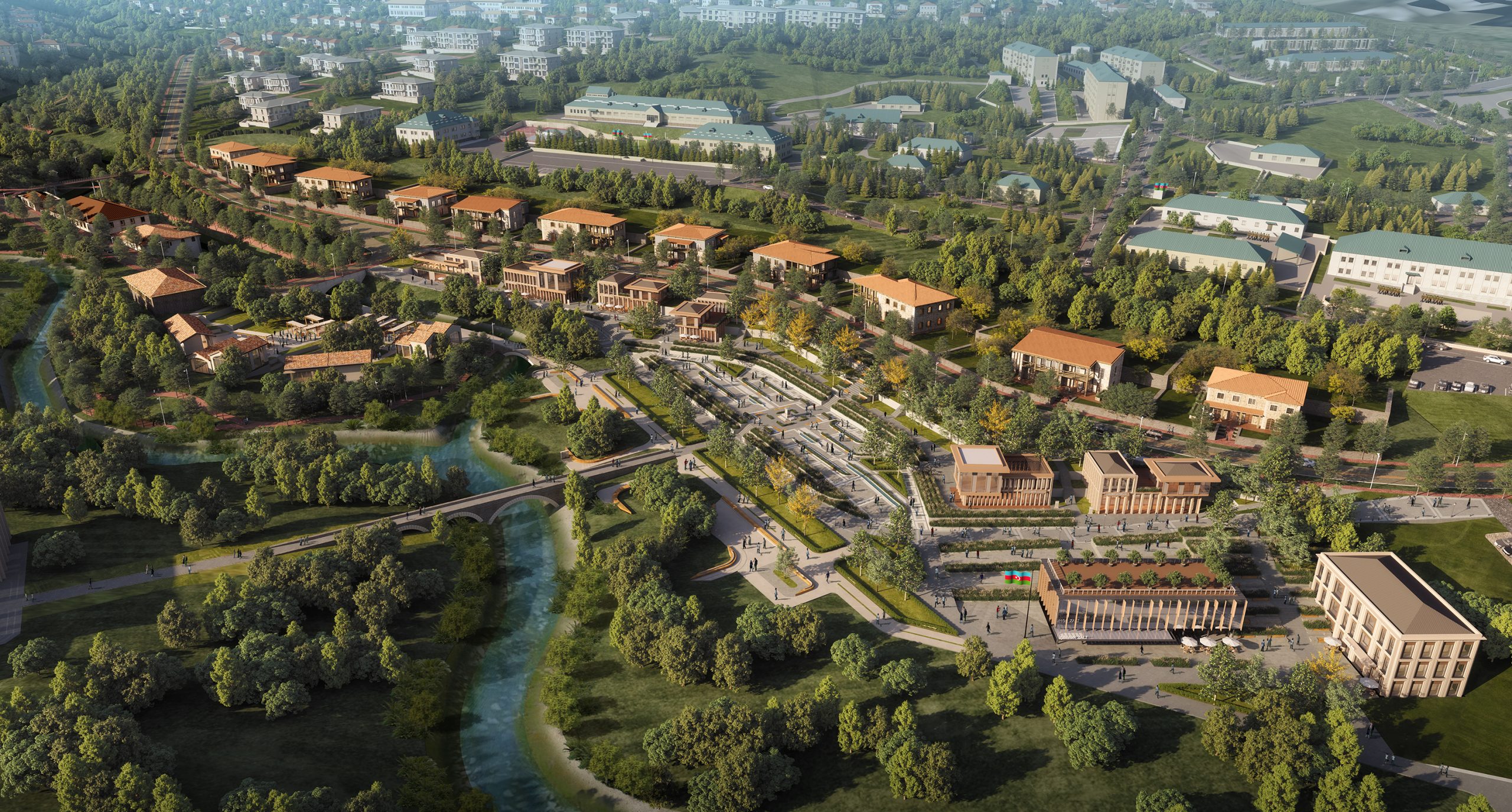
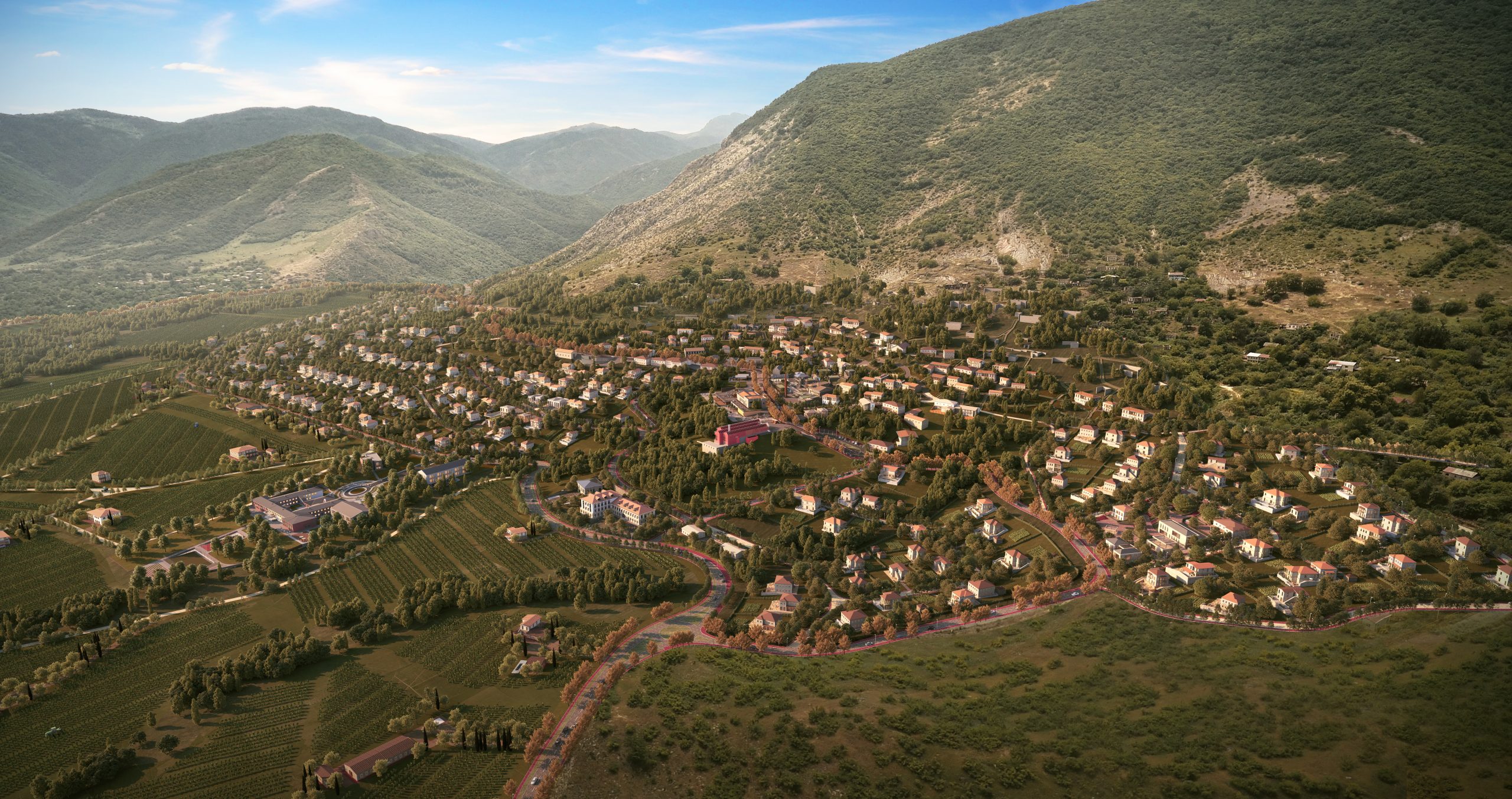
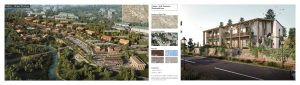
- At the 1:5000 masterplan level, detailed zoning addressed housing clusters, civic and educational facilities, cultural landmarks, and green networks. The resulting plans established clear hierarchies of movement, density, and open space, while respecting historical identity and natural topography.
Phased Implementation
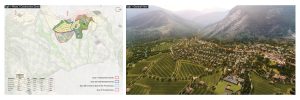
Given the scope of reconstructing entire towns, SP Architects formulated phased development strategies aligned with infrastructure capacity and population resettlement timelines. Each phase was independently reviewed and approved by relevant ministries, ensuring flexibility without compromising the overall vision.
Architectural Design and Technical Detailing
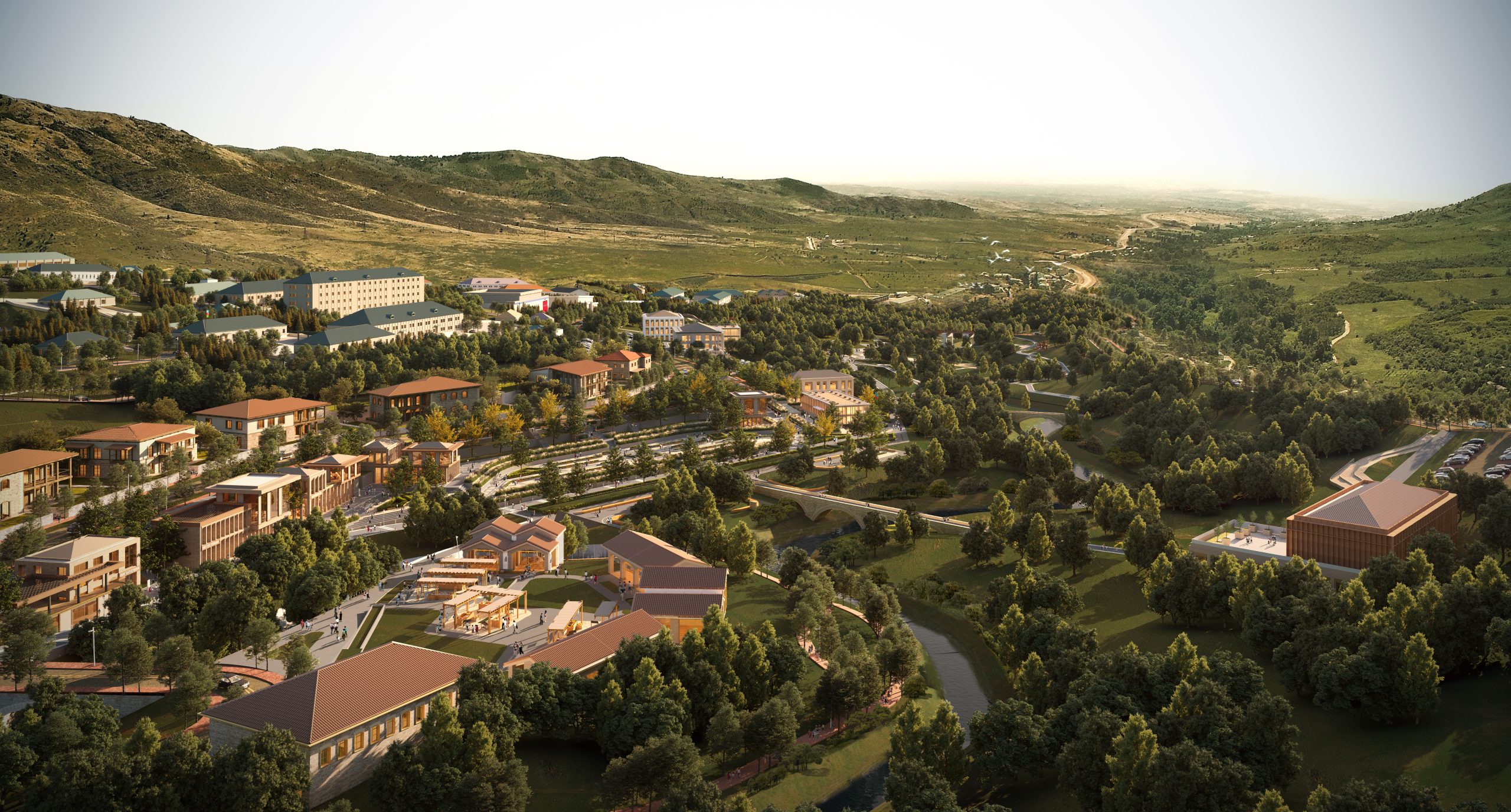
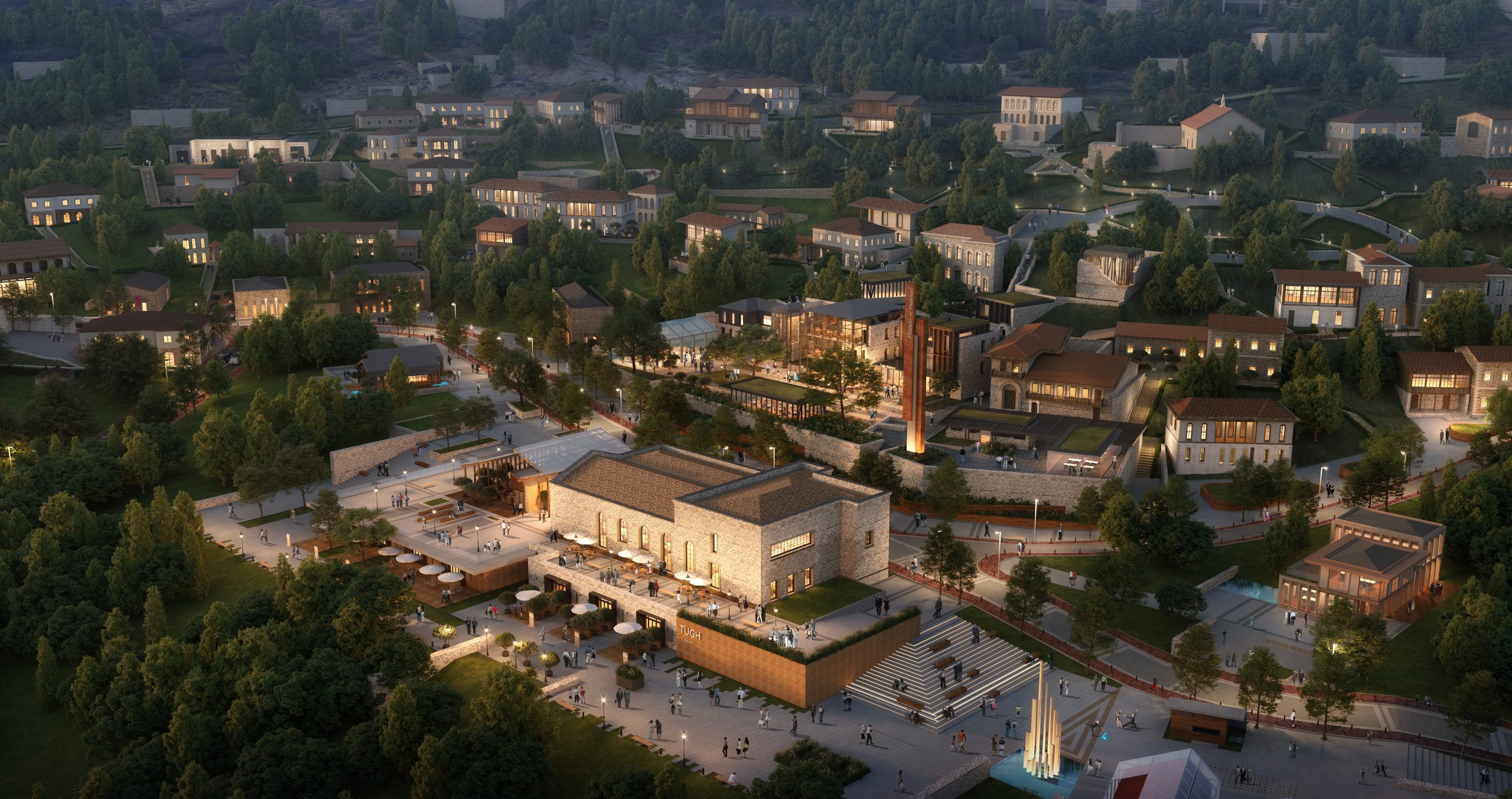
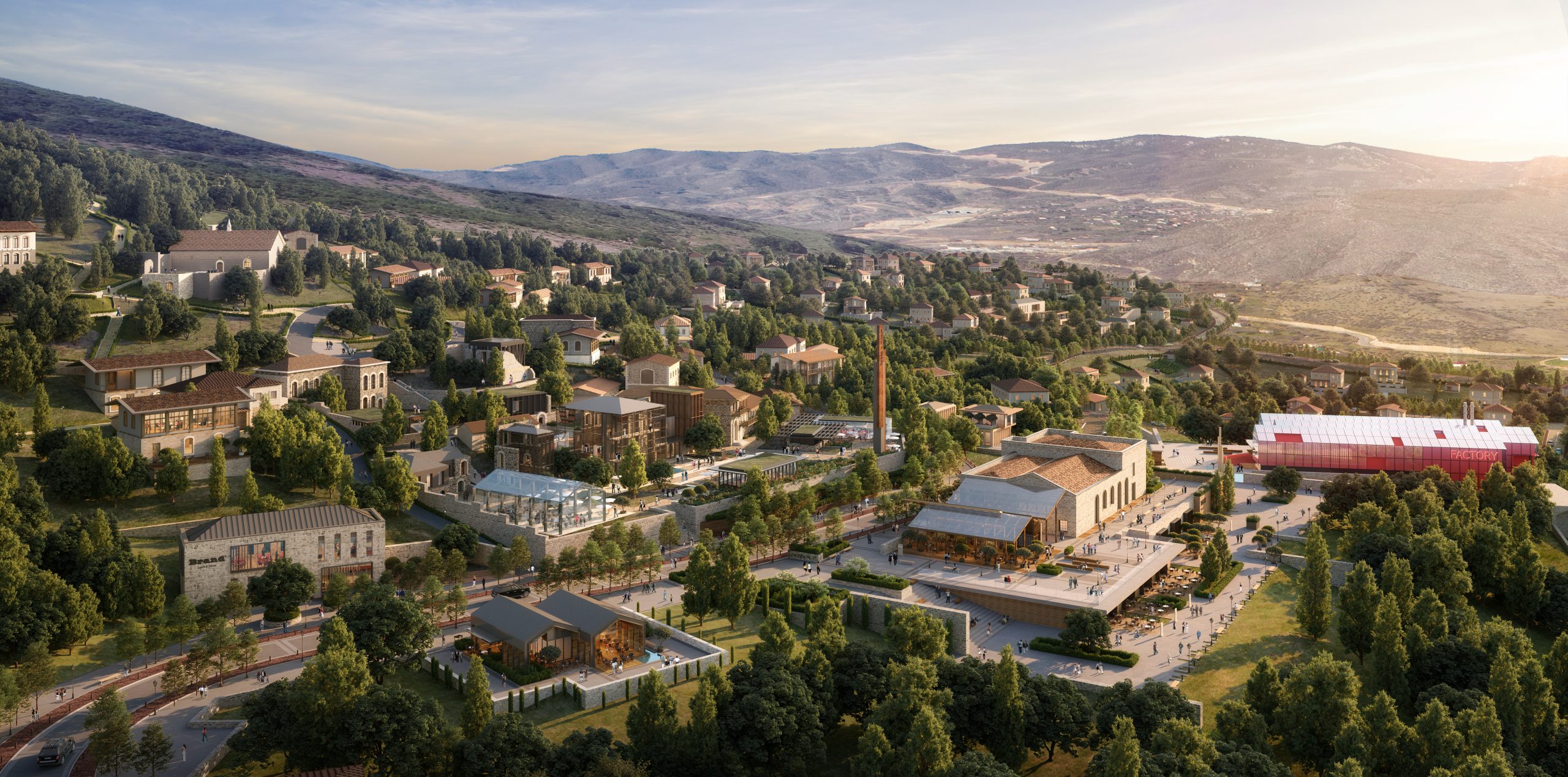
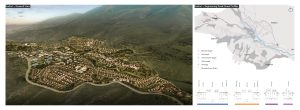
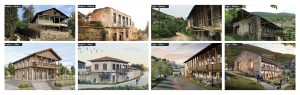
Once masterplans were approved, architectural concept design commenced for the first four phases. The designs reflected local vernacular character—courtyards, arcades, and stone textures—reinterpreted through contemporary standards of comfort and sustainability. In parallel, technical masterplans (1:1000) defined parcelization, street typologies, and infrastructure grids, while schematic and technical packages prepared key buildings for tender.
From Vision to Reality
With the completion of tender documentation, construction works have begun, transforming Hadrut and Tuğ from abandoned landscapes into symbols of renewal and resilience. The projects demonstrate SP Architects’ capacity to navigate the full cycle of urban recovery—from strategic visioning to technical execution—through a multidisciplinary, data-driven, and human-centered approach.