Adıyaman, Türkiye
Project Type
Historical & Renovation
Location
Adıyaman, Türkiye
Year
2024
Project Status
Ongoing
Project Service
Master Plan to Construction
Employer
Ministry of Environment, Urbanization and Climate Change
Tags
Public Space, Square Design
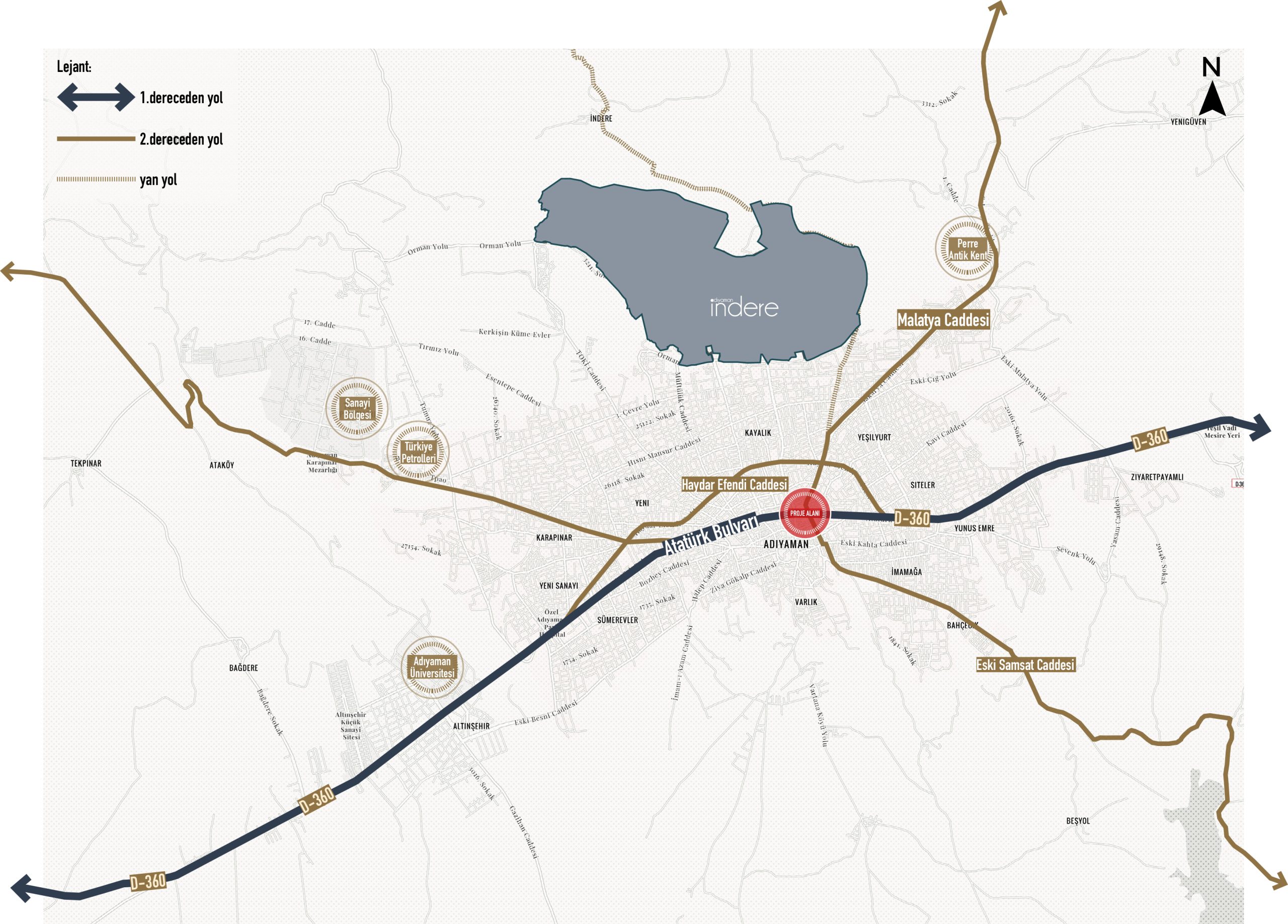
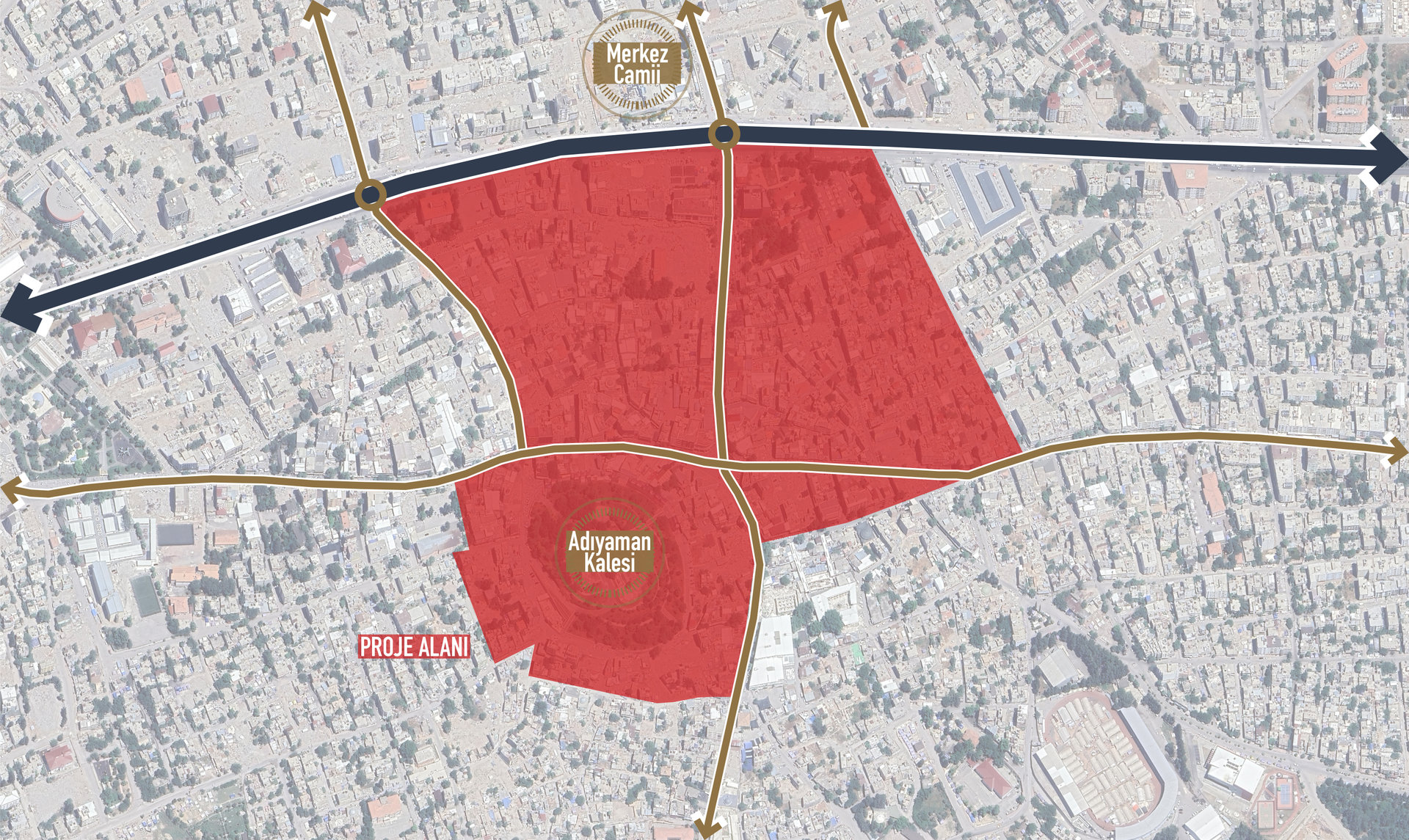
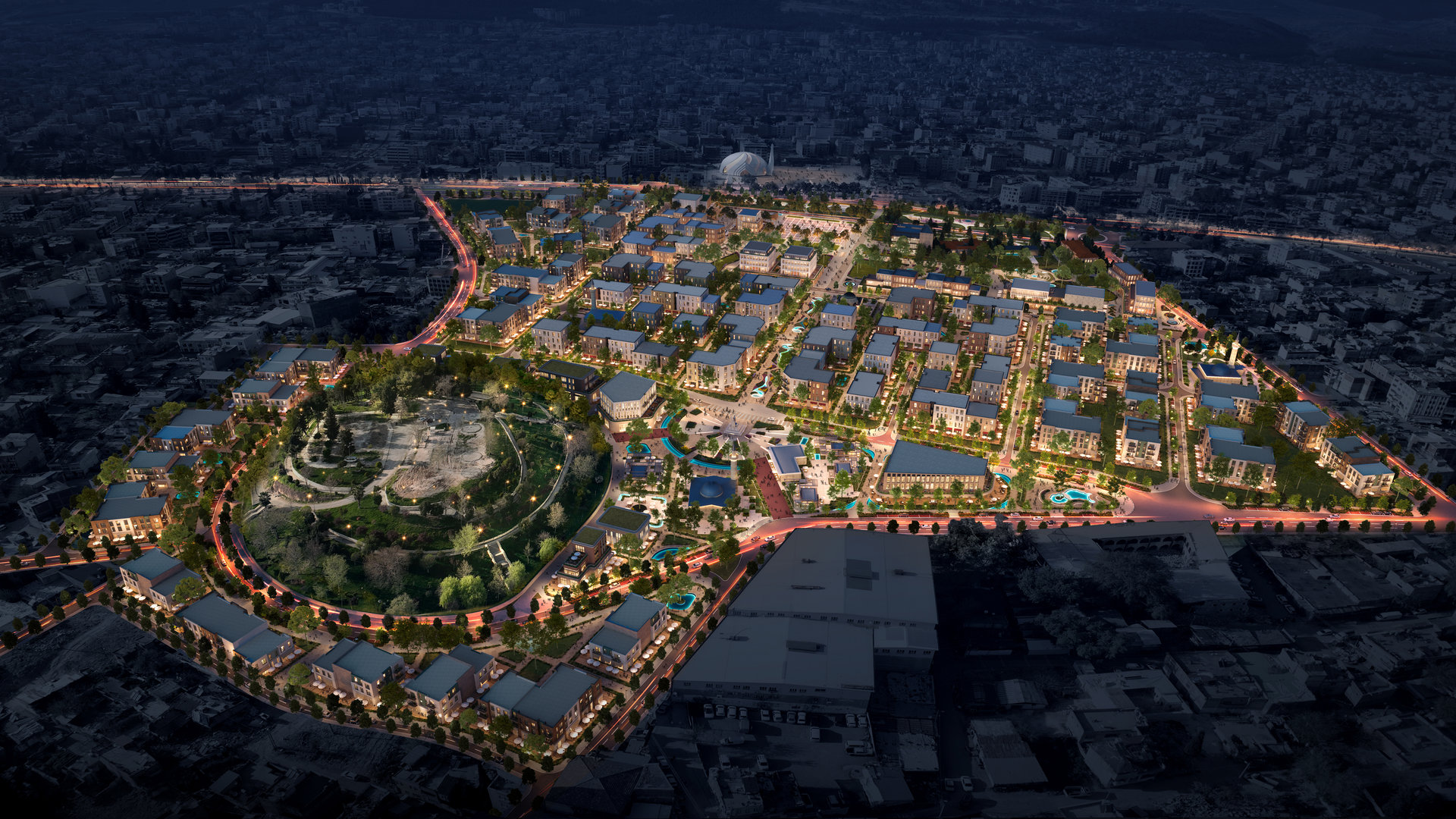
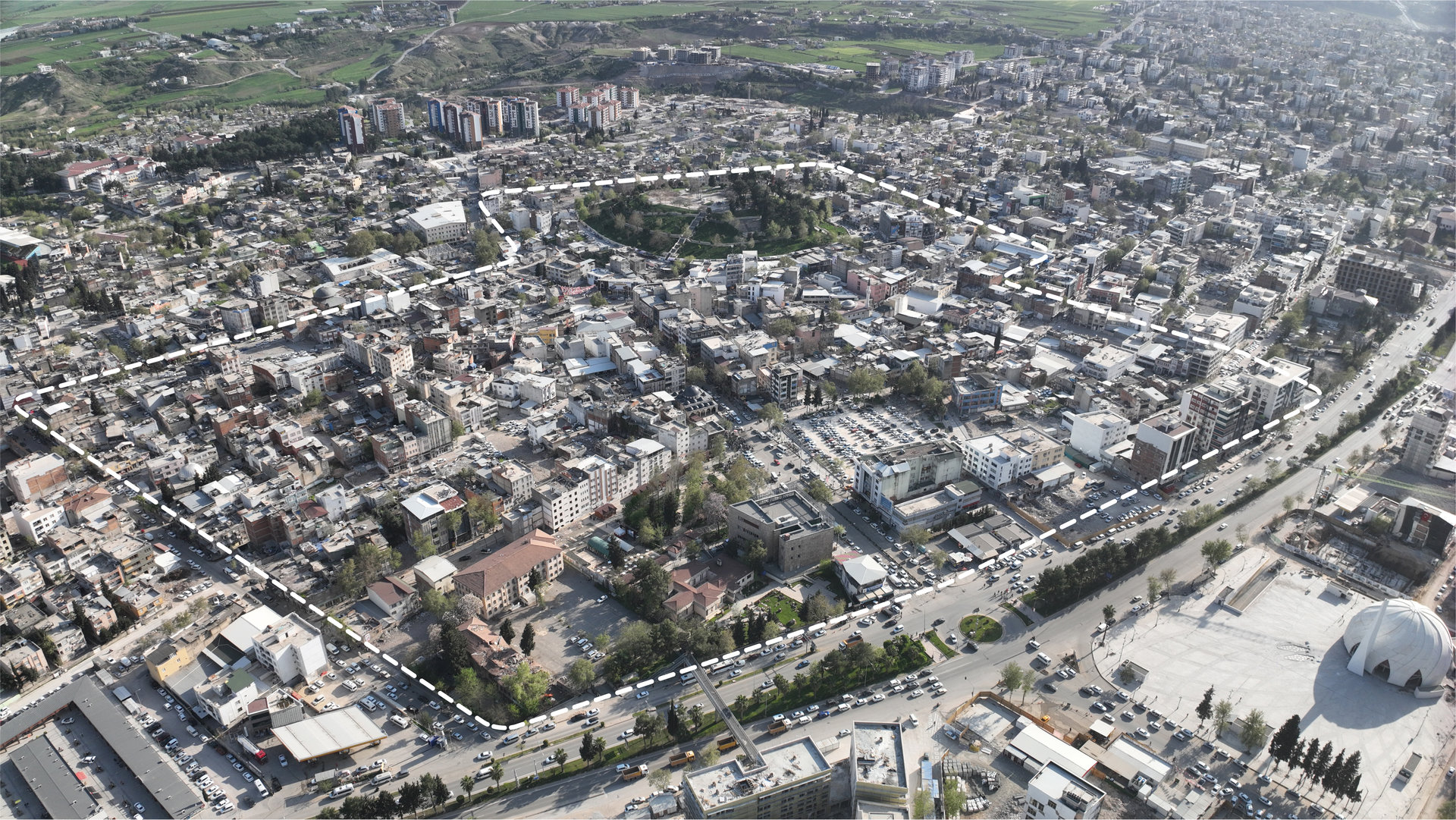
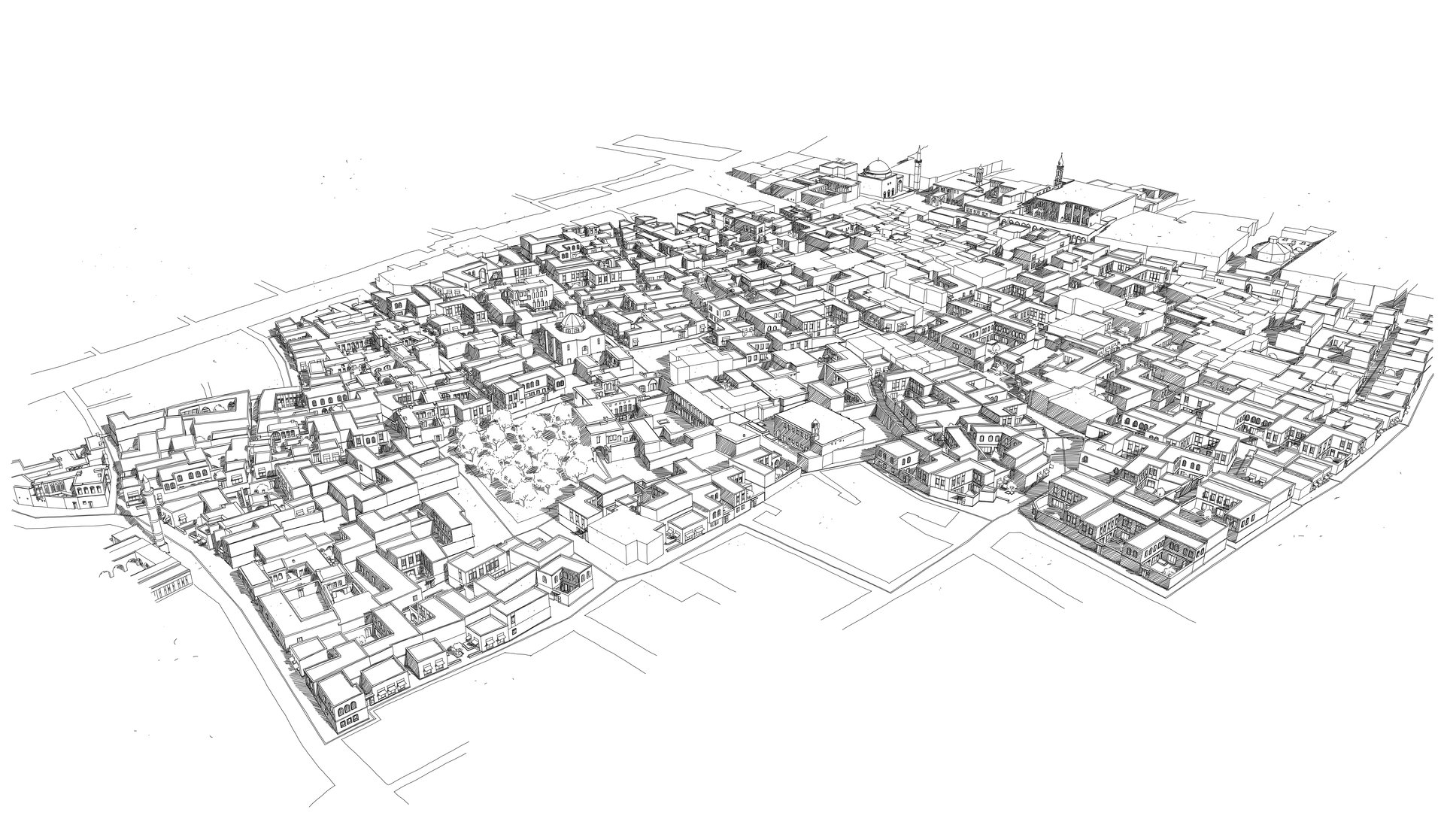
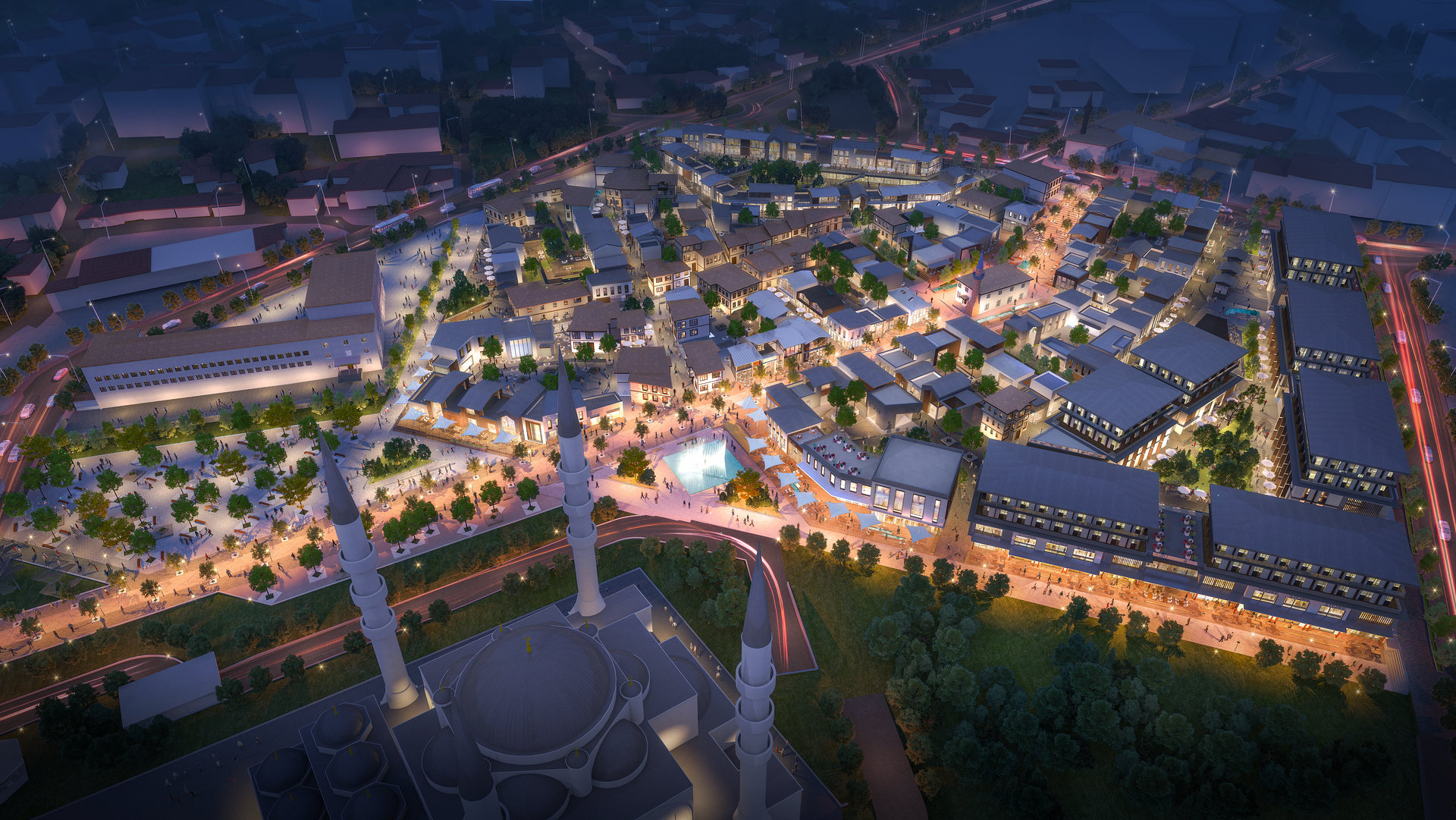
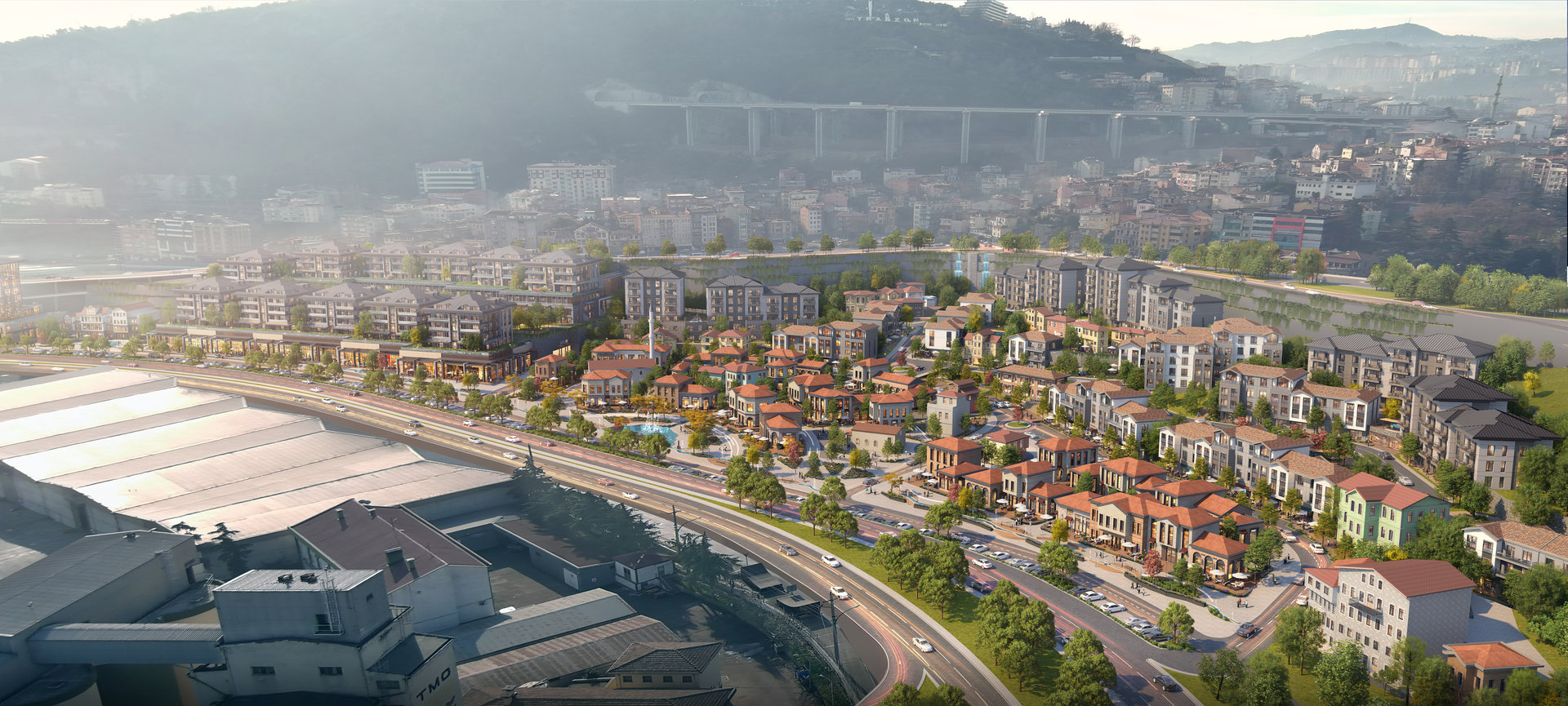
Located in the heart of Adıyaman, one of the cities severely affected by the February 6th Kahramanmaraş earthquakes, the project area includes both demolished structures and surviving buildings within the city center. Positioned along the city’s main arterial road, the site occupies a critical location within the urban fabric, where circulation is intense and transformation is essential.
Urban Integration Through Pedestrian-Centric Design
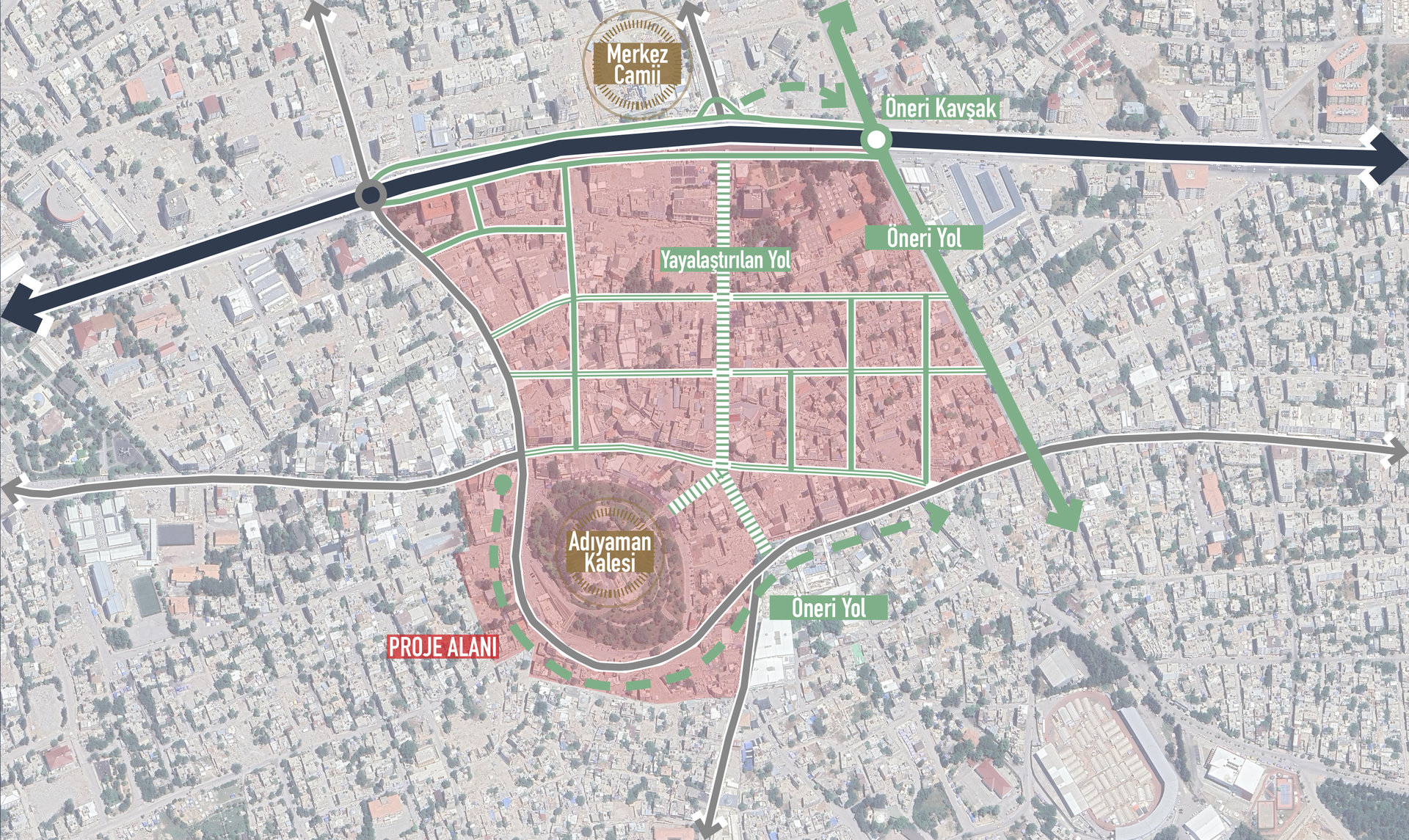
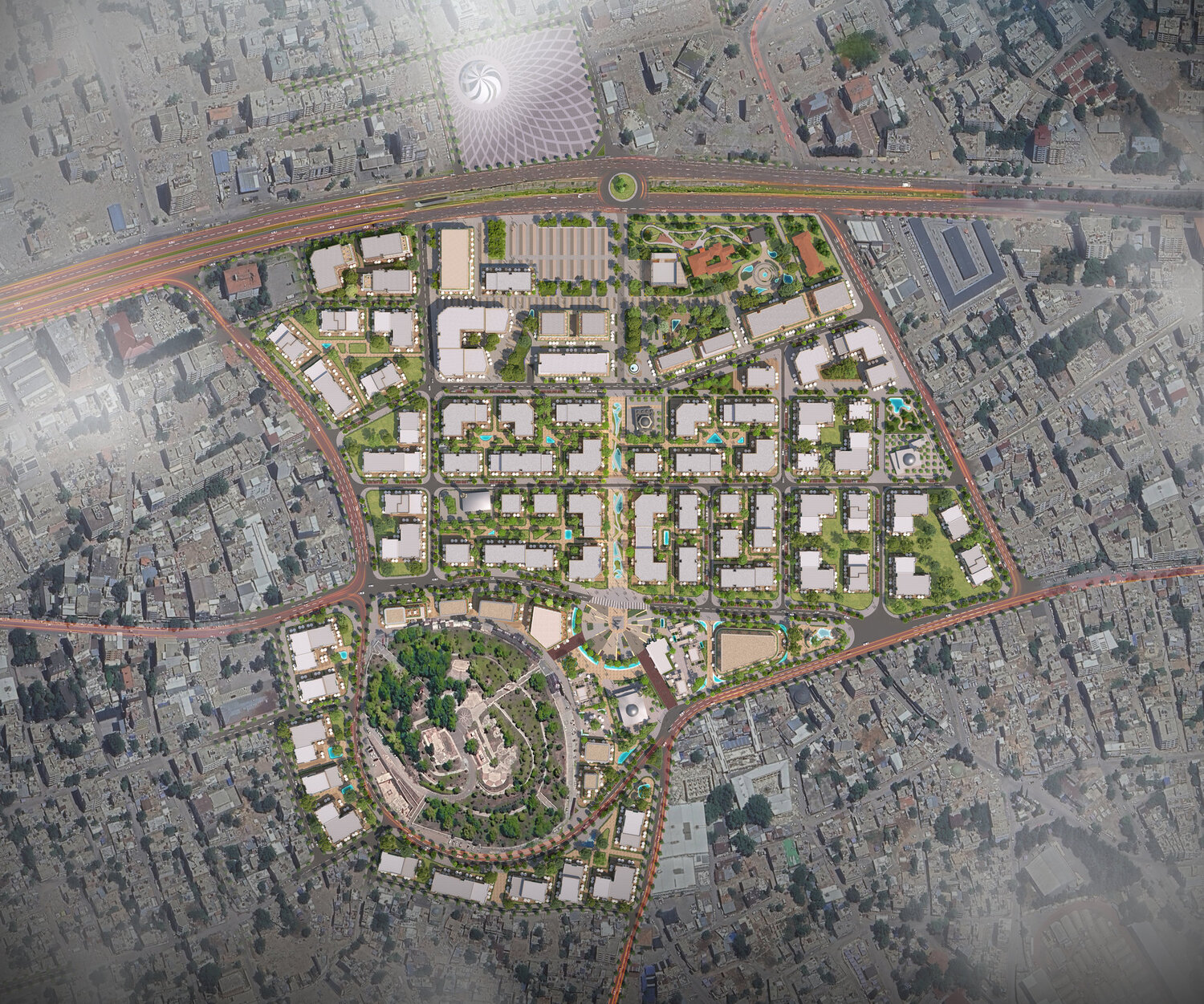
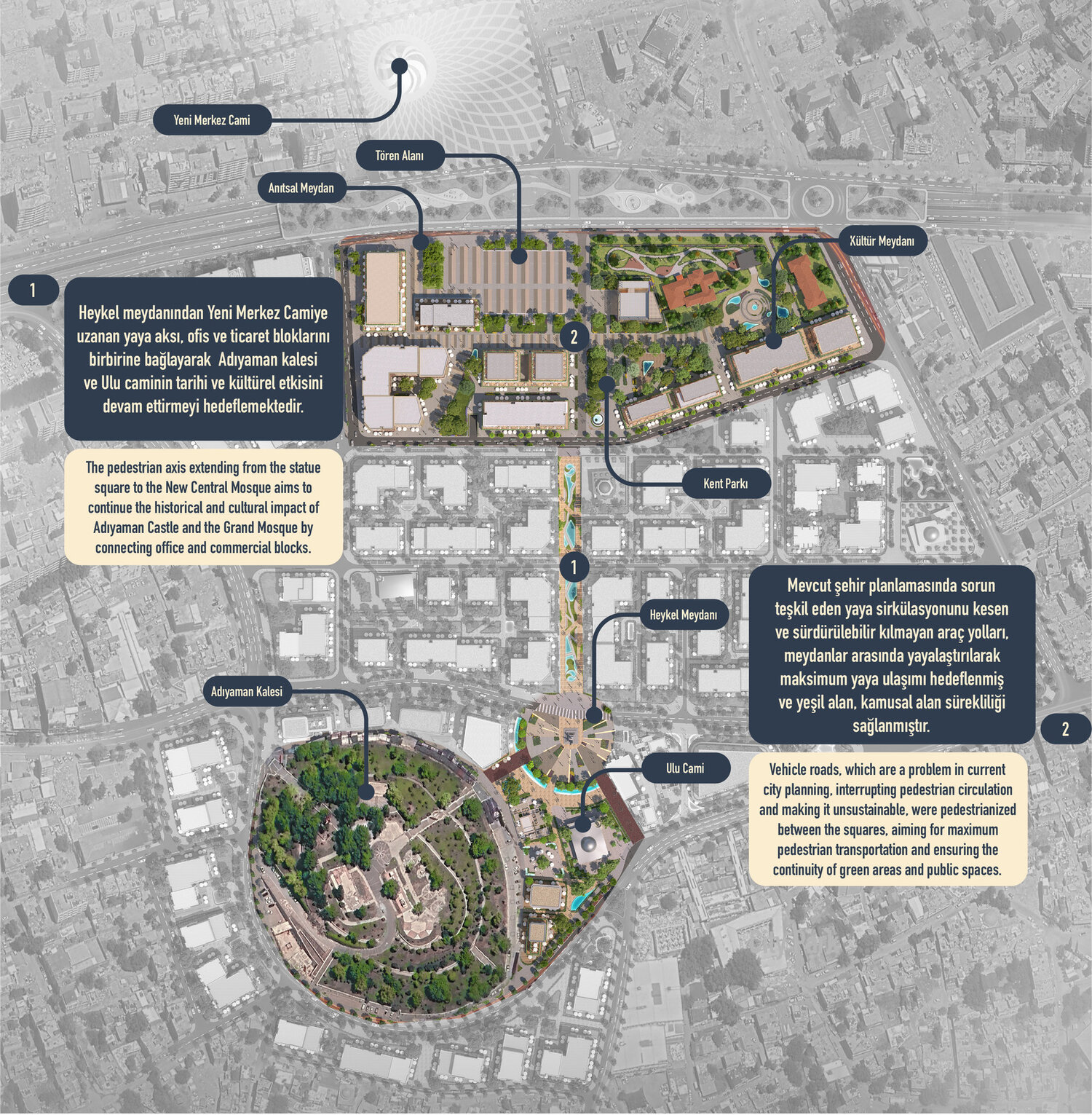
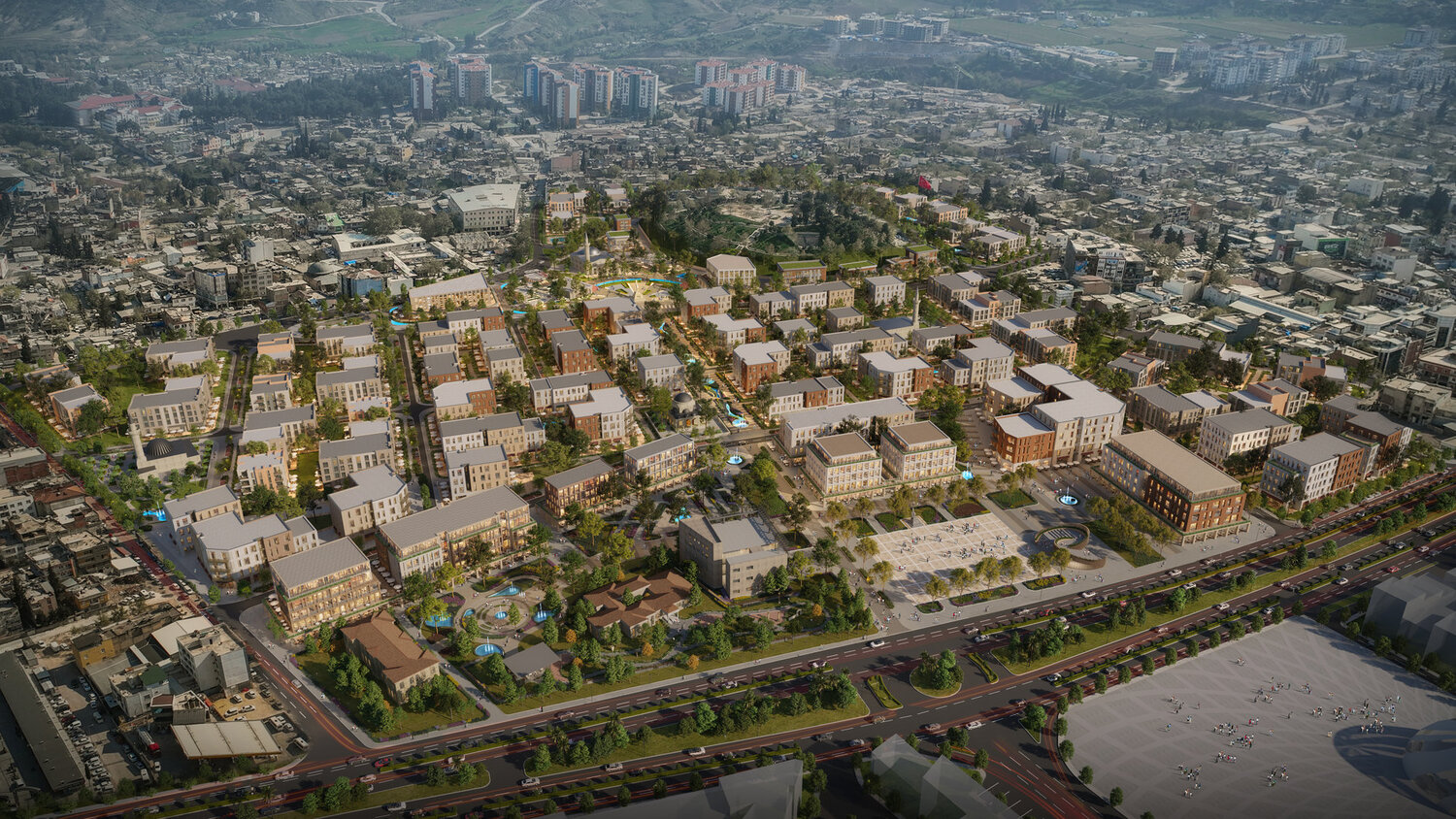
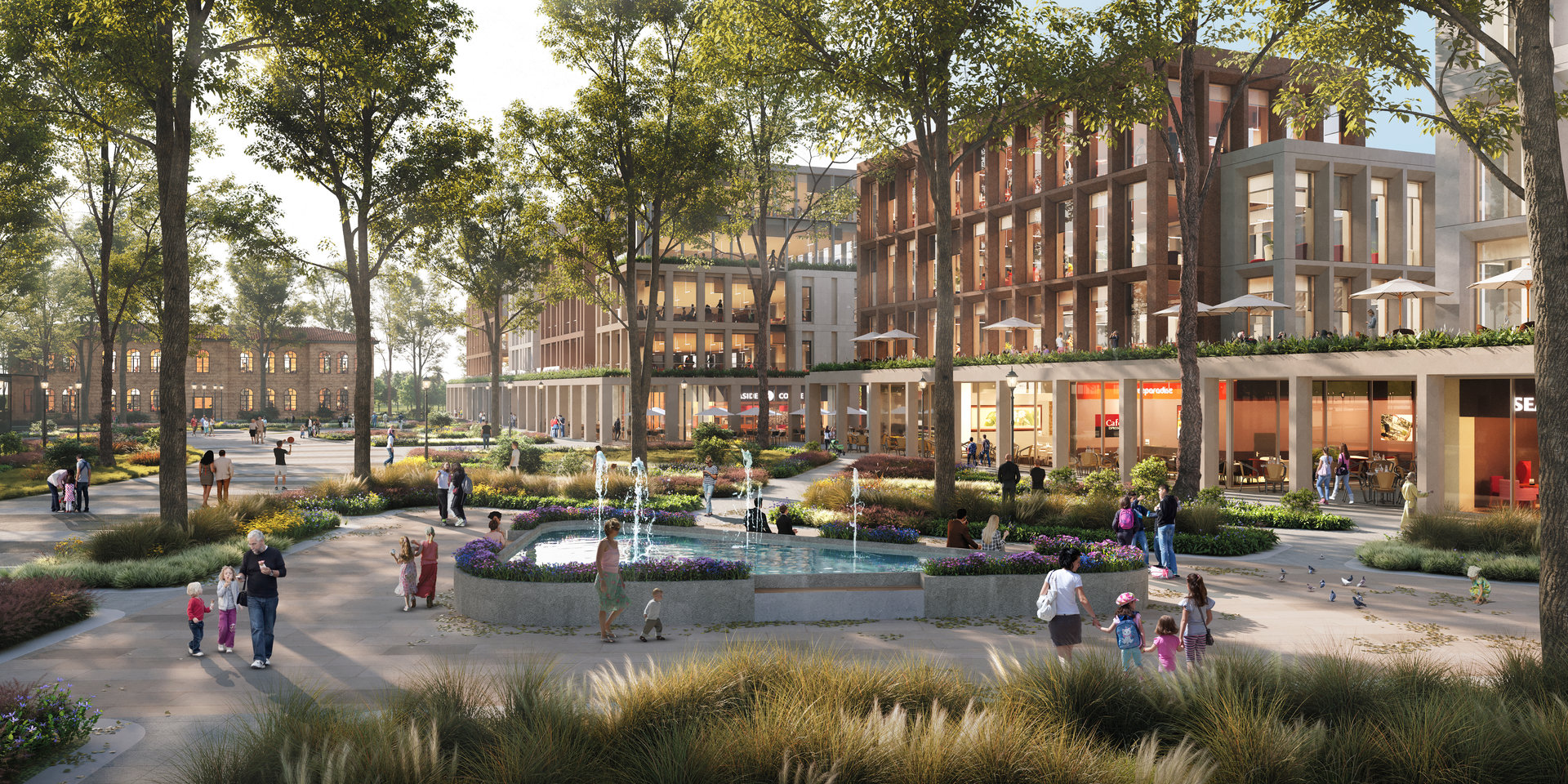
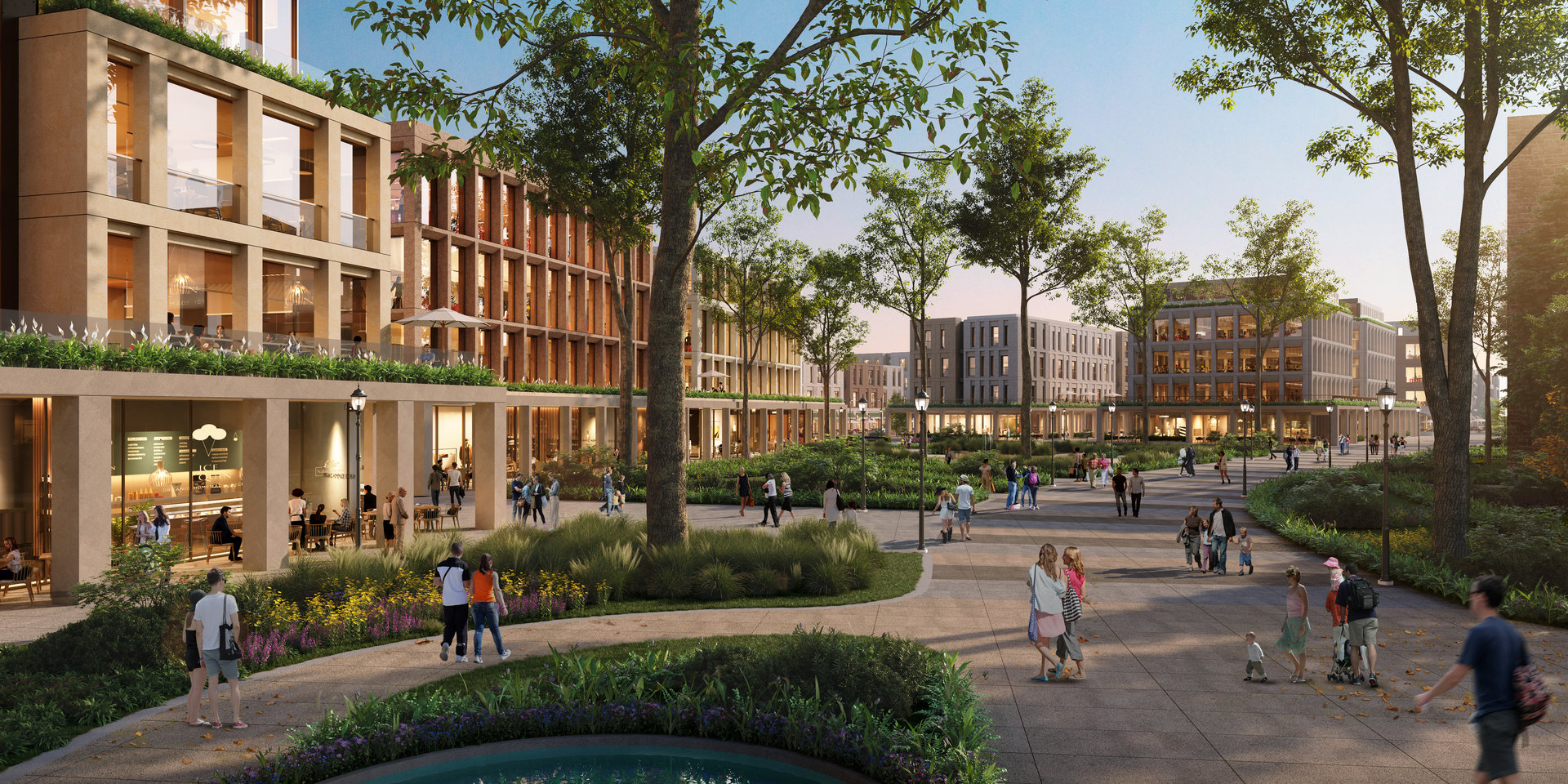
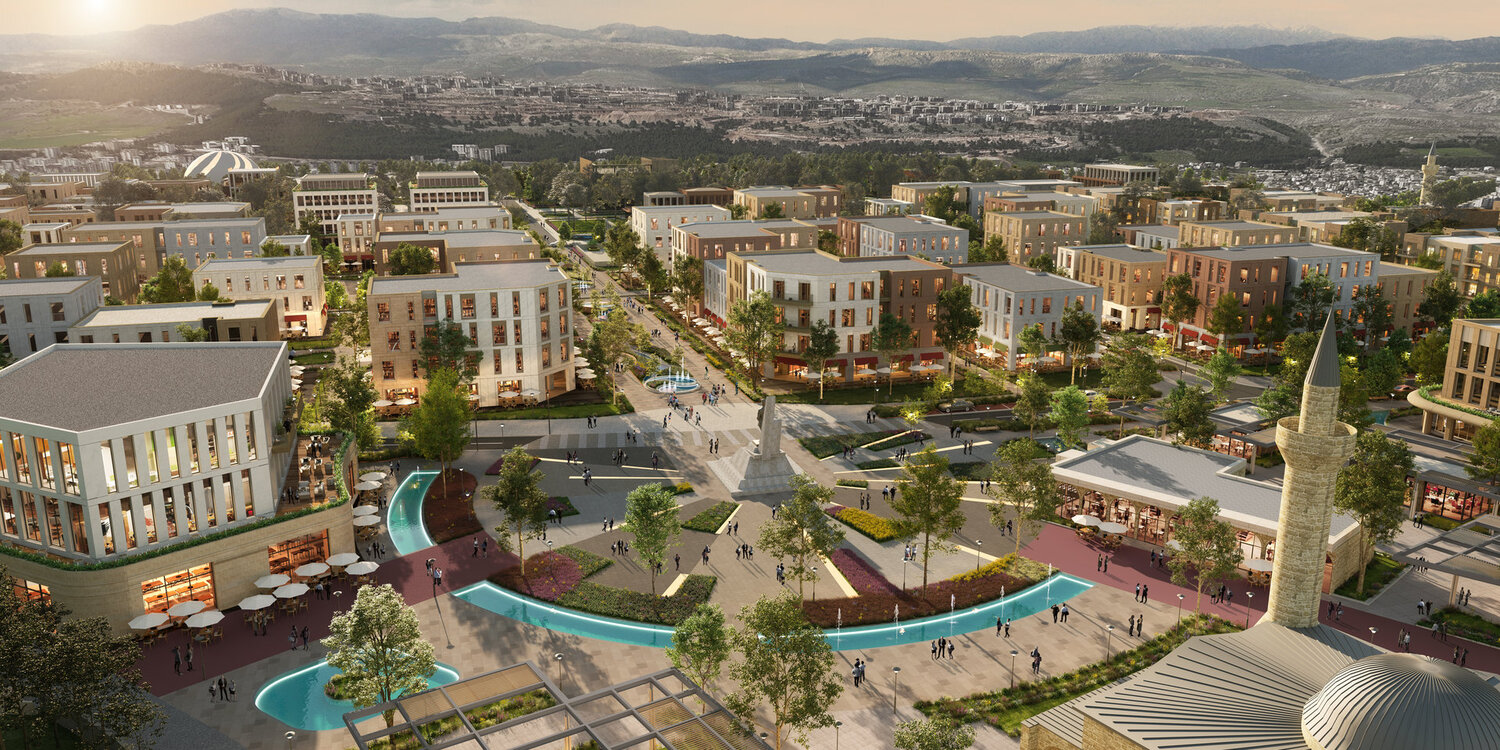
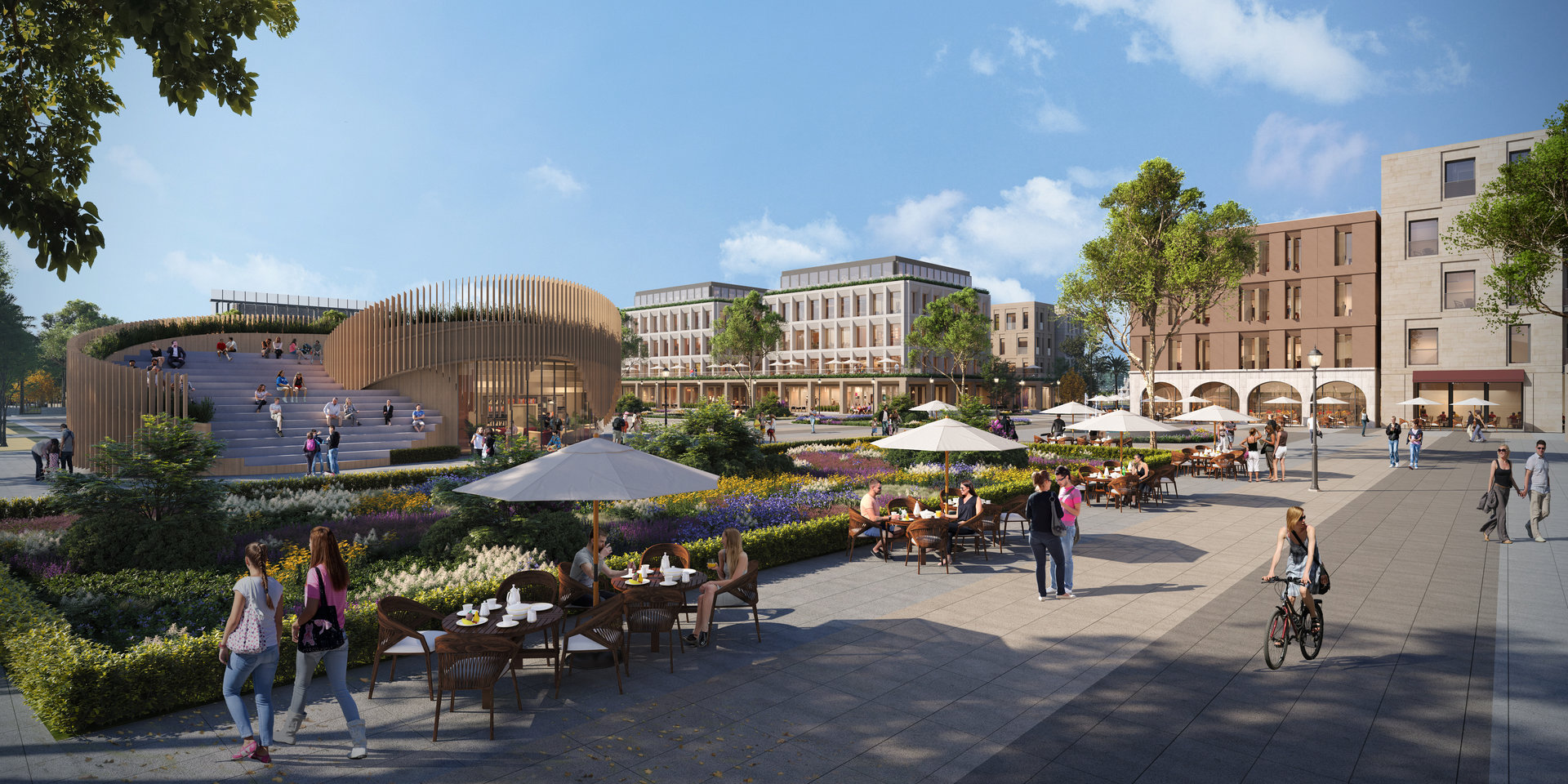
A new pedestrian axis has been introduced to establish continuity between the modern and historical squares. This spine, reinforced with traffic-calmed road crossings and public space enhancements, not only improves accessibility for all users but also reveals Adıyaman’s hidden symbolic landmarks along its route.
Programmatic Zoning and Functional Clarity
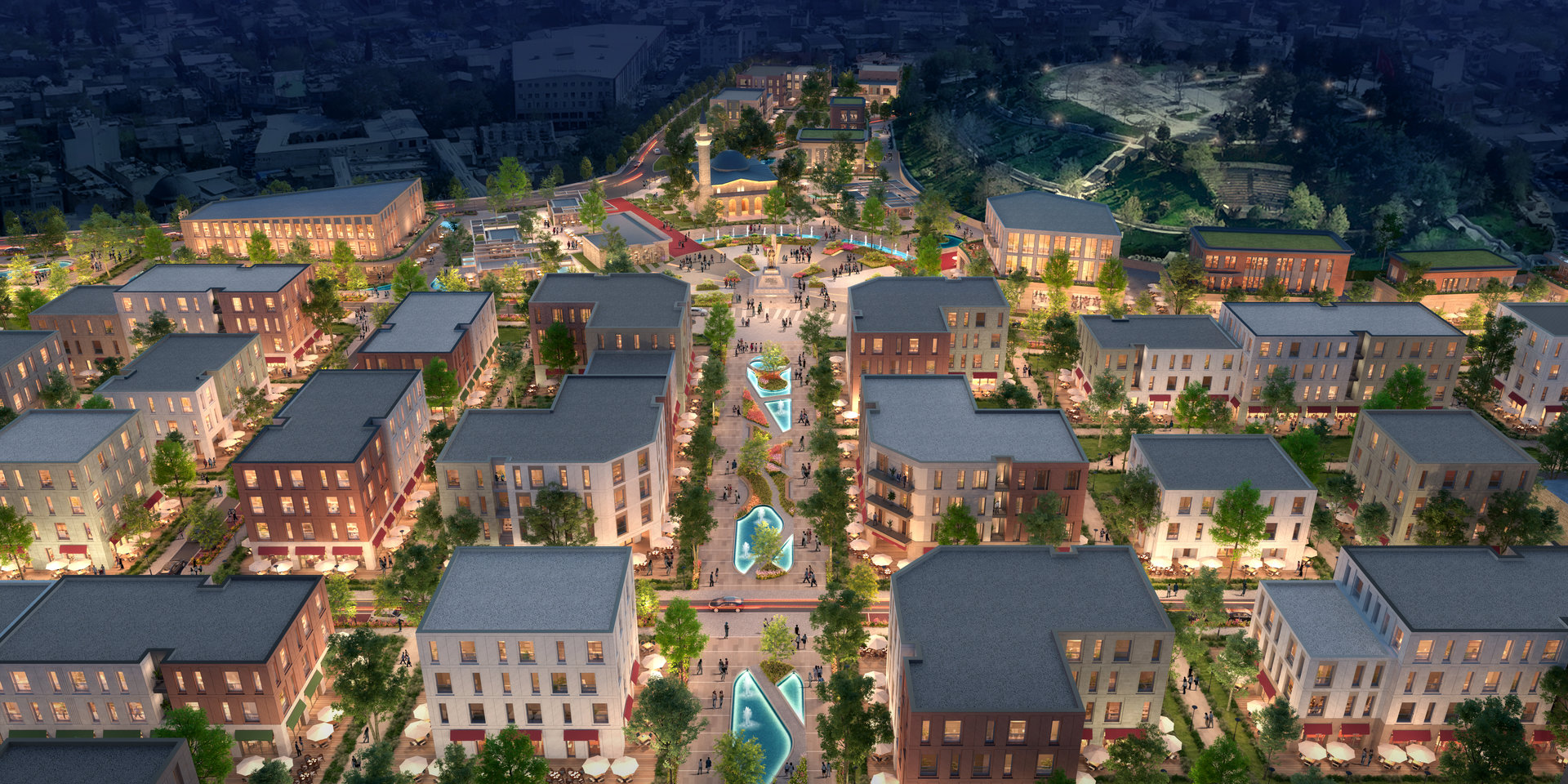
The project is divided into five distinct zones to meet various urban needs:
• Zone 1 accommodates primarily residential uses,
• Zone 2 focuses on public and social amenities,
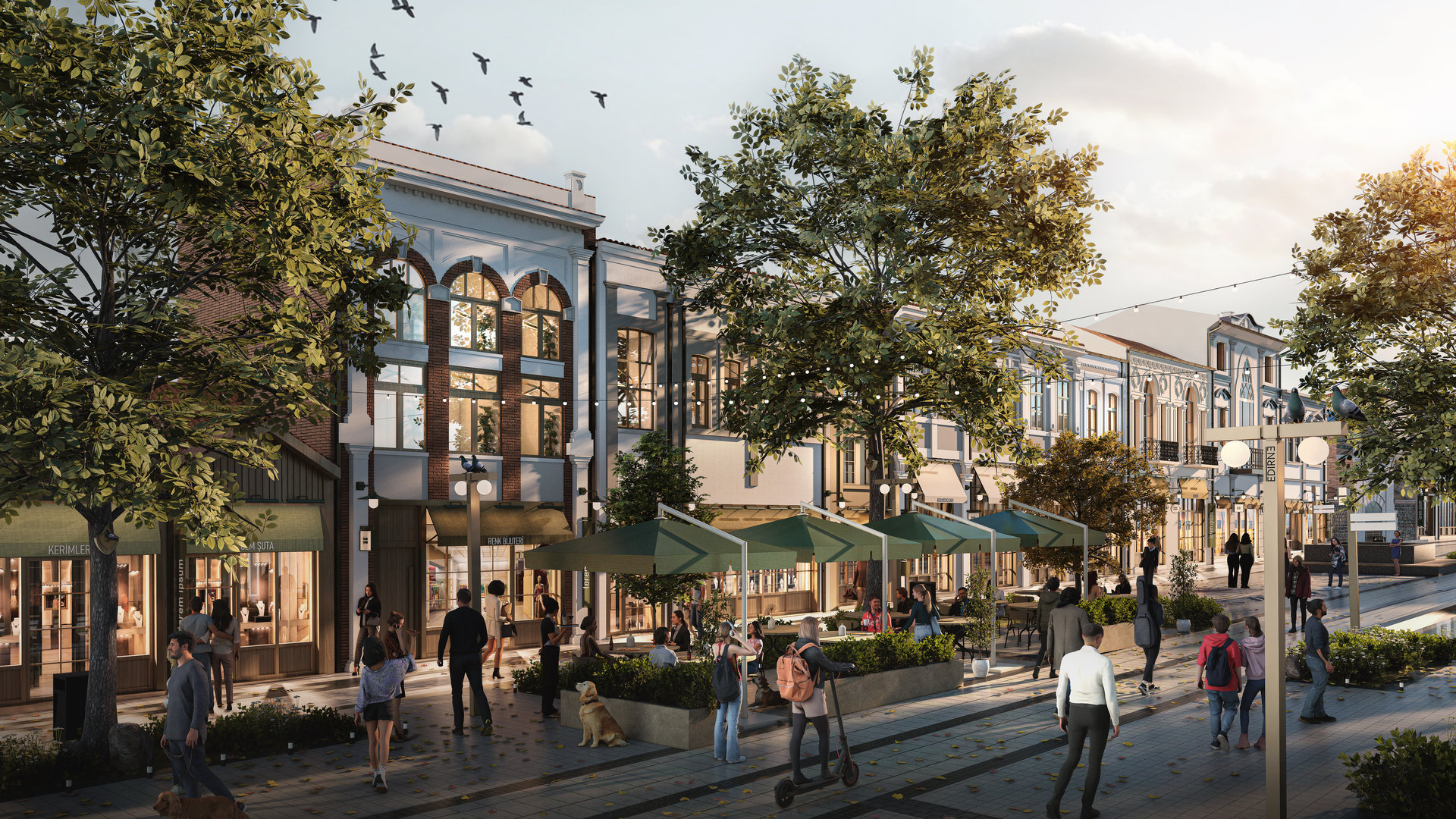
• Zone 3 concentrates commercial activity,
• Zone 4 houses office functions,
• Zone 5 encompasses the city’s new civic squares and landscape corridors.
Commemorative and Cultural Anchors
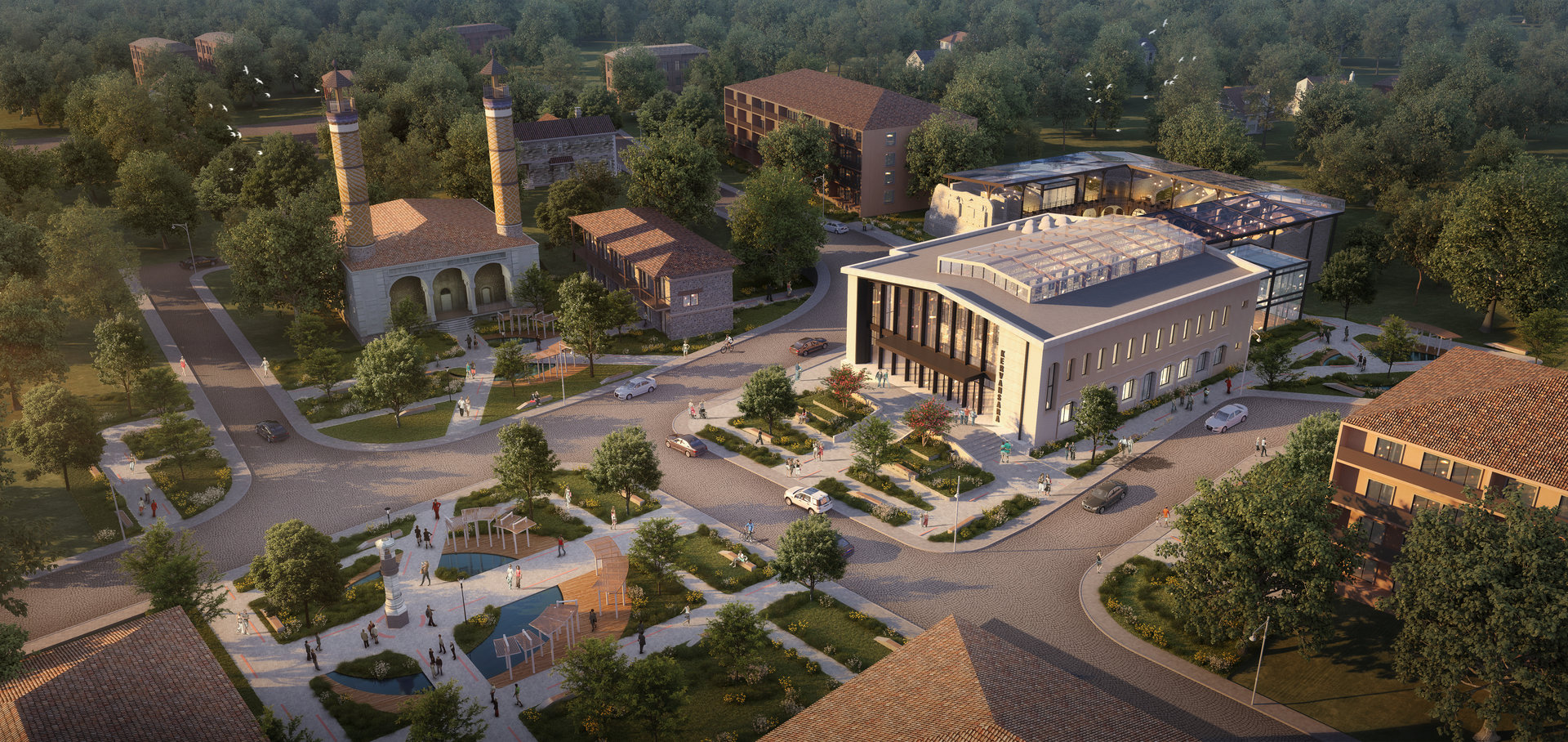
A monumental square has been proposed on the site of a former hotel building where lives were lost during the earthquake, including both Turkish and Cypriot citizens. This space now serves as a symbolic site of remembrance. Adjacent to this, a ceremonial plaza between the memorial and city park supports public gatherings and civic events. A third node—Culture Square—is formed around the museum, cultural center, and social facility, enriching the city’s collective memory through culture-driven public space.
Circulation and Urban Continuity
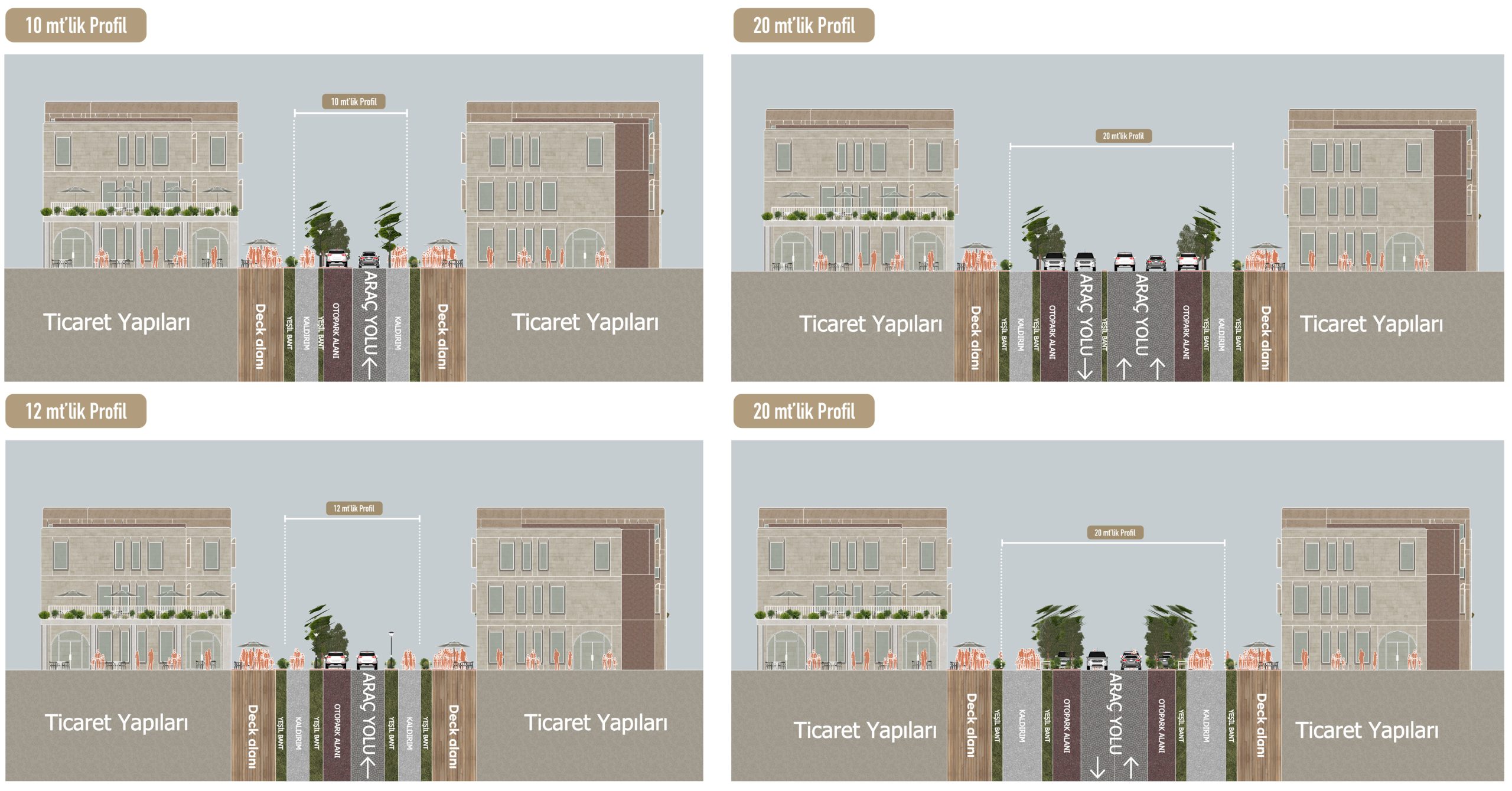
By closing the central vehicular road to traffic, the pedestrian flow has been made seamless, transforming the axis into one of the city’s main connective spines. The redesigned urban fabric supports walkability while integrating trade zones and civic spaces, forming a cohesive sequence that blends memory, movement, and modernity.
Gallery