Kahramanmaraş, Türkiye
Project Type
City Planning and Master Plan
Location
Kahramanmaraş, Türkiye
Year
2023
Project Service
City Planning to Construction
Project Status
Ongoing
Total Area (m²)
1574902.00
Total Construction Area (m²)
1607321.00
Employer
The Emlak Konut REIC
Tags
Post Disaster Housing, Social Housing, Waterfront Development, Square Design
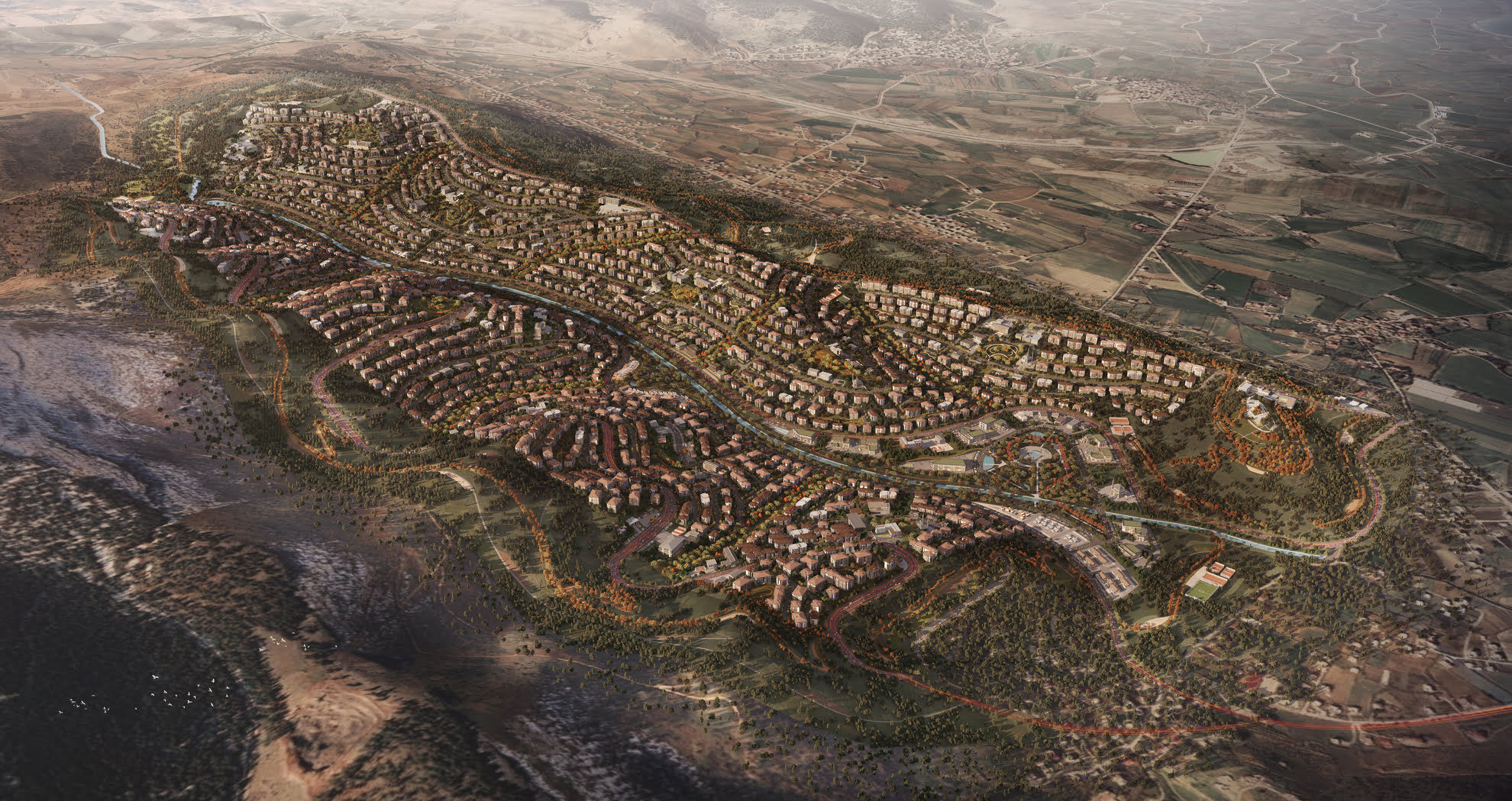
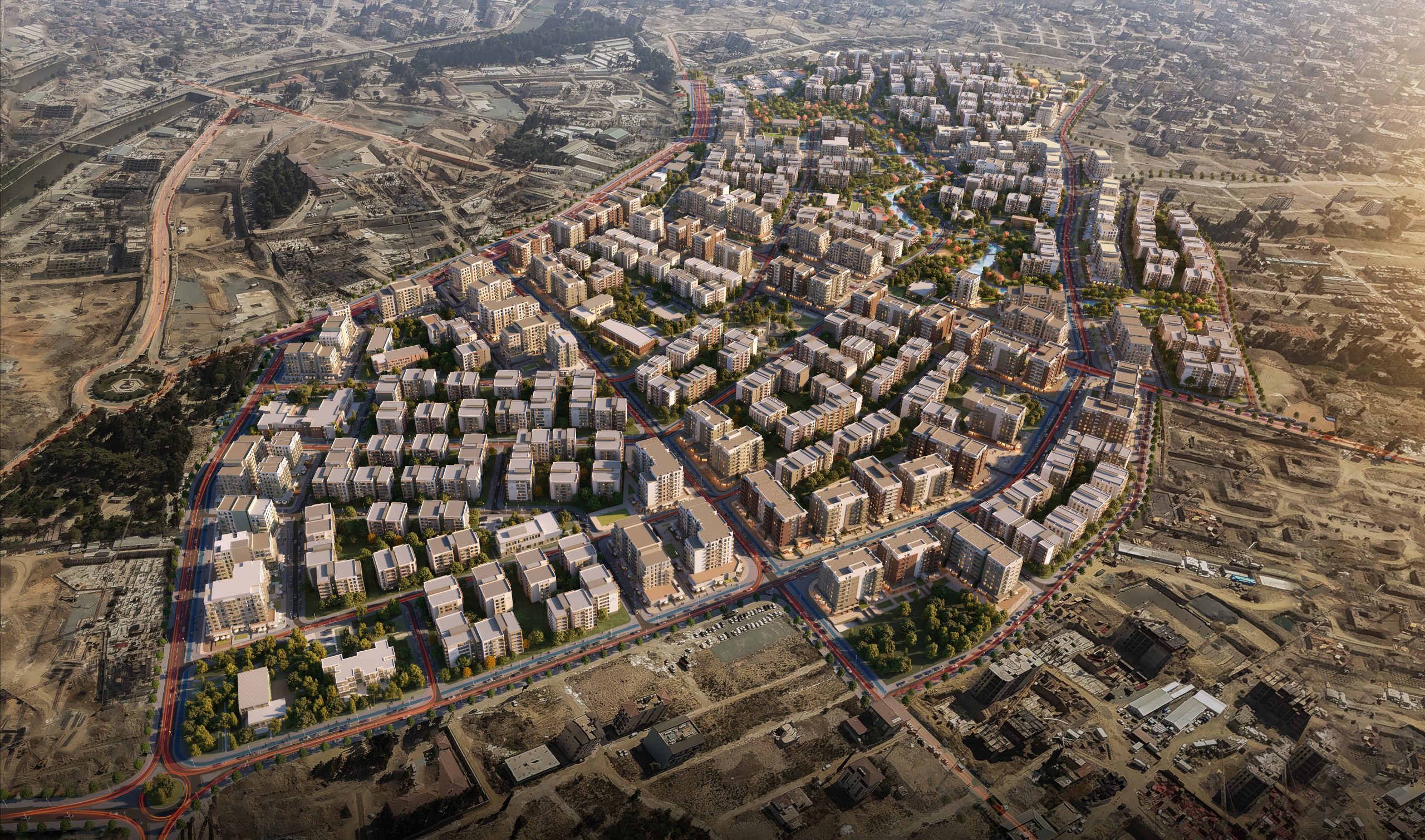
Following the devastating earthquakes that struck southeastern Türkiye in 2023, the city of Kahramanmaraş experienced unprecedented structural losses, particularly within its historical core. In response, a comprehensive urban regeneration strategy was developed to both address the scale of physical destruction and propose a long-term urban vision that fosters resilience, continuity, and inclusivity.
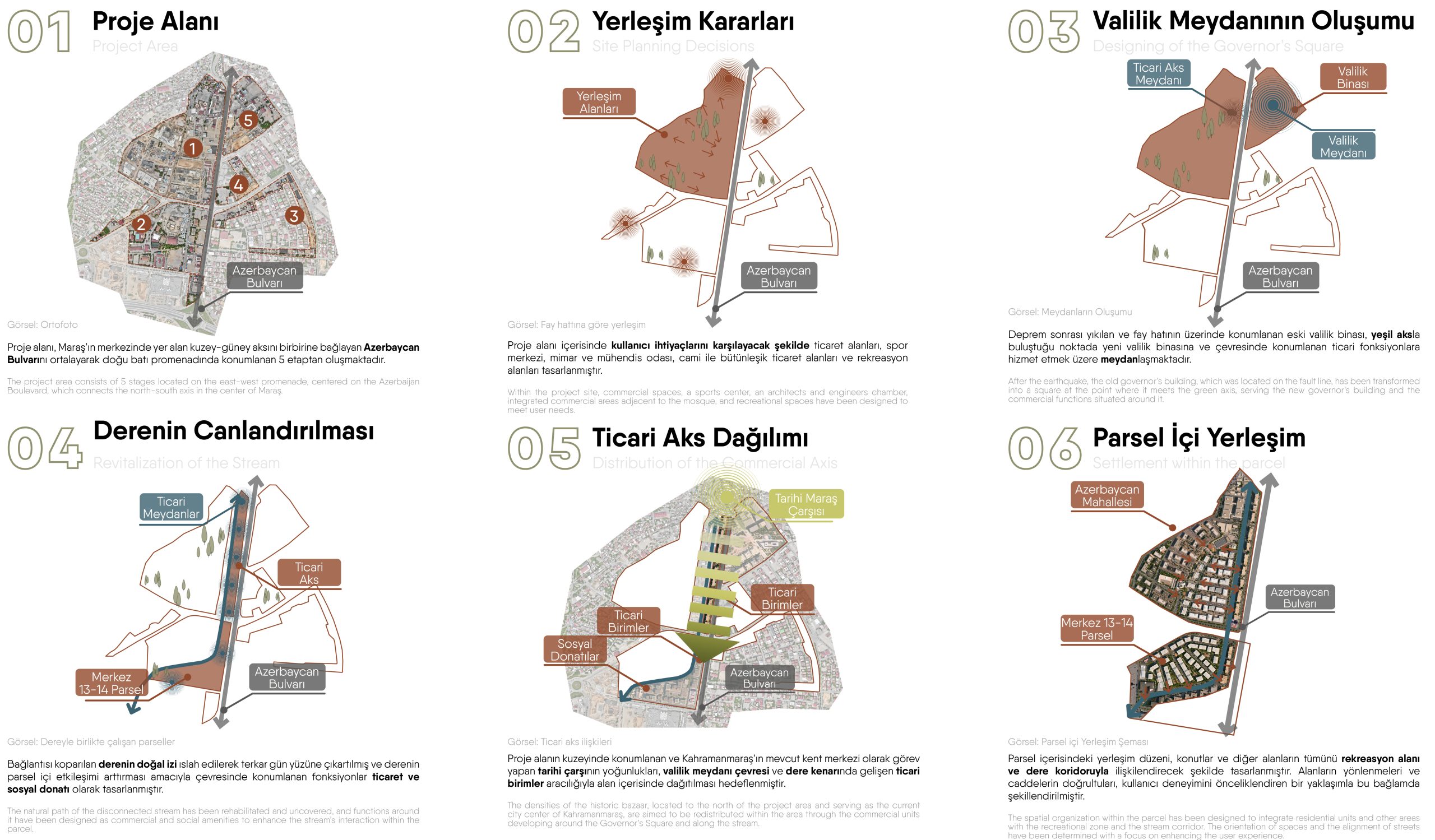
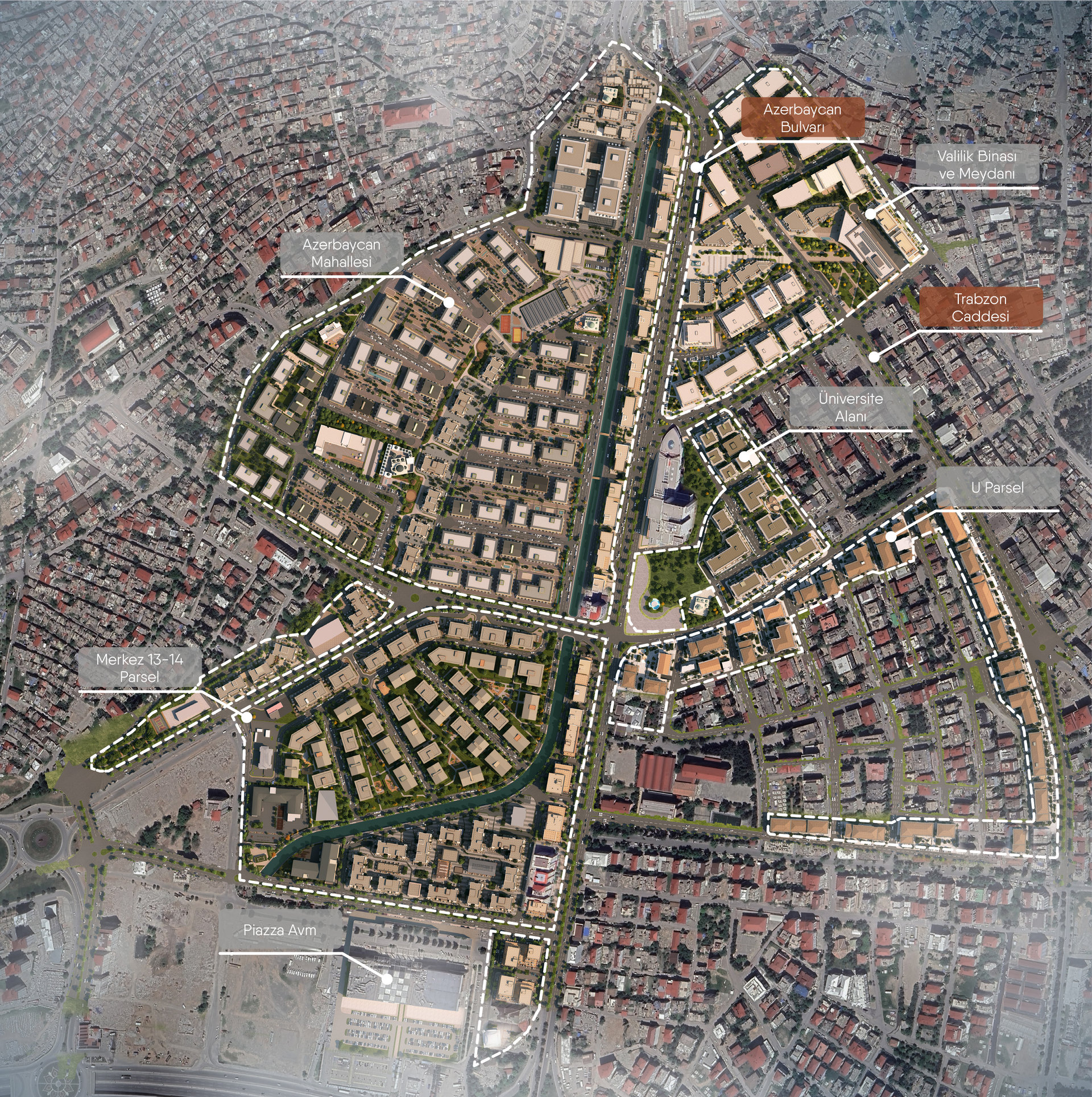
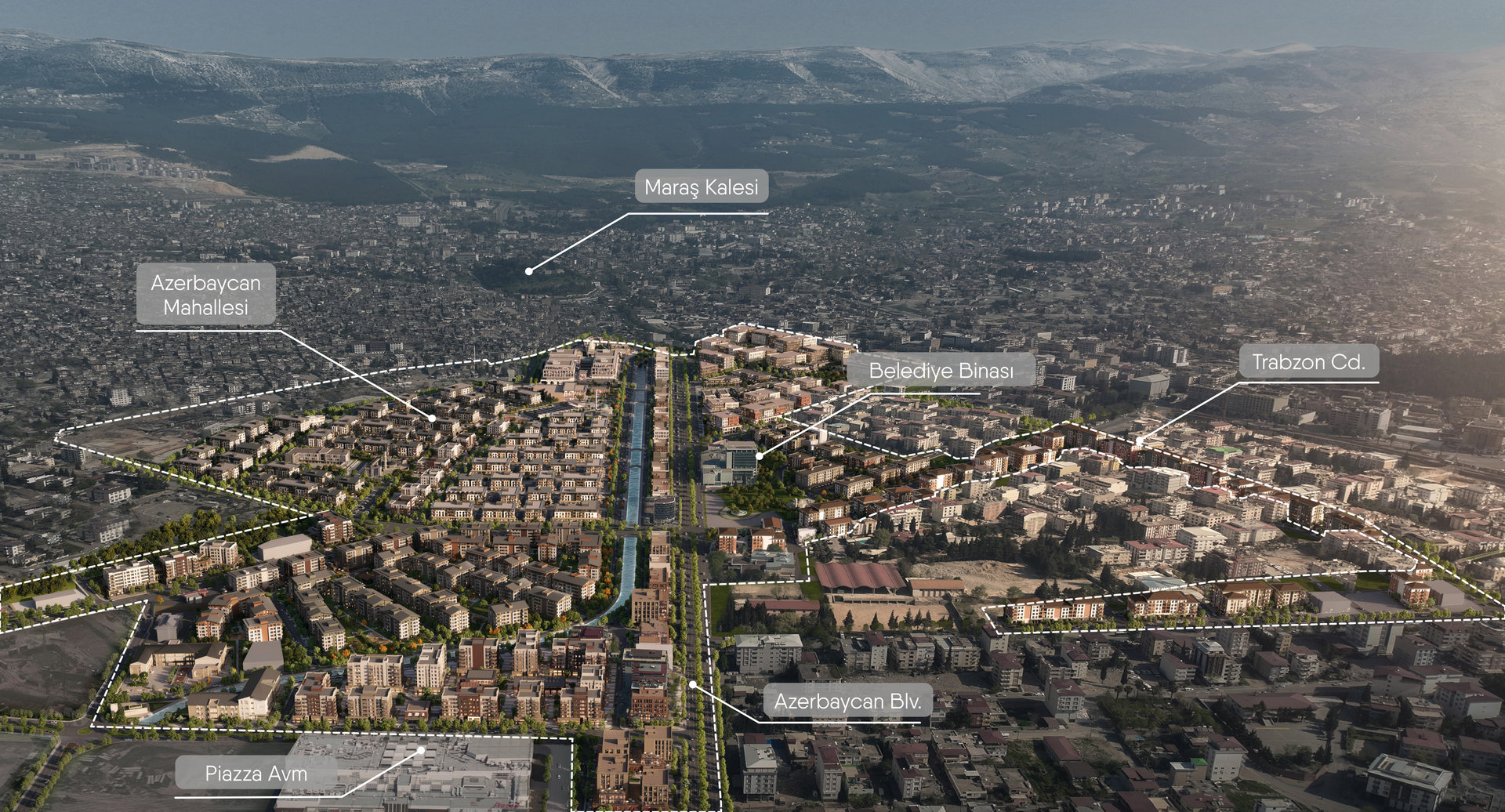
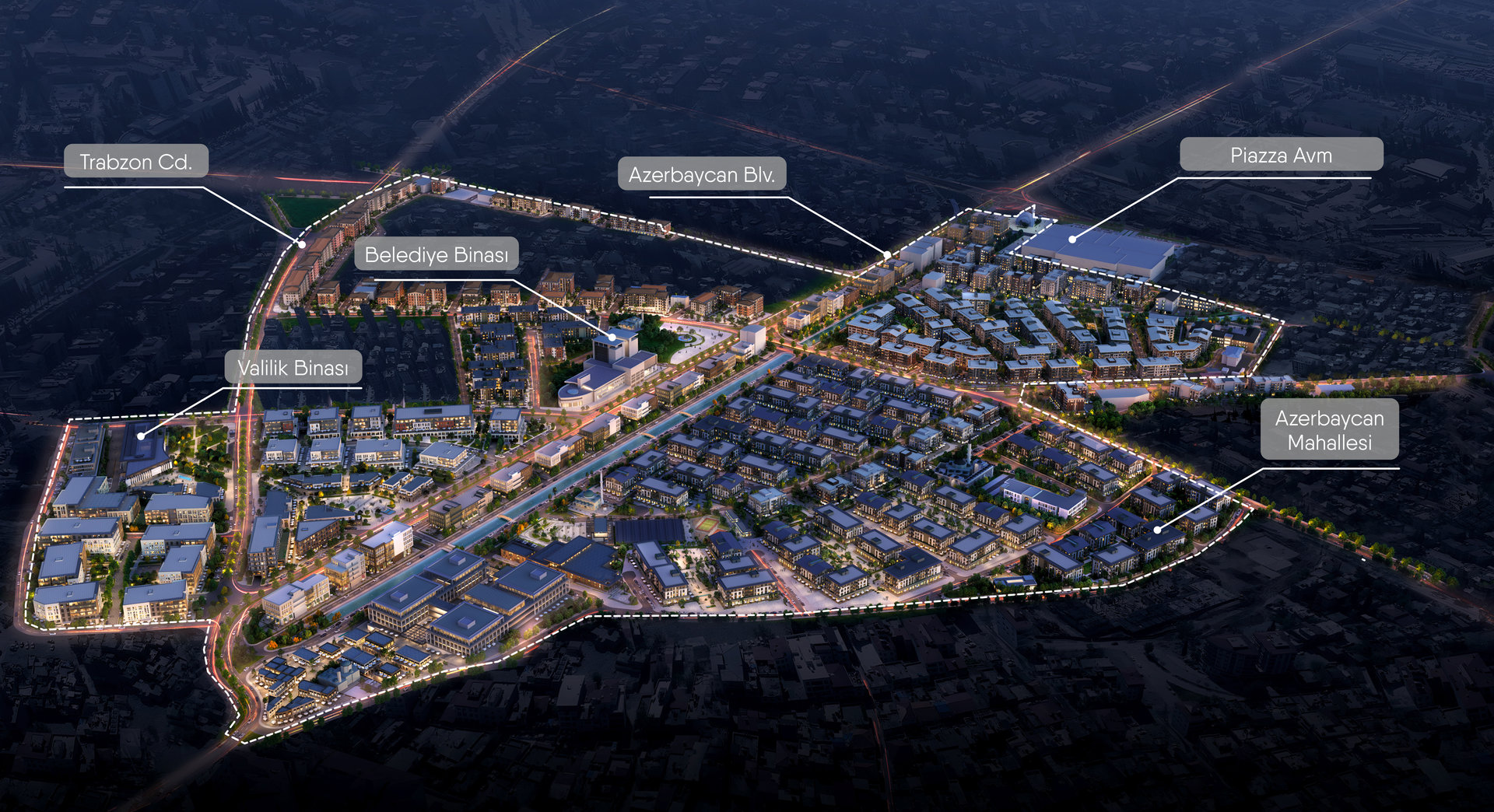
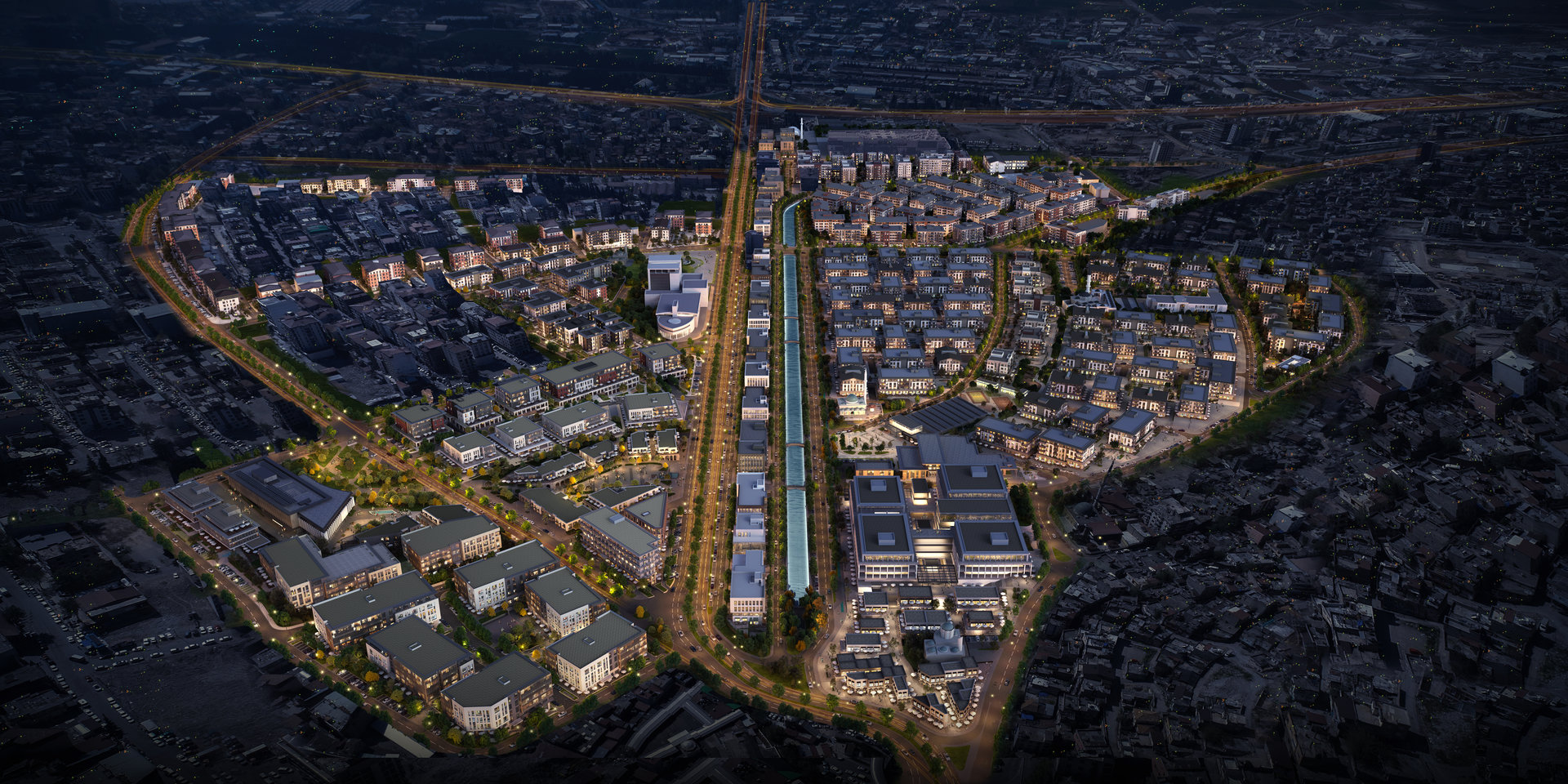
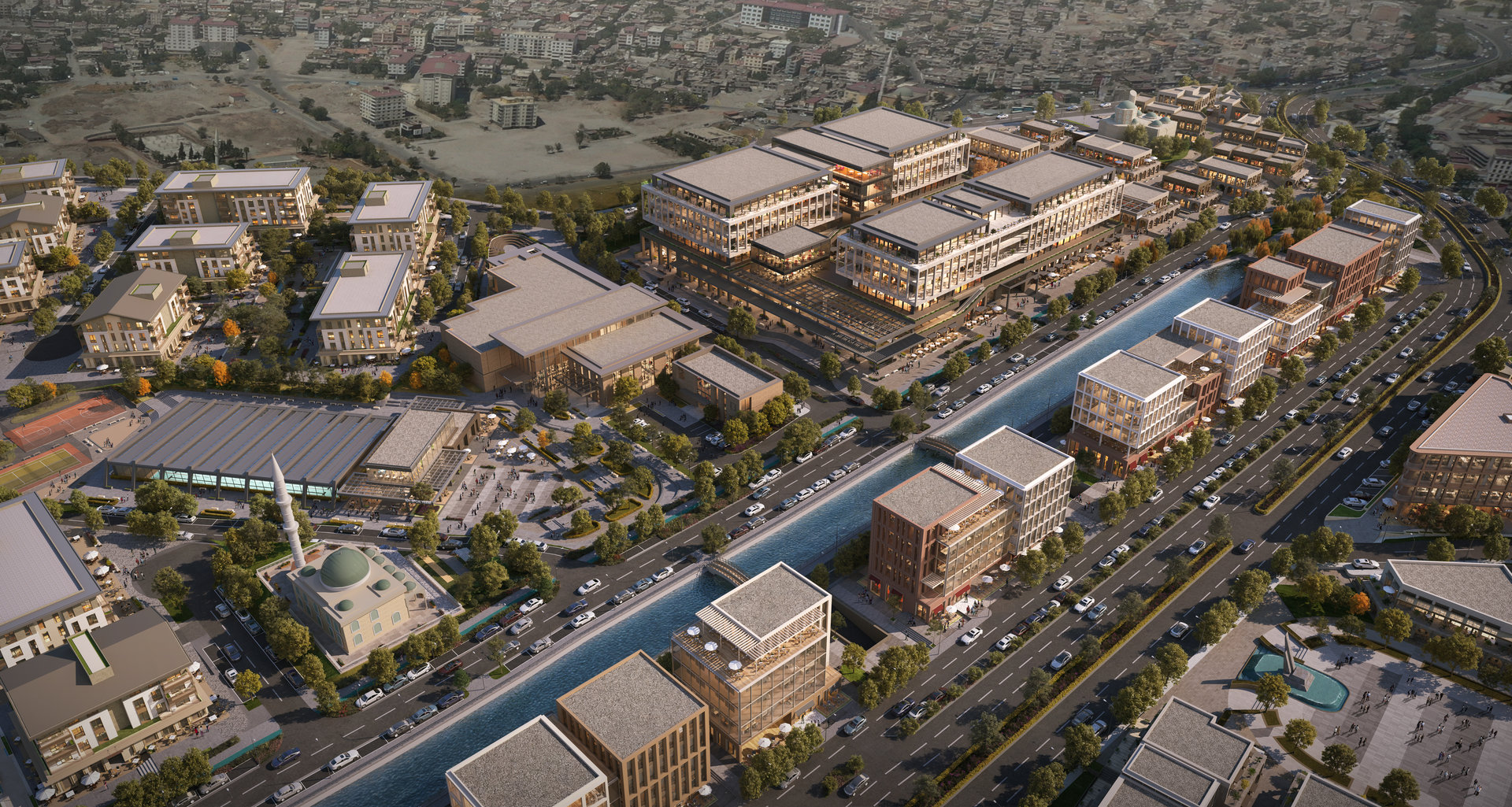
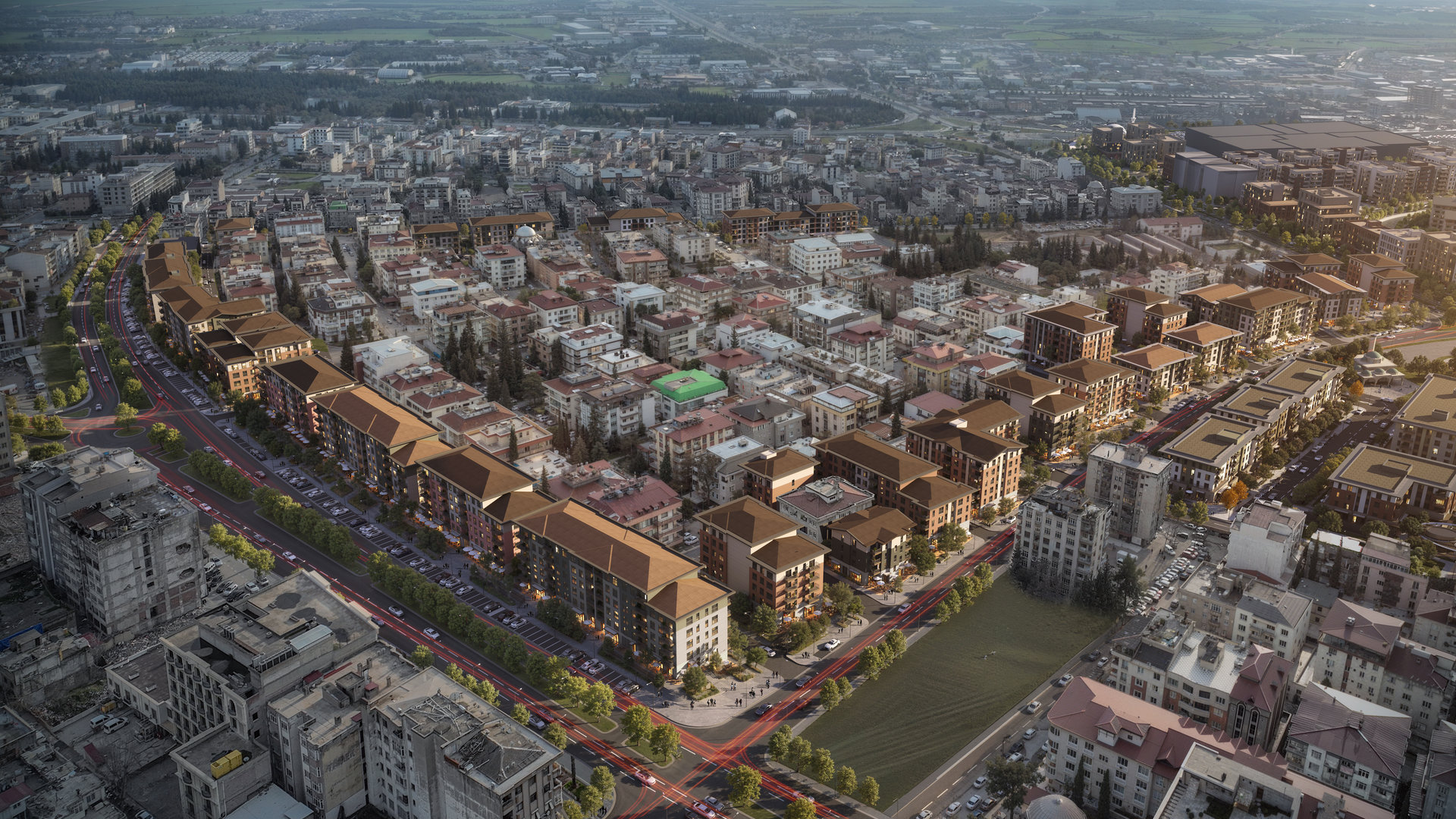
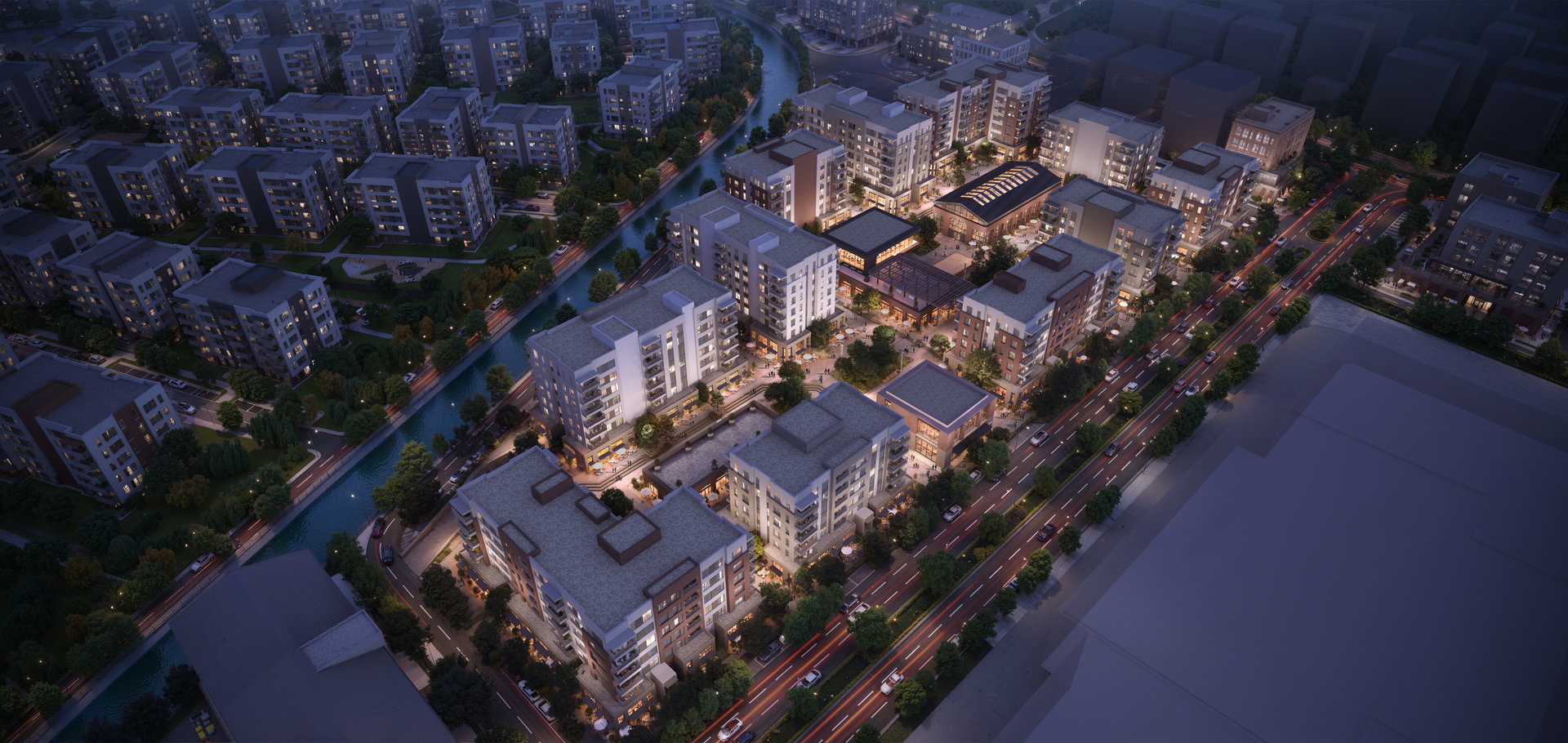
The masterplan centers around Azerbaijan Boulevard, a vital north-south axis intersecting the heart of the city. The project spans five interconnected stages aligned along an east-west promenade and redefines the city’s centrality through strategic public space reconfiguration, ecological integration, and user-centered programming.
Site Strategy and Post-Disaster Recalibration
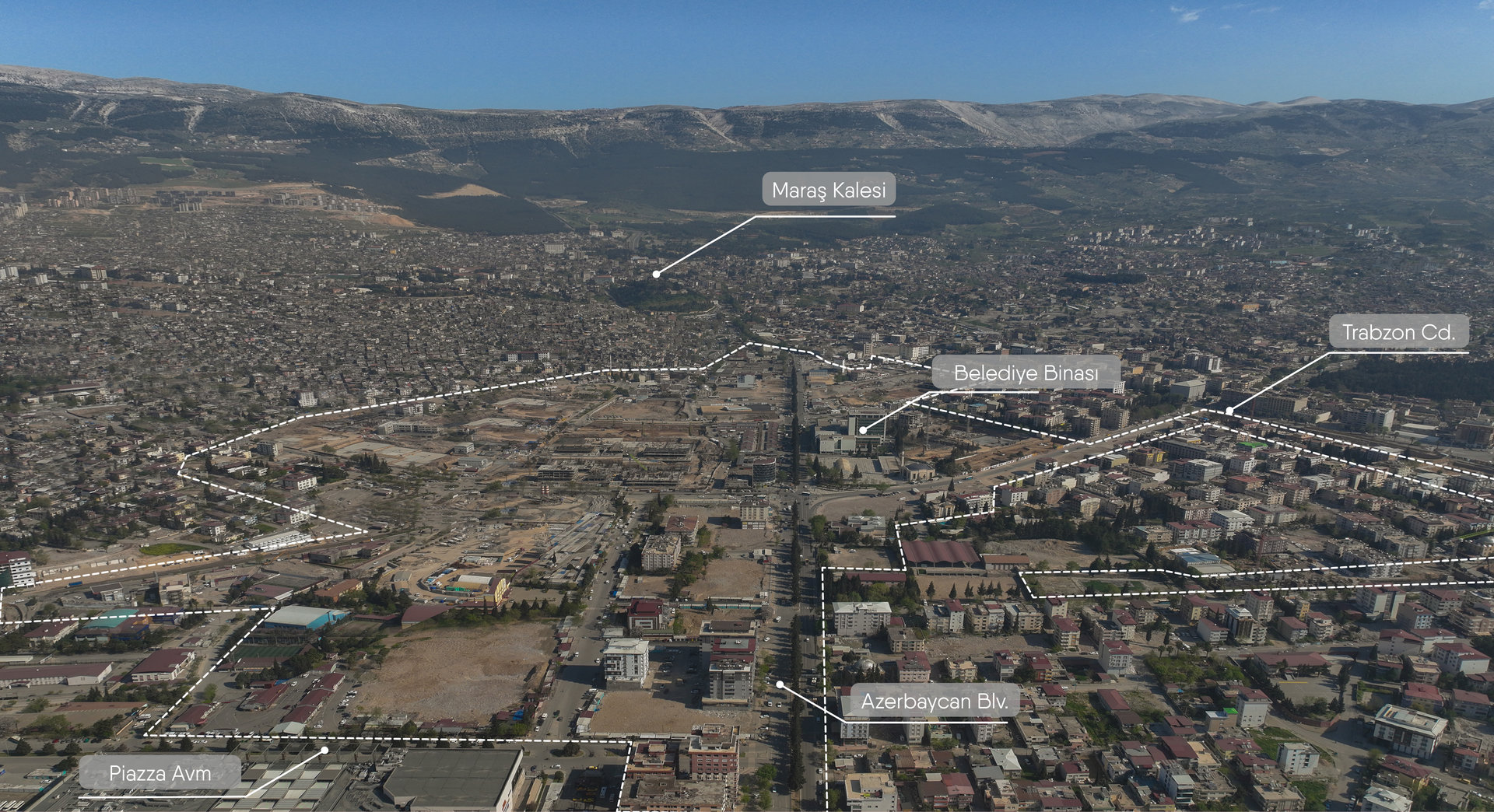
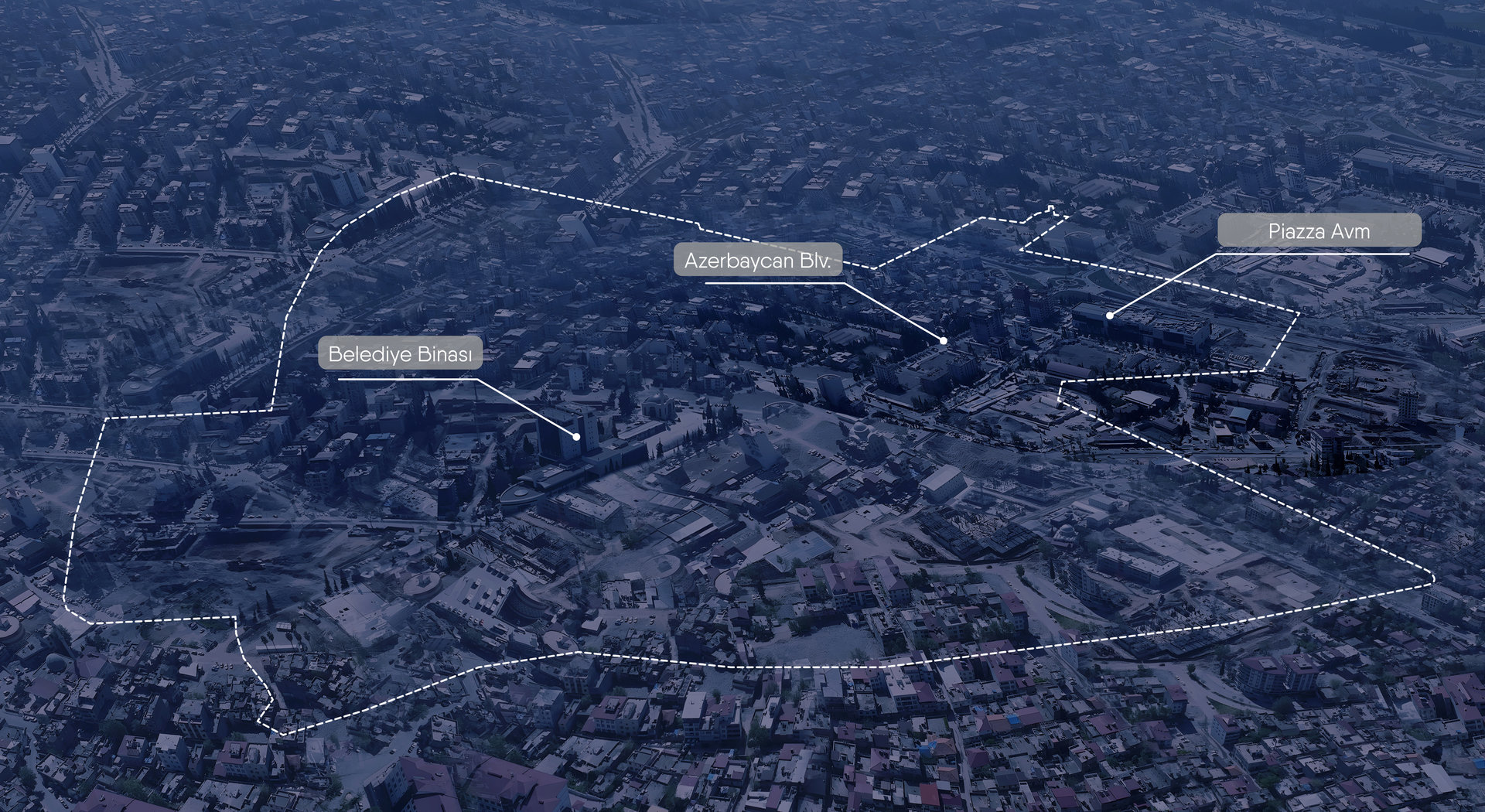
The selected project zone was one of the most critically affected areas in the Merkez district. Major civic buildings including the former Governorship structure, located directly on the fault line, were severely damaged and subsequently decommissioned. This provided both a challenge and an opportunity to reshape the urban voids into a new civic backbone.
A layered design approach was adopted, prioritizing:
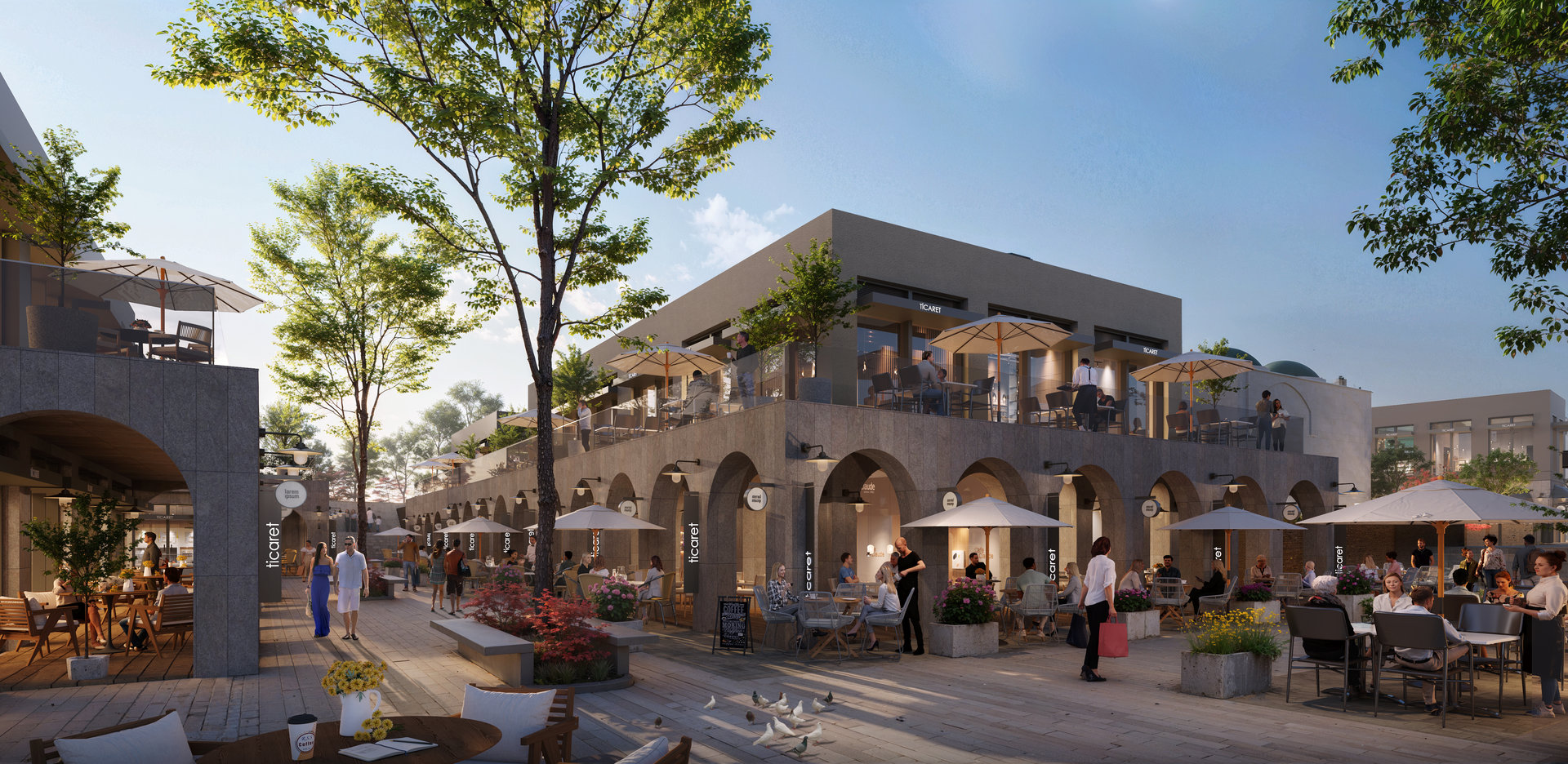
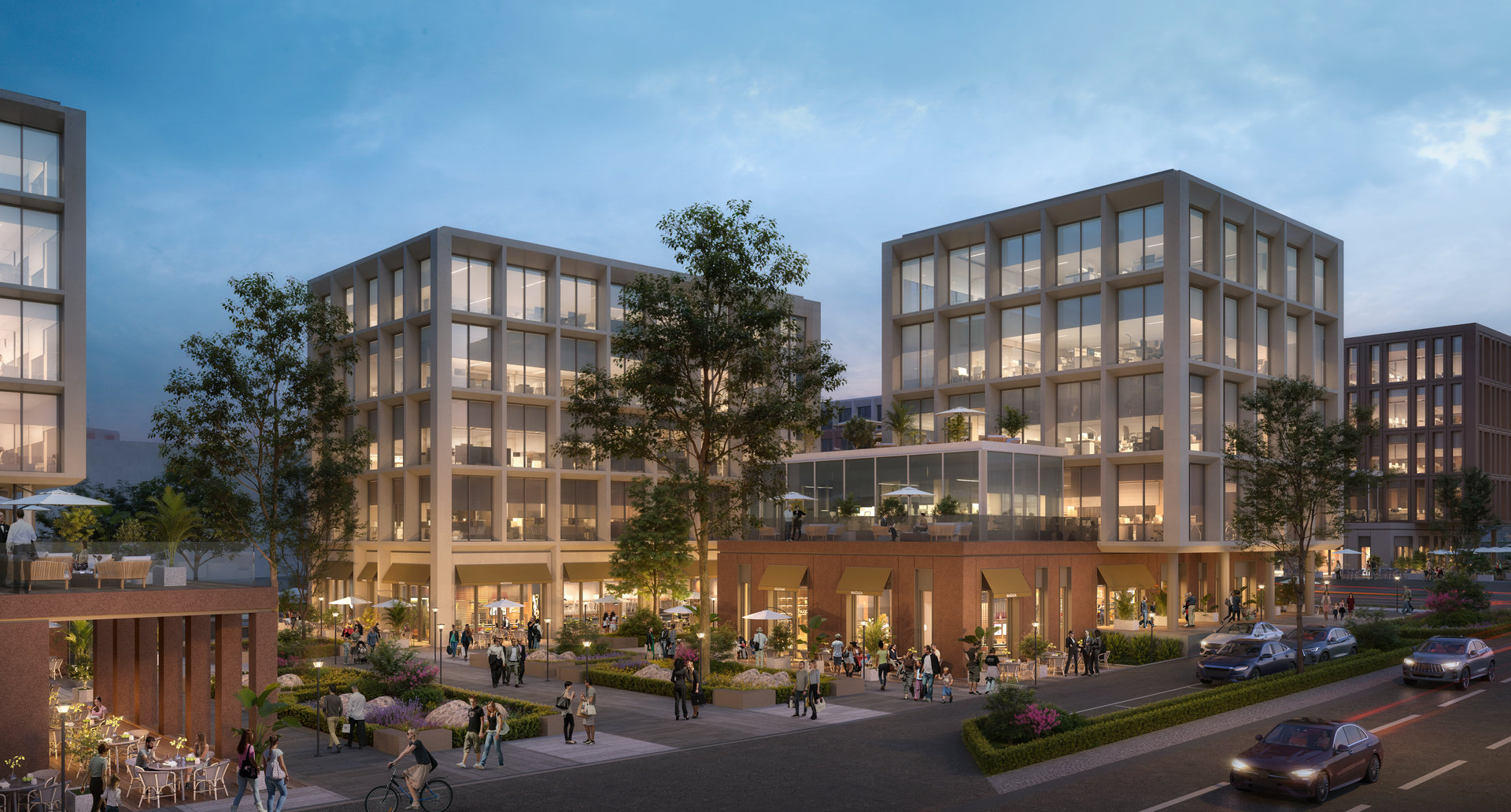
- Reallocation of Urban Density: The commercial intensity of the historic bazaar district is redistributed across the new scheme, creating a polycentric fabric that balances heritage and contemporary functions.
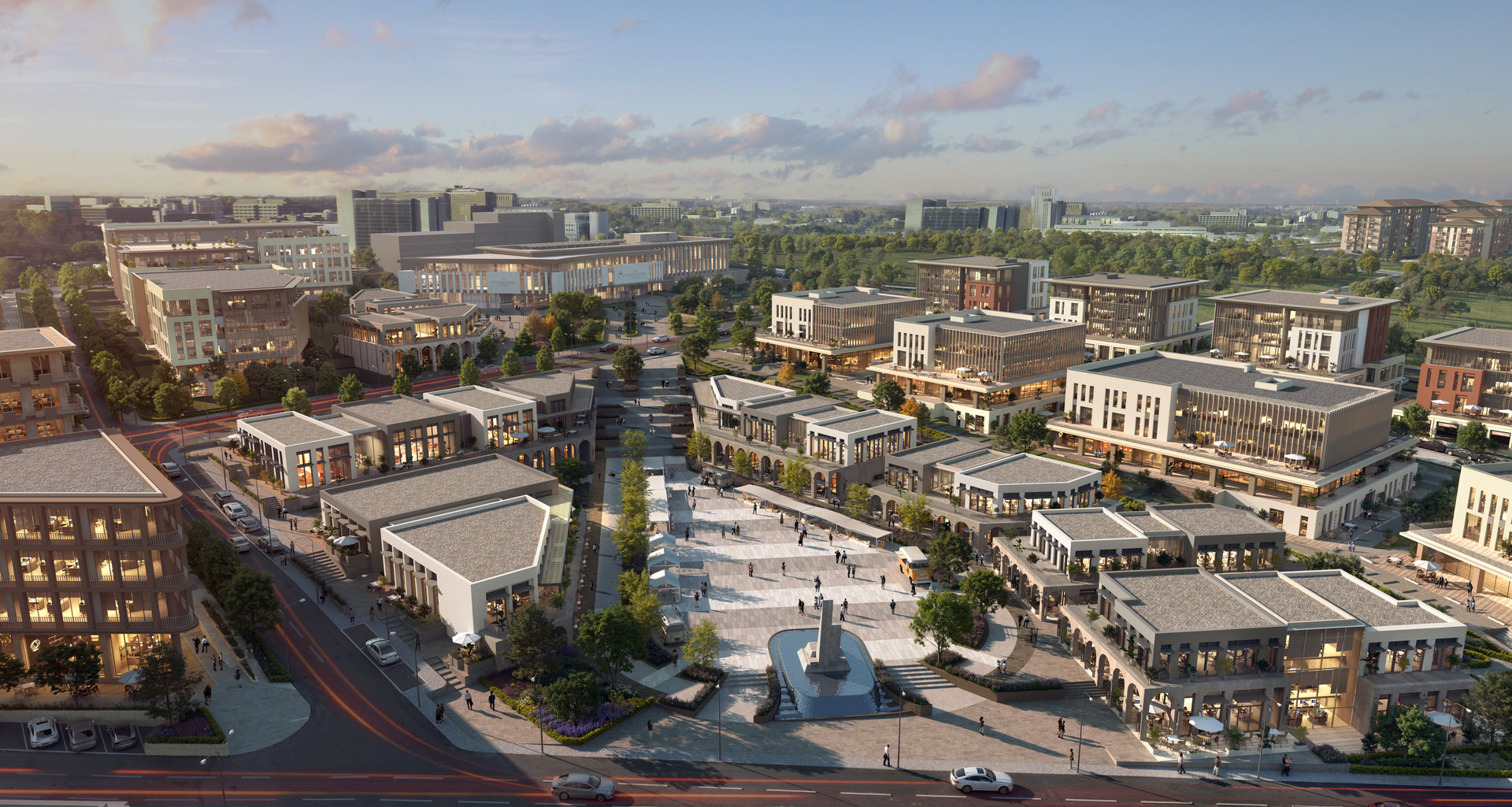
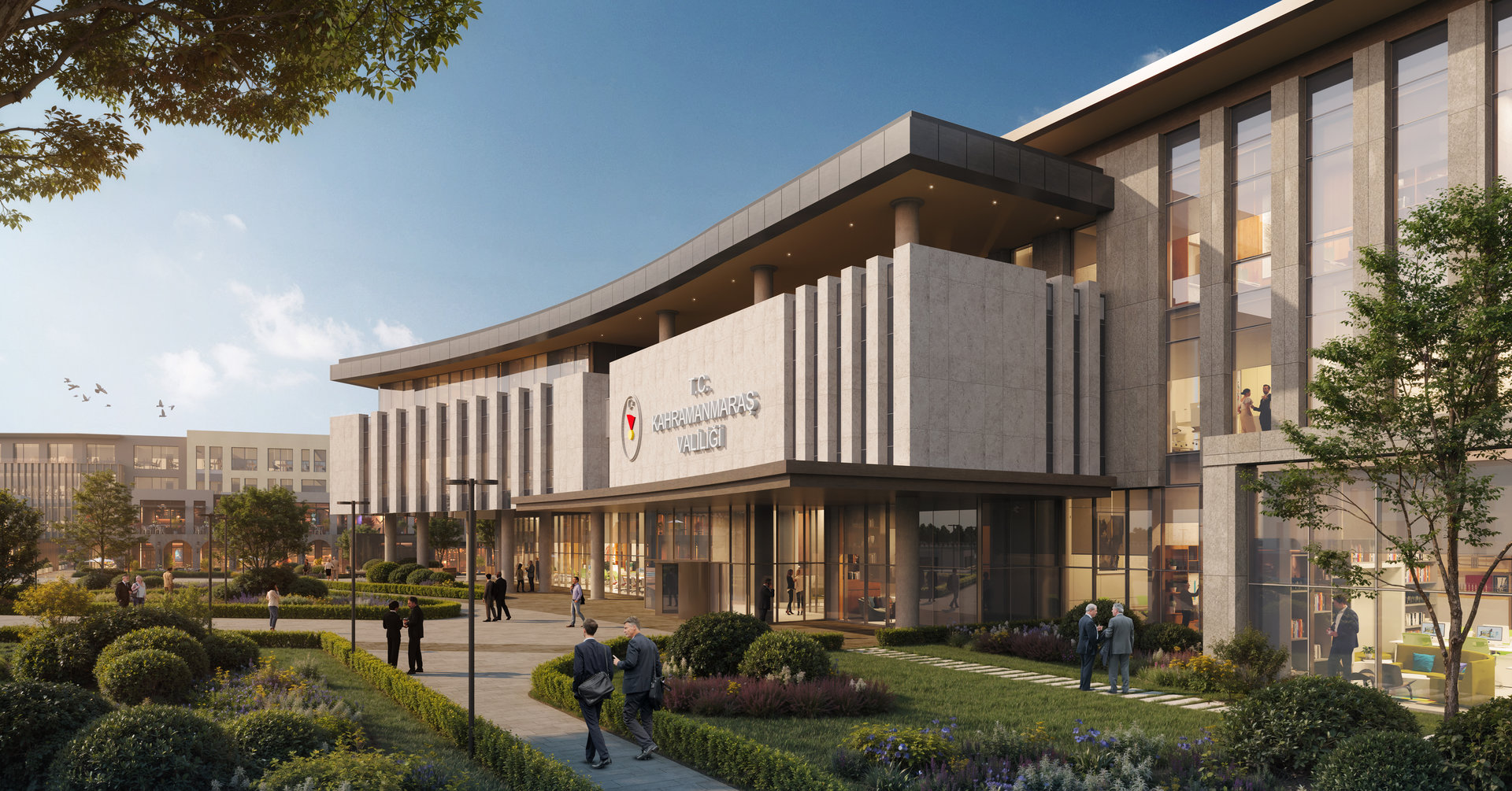
- Civic Anchors and Spatial Memory: The demolished Governor’s Building is reinterpreted as a civic square — an open, democratic space that interfaces with a new government building and surrounding public programs.
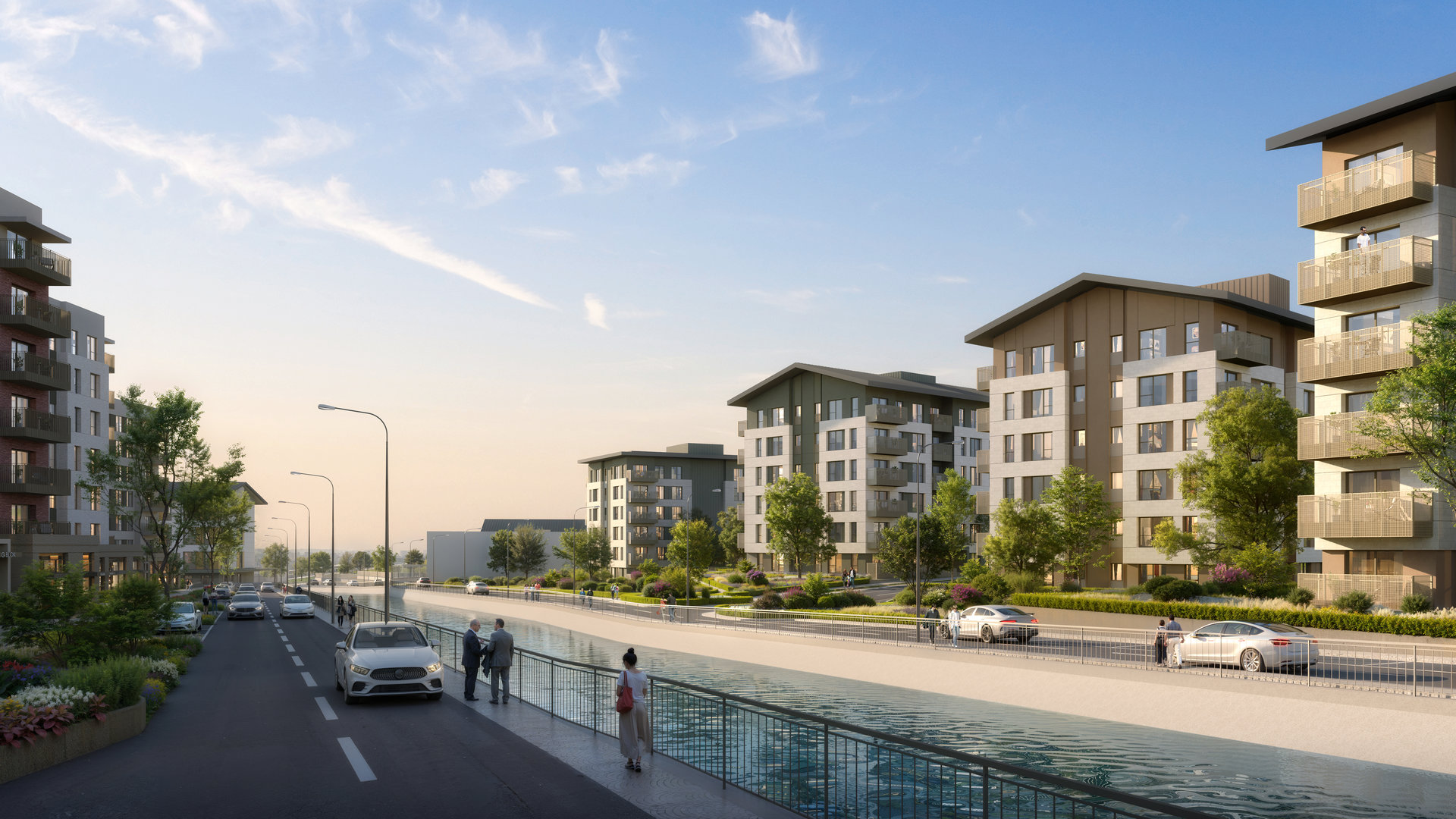
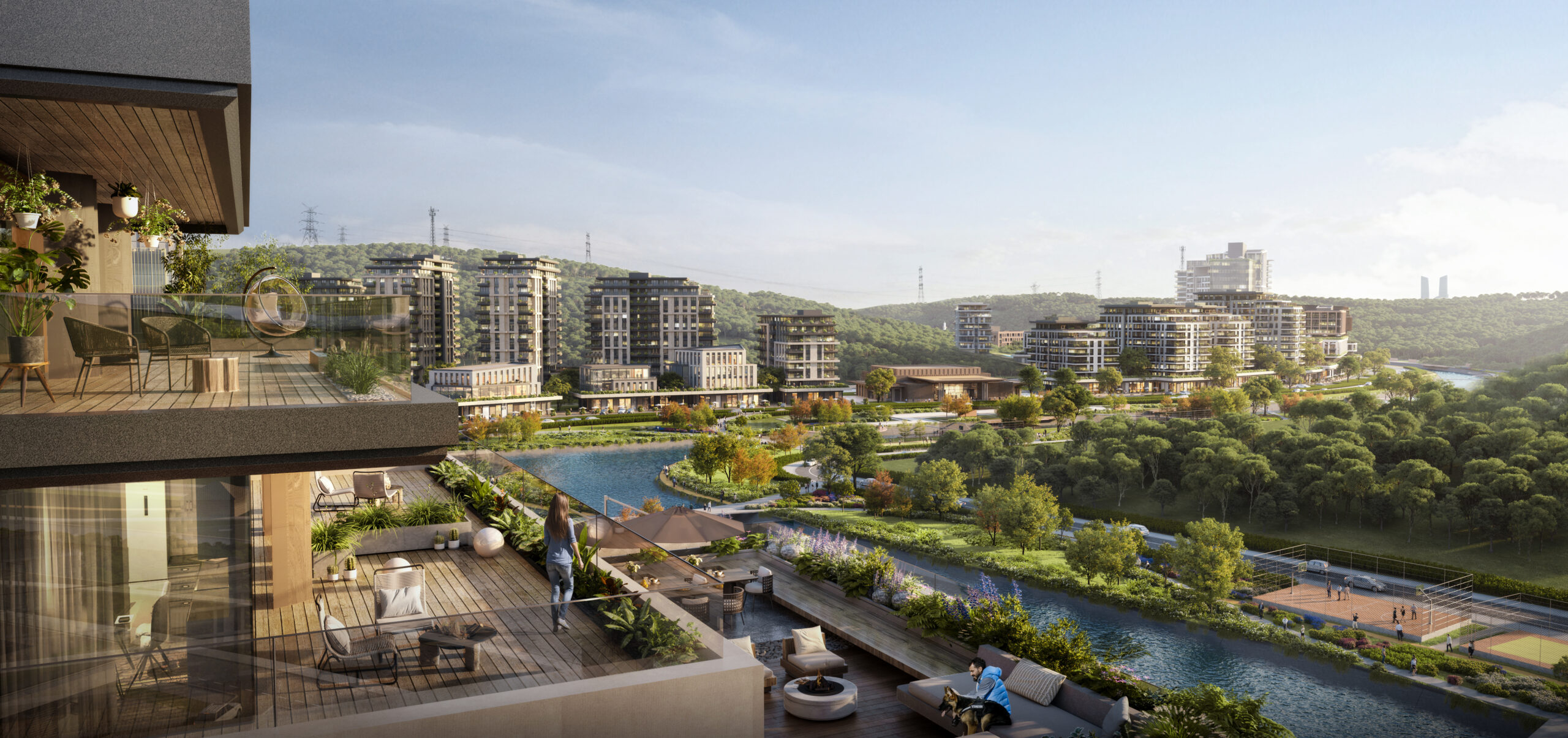
- Reactivation of Natural Systems: A previously covered stream cutting through the site is reintroduced as an ecological and social corridor, redefining relationships between built and natural environments.
Design Principles
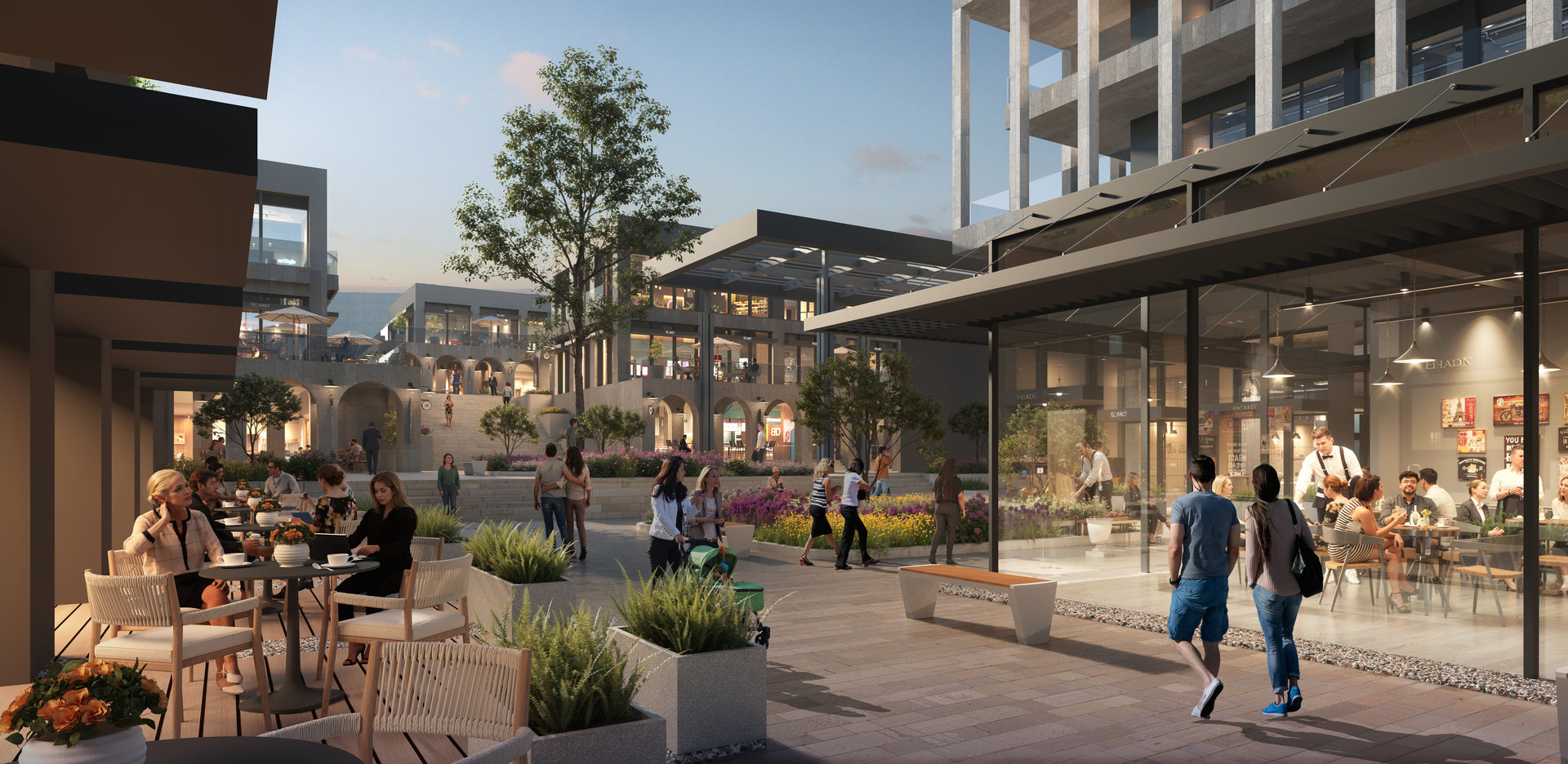
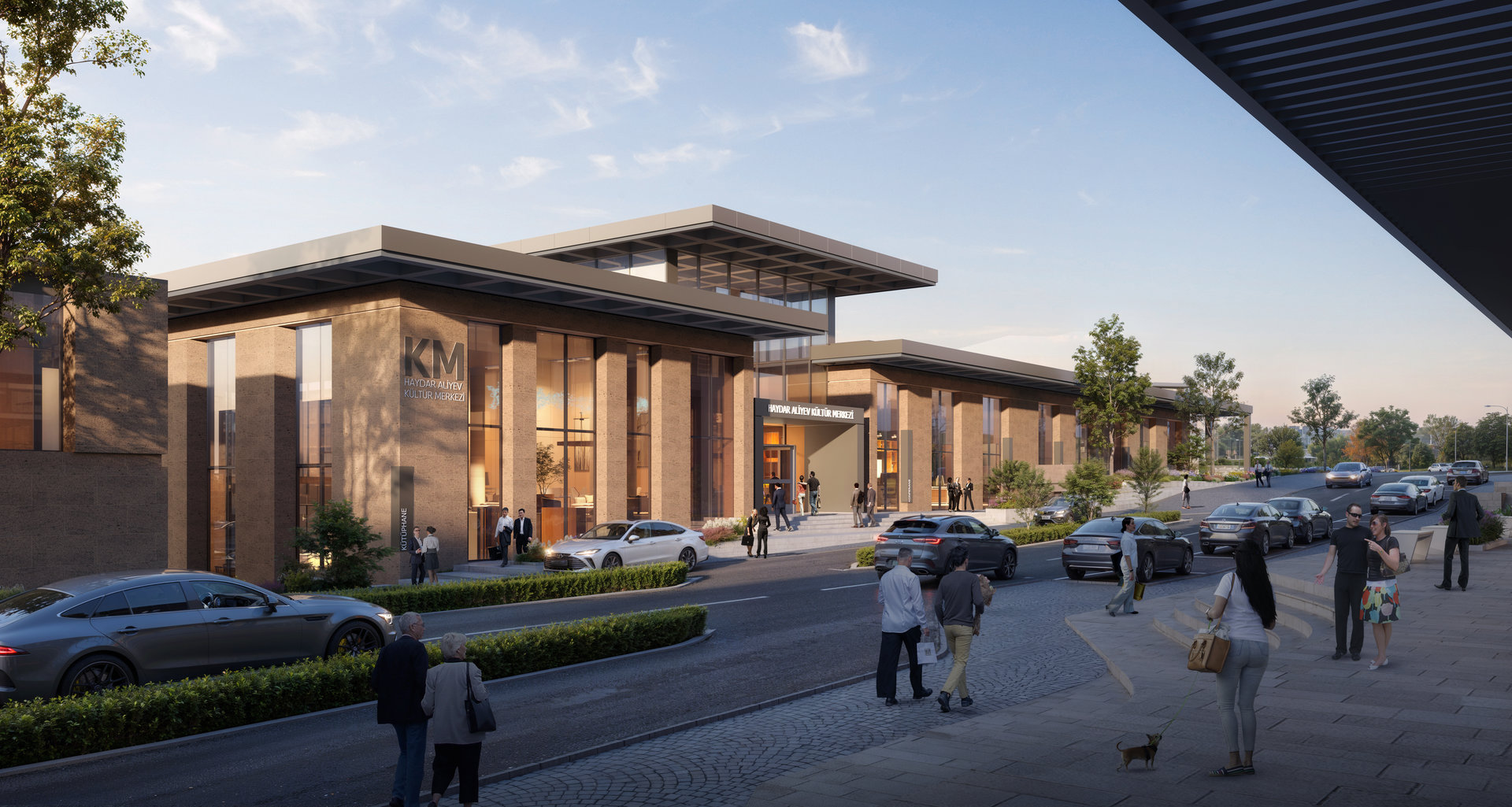
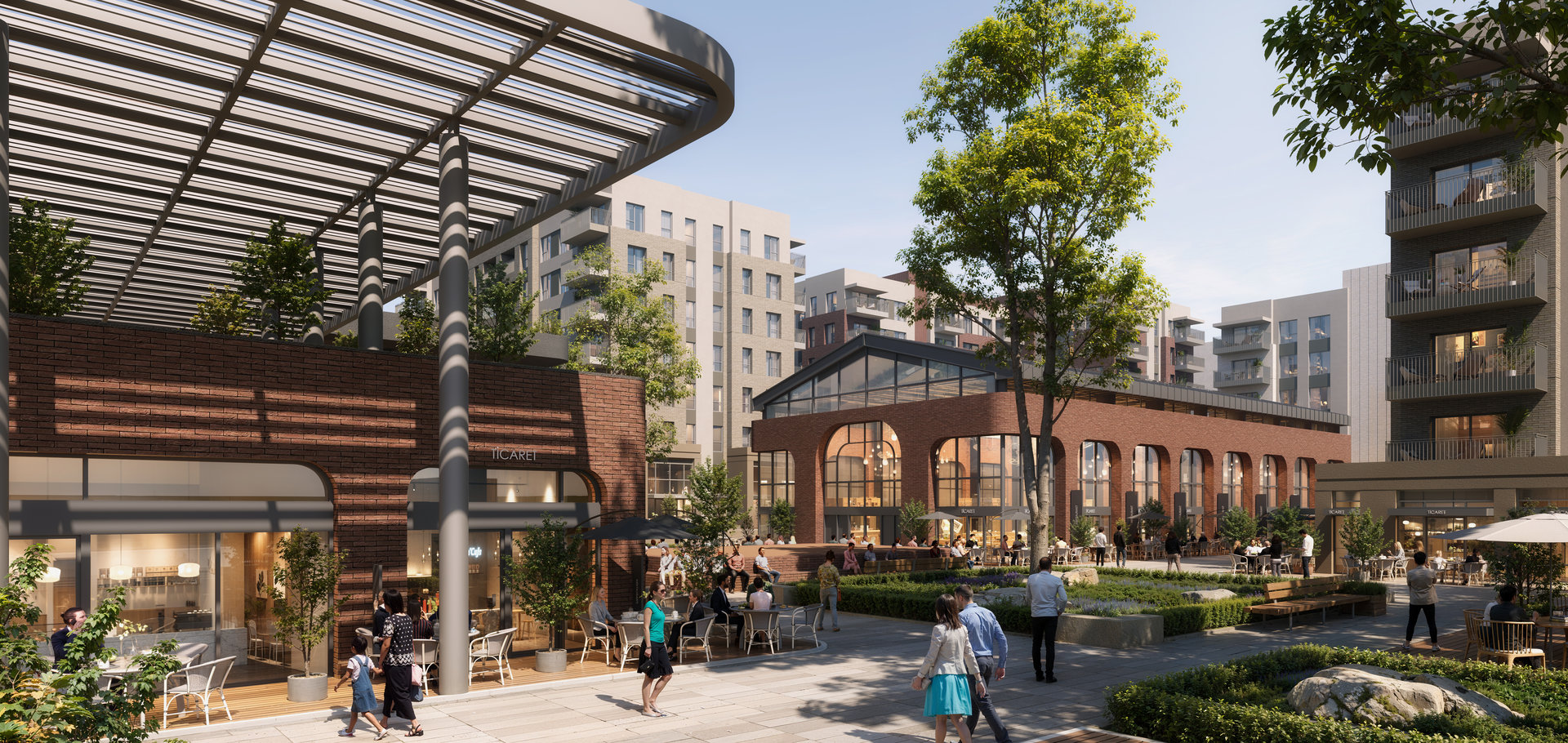
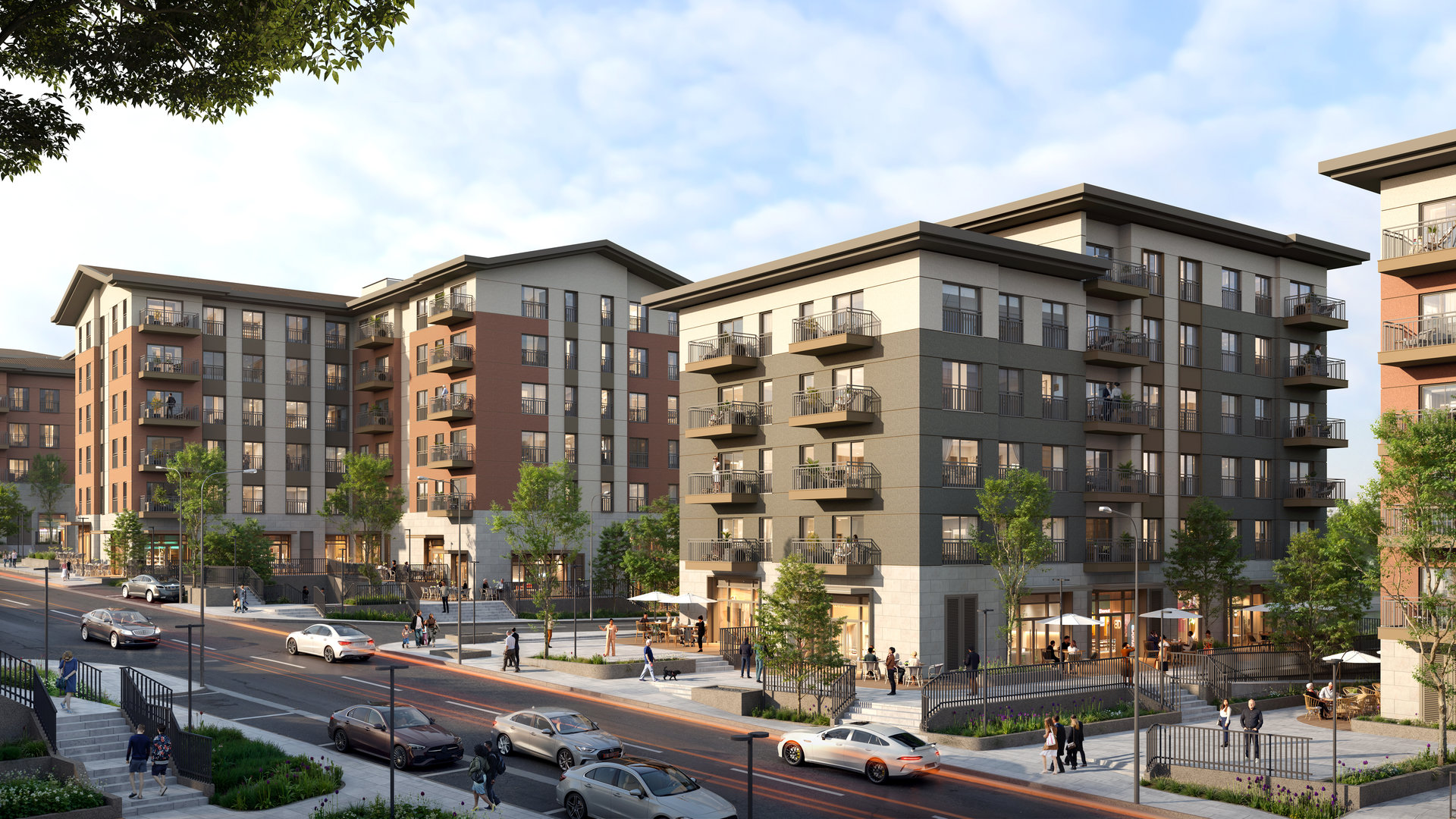
- Integrated Mixed-Use Fabric: Residential blocks are intertwined with commercial units, cultural venues, and community infrastructure such as a sports center and engineering/architecture chambers, ensuring diversity and vibrancy throughout the day.
- Human-Centric Connectivity: All parcels are designed around walkability, visual porosity, and interaction with open spaces. The orientation of buildings and alignment of streets respond to both climatic conditions and user flows.
- Ecological Regeneration: The revitalized stream becomes a key spatial and ecological organizer, enhancing microclimate conditions and establishing a soft green corridor that links neighborhoods with civic and cultural nodes.
- Incremental Phasing: The masterplan is structured to allow adaptive implementation, enabling flexible growth over time and responsive integration with local governance and community stakeholders.
Reclaiming Urban Life After Loss
The Kahramanmaraş Post-Disaster Urban Plan is not solely a reconstruction effort—it is a project of urban healing. By merging spatial resilience with collective memory, the design offers a framework for rebuilding not only physical infrastructure, but also a renewed sense of place, dignity, and belonging.
Gallery