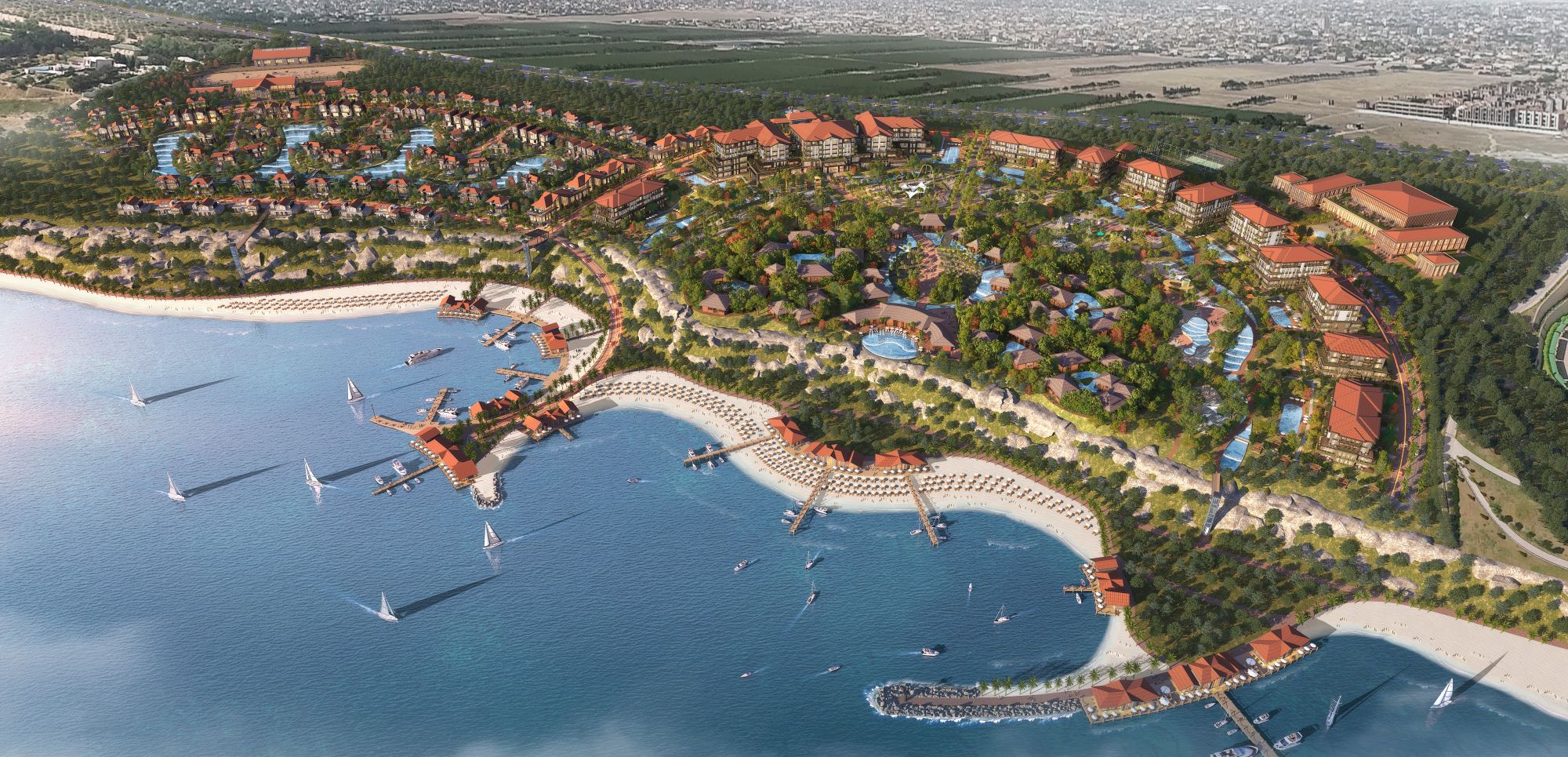
Ankara, Türkiye
Project Type
City Planning and Master Plan
Location
Ankara, Türkiye
Year
2023
Project Service
Master Plan
Project Status
Concept Project
Total Area (m²)
3066037.00
Total Construction Area (m²)
4756768.56
Employer
OYAK Construction
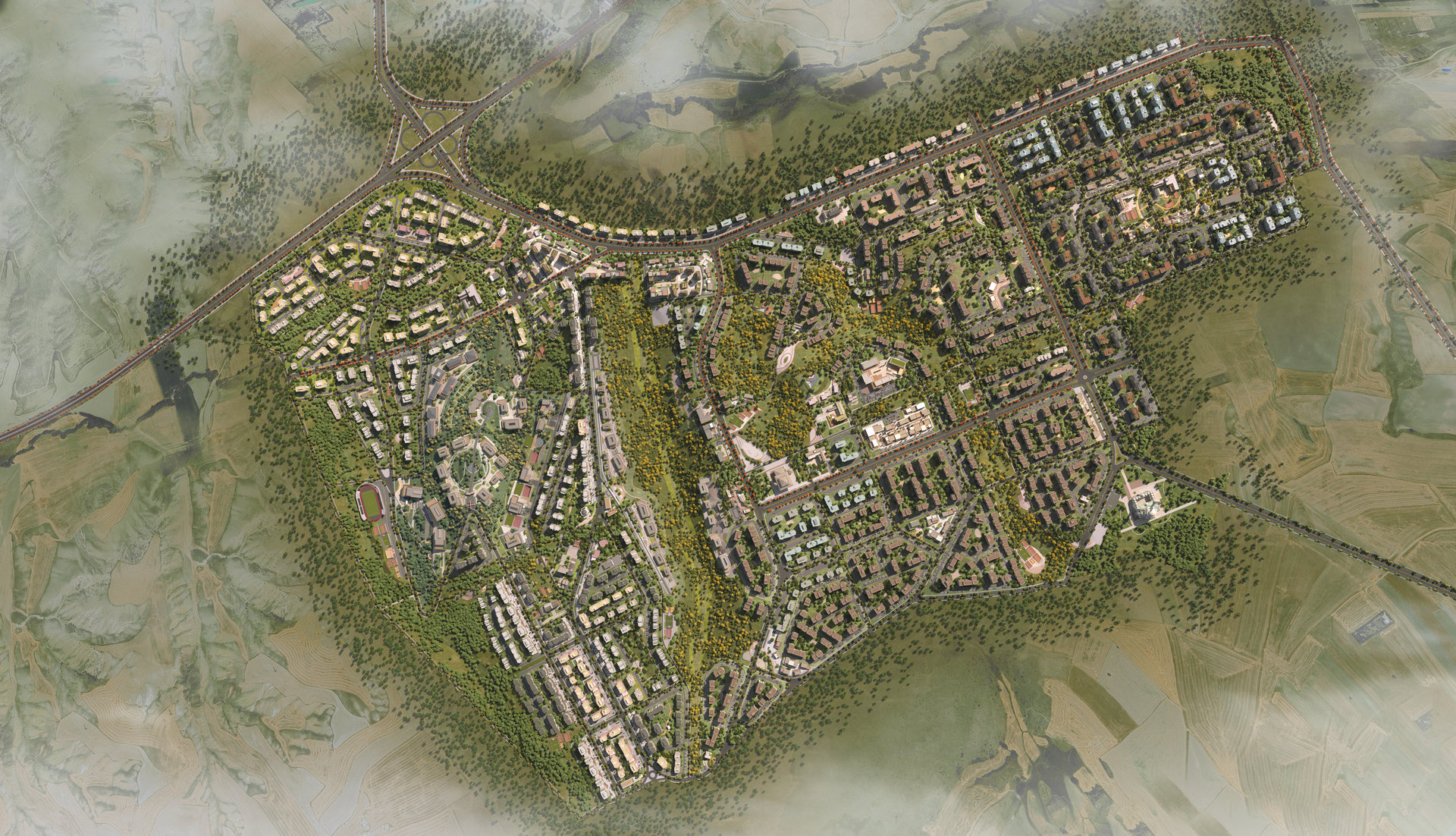
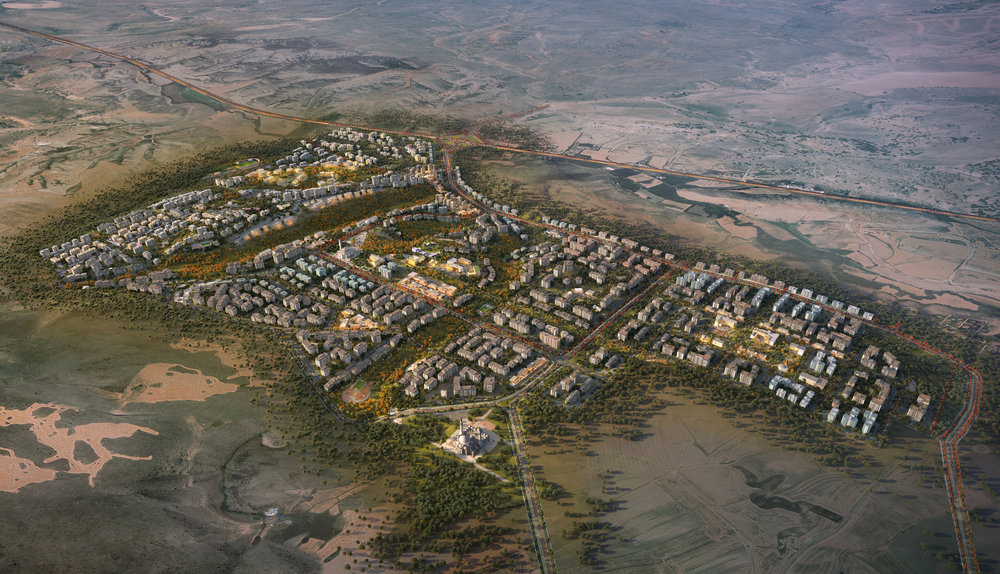
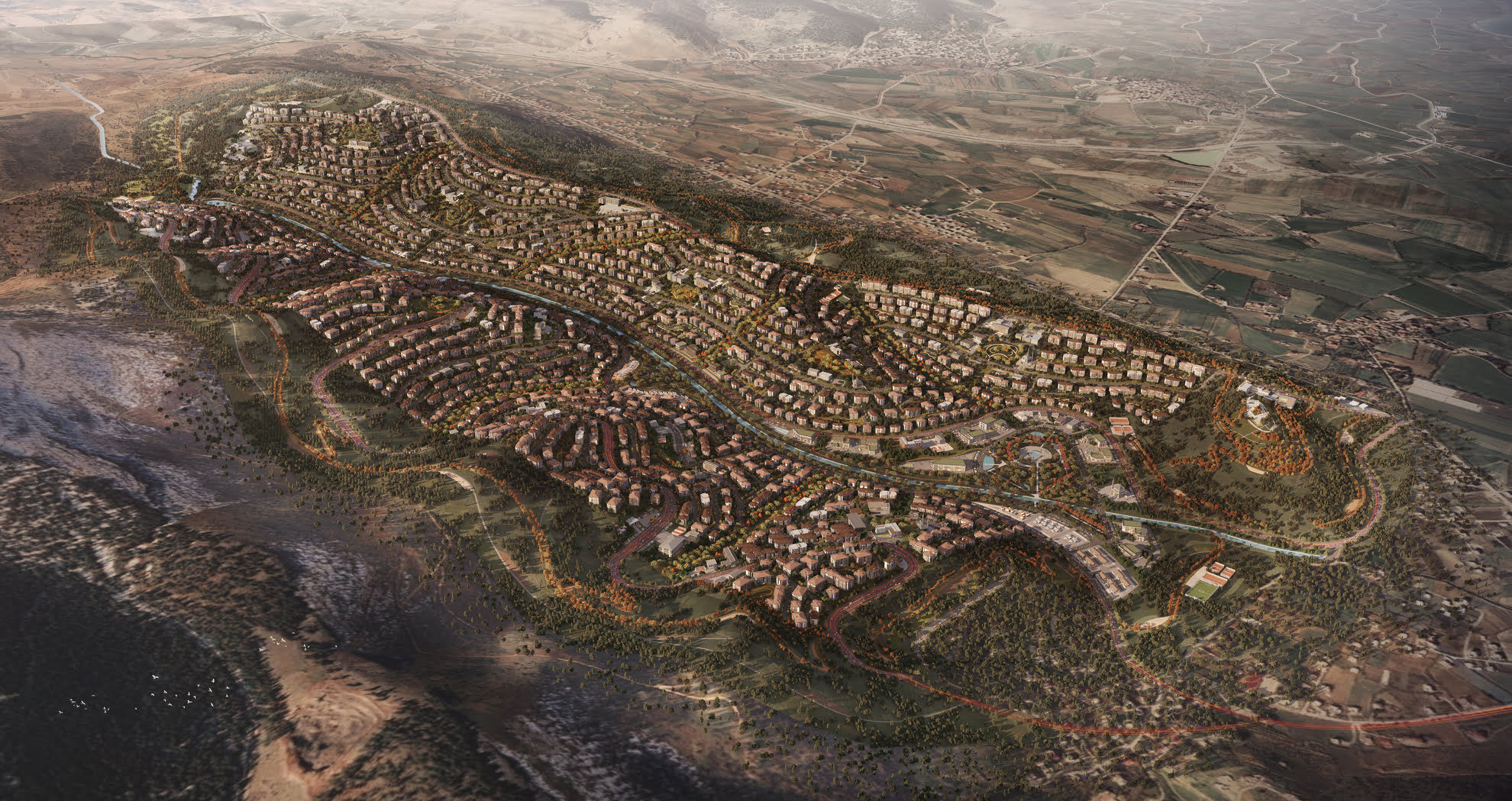
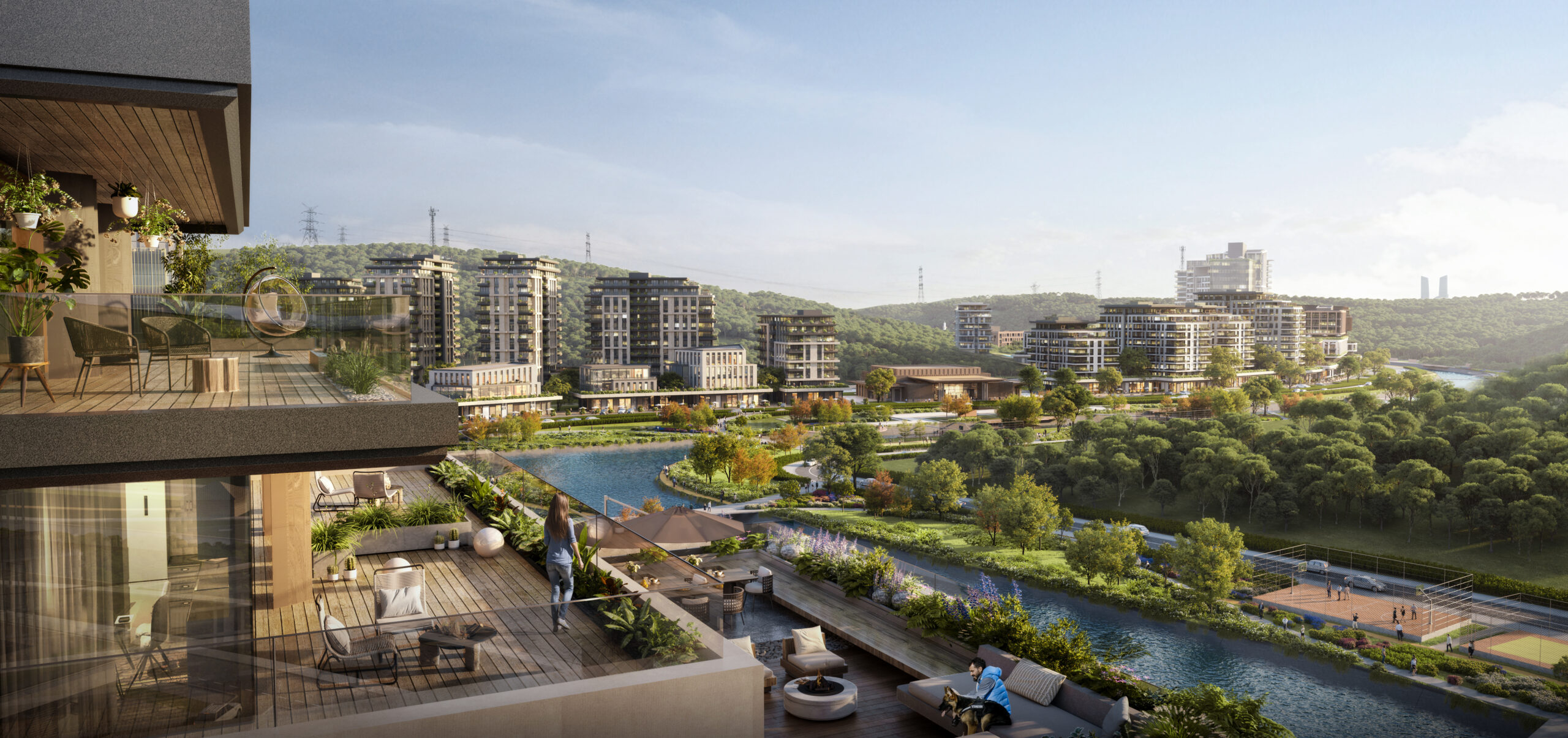
Situated along Ankara’s rapidly expanding western corridor, the OYAK Vadipark project is envisioned as a self-sufficient and adaptable urban fabric centered on social livability, ecological resilience, and economic inclusivity. At the core of the design lies a forward-thinking approach that transcends conventional housing development, addressing user needs, energy efficiency, and the dynamics between public and private spaces in an integrated framework.
Urban Structure and Social Programming
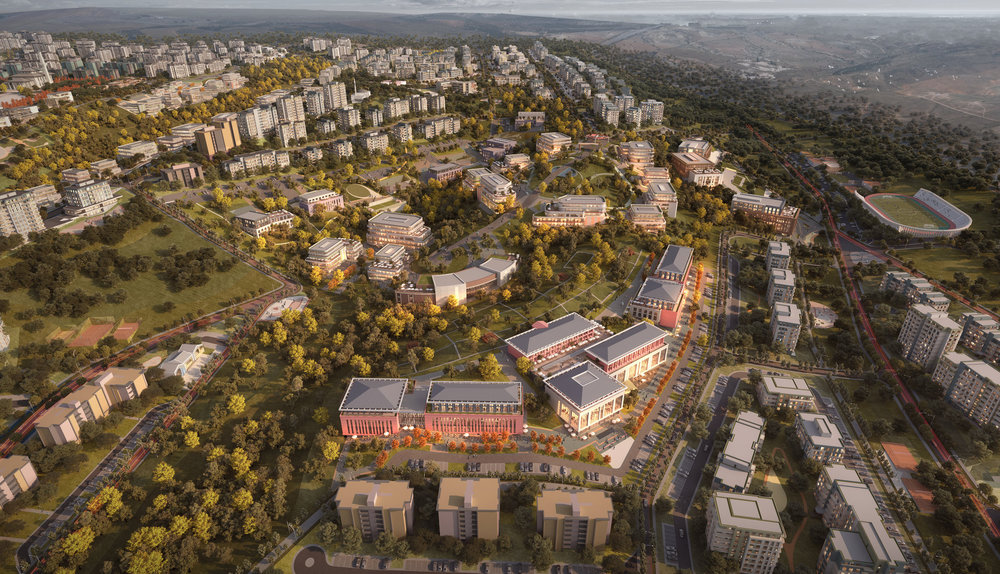
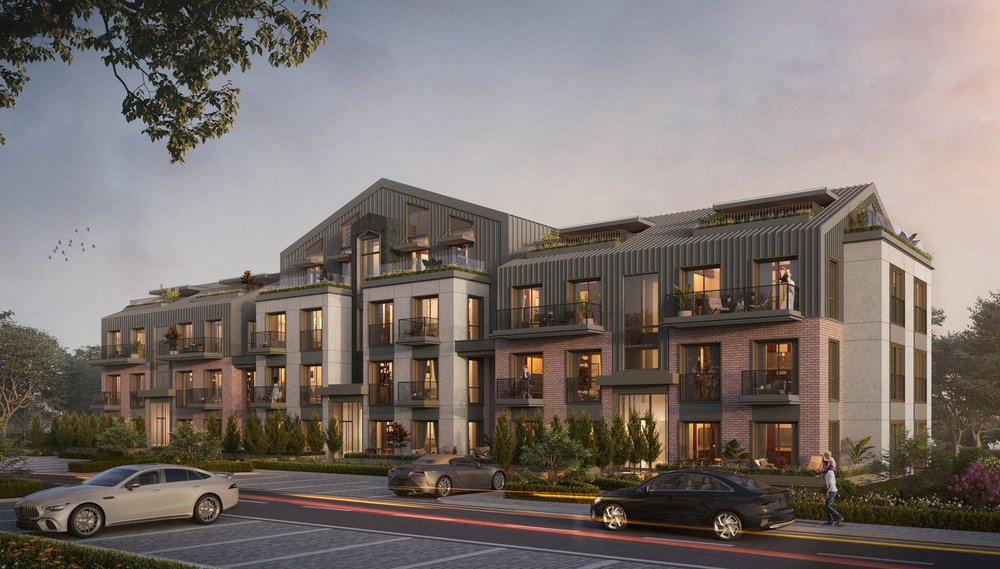
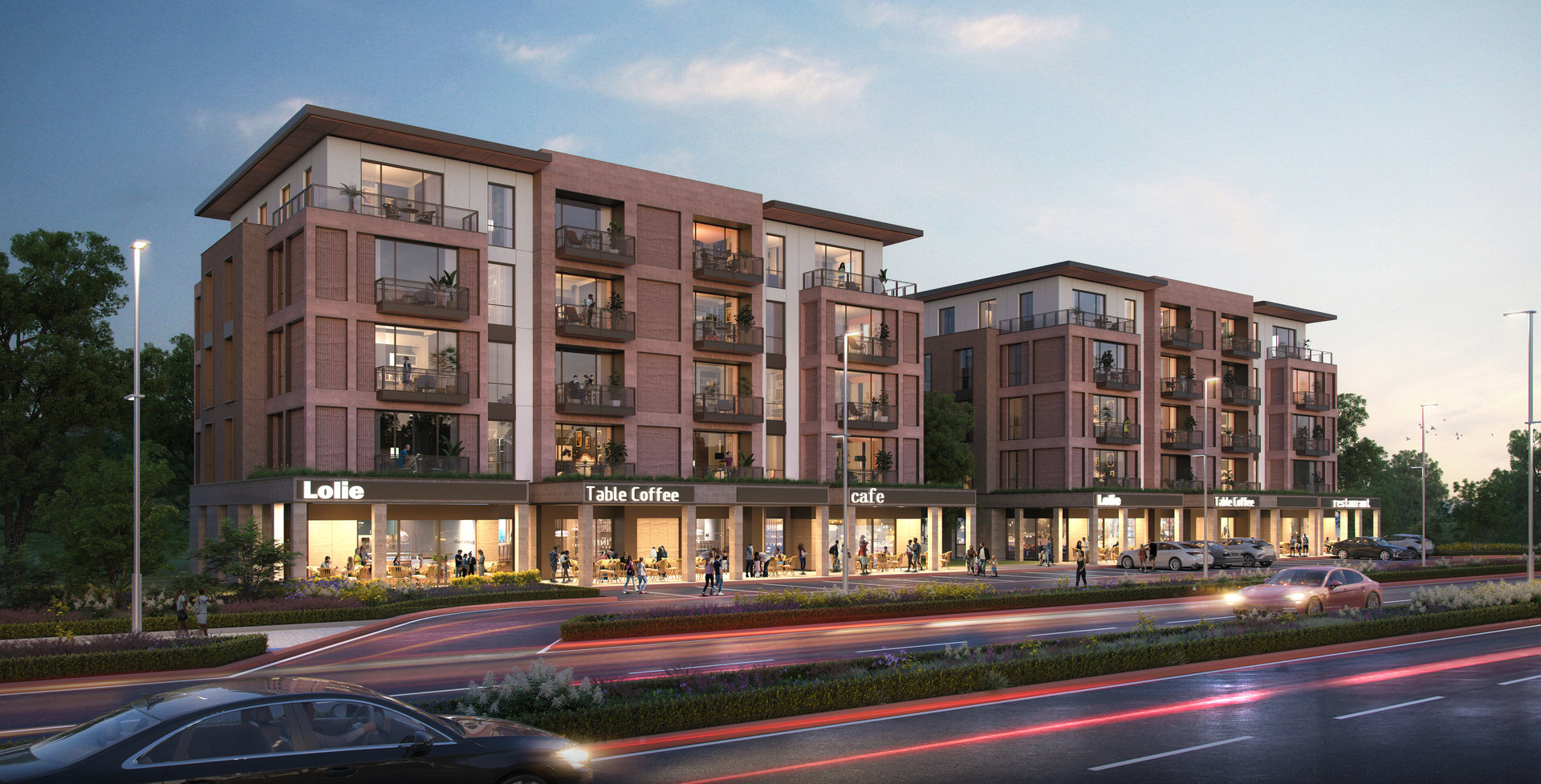
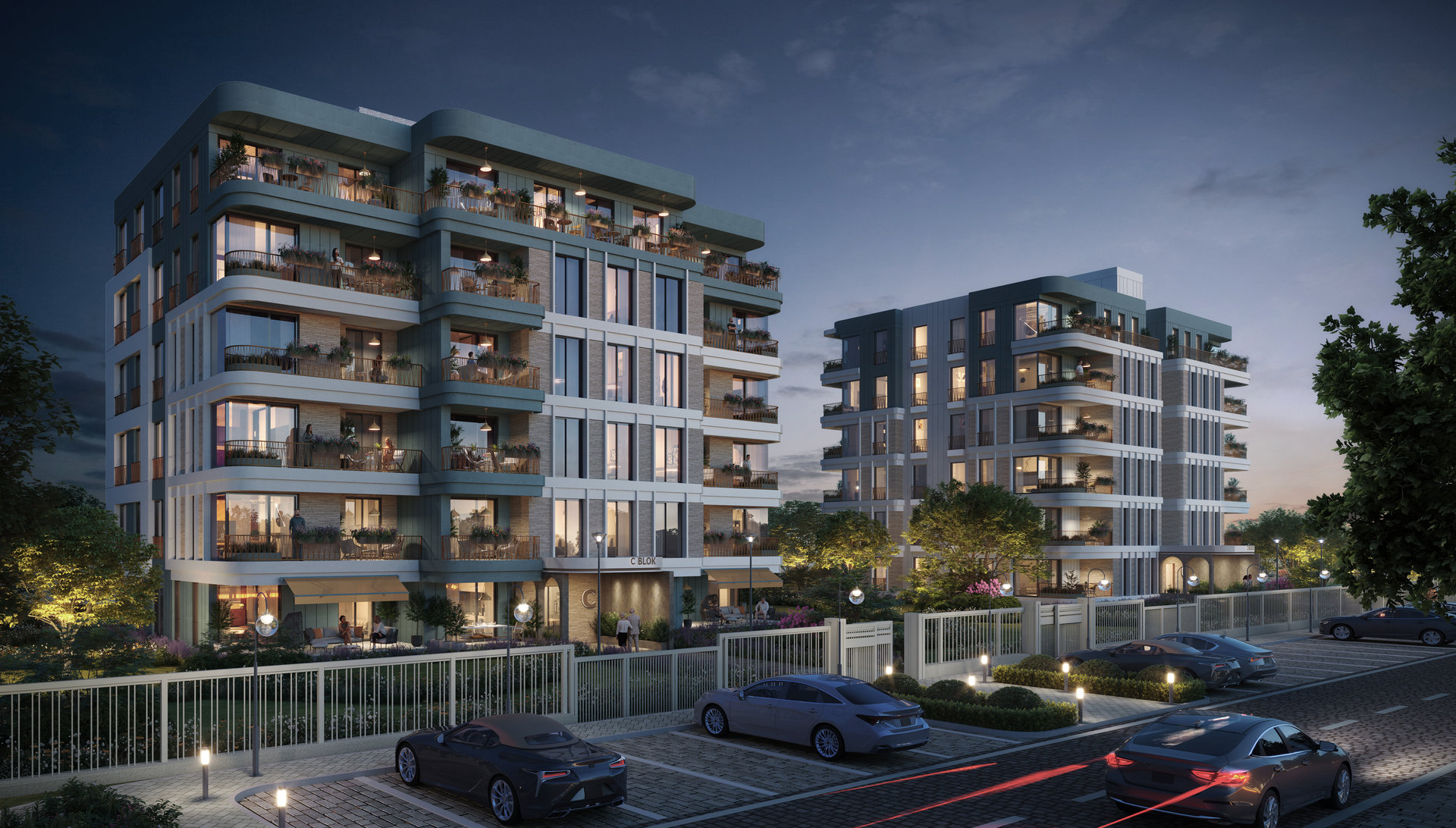
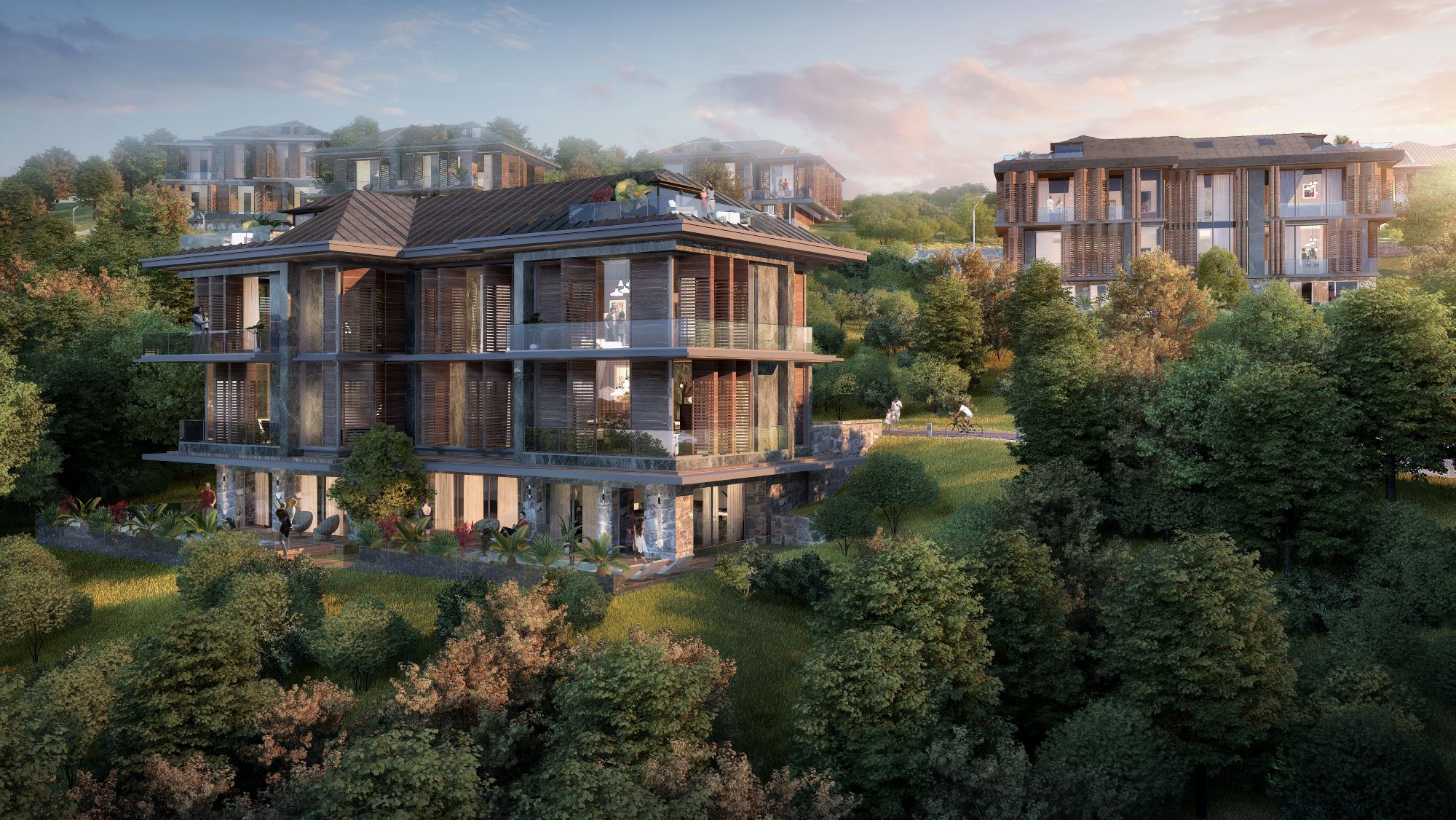
The masterplan is built on a multi-scalar housing typology system that responds to diverse user groups—from young professionals to families and retirees. Each residential unit balances privacy with collective life, offering design flexibility through daylight optimization, balcony articulation, and modular spatial planning. Neighborhoods composed of mixed-use blocks and interaction-driven public squares form the social and cultural backbone of the project, fostering a strong sense of community.
Ecological Design Strategies
Sustainability is embedded across all design scales of the project. Passive environmental strategies such as natural ventilation, optimized solar gain, and facade orientation are employed to reduce energy consumption. Local material use and green infrastructure components lower the project’s carbon footprint, while systems like rainwater harvesting, greywater recycling, and solar panels support a resource-efficient urban lifestyle.
Economic Framework
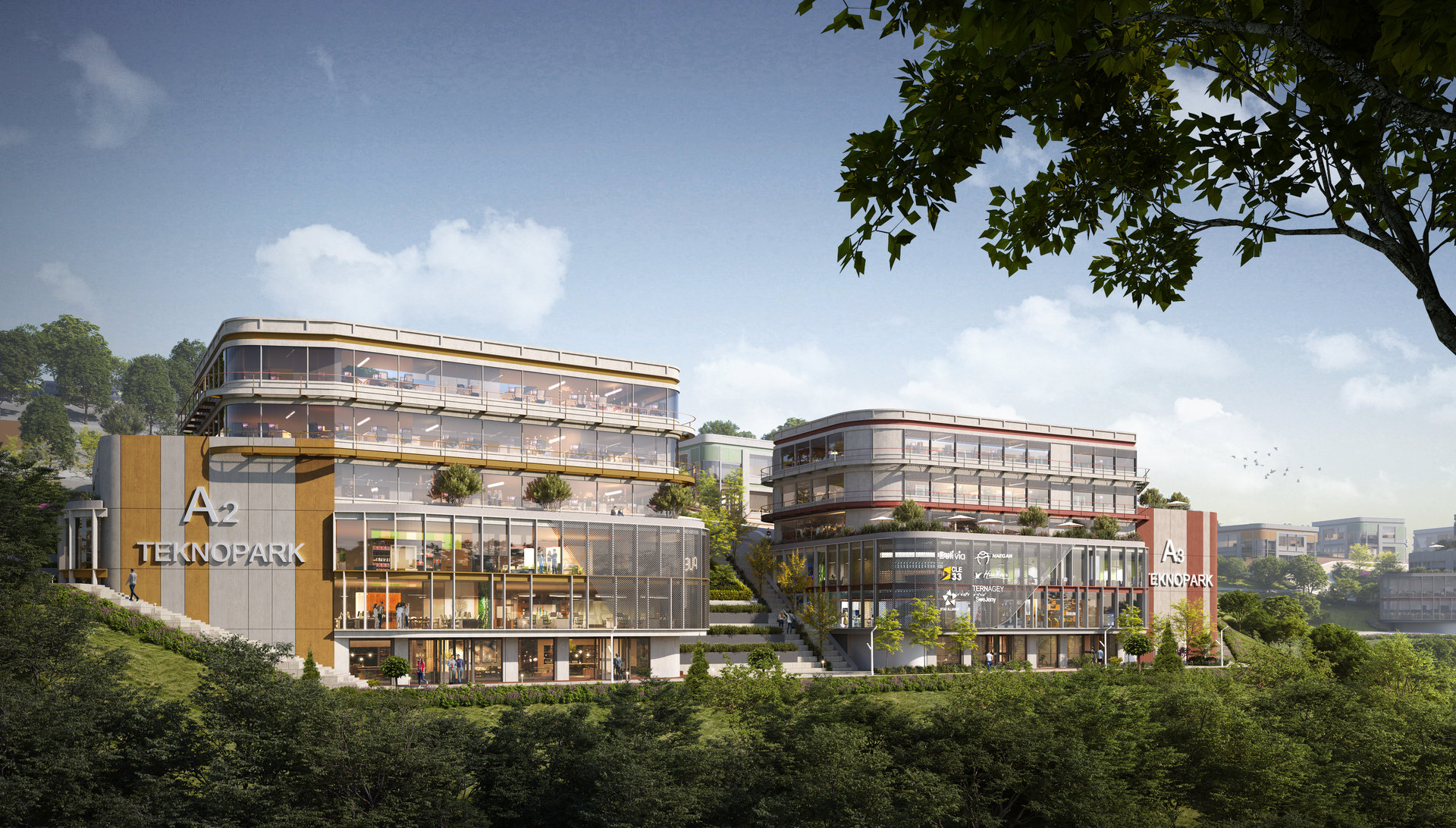
OYAK Vadipark embraces the philosophy that “economic” does not equate to “cheap.” Through the use of local labor, appropriate material selection, and scalable design systems, the project ensures cost efficiency without compromising spatial quality. The inclusion of techno-districts, commercial hubs, and neighborhood-scale employment areas contributes to the project’s economic vitality.
Mobility and Connectivity
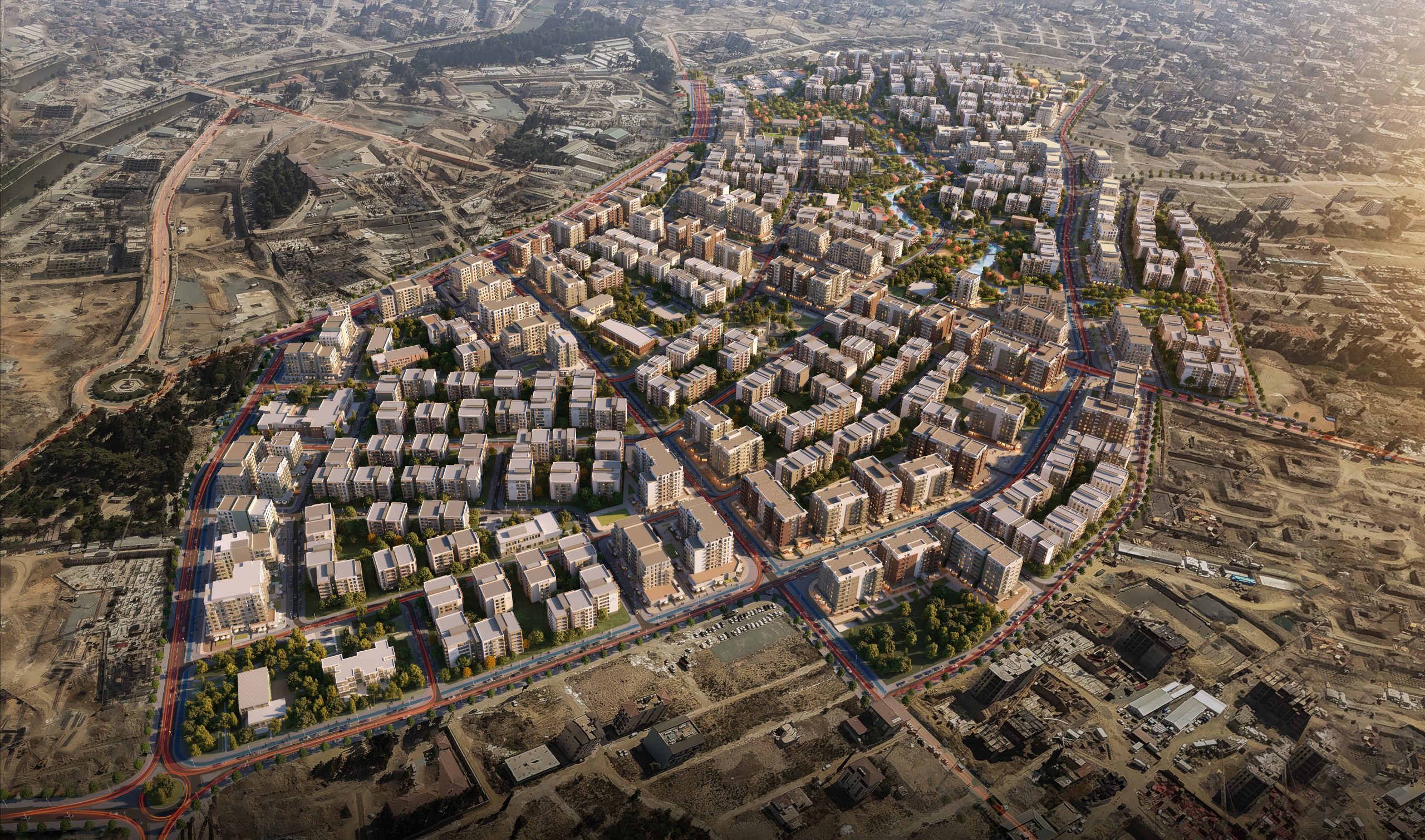
The project proposes an integrated soft mobility network. A perimeter ring road with approximately twenty access points connects to the site, while internal vehicular and pedestrian circulations are clearly defined and separated. Varying road sections (7 m, 10 m, 12 m) are supported by green pedestrian corridors, bike lanes, and urban furniture, ensuring environmentally responsible and user-friendly mobility. Transportation hubs, scooter-pedestrian routes, and public transit systems further enhance connectivity and reduce emissions.
A Phased Urban Matrix
The site is divided into three phases, each tailored to distinct user needs and spatial requirements. Elements such as techno-districts, residential clusters, commercial centers, and public amenities are distributed to maintain a balance between accessibility and density. This phasing strategy allows for the creation of a sustainable and inclusive urban entity that accommodates diverse lifestyles and demographics.
Neighborhood-Scale Urban Life: Commercial Islands and Local Amenities
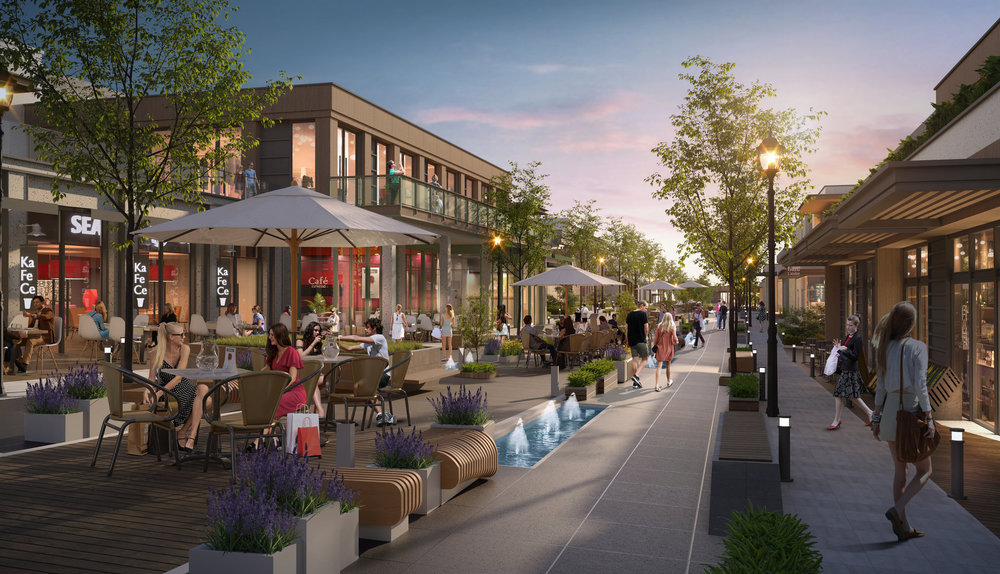
The masterplan incorporates five commercial blocks and one market zone, encompassing diverse functions such as cinemas, shopping, banking, and dining. These centers are designed not only for consumption but also as social nodes that foster interaction. In addition, micro-neighborhood squares meet daily needs—grocery stores, bakeries, pharmacies, ATMs, and more—within walkable distances. This network reinforces neighborhood cohesion and activates urban life across all parts of the development.
Smart and Sustainable Infrastructure
The project adopts a systematic infrastructure approach to support sustainability at the urban scale. Greywater and rainwater recycling systems, low-maintenance green parks, buildings with passive ventilation, energy-efficient urban furniture, and solar-panel roofs are planned for implementation throughout the site. These systems provide solutions that support both environmental sustainability and economic efficiency.
Flexible Housing and User-Centered Design
Residential typologies range from 1+1 to 4+1 units and are planned according to specific user profiles—students, young couples, families, retirees. Each unit type is optimized based on parameters such as shared space requirements, kitchen and balcony dimensions, and internal room configurations. This approach is supported by a housing policy attentive not only to square meters, but also to the qualitative aspects of daily life.
Gallery