Karabakh, Azerbaijan
Project Type
City Planning and Master Plan
Location
Karabakh, Azerbaijan
Year
2022
Project Service
City Planning to Construction
Project Status
Ongoing
Total Area (m²)
8806500.00
Total Construction Area (m²)
282084.00
Employer
ARXKOM
Tags
Post Disaster Housing, Social Housing
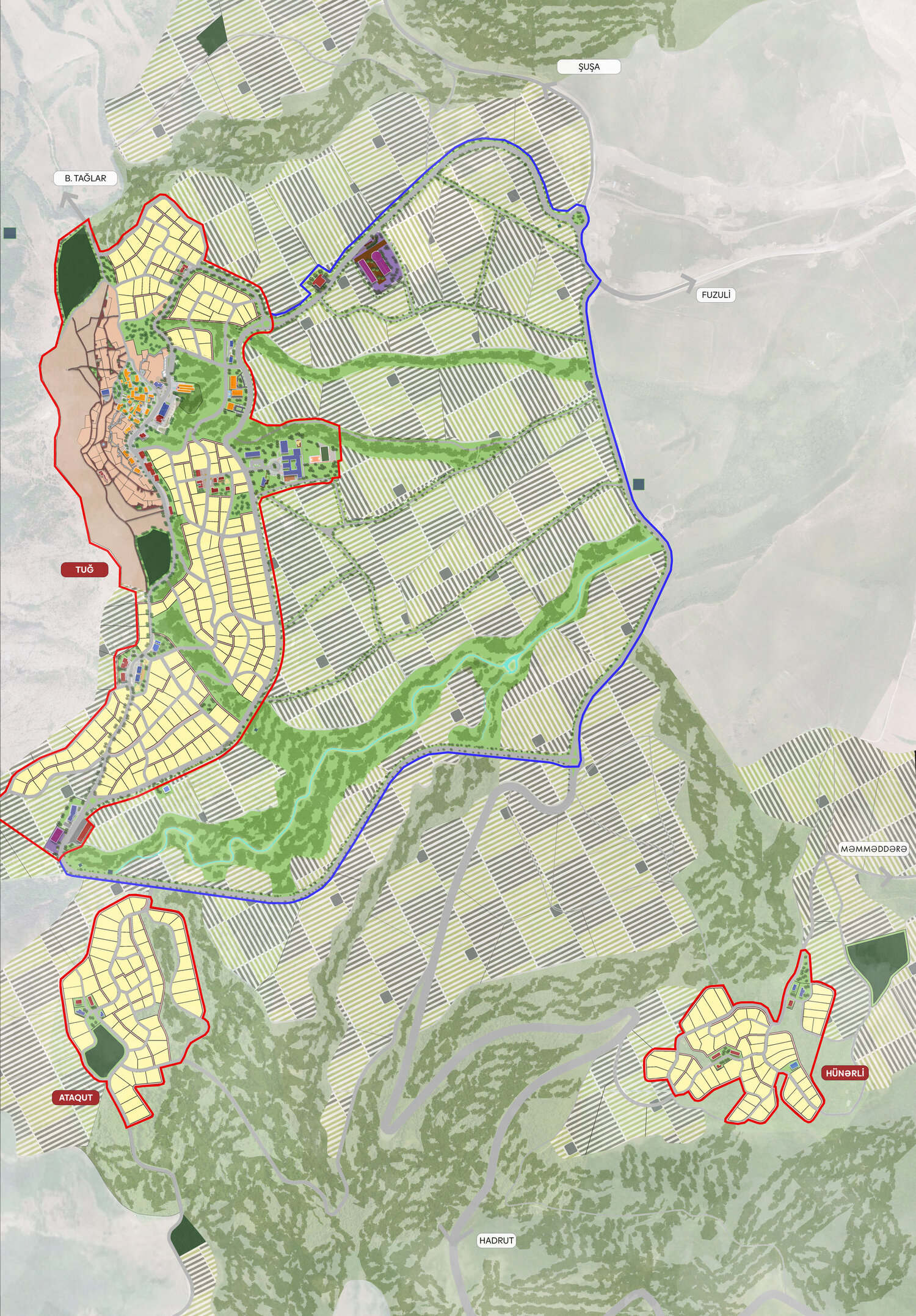
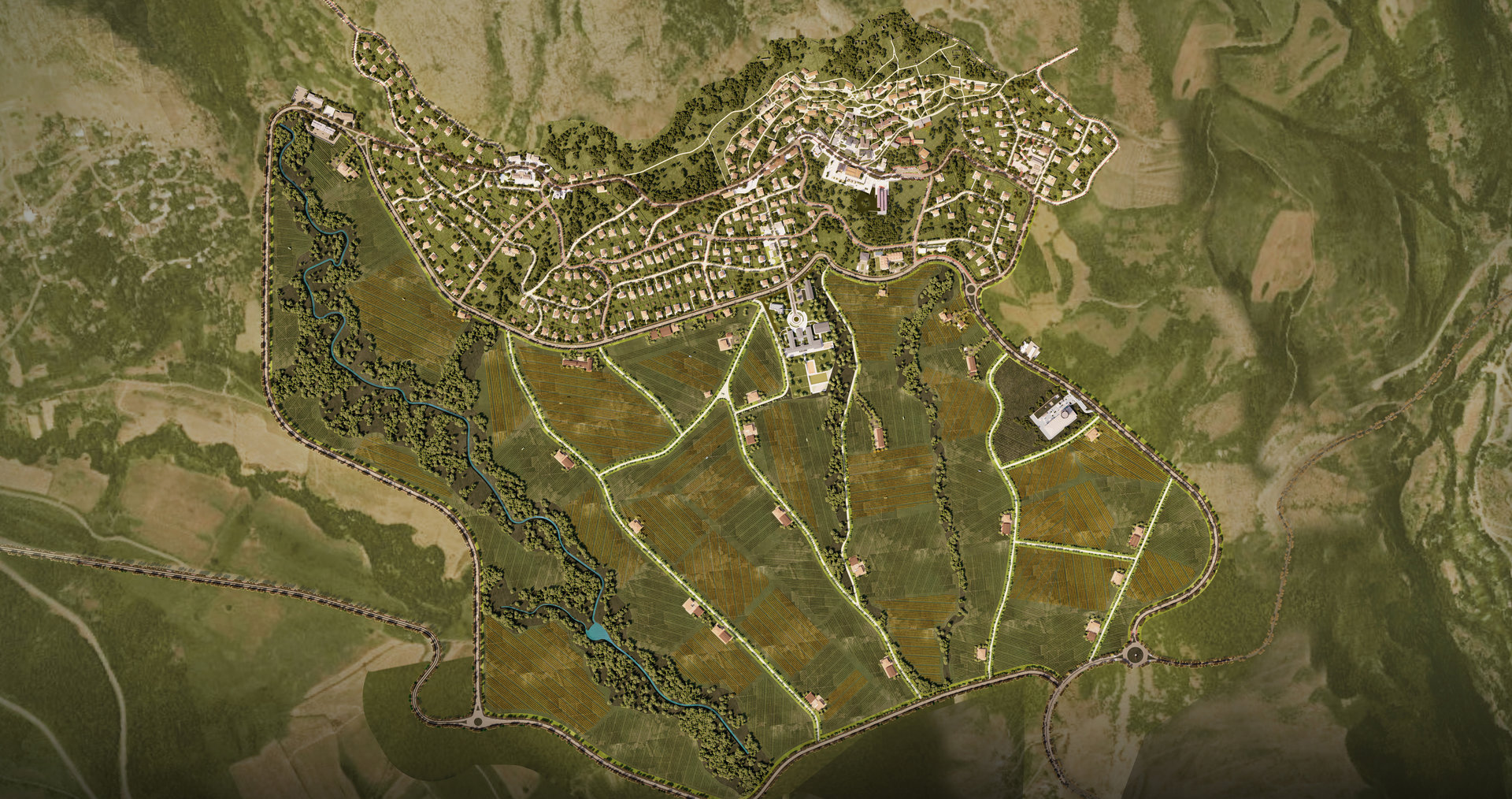
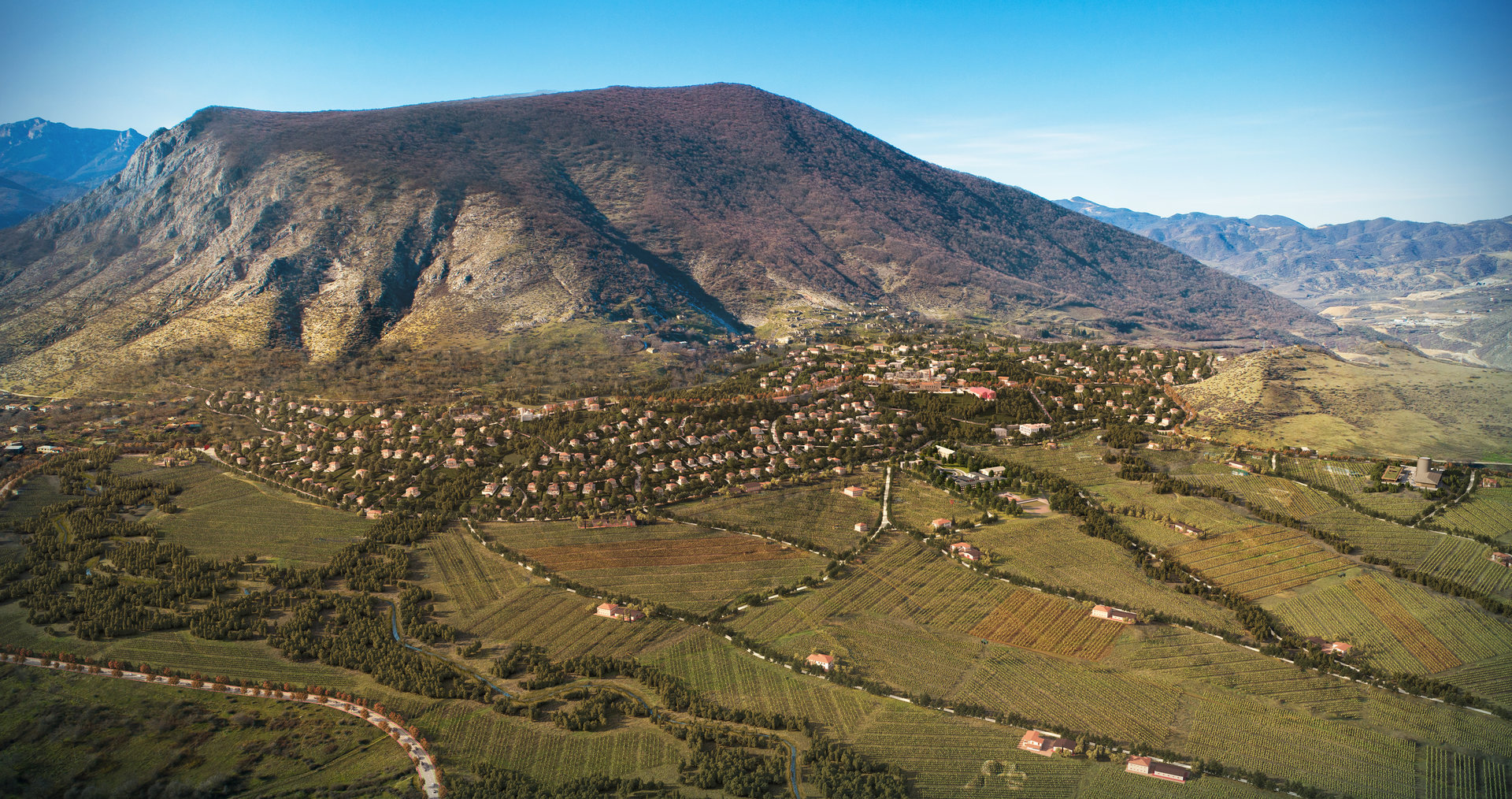
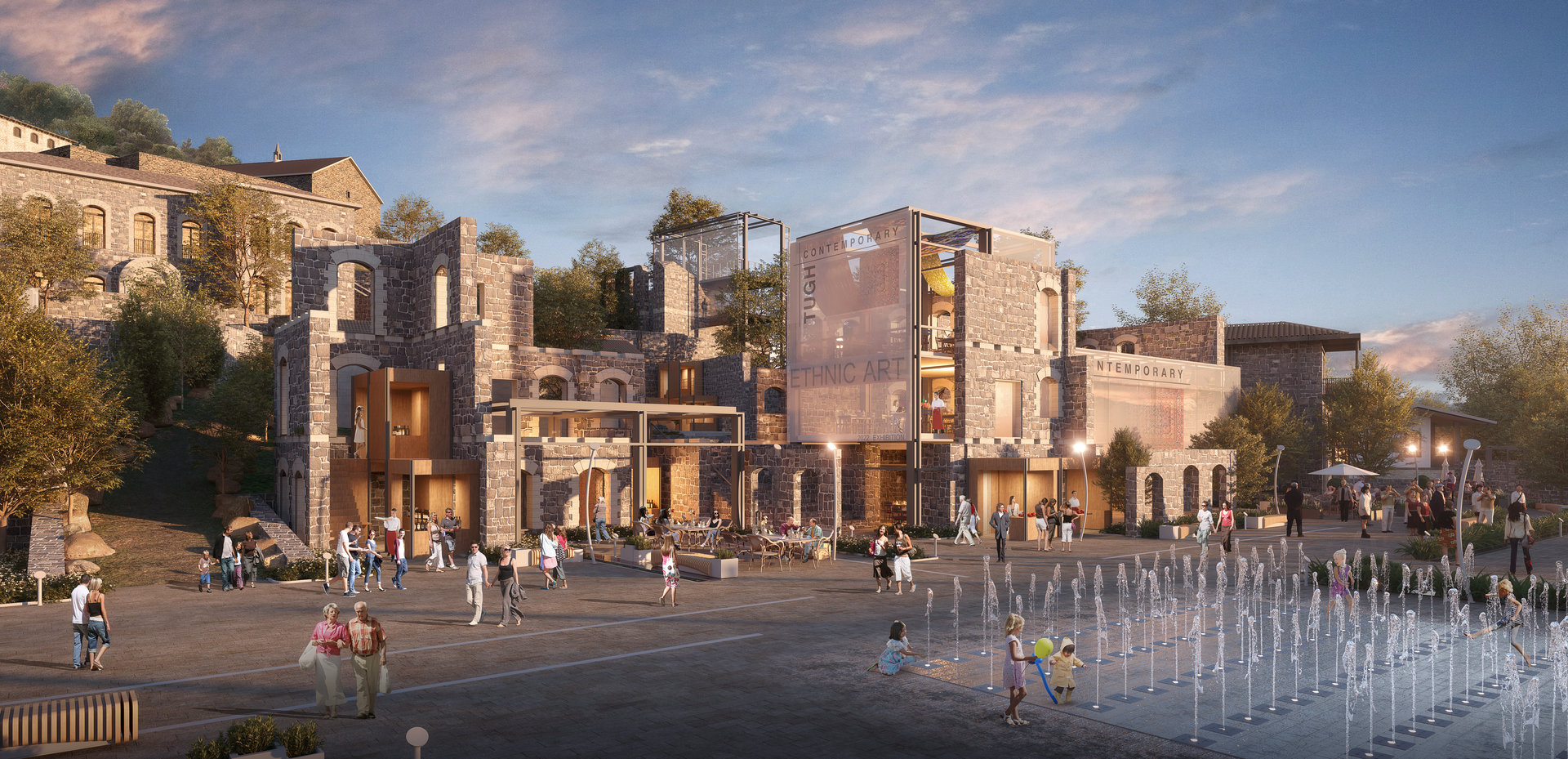
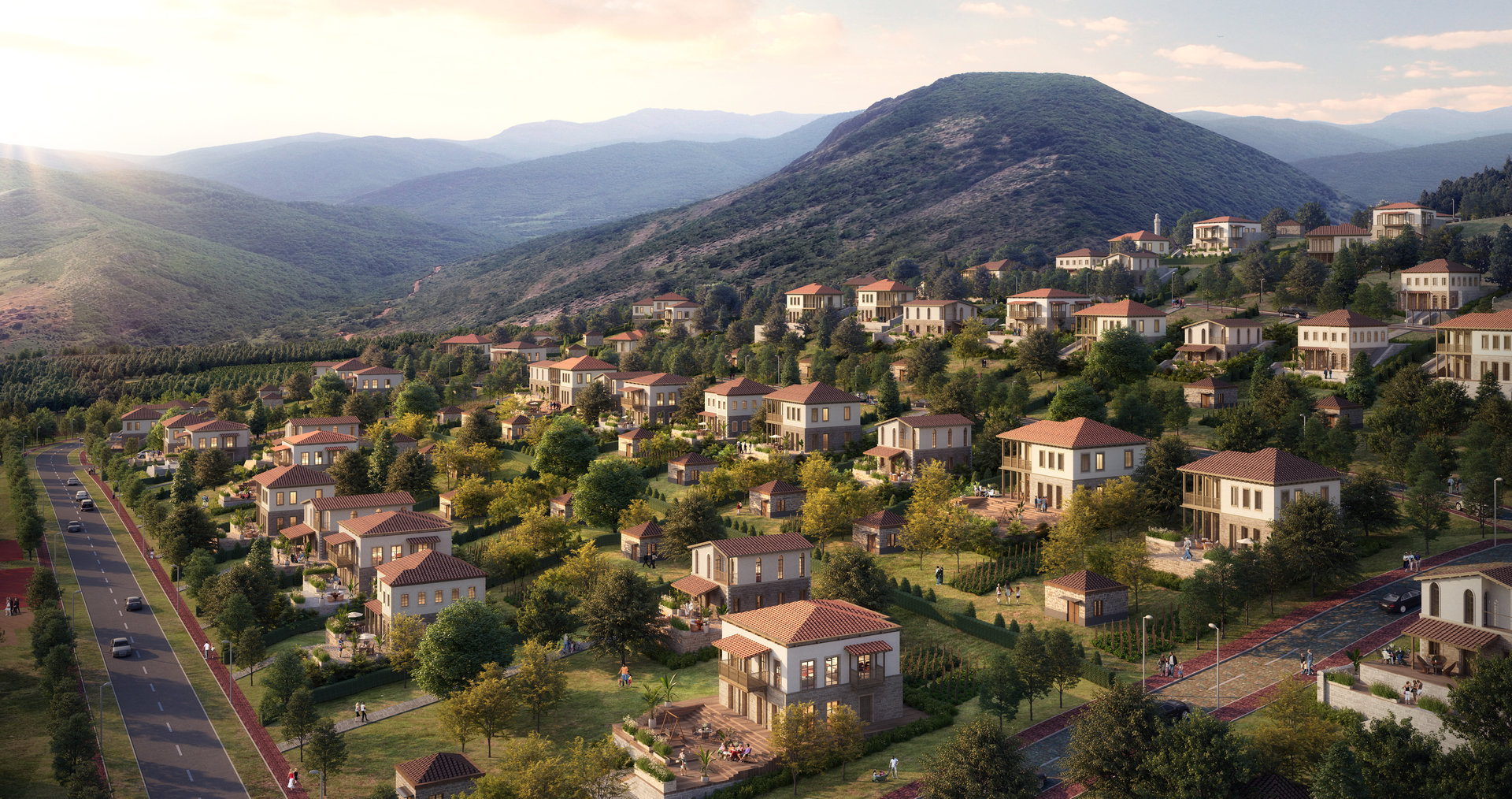
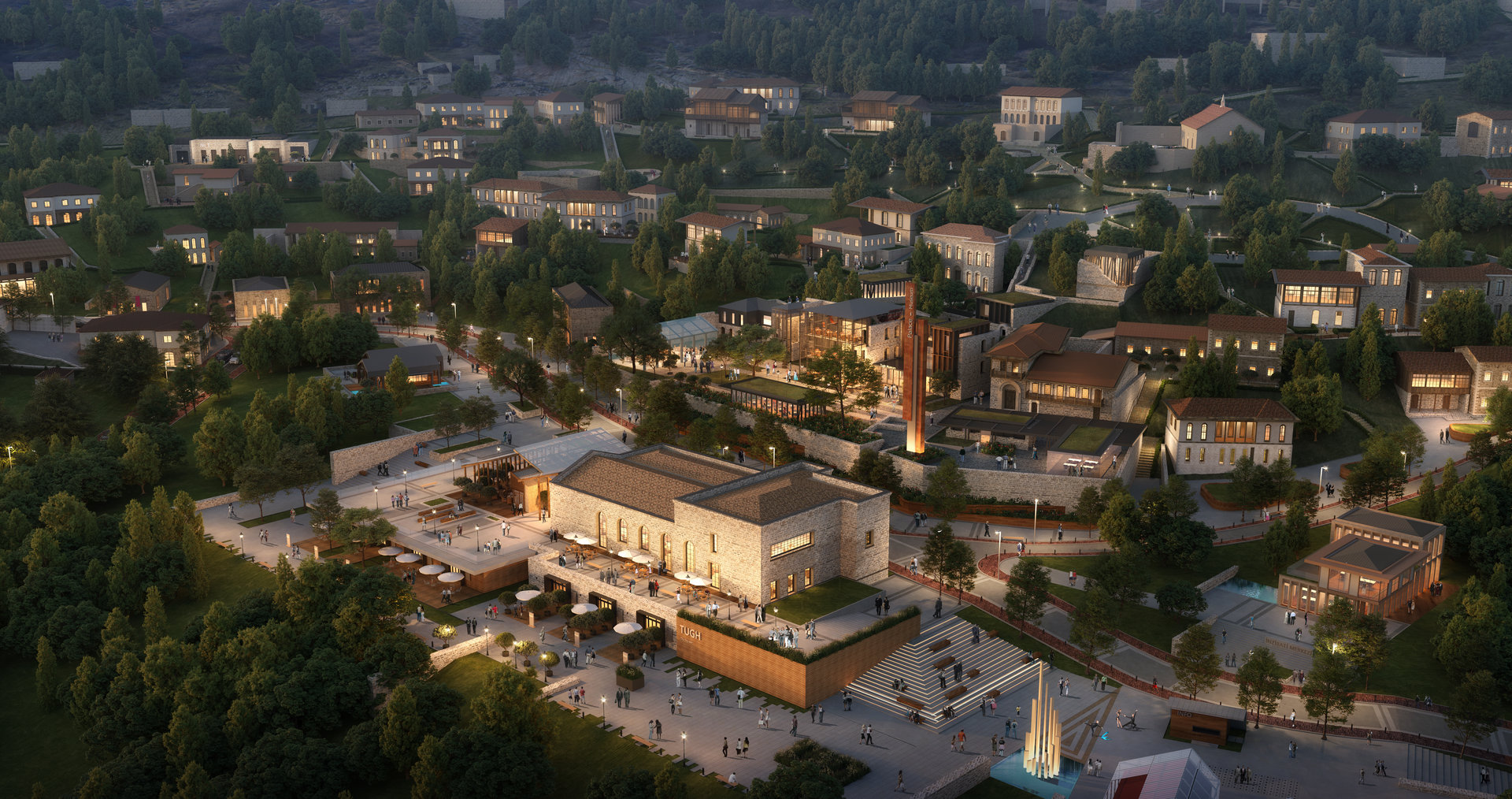
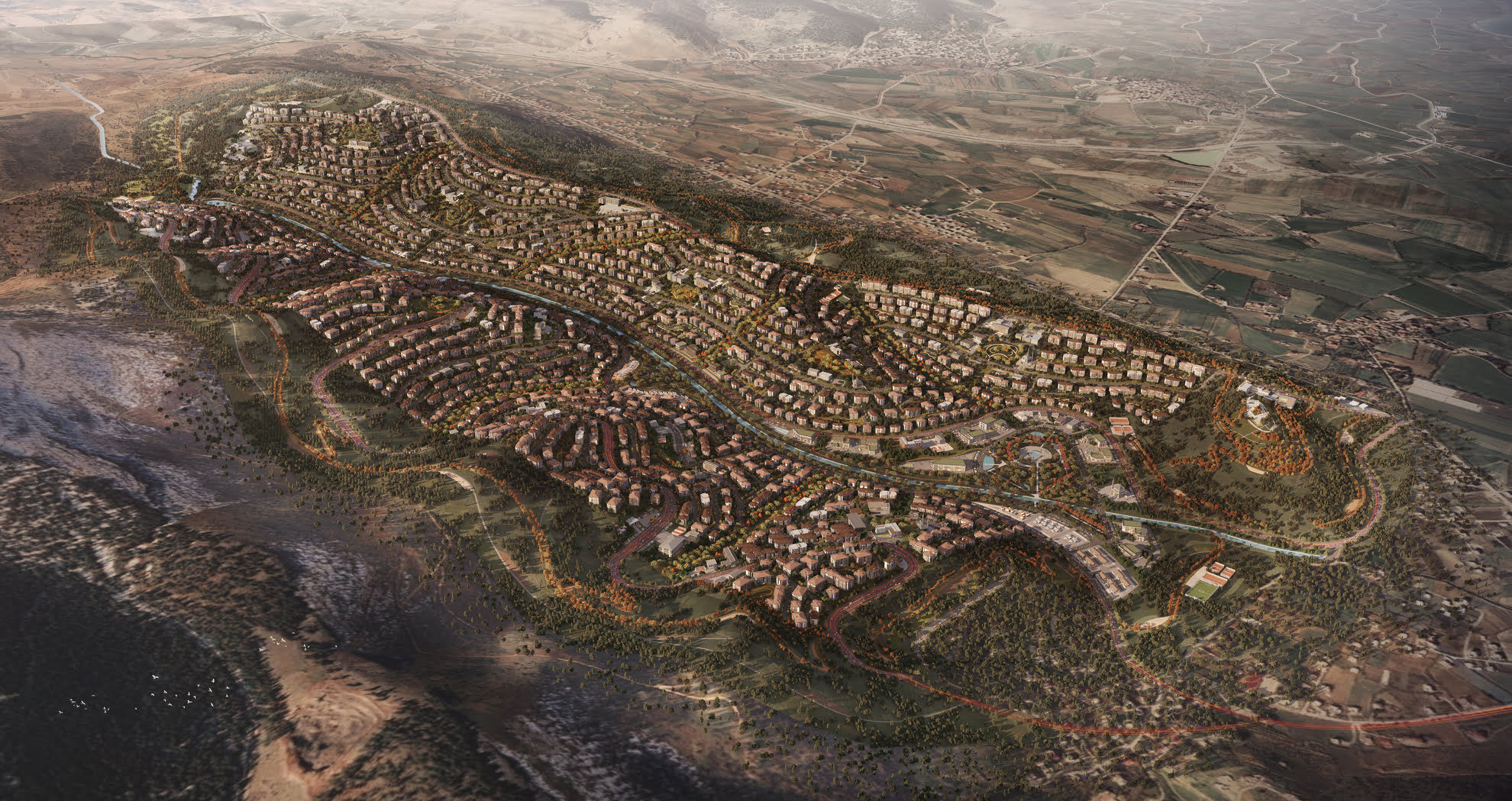
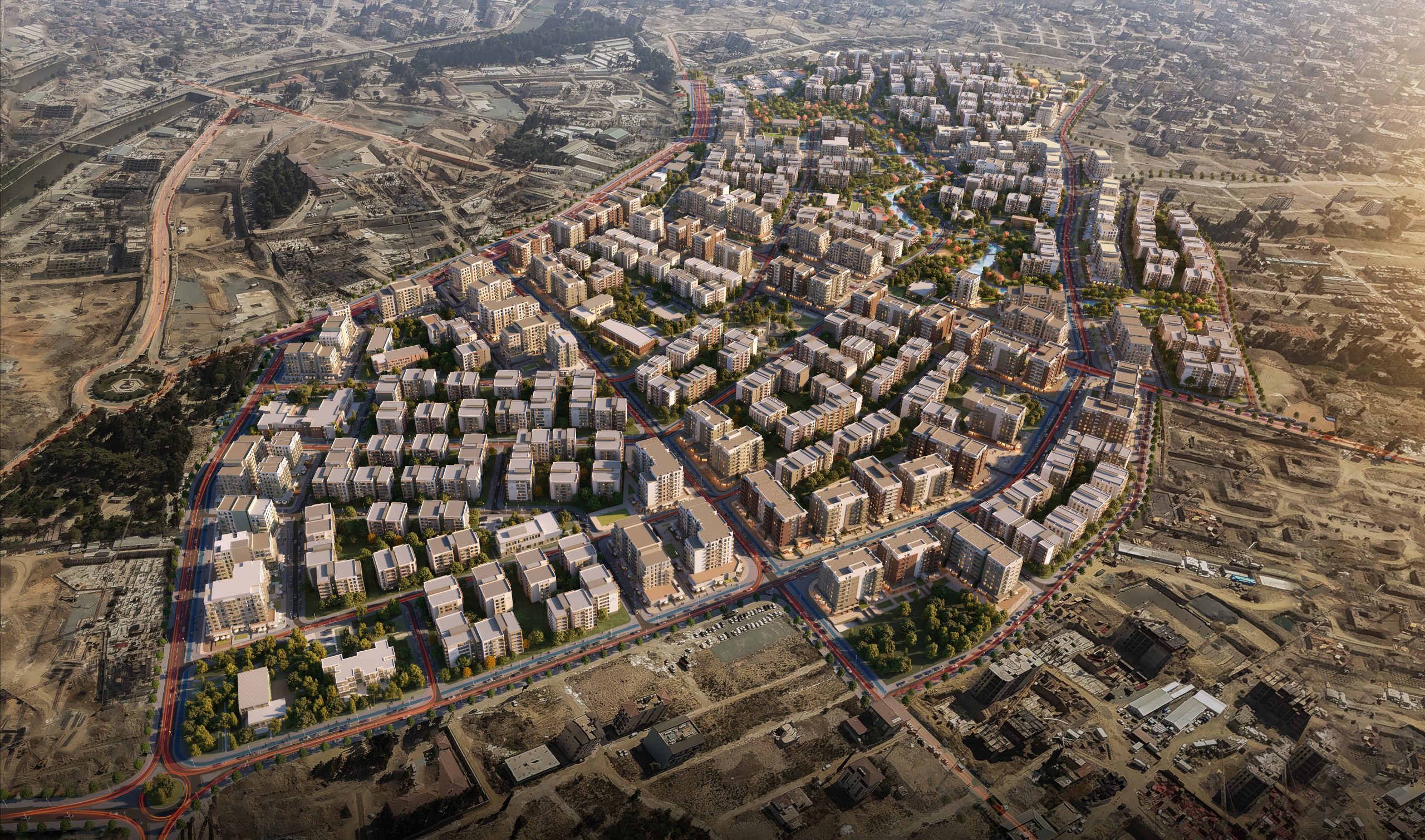
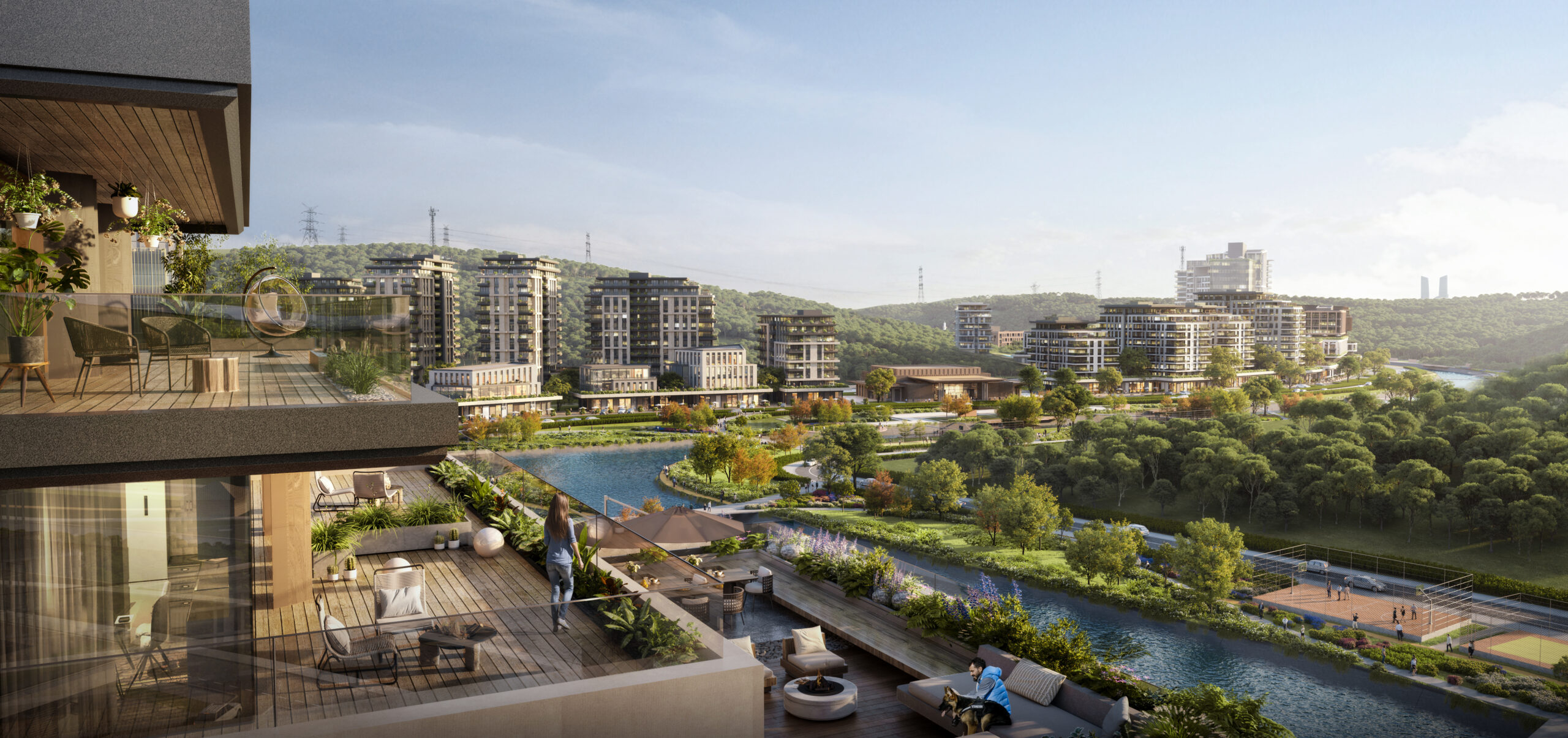
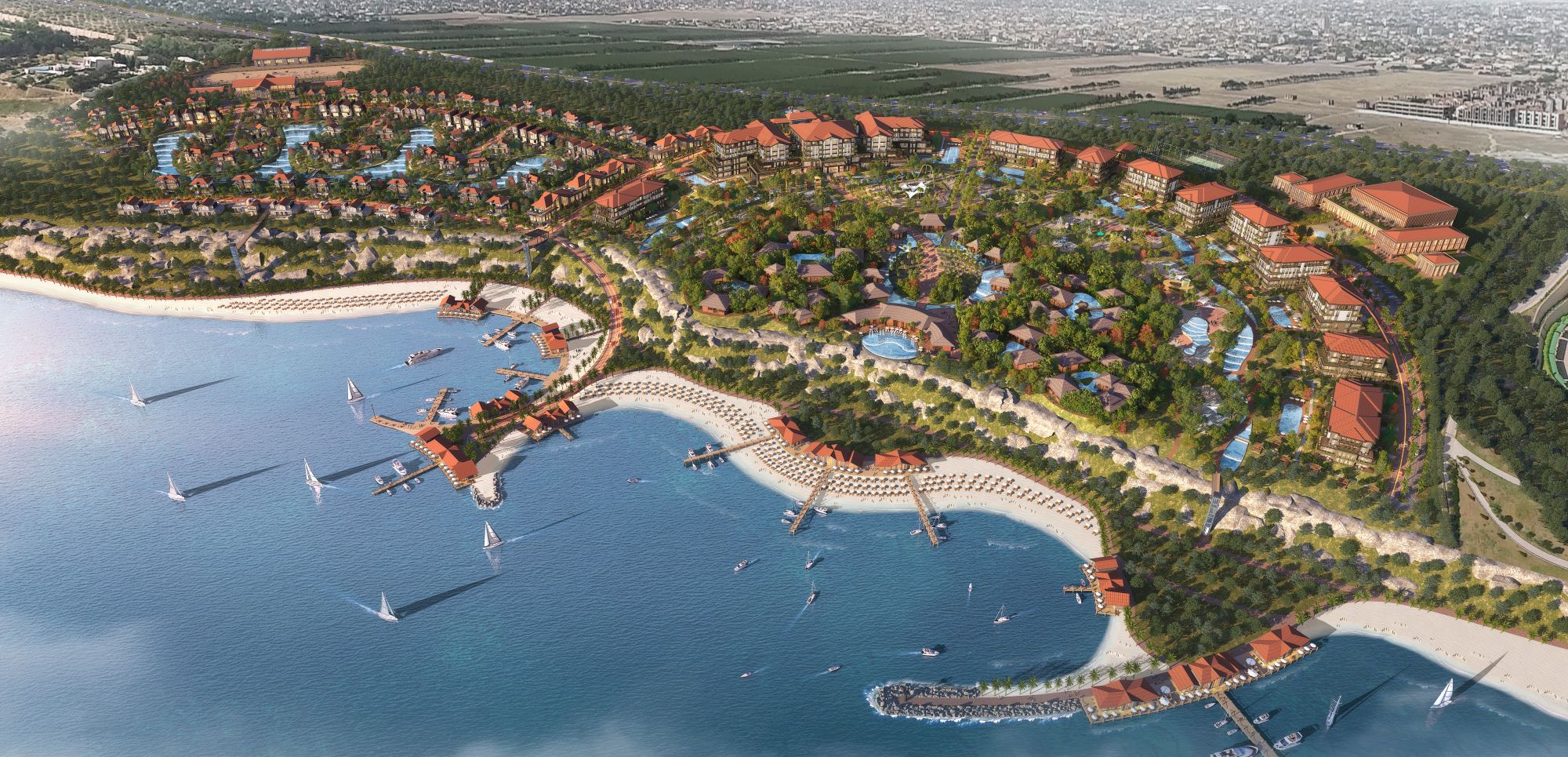
Located within the borders of Azerbaijan’s Khocavend district in the Karabakh region, the Tugh Ecovillage Masterplan covers an area of 880 hectares and aims to regenerate rural life through a layered, sustainable and culturally rooted design approach. Building upon the ecological richness and historic topography of the region, the plan adopts a participatory design strategy that emphasizes environmental balance, local production, and smart rural systems.
Integrated Mobility and Green Infrastructure
A multi-modal transportation system lies at the heart of the plan, where regional roads, newly constructed national highways, and a re-established railway line passing through the northern corridor of Tugh are carefully integrated. The bus route network includes primary and peripheral loops, connected by a hierarchy of bus stops and transfer points, ensuring full accessibility across the settlements within a 500-meter walking radius. Smart urban infrastructure including electronic info panels, automated lighting systems, and traffic monitoring technologies complements the system. Bus shelters, public transit units, and pedestrian paths are designed with solar panels and green roofs to enhance environmental performance.
Green Transport and Local Resilience
Tugh embraces a low-carbon transport agenda: biosolar powered public vehicles and electric utility carts are proposed for daily operations, alongside shaded walking paths, green lanes, and vegetated transit stops. This strategy not only reduces emissions but strengthens local autonomy by reducing dependency on fossil fuel infrastructure.
Landscape, Topography, and Climatic Logic
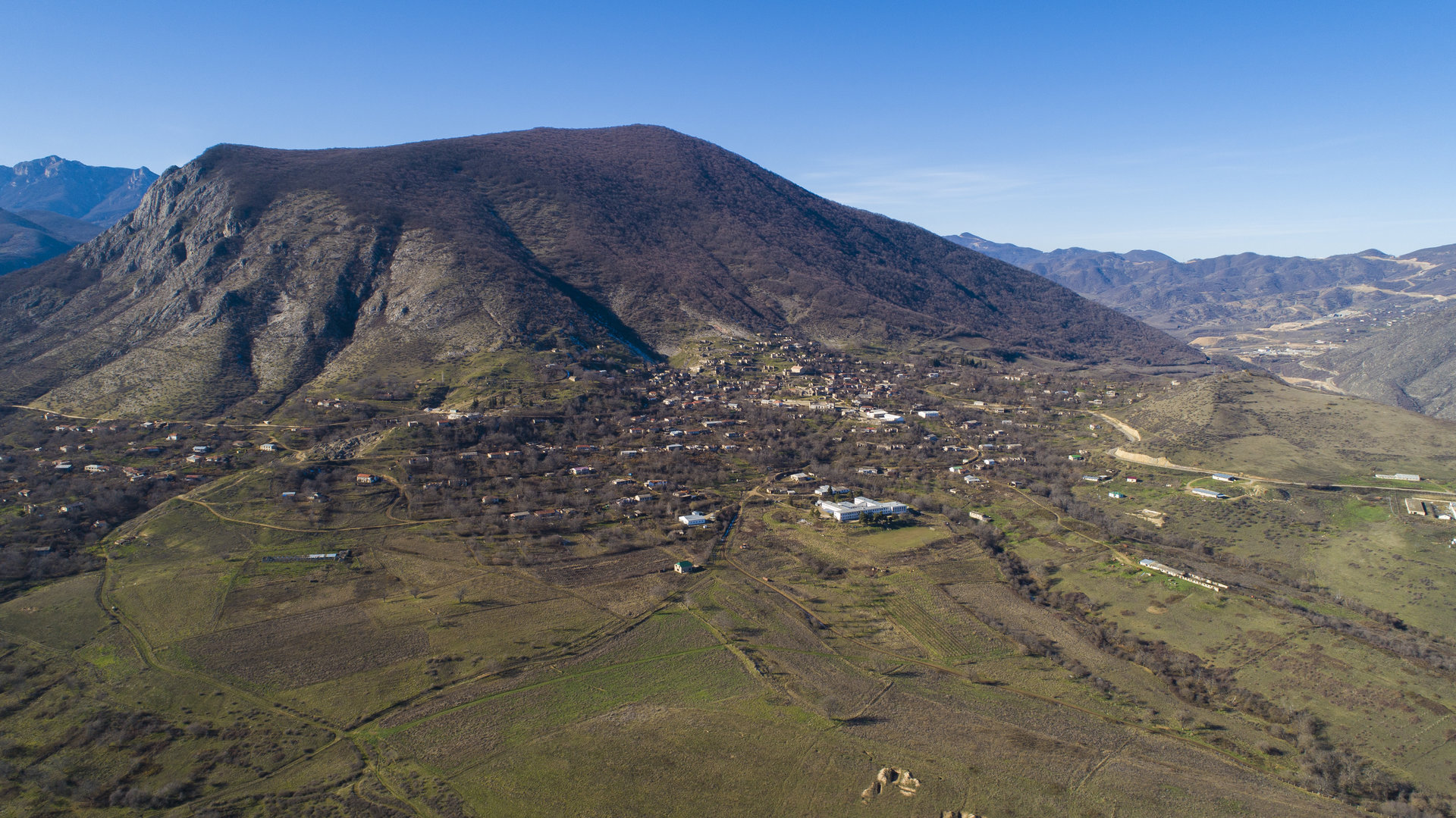
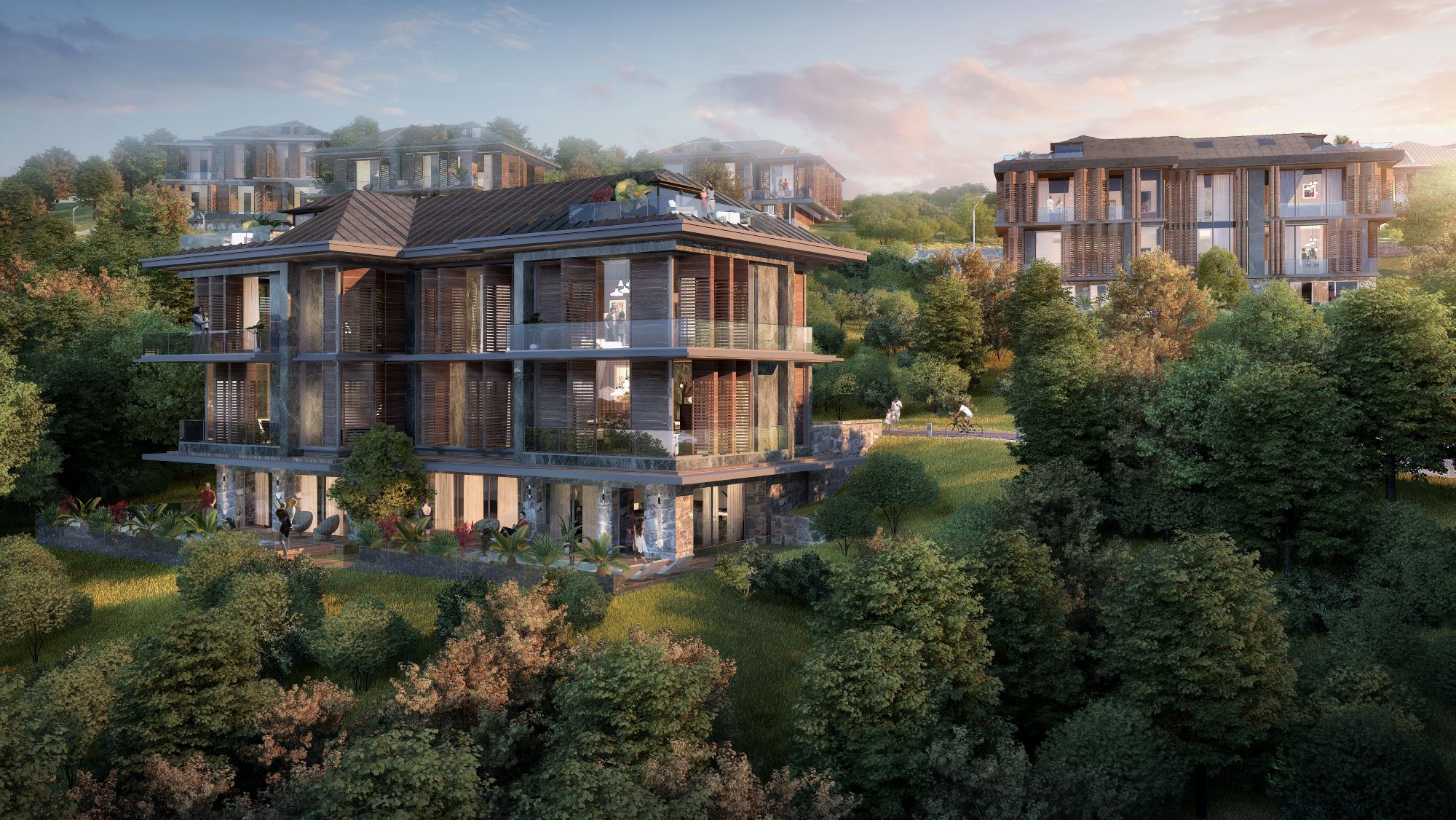
The design respects the mountainous relief of the region, with elevations ranging from 500 to 1,770 meters. Residential zones are situated to optimize landscape views, sun exposure, and natural ventilation based on three key parameters: topography, existing road access, and visual corridors. The climate, characterized by hot dry summers and mild winters, is integrated into passive design strategies that shape the orientation, ventilation, and shading systems of built forms.
Cultural Continuity and Regenerative Development
The spatial framework promotes a ‘Cultural and Regenerative Village’ vision with three core strategies:
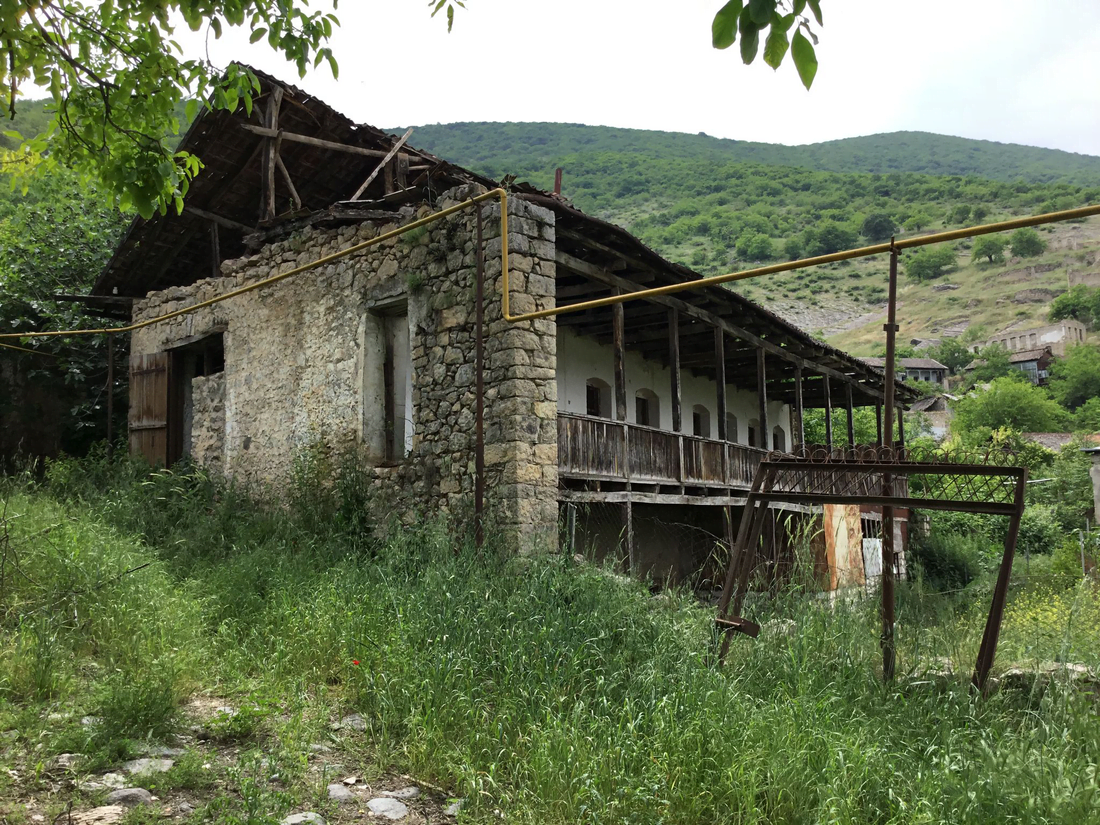
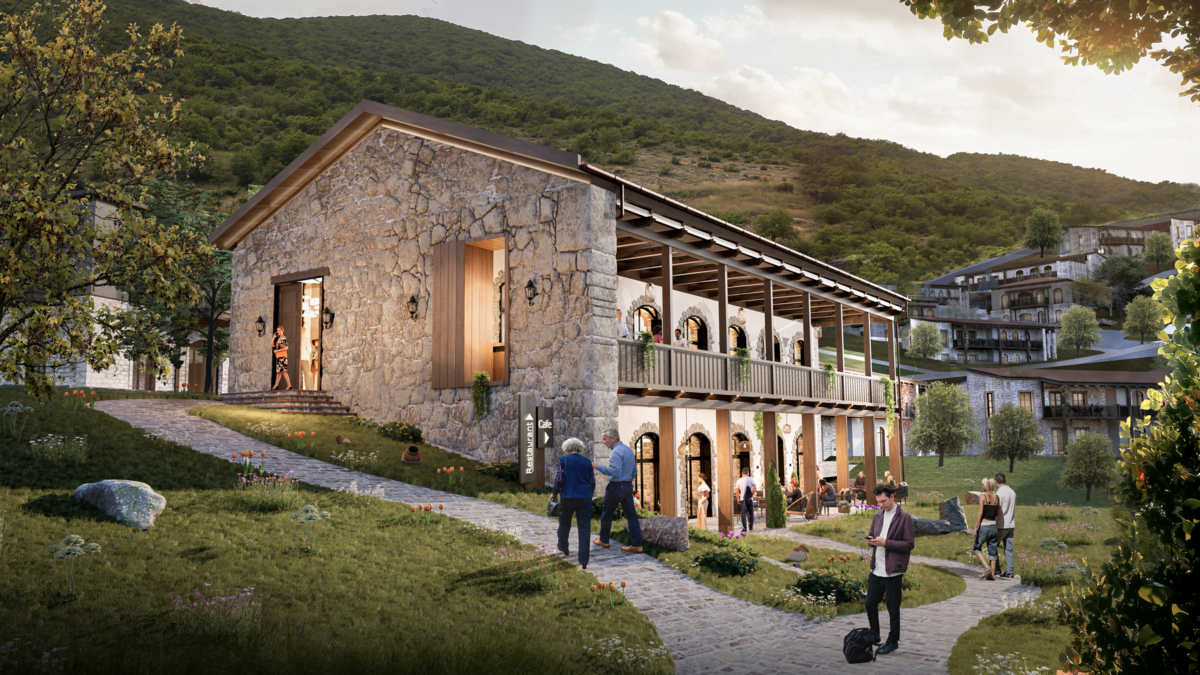
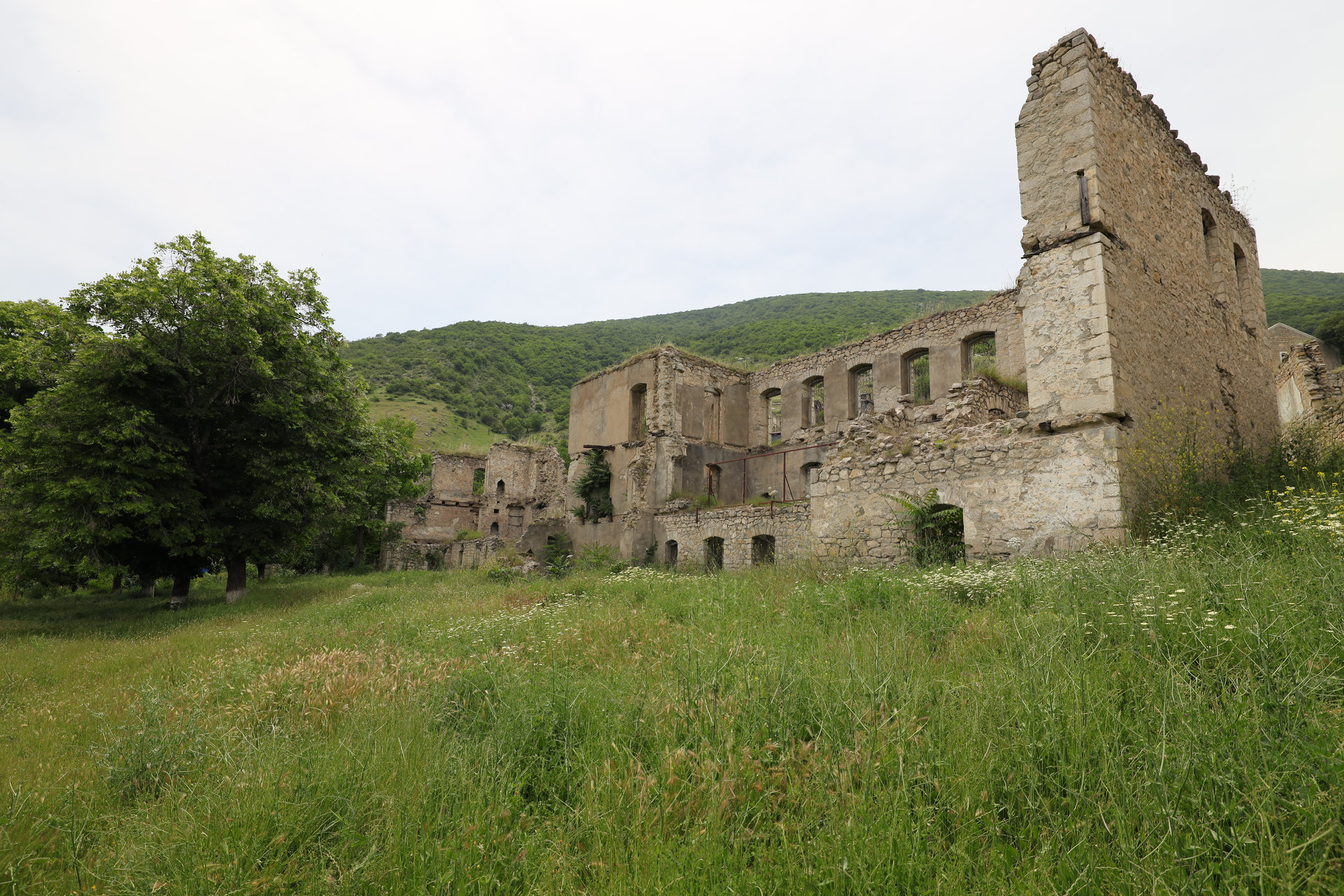
• Historical Transformation: Leveraging architectural conservation and adaptive reuse as an engine for economic renewal and identity restoration.
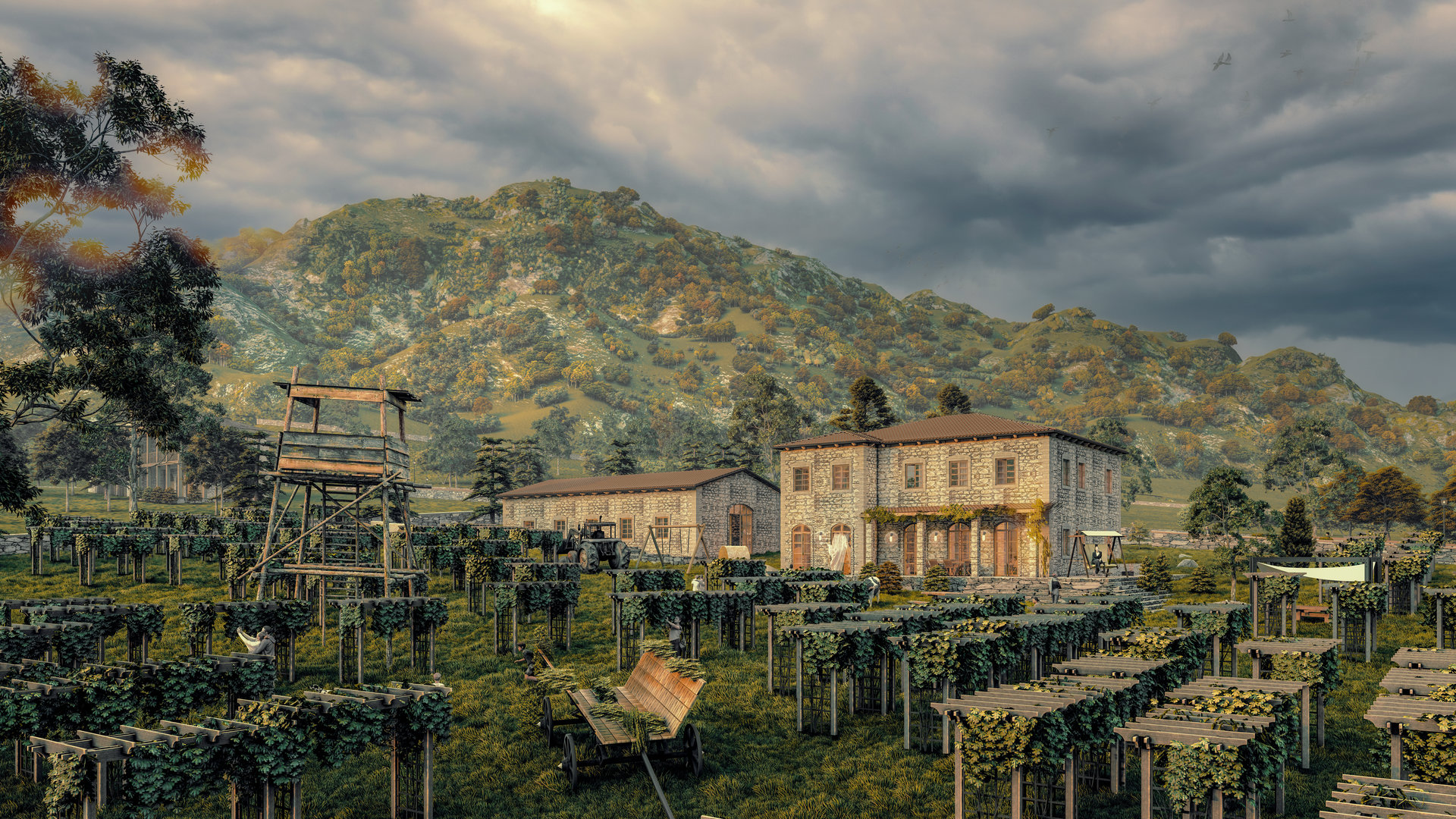
• Agricultural Continuity: Preserving and upgrading traditional production systems such as vineyards and small-scale agro-processing clusters.
• Smart Rural Systems: Integrating compact urban logic with smart village strategies digital infrastructure, ecological sanitation, water reuse, and localized energy generation.
Eco-productive Networks and Water Systems
The green infrastructure is composed of stormwater absorbing surfaces, bio-swales, rain gardens, green roofs, and productive parks. Agricultural irrigation is linked with rainwater harvesting systems, while wastewater from homes is treated via decentralized greywater solutions. A circular approach is taken to waste management, with separation and recycling hubs distributed across communal and residential areas.
Regional Context and Strategic Role
Tugh and its surrounding settlements are positioned at a key convergence point within the Karabakh redevelopment strategy. Its location between Fuzuli and Shusha and proximity to Fuzuli International Airport positions it as a strategic rural-urban connector. Enhanced transport access and rich biodiversity offer potential for ecological tourism, agritech development, and cross-border cultural exchange.
The Tugh Masterplan redefines post-conflict rural regeneration by weaving together ecological sensitivity, cultural memory, and technological foresight positioning itself as a model for a resilient, autonomous, and intelligent countryside in the South Caucasus.
Gallery