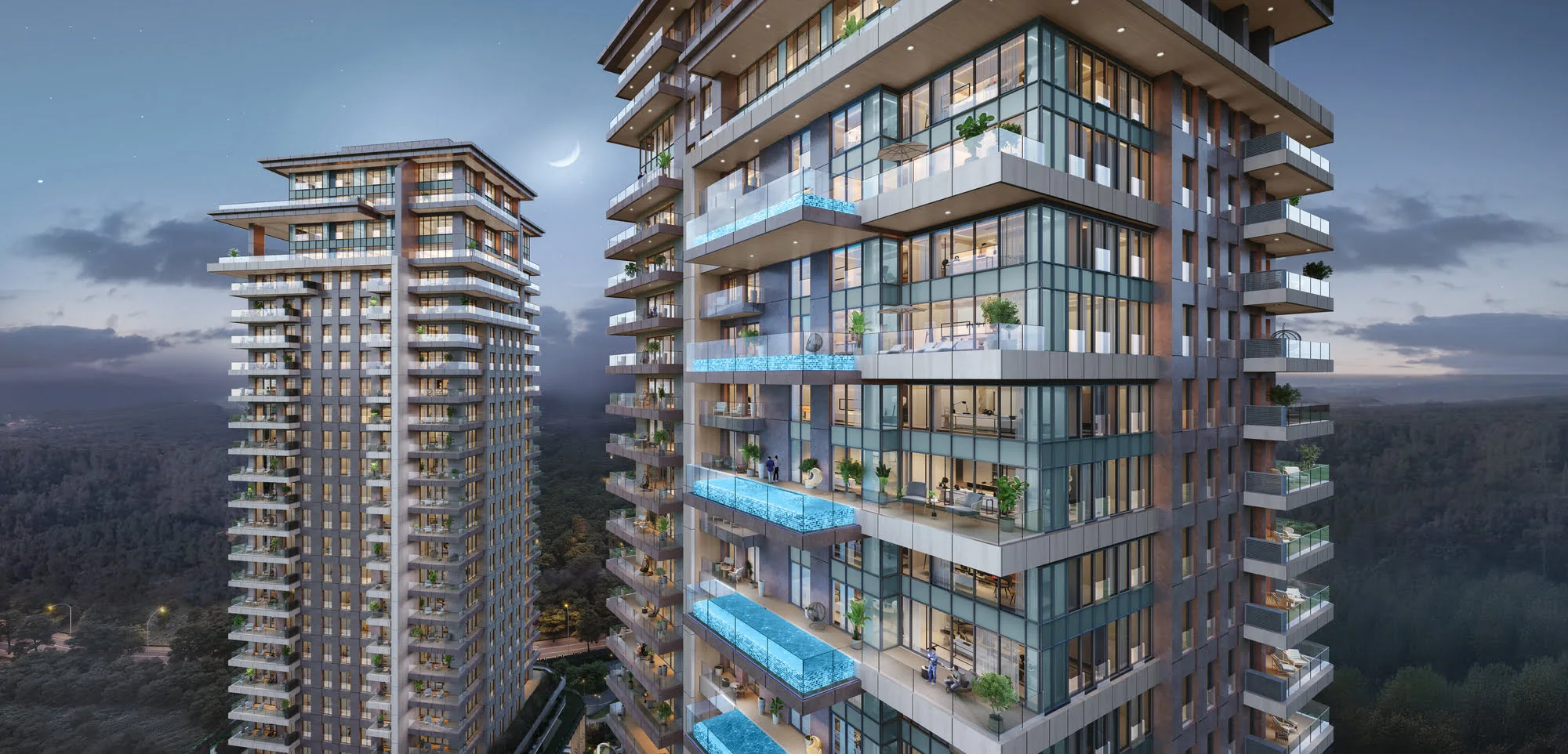
Zengilan, Azerbaijan
Project Type
Residential
Location
Zengilan, Azerbaijan
Year
2024
Project Service
Concept Project
Project Status
Concept Project
Employer
Private
Alternative 1 – Restorative Design with Bioswale Integration Regional Context and Vision
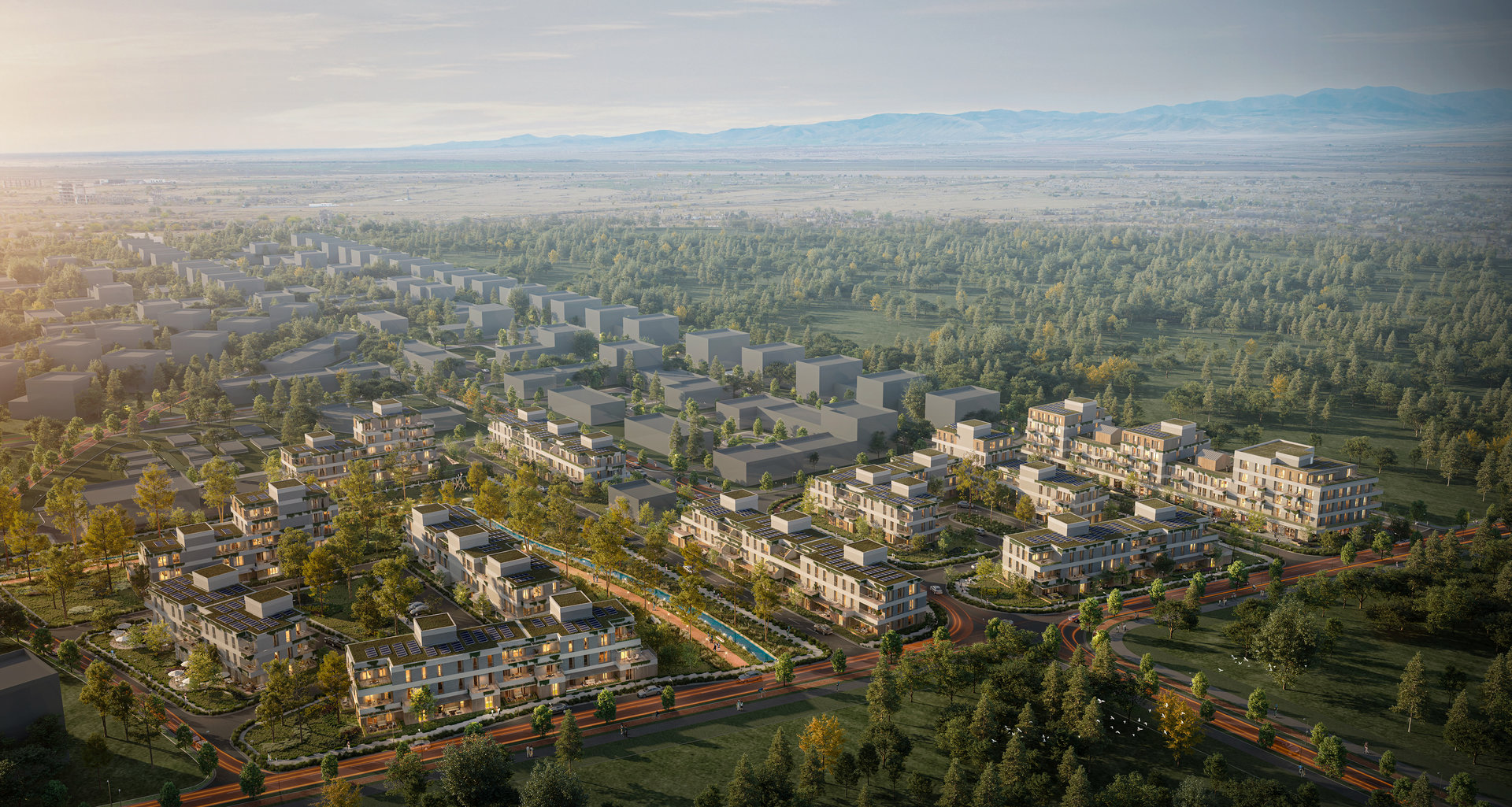
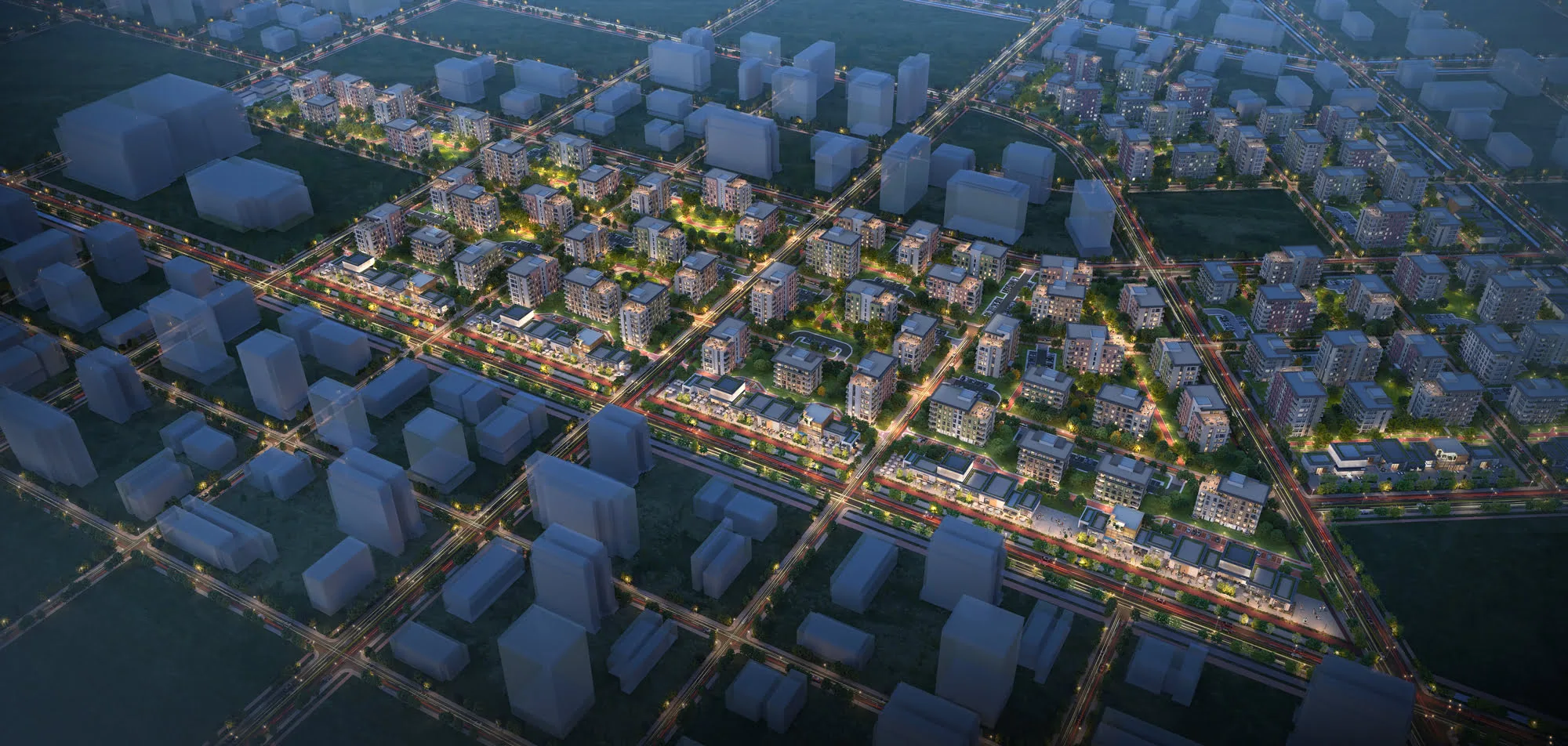
The Zangilan Masterplan sets out a restorative framework for the future development of Karabakh, with the ambition of revitalizing the southwestern region of Azerbaijan. Through the careful management and design of existing natural and structural resources, the masterplan embraces ecological resilience and cultural continuity. The development areas defined within the project include streets, topography, rural settlements, green and water systems, as well as historical and cultural heritage sites. Zangilan lies in a fertile river valley, embraced by scenic mountains. Its defining elements the Okchu River, the city’s canal system, and the surrounding fertile landscape are integrated into the planning strategy. Picturesque gardens enrich the site, highlighting local vegetation such as mulberry, persimmon, and pomegranate trees.
Ecological Approach – Bioswales and Natural Drainage
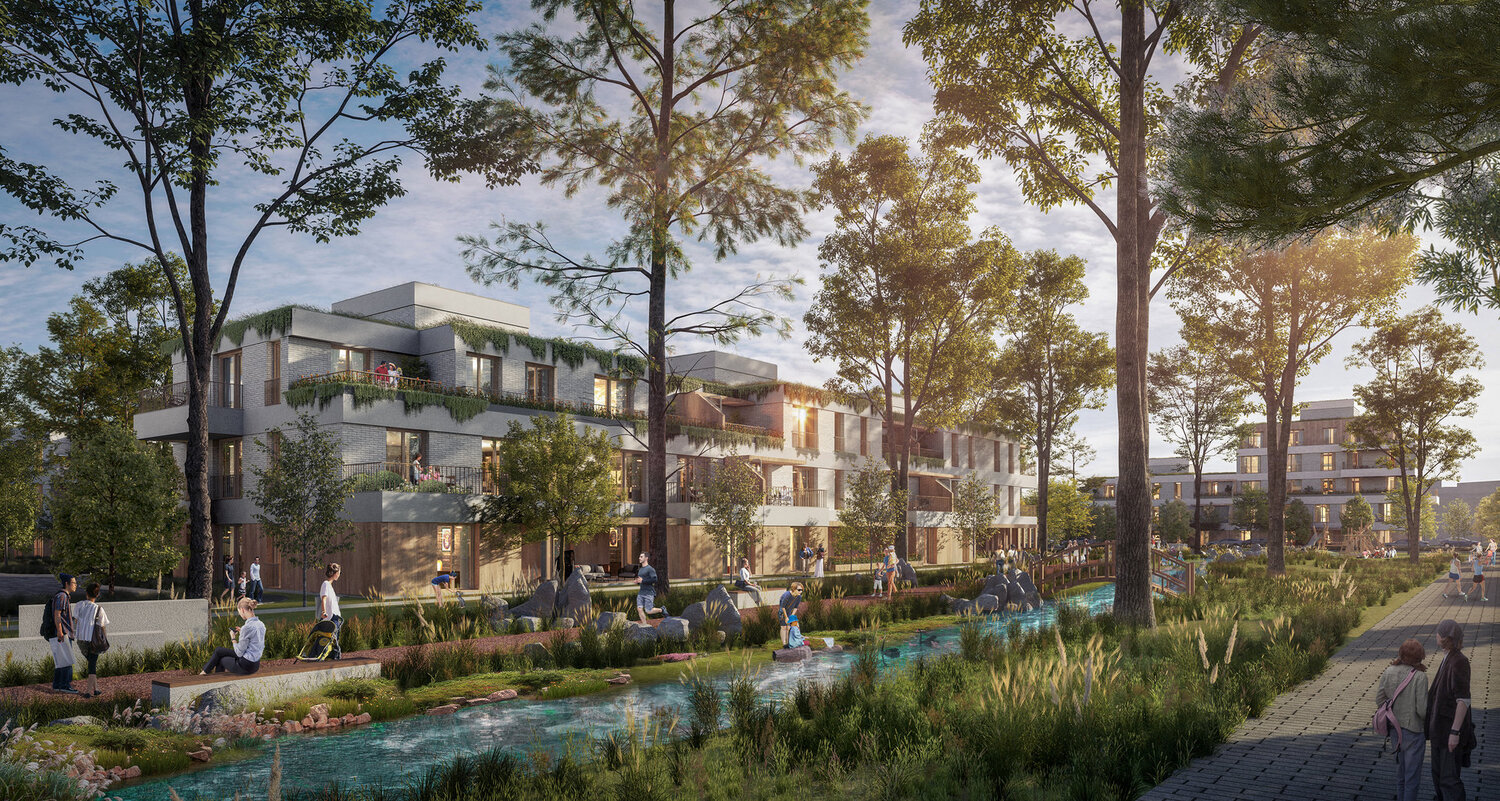
Sustainability is positioned at the core of Alternative 1 through the introduction of bioswales as a primary stormwater management strategy. These systems, composed of layered vegetation, gravel, and sand, filter surface runoff naturally while recharging groundwater. By mimicking natural rainwater flow, bioswales reduce erosion, improve water quality, and minimize ecological footprint. Complementary to bioswales, gabion baskets—stone-filled wire structures—are proposed to stabilize sloped areas and form natural-looking retaining systems. Where curbs are required, intermittent curb cuts are introduced to ensure smooth water entry into bioswales. Together, these strategies combine ecological performance with an aesthetic integration into the landscape.
Spatial Strategy and Project Concept
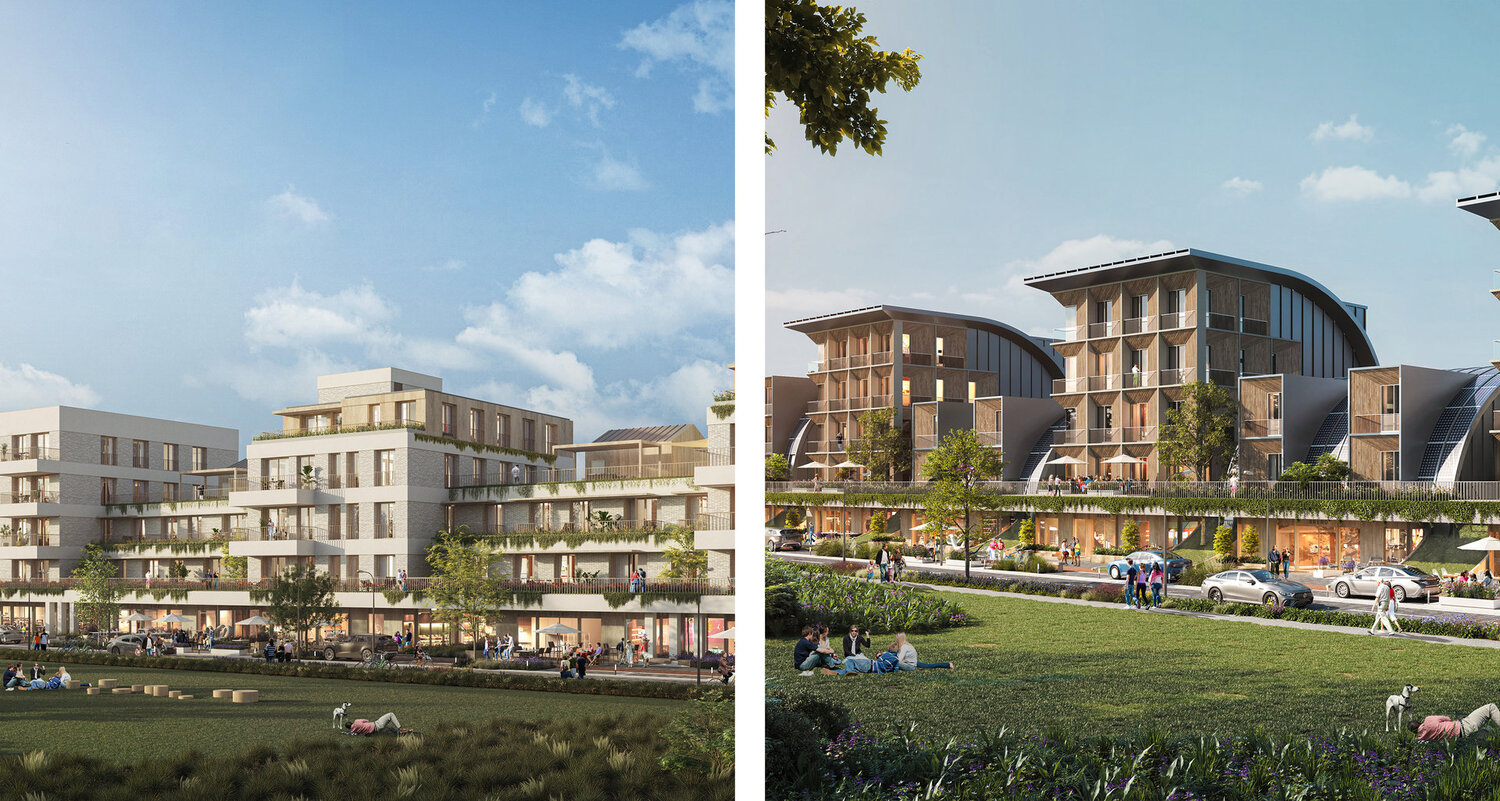
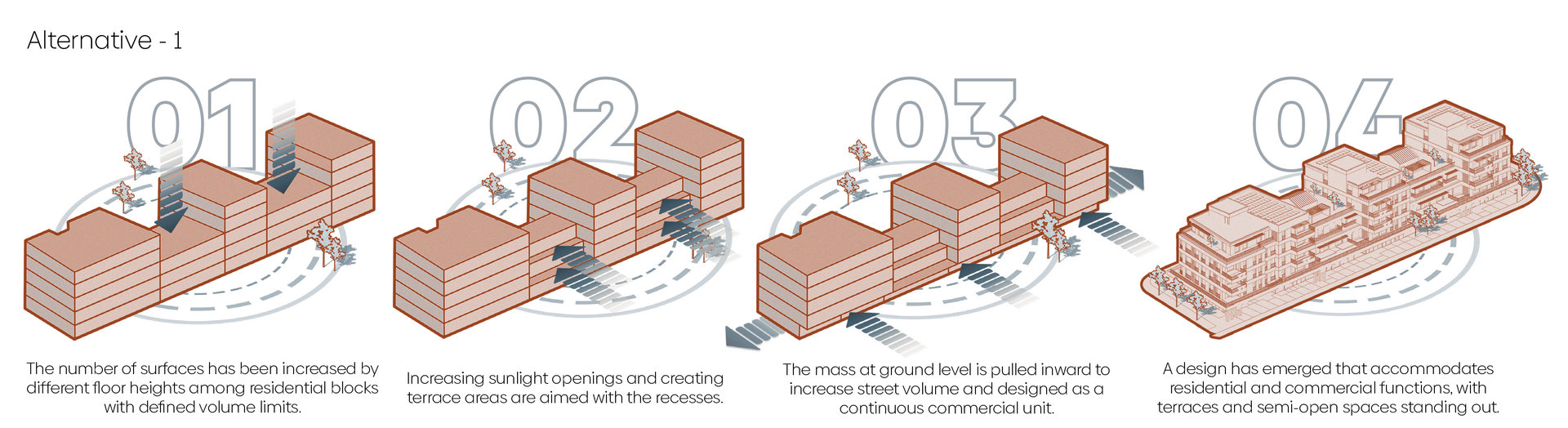
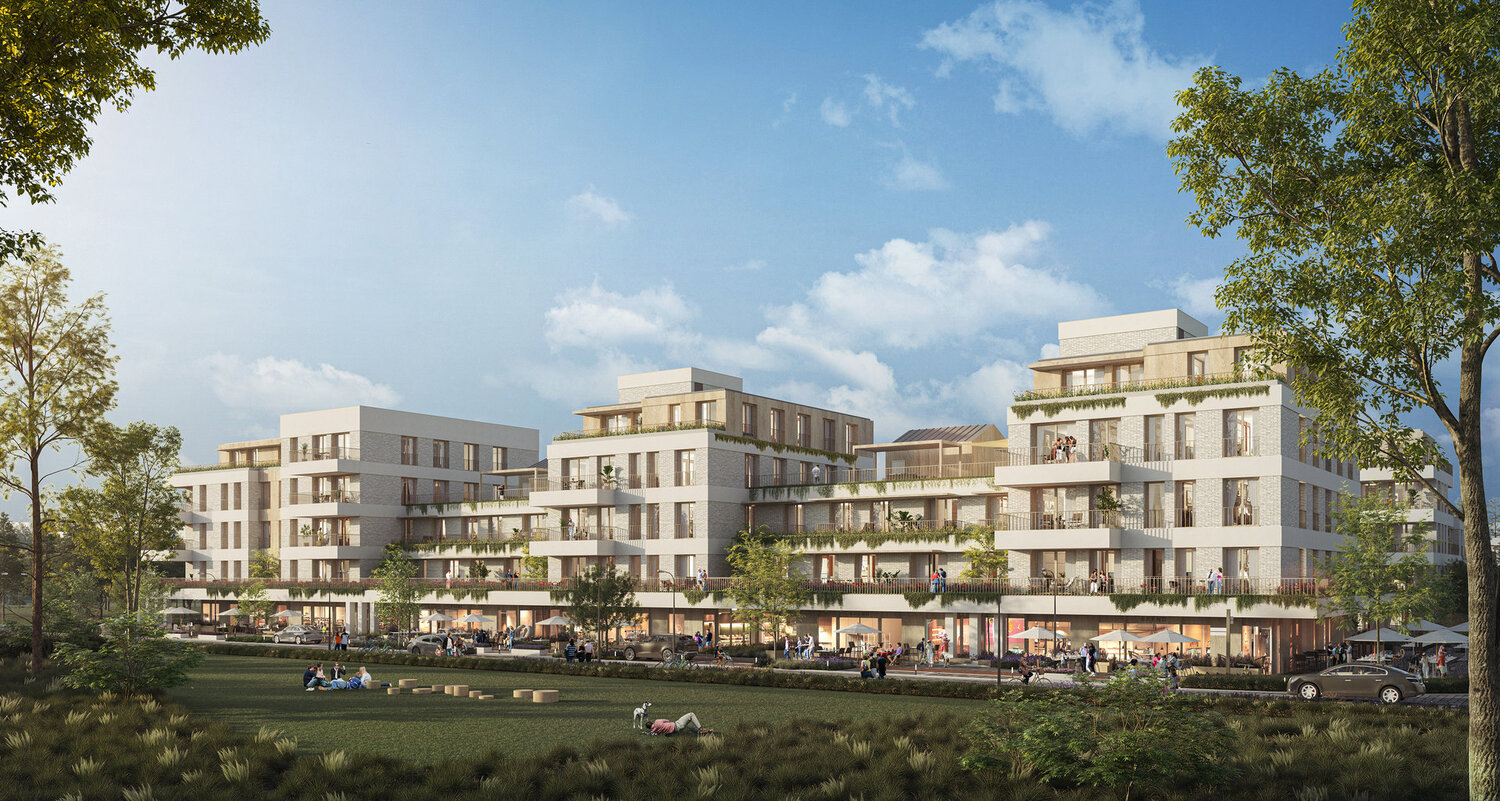
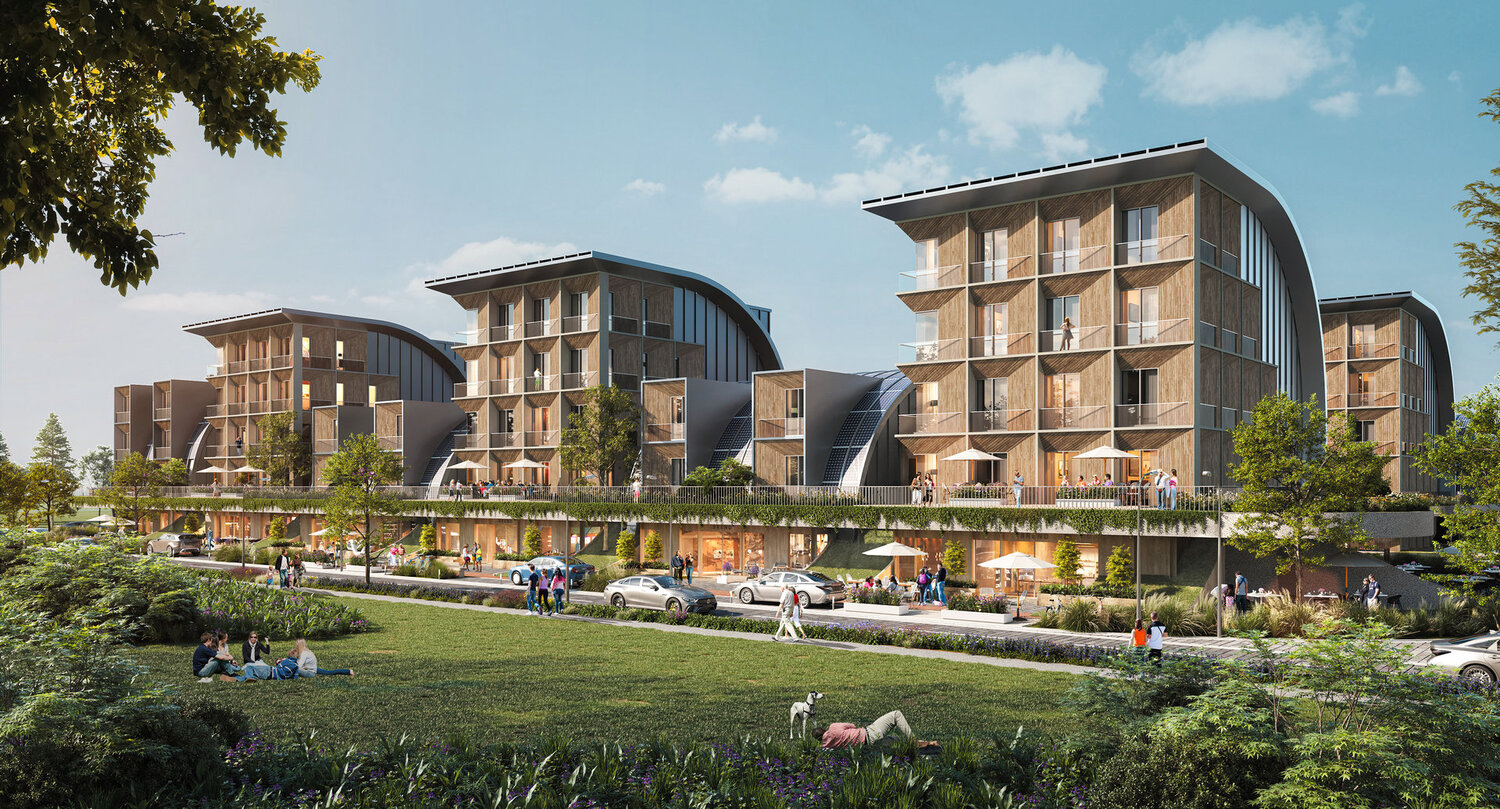
The architectural organization emphasizes permeability and diversity of spatial experience. Residential blocks are differentiated by varying floor heights, increasing the number of surfaces exposed to natural light. Recessed volumes create terraces, semi open spaces, and shaded courtyards. At the ground level, masses are pulled inward to expand street sections and form continuous commercial frontages. This dual-function strategy brings housing and commerce together, enhancing public life while maintaining the intimacy of residential zones. Semi-open terraces, green roofs, and active street edges define the project’s social and spatial identity.
Alternative 2 – Climatic Performance and Solar Integration Regional Context and Vision
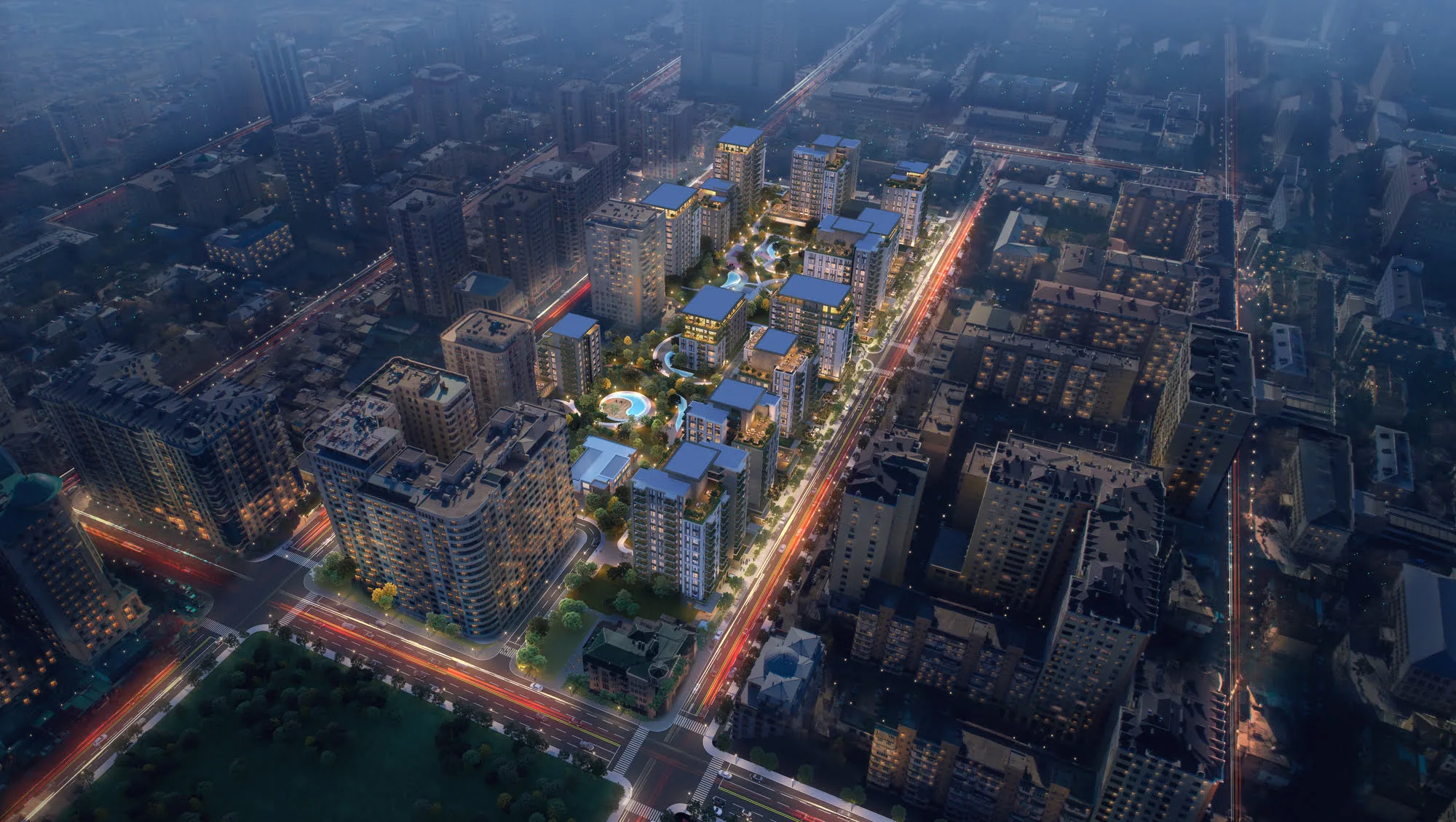
Similar to Alternative 1, the Zangilan Masterplan envisions a restorative development model for Karabakh. It integrates streets, green corridors, topography, and heritage assets into a cohesive framework, prioritizing ecological and cultural values. Zangilan’s fertile valley and the Okchu River serve as natural anchors for the plan, while the surrounding mountains provide scenic and climatic character. Native vegetation, including mulberry, persimmon, and pomegranate trees, is valorized through newly designed gardens that enhance biodiversity and cultural identity.
Climatic Adaptation and Energy Efficiency
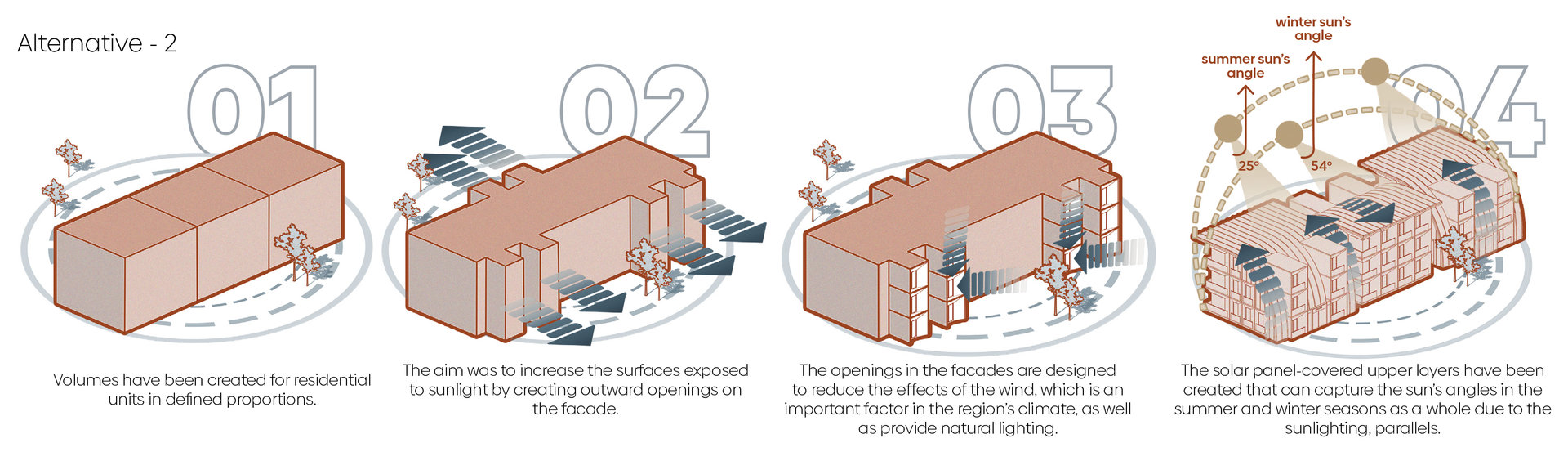
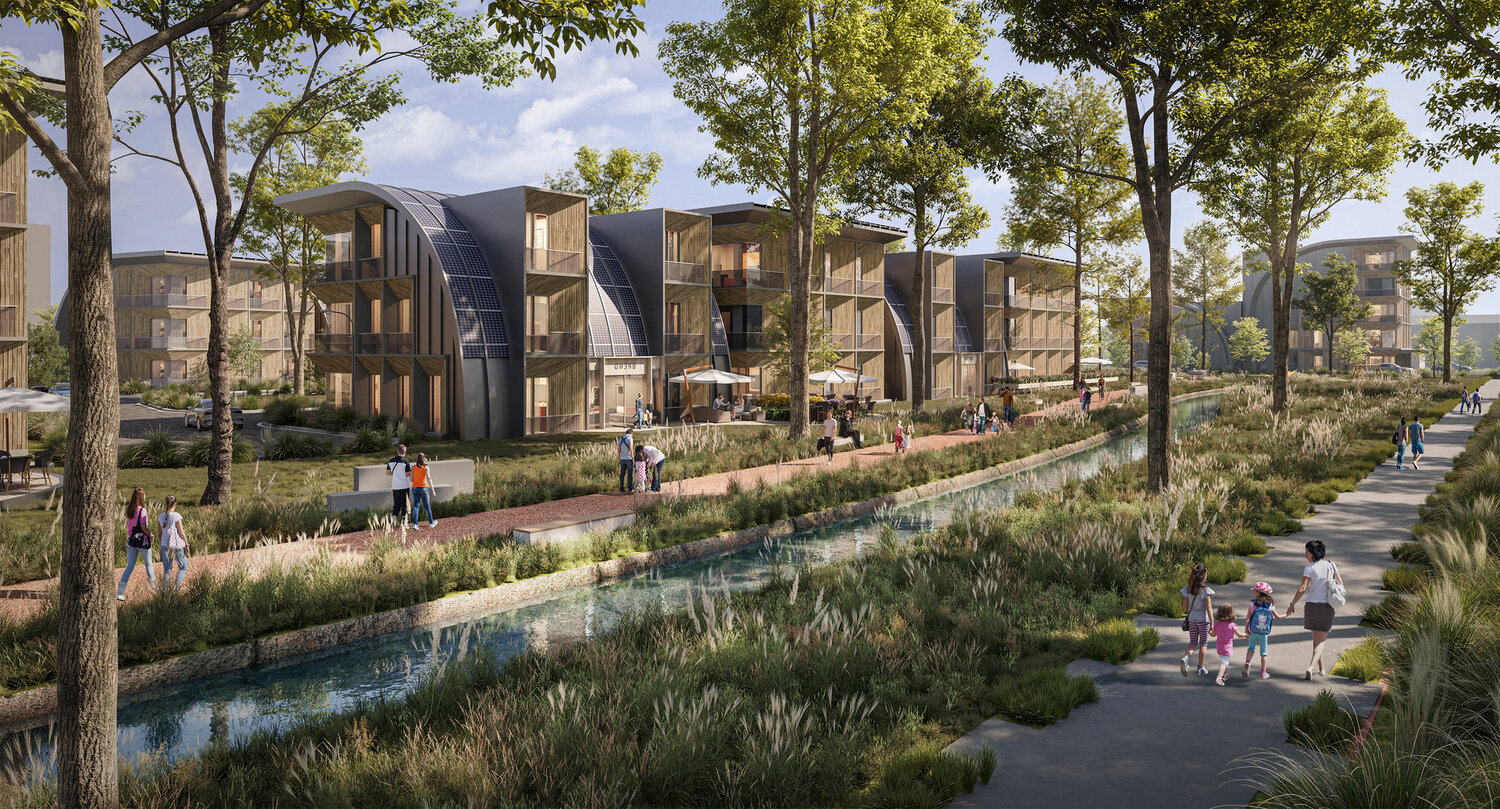
Alternative 2 emphasizes climatic responsiveness through facade strategies and solar integration. The planning approach maximizes exposure to natural light by orienting buildings strategically and incorporating high glass surfaces. Properly designed terraces and large windows allow interior spaces to be filled with daylight, reducing reliance on artificial lighting and lowering energy consumption.
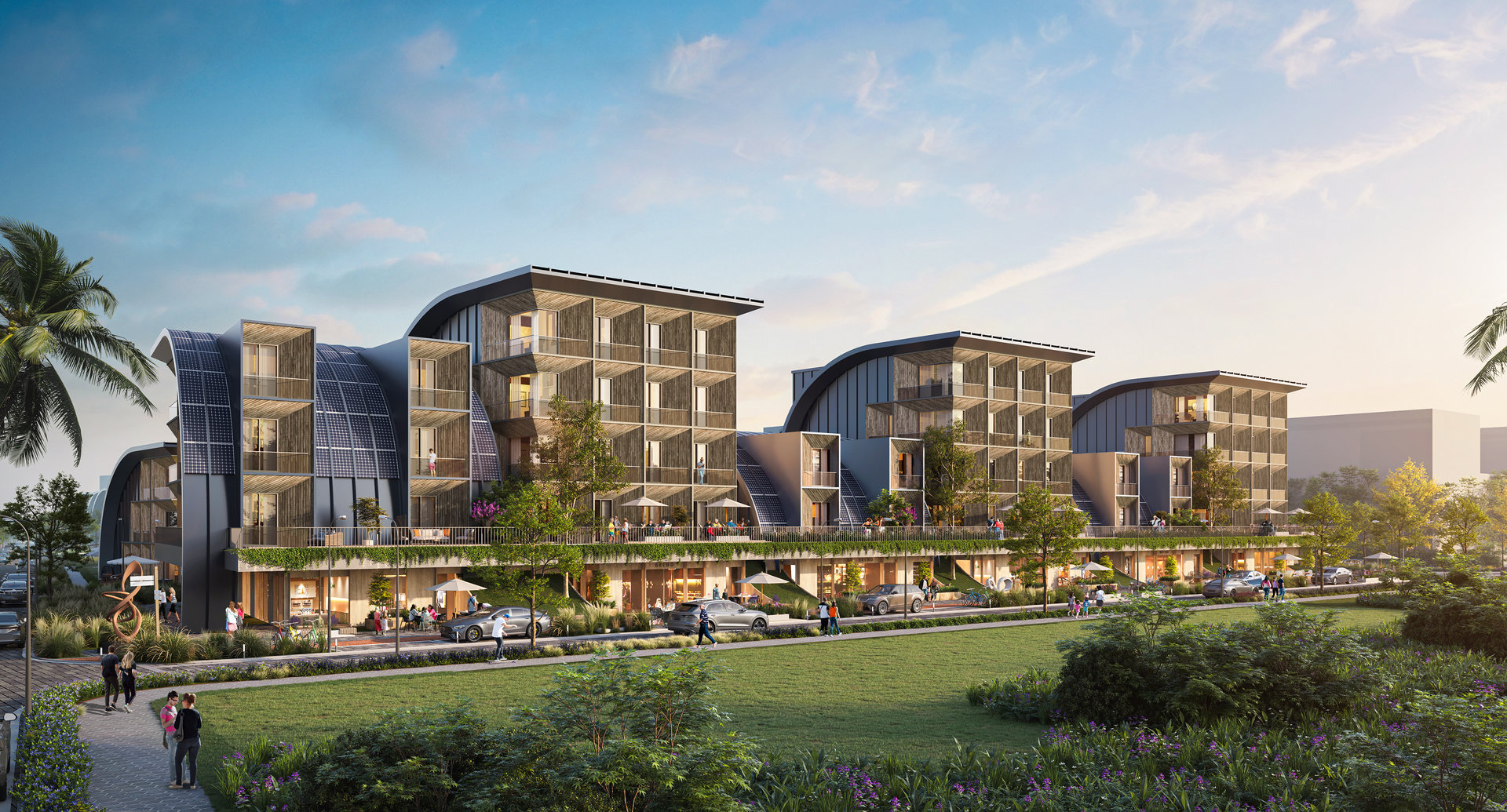
Facades are articulated with carefully designed openings that mitigate the strong regional winds while ensuring ventilation and visual comfort. At the upper layers, solar panel systems are integrated across roofscapes to capture seasonal variations of sunlight, enabling renewable energy production and enhancing the project’s environmental performance.
Spatial Strategy and Project Concept
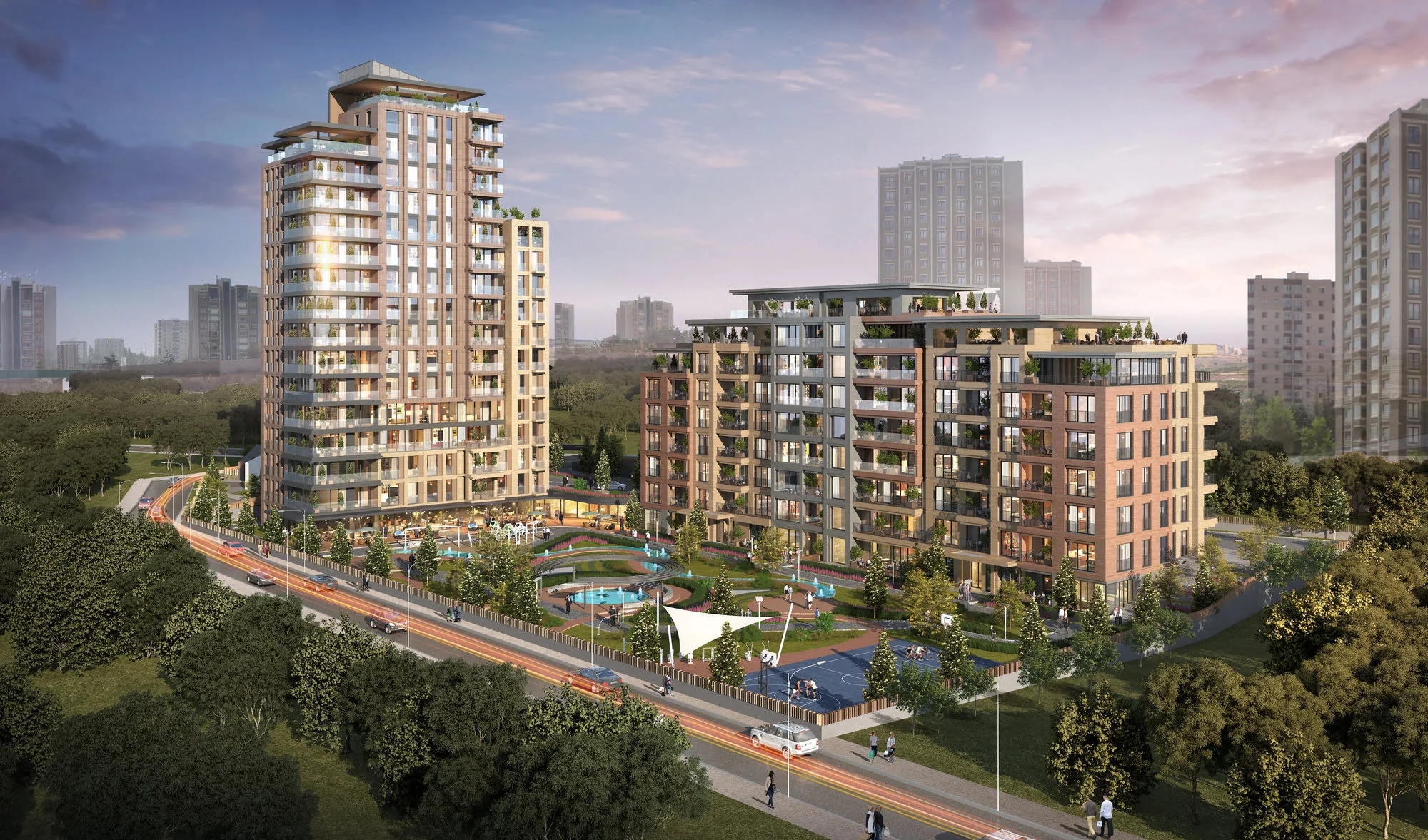
Defined volumetric proportions establish an ordered urban fabric. Outward-facing facade openings extend surface exposure to sunlight, while carefully planned terraces and balconies generate semi private thresholds between interior and exterior. The orientation of the built masses not only improves microclimatic comfort but also creates vibrant public commercial zones at ground level.
The overall result is a settlement pattern that combines efficiency, livability, and sustainability harmonizing traditional ecological values with contemporary architectural solutions.
Gallery