Karabakh, Azerbaijan
Project Type
City Planning and Master Plan
Location
Karabakh, Azerbaijan
Year
2022
Project Service
City Planning to Construction
Project Status
Ongoing
Total Area (m²)
6167400.00
Total Construction Area (m²)
441612.00
Employer
ARXKOM
Tags
Post Disaster Housing, Social Housing
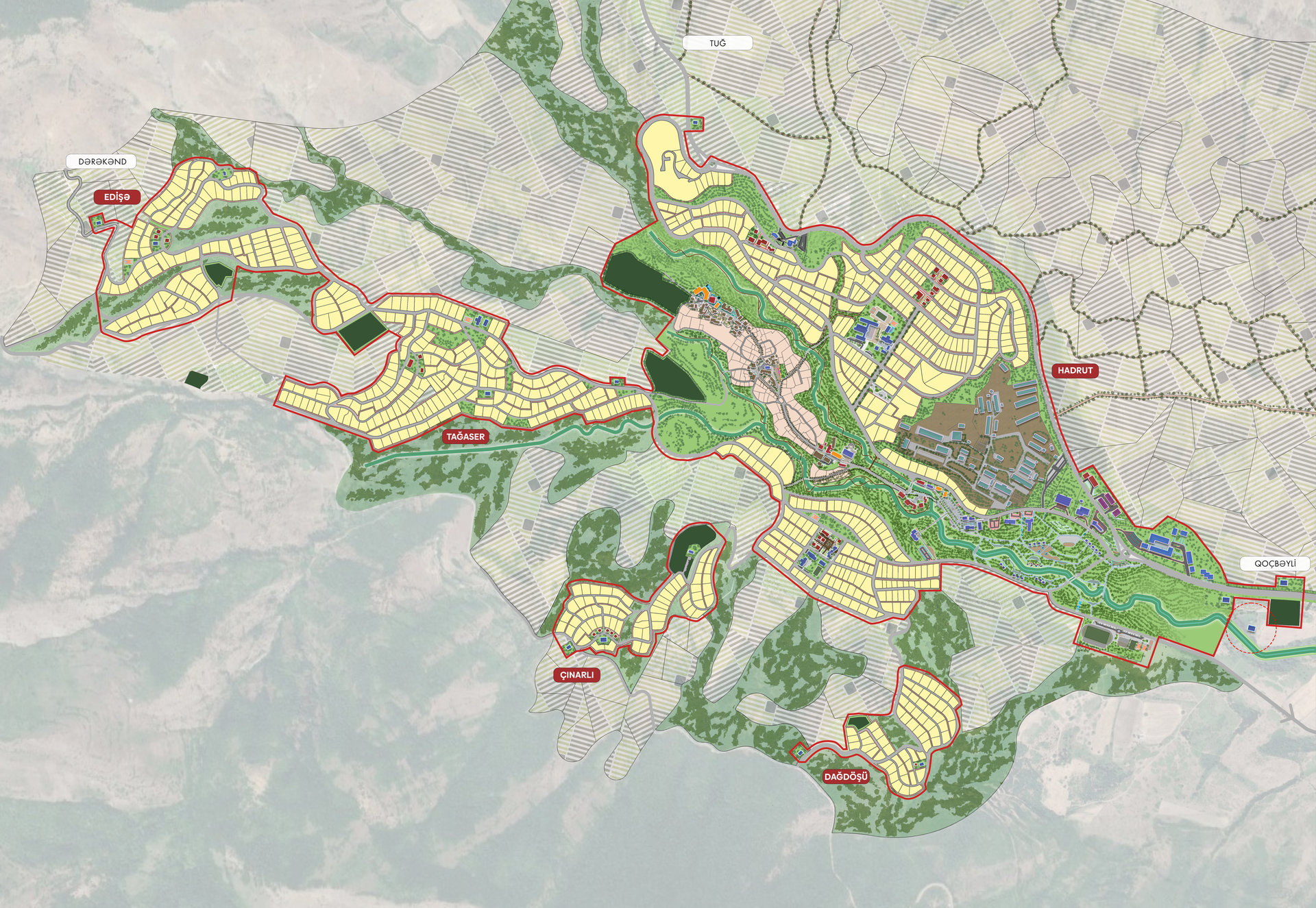
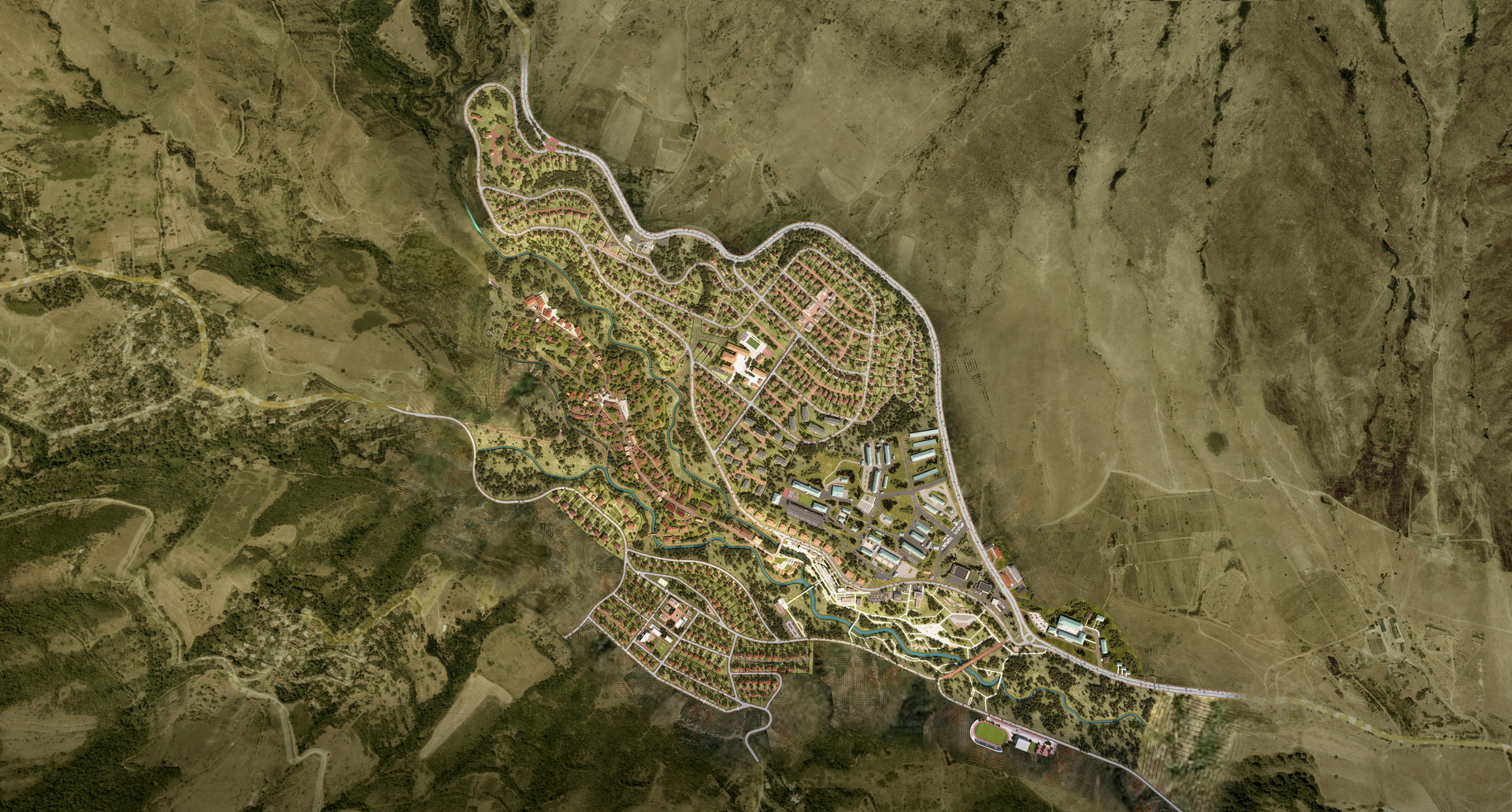
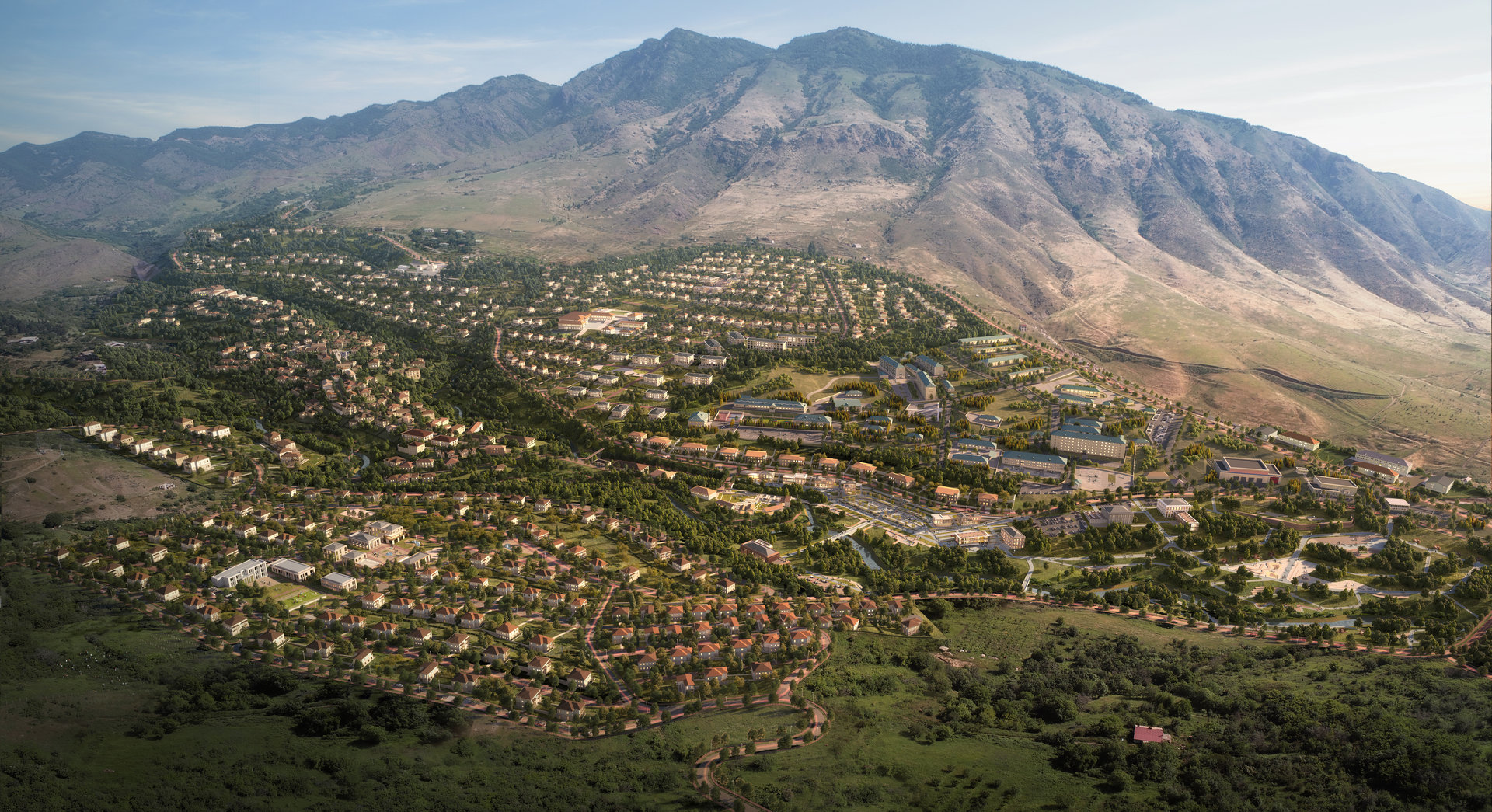
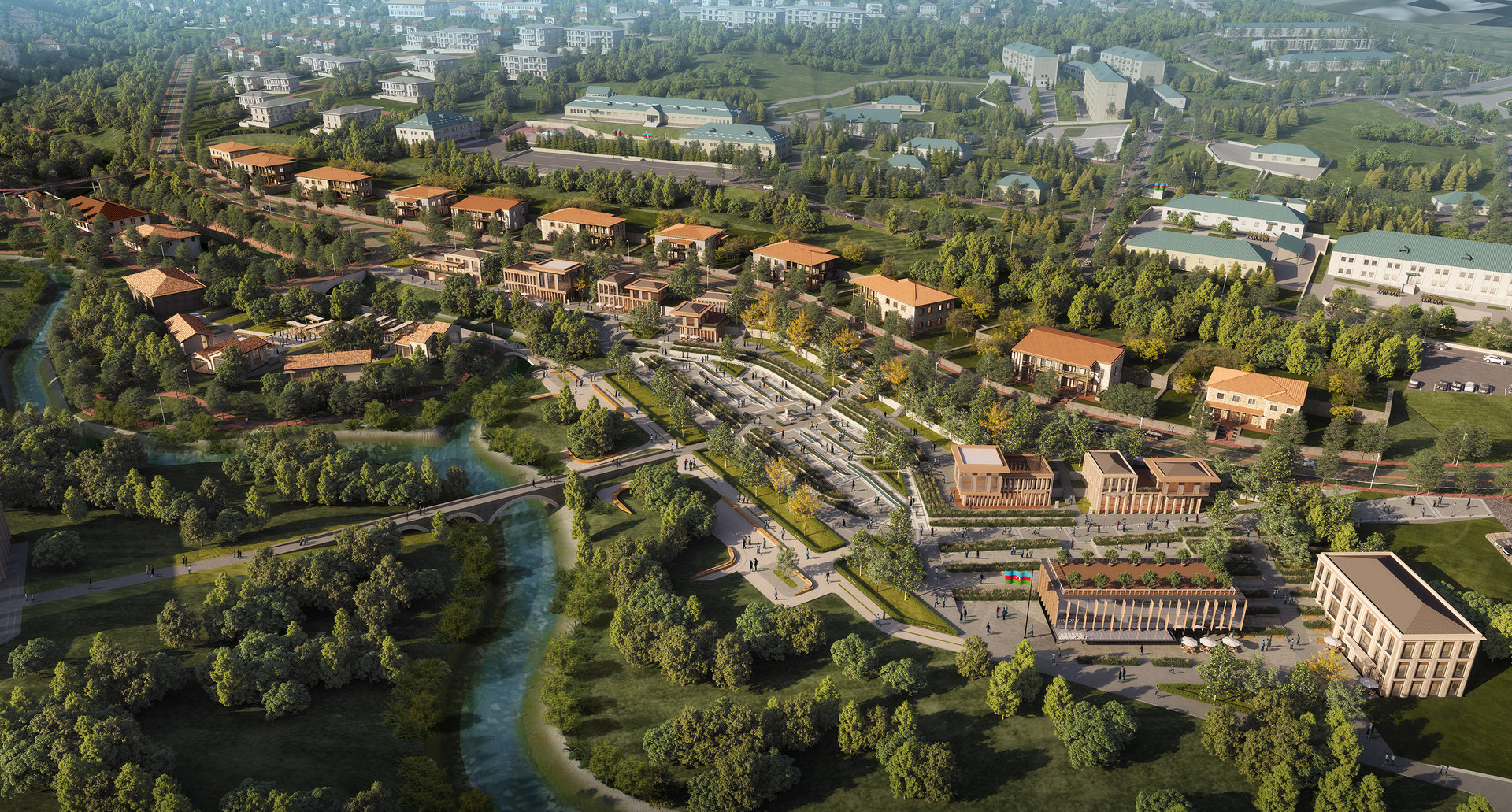
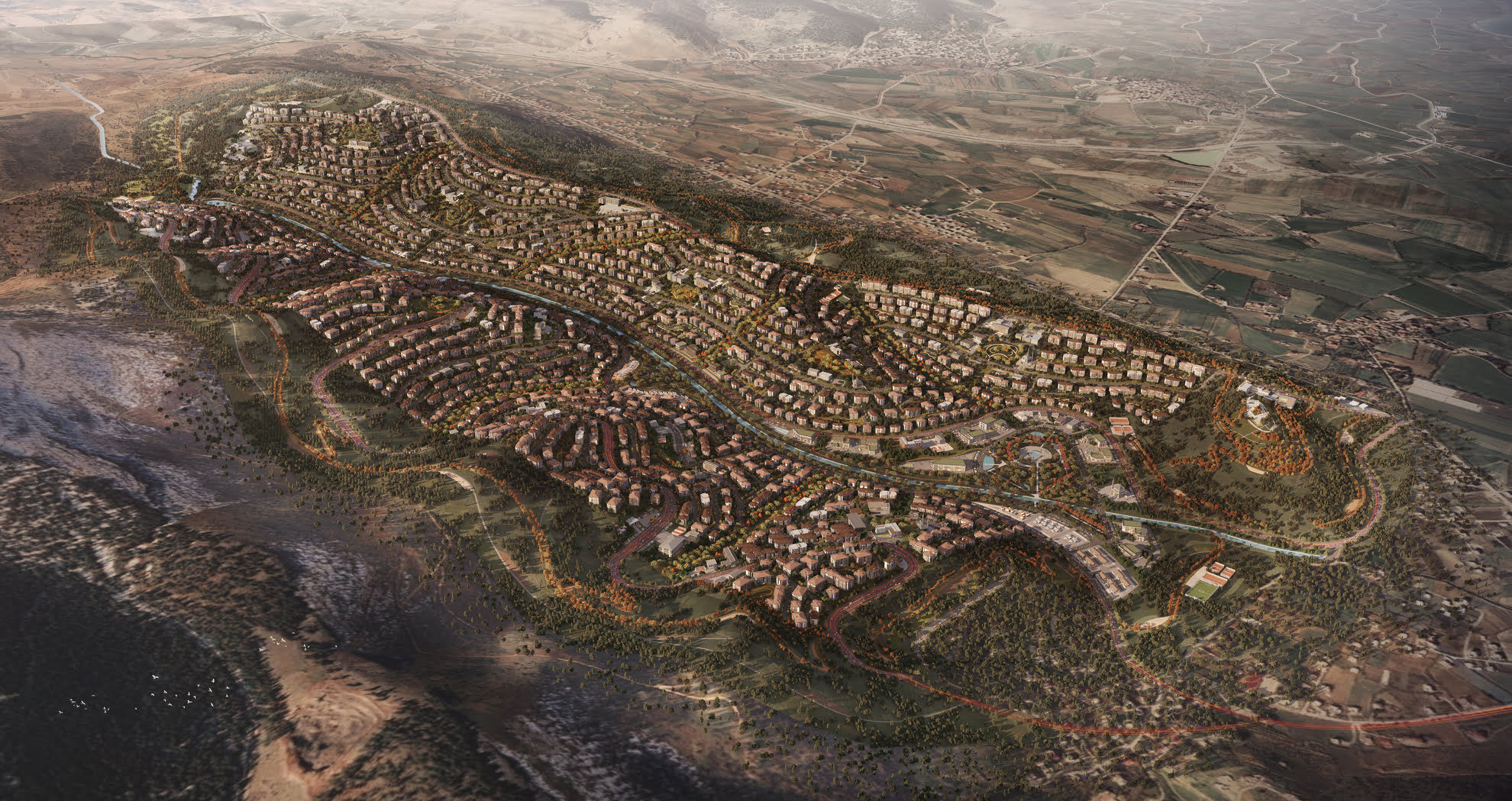
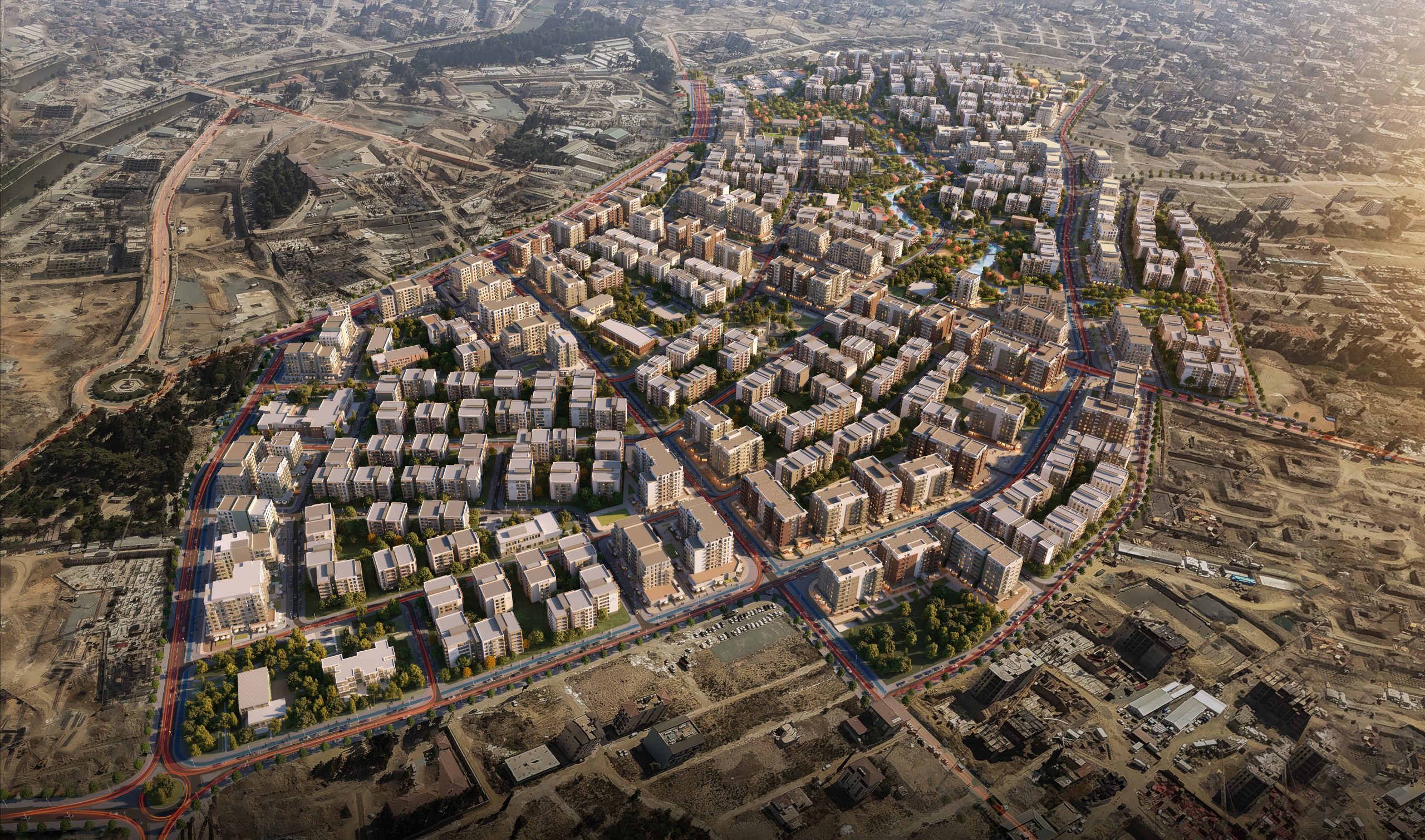
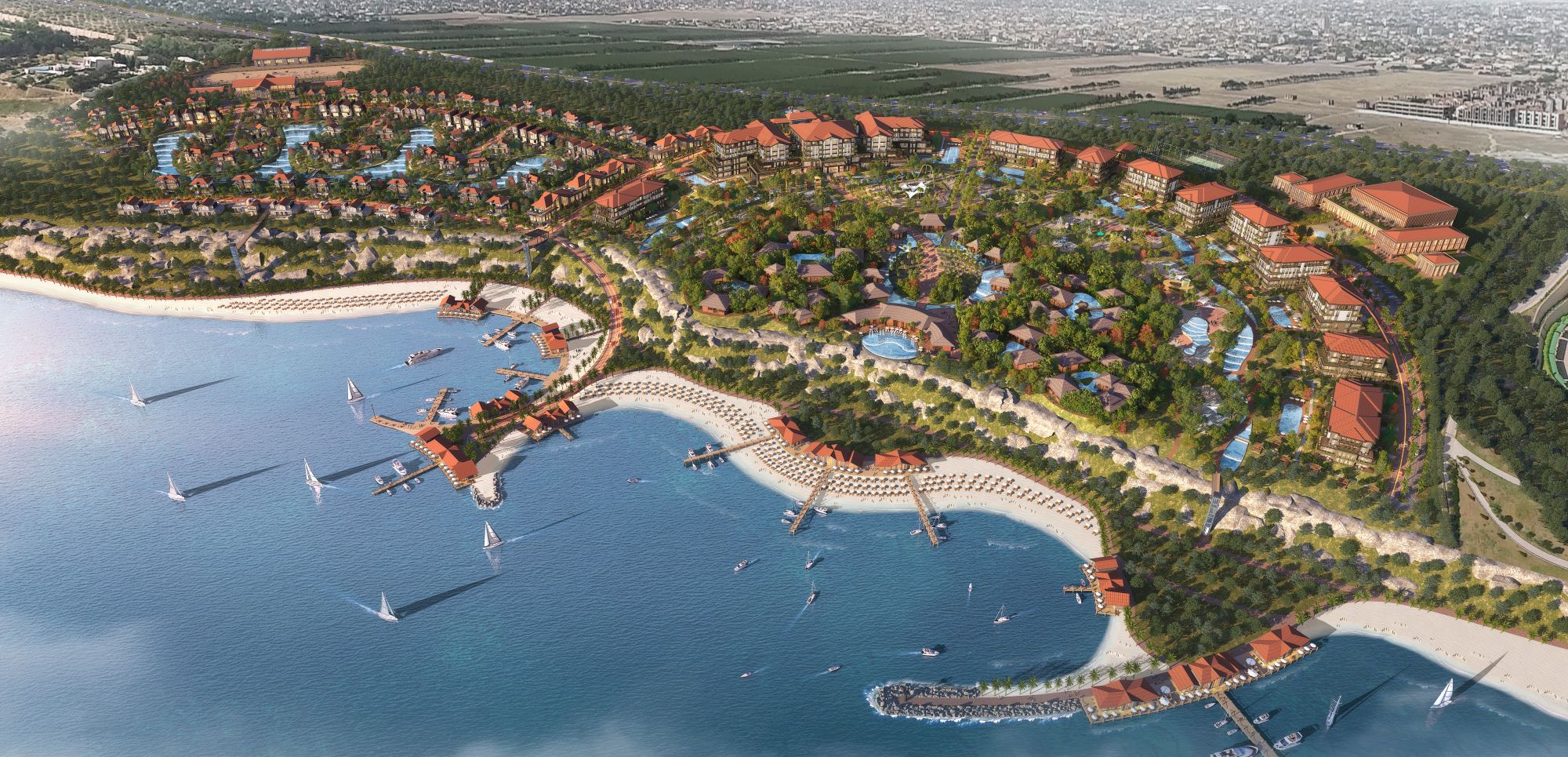
Hadrut Masterplan is a comprehensive regional planning and urban regeneration project designed by SP Architects to support the long-term reconstruction of Hadrut and its surrounding settlements in the Khojavend District of Karabakh. Developed for a post-conflict context, the masterplan integrates urban design, landscape architecture, ecological planning, cultural heritage conservation, and sustainable economic development to establish a resilient framework for future growth.
Rather than focusing solely on physical reconstruction, the project proposes a holistic vision that restores communities, strengthens local identity, and creates new opportunities for economic, social, and environmental resilience. By working with the region’s mountainous landscape, existing settlements, and agricultural traditions, the masterplan transforms a complex post-conflict geography into a sustainable and connected living environment.
Designing with Landscape and Regional Identity
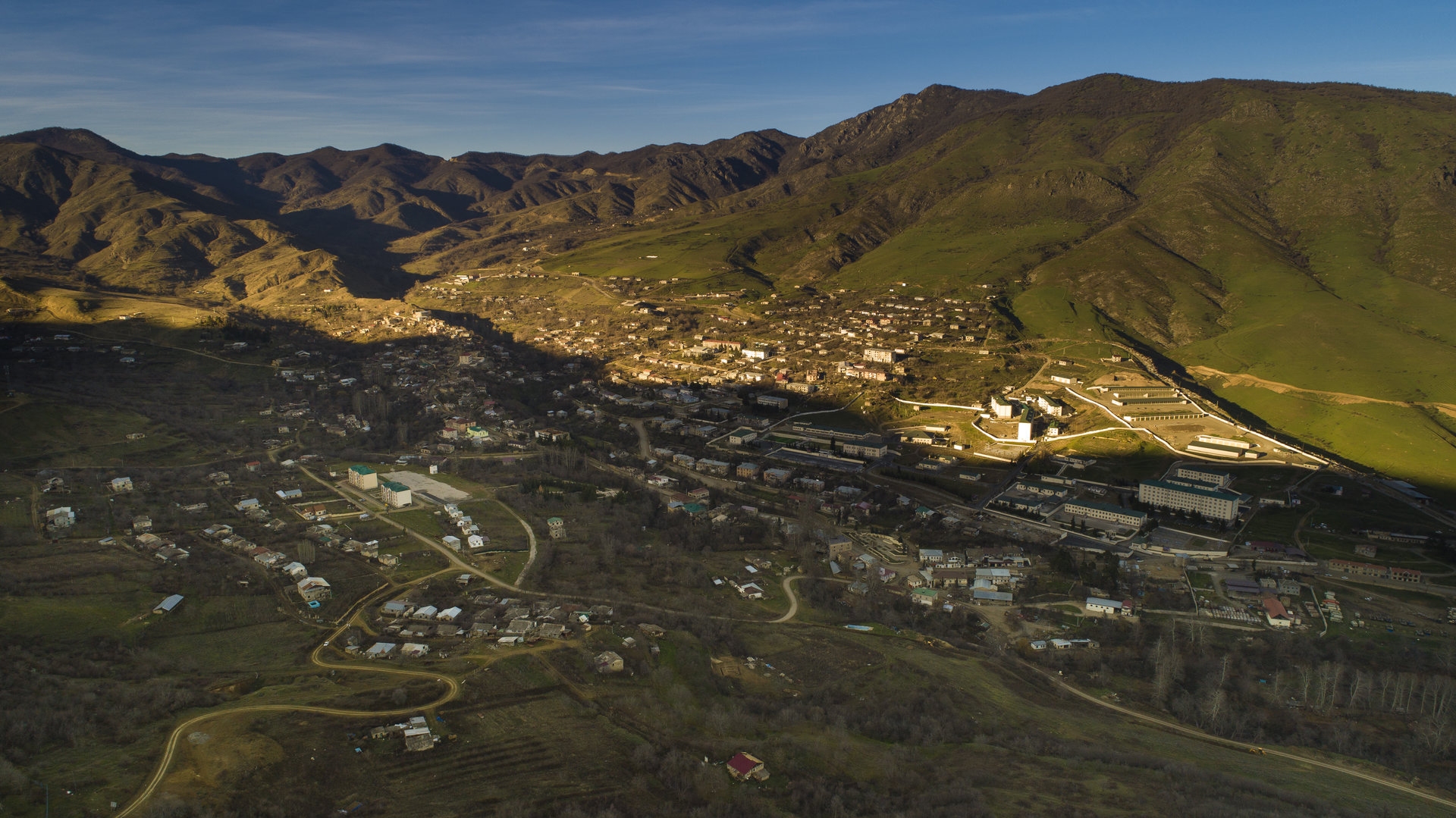
The masterplan is shaped by Hadrut’s mountainous topography, forest ecosystems, river valleys, and agricultural landscapes. Elevation, water systems, and ecological networks become the primary generators of urban structure, allowing future development to respond naturally to the region’s environmental conditions.
Broadleaf forests, steppe landscapes, agricultural land, and river corridors are preserved as interconnected ecological systems that support biodiversity while defining appropriate locations for residential development, tourism, agriculture, and public infrastructure. Instead of imposing a rigid urban form, the plan strengthens the existing relationship between settlements and the natural landscape.
Strengthening Communities Through Integrated Development
The planning strategy combines cultural heritage, economic revitalization, and contemporary infrastructure within a unified regional framework.
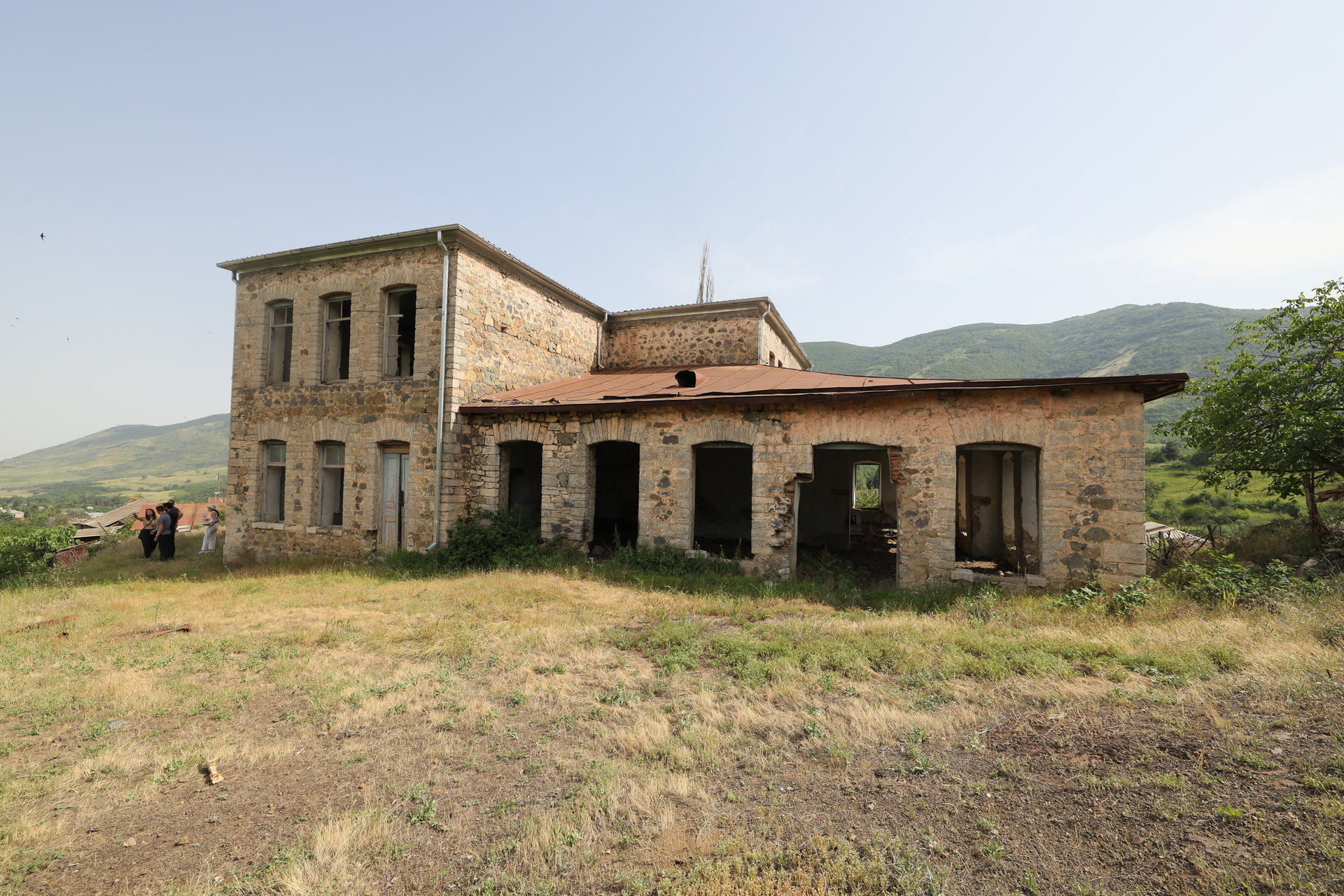
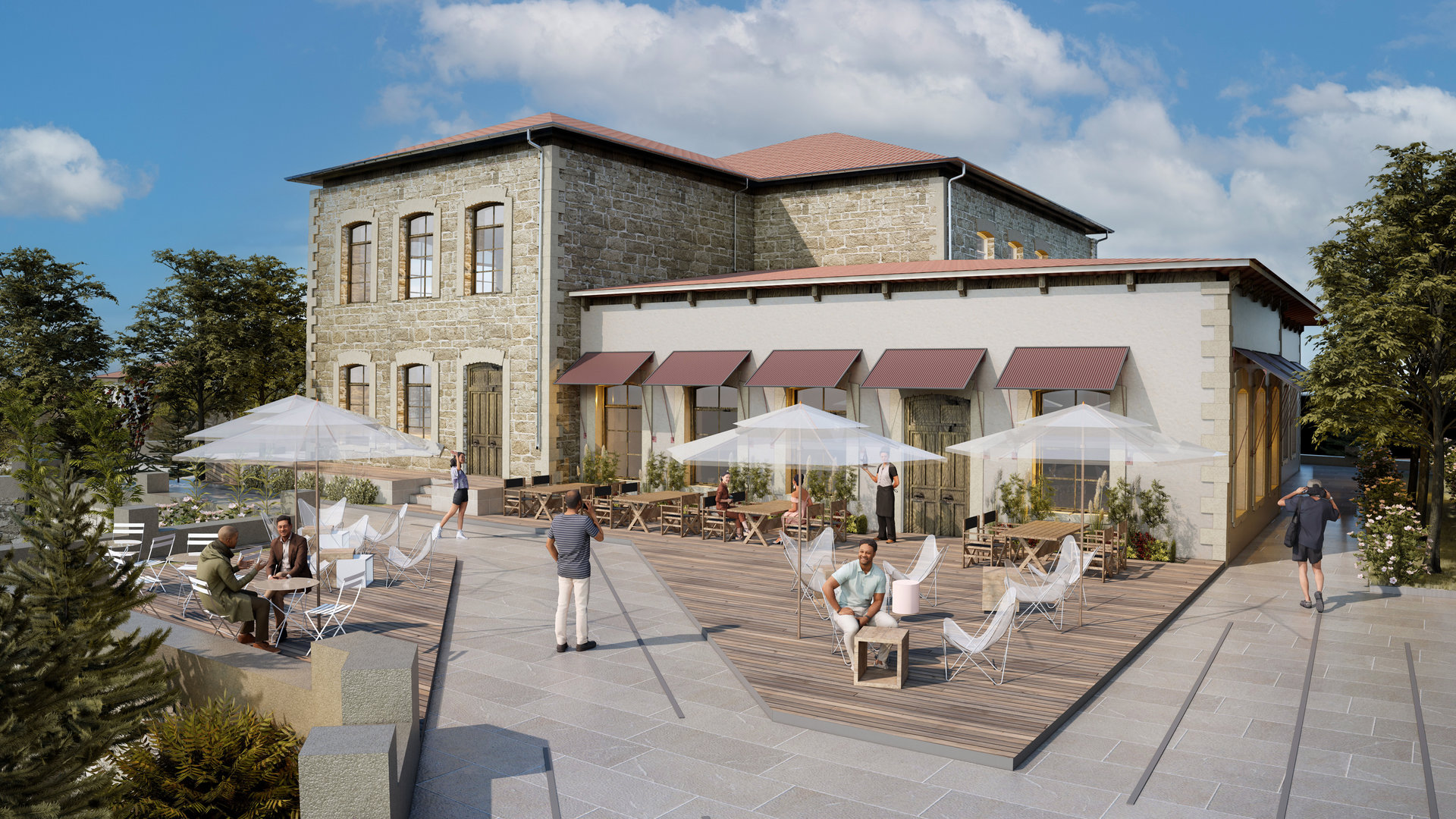
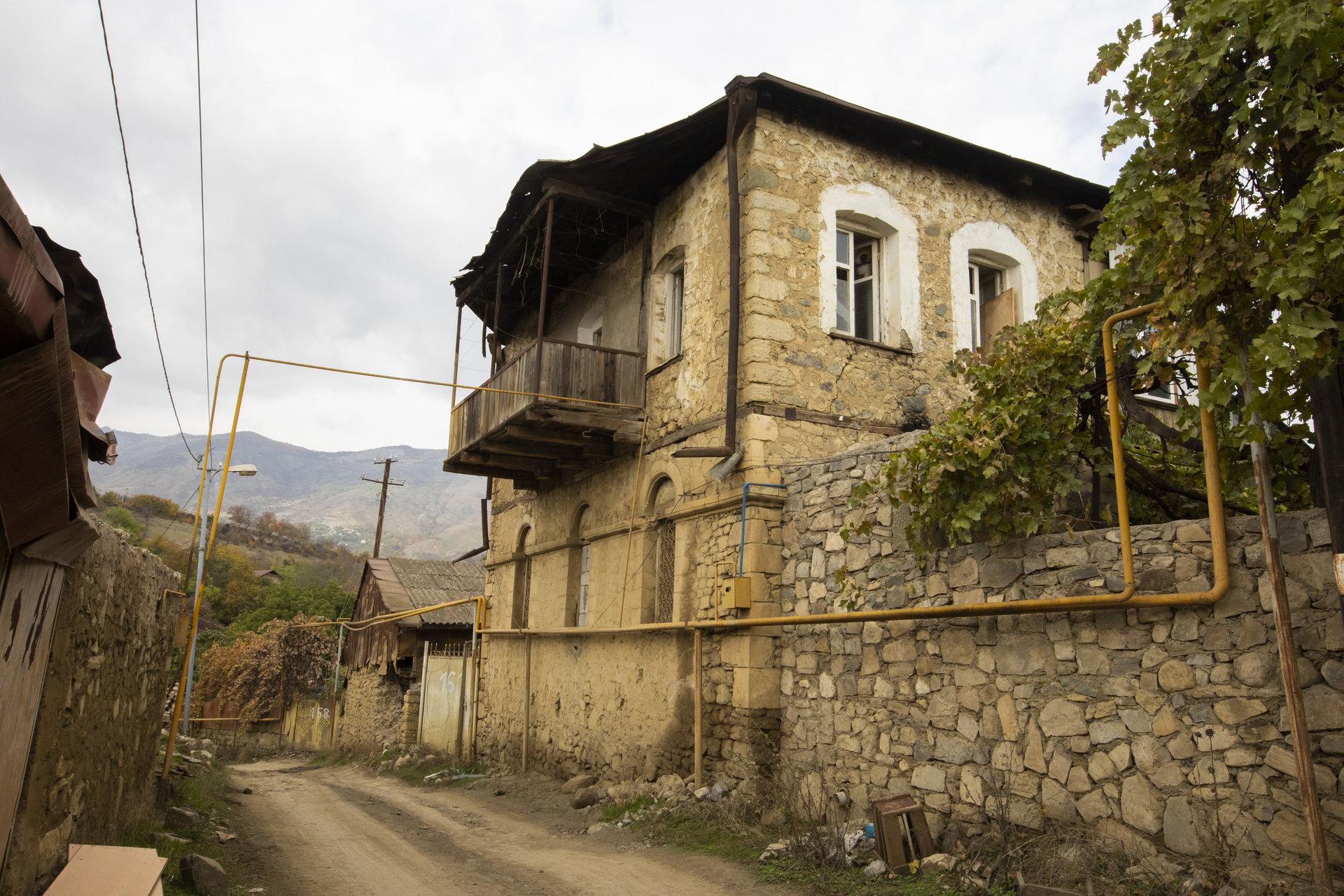
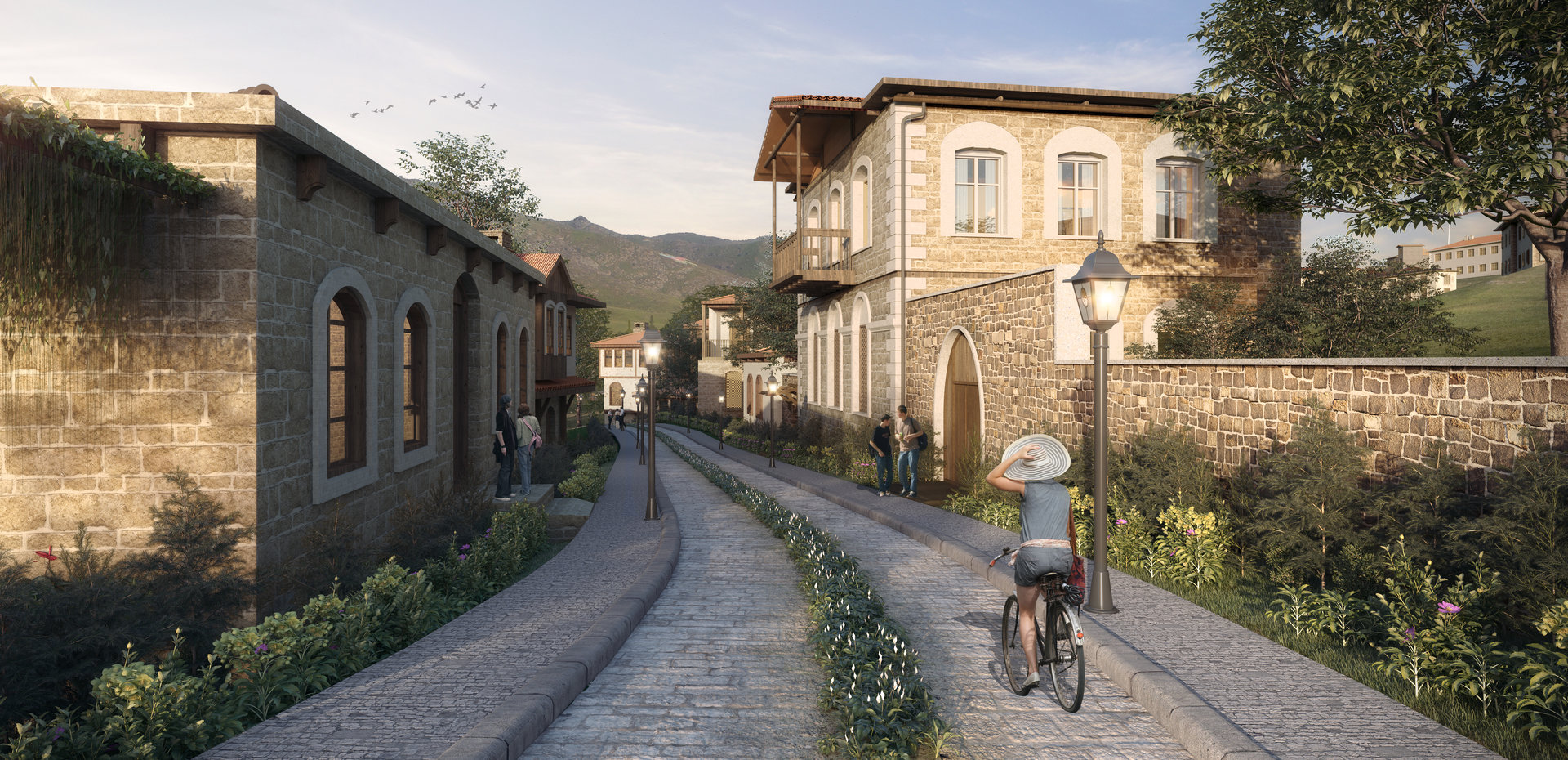
Historic settlements such as Tuğ and Edisha are revitalized through the introduction of civic spaces, educational facilities, cultural institutions, and local marketplaces that reinforce community life while preserving architectural identity. Agricultural production is re-established through productive landscapes, logistics facilities, storage centers, and rural industries that strengthen long-term economic sustainability.
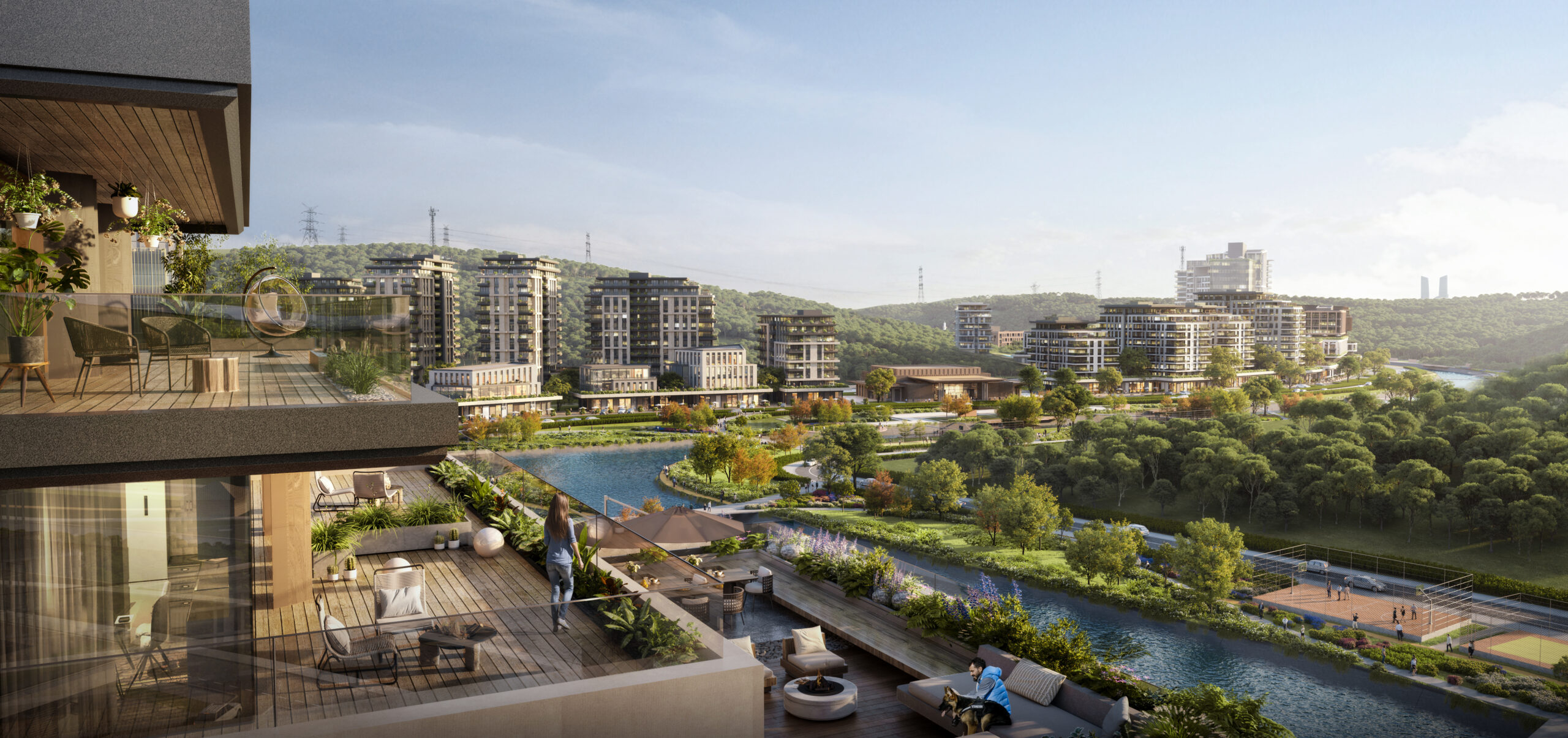
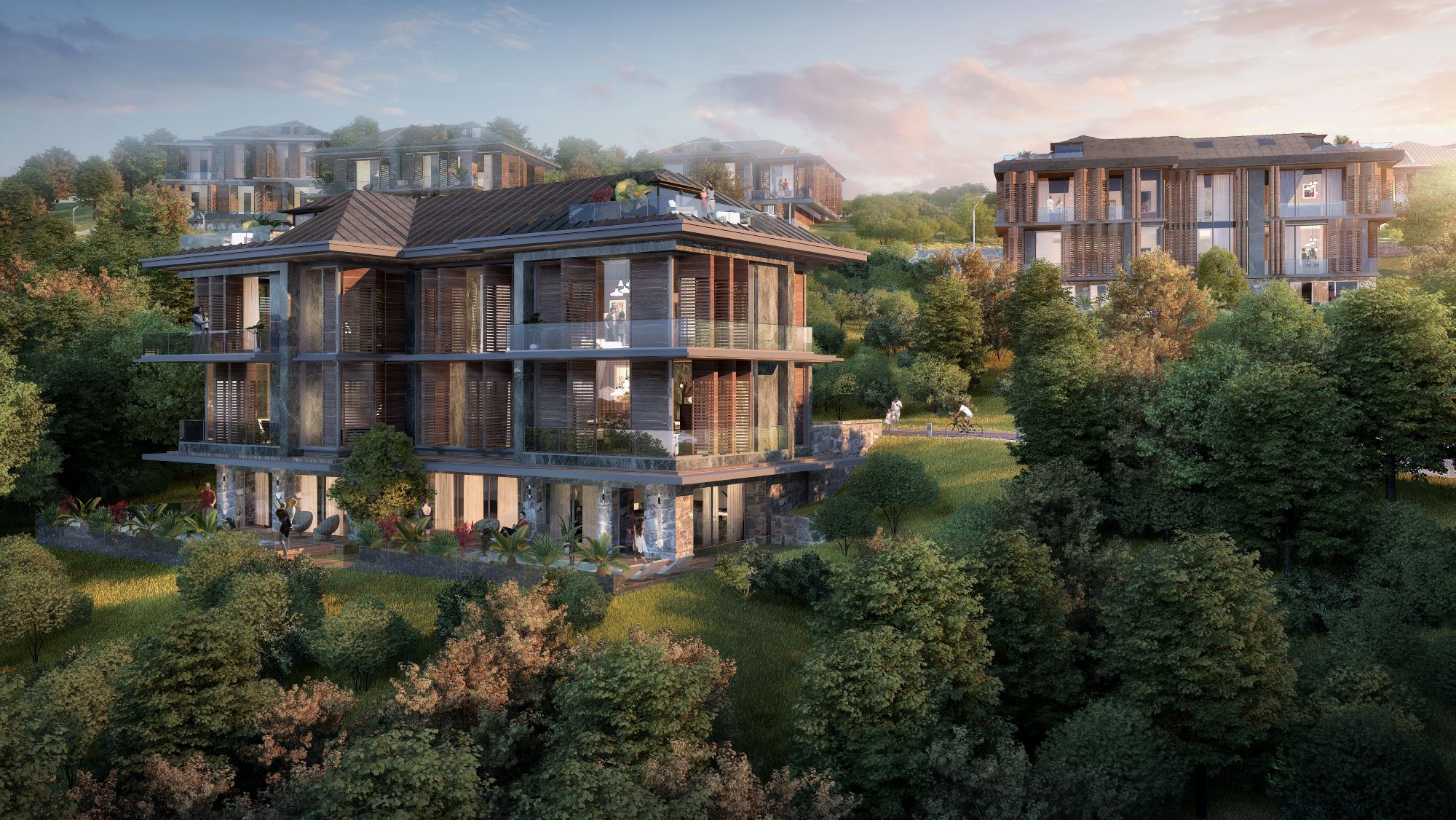
The masterplan also introduces contemporary residential neighborhoods, healthcare facilities, public services, and employment areas that improve quality of life while supporting balanced regional development across the dispersed settlement network.
A Smart and Sustainable Regional Framework
Sustainability is embedded throughout the masterplan. Passive environmental design principles inform settlement orientation, natural ventilation, water management, and landscape preservation, while continuous green corridors strengthen ecological connectivity between villages and open landscapes.
Future growth is supported through smart infrastructure, sustainable mobility, digital connectivity, and efficient resource management. Public facilities—including healthcare, education, recreation, and sports infrastructure—are strategically distributed to ensure convenient access within walkable neighborhood catchment areas, creating healthier and more resilient communities.
A Vision for Post-Conflict Regeneration
Hadrut Masterplan demonstrates how master planning can become a catalyst for long-term recovery by integrating architecture, landscape architecture, urban design, ecological planning, and cultural heritage within a single strategic vision. The project balances remembrance with renewal, preserving the region’s historical identity while creating the physical, social, and economic foundations for future generations.
Gallery