Project Type
City Planning & Master Plan
Location
Akfa, Uzbekistan
Year
2024
Project Service
Master Plan
Project Status
Concept Project
Tags
Facade Design
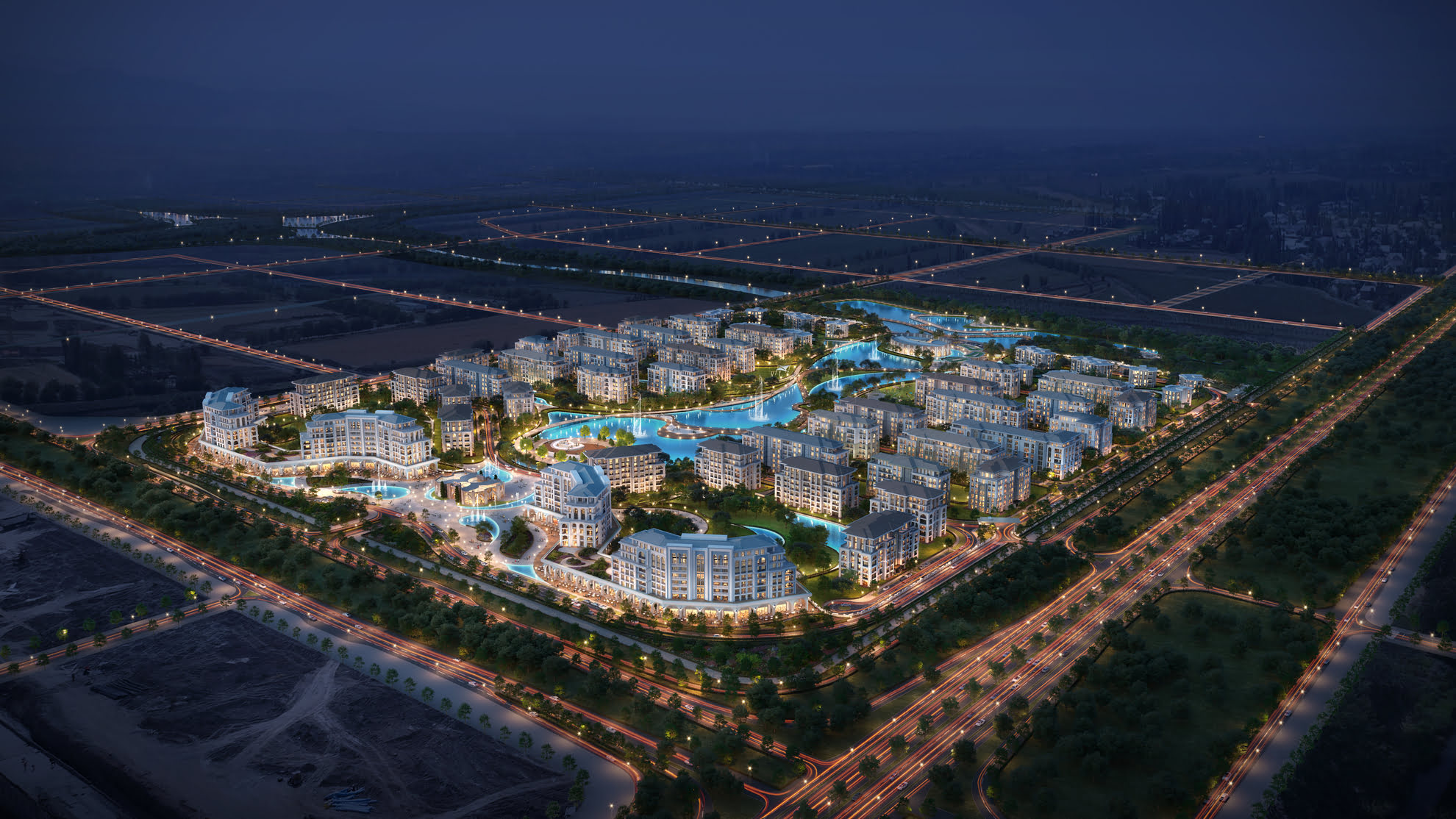
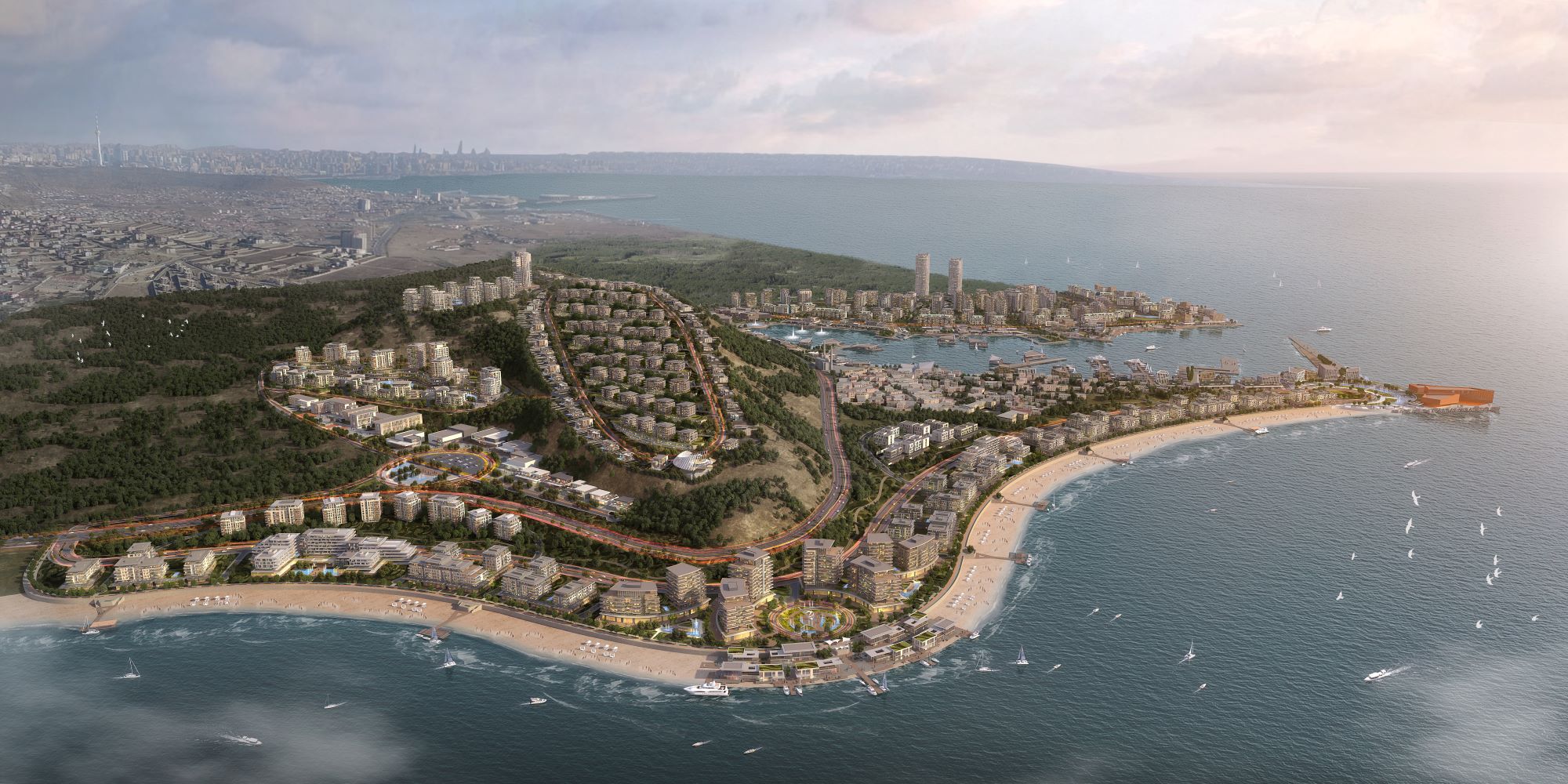
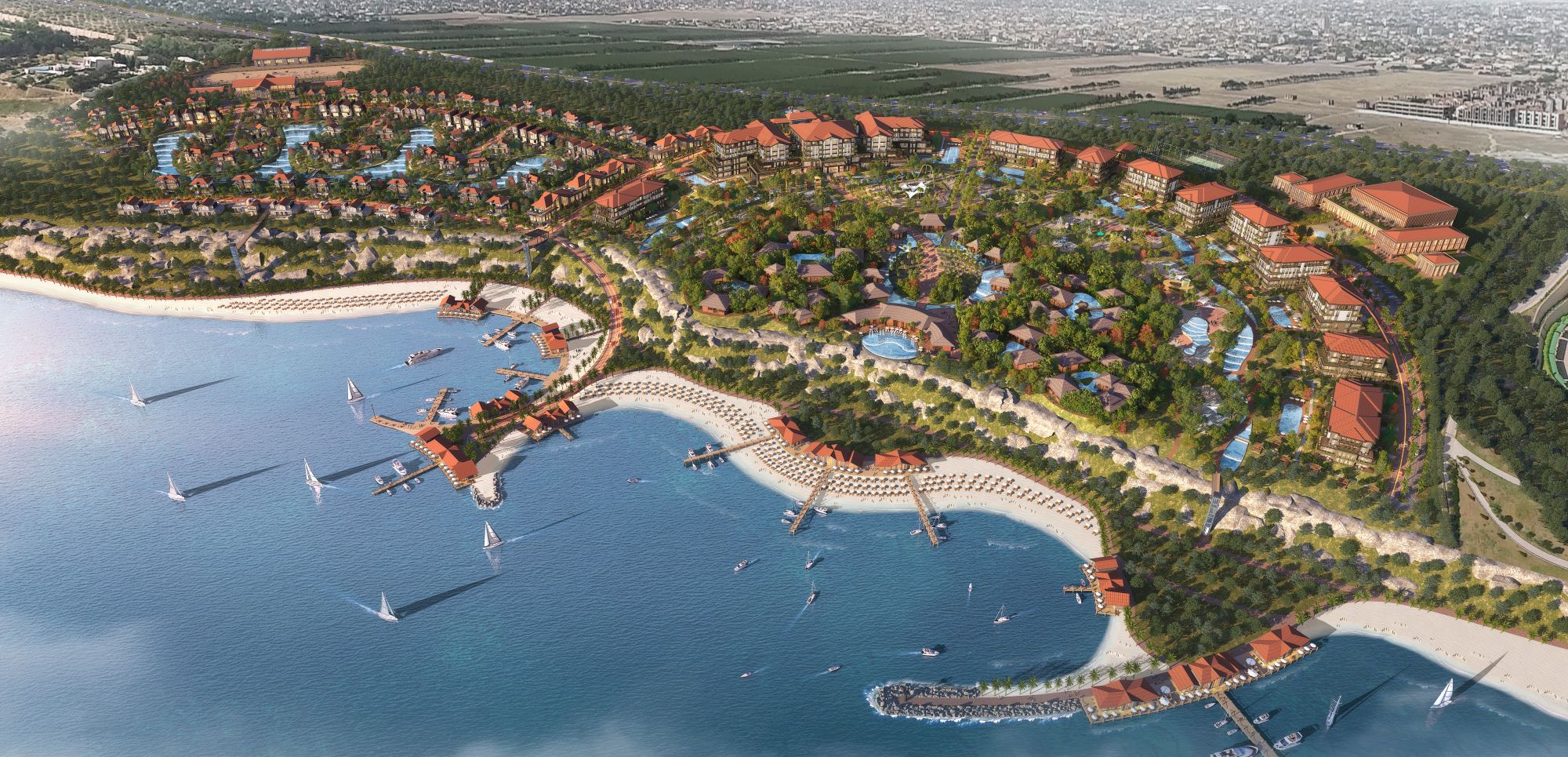
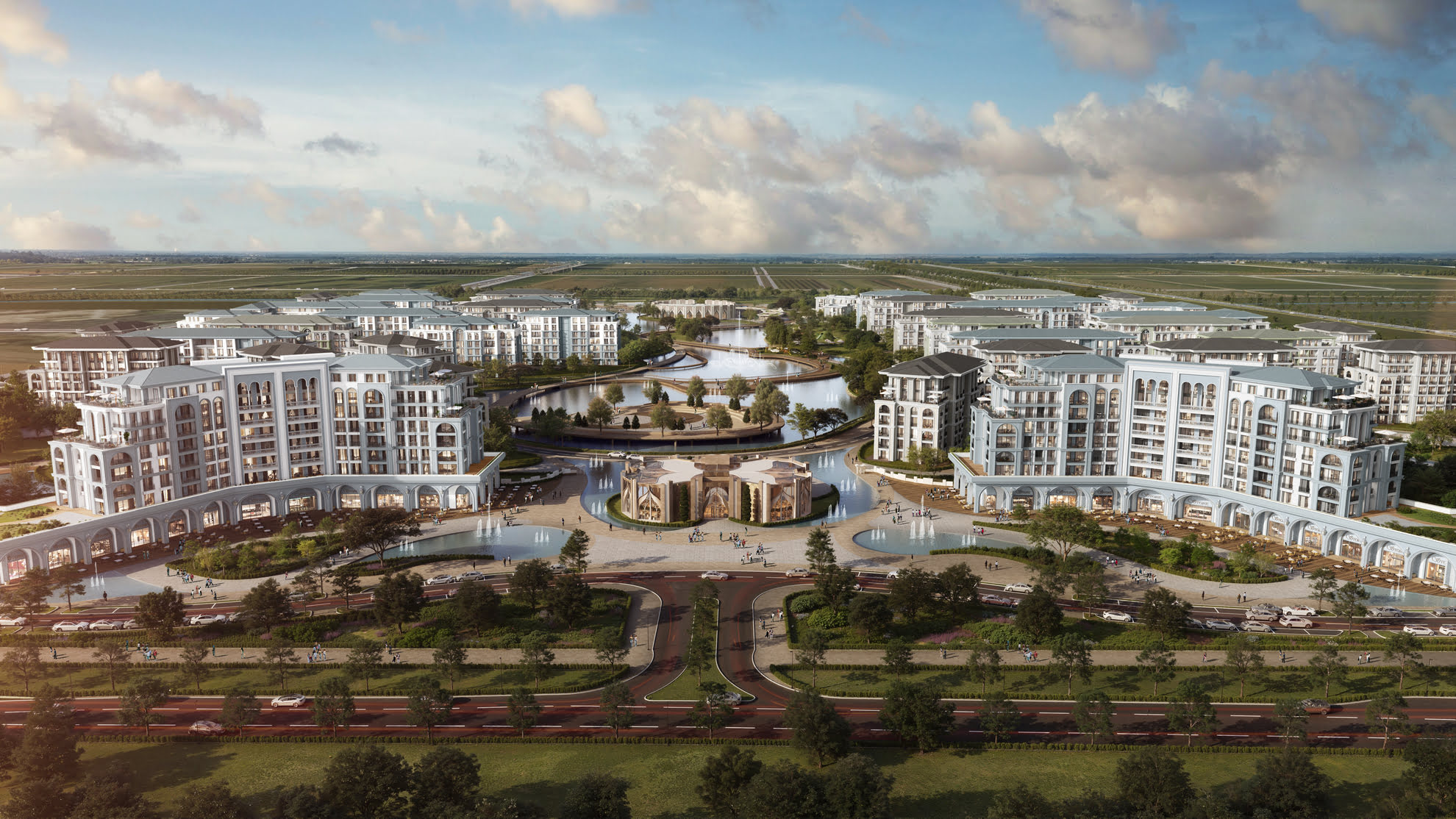
Positioned within one of Tashkent’s key development zones, this masterplan project envisions a spatial strategy that aligns seamlessly with the city’s evolving urban fabric. It is conceived as a phased development that not only strengthens the city’s modern identity but also contributes to the socio-cultural vitality of its surroundings.
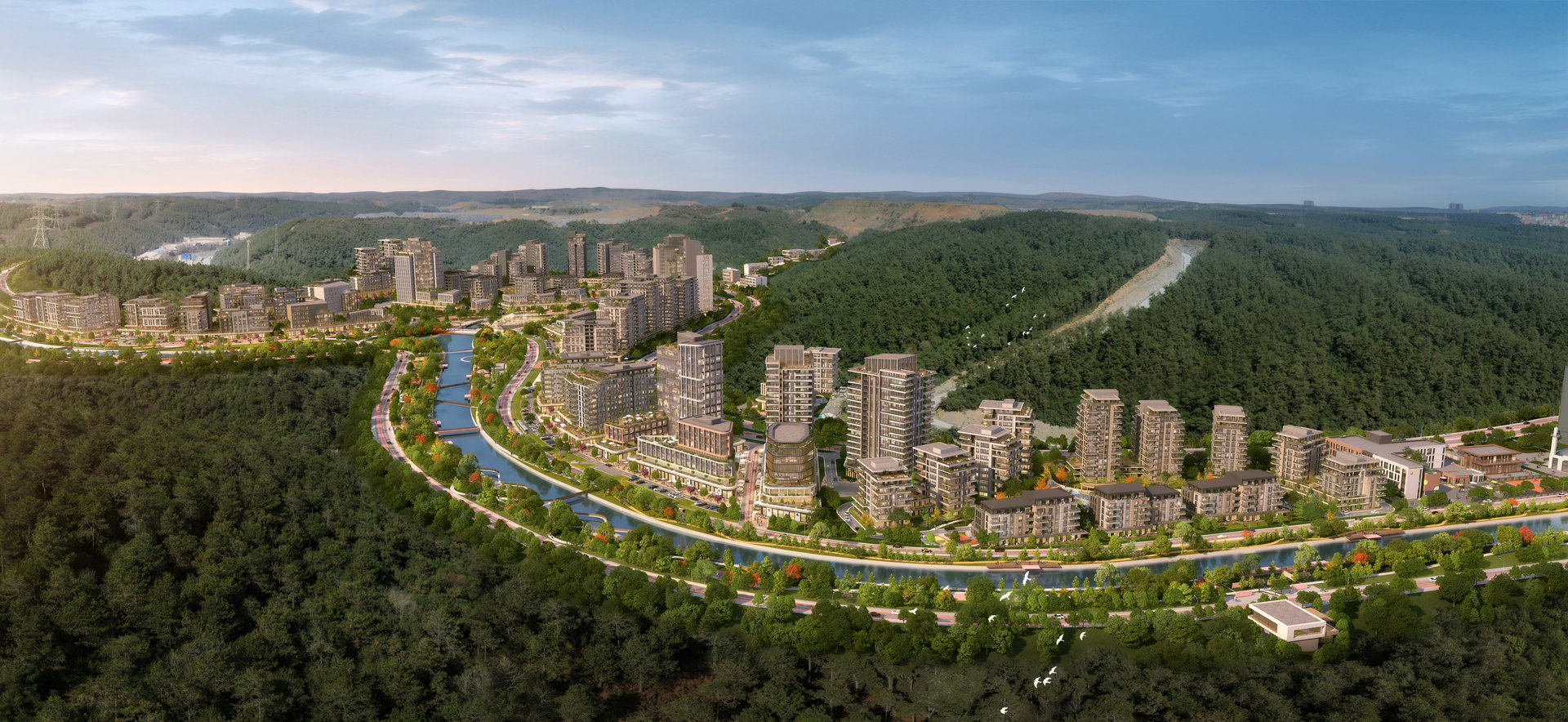
The project introduces a gradient of functionality along a deliberate north–south linear axis, transitioning from vibrant, high-density commercial and residential zones at the northern edge to more tranquil, low-rise housing clusters toward the south.
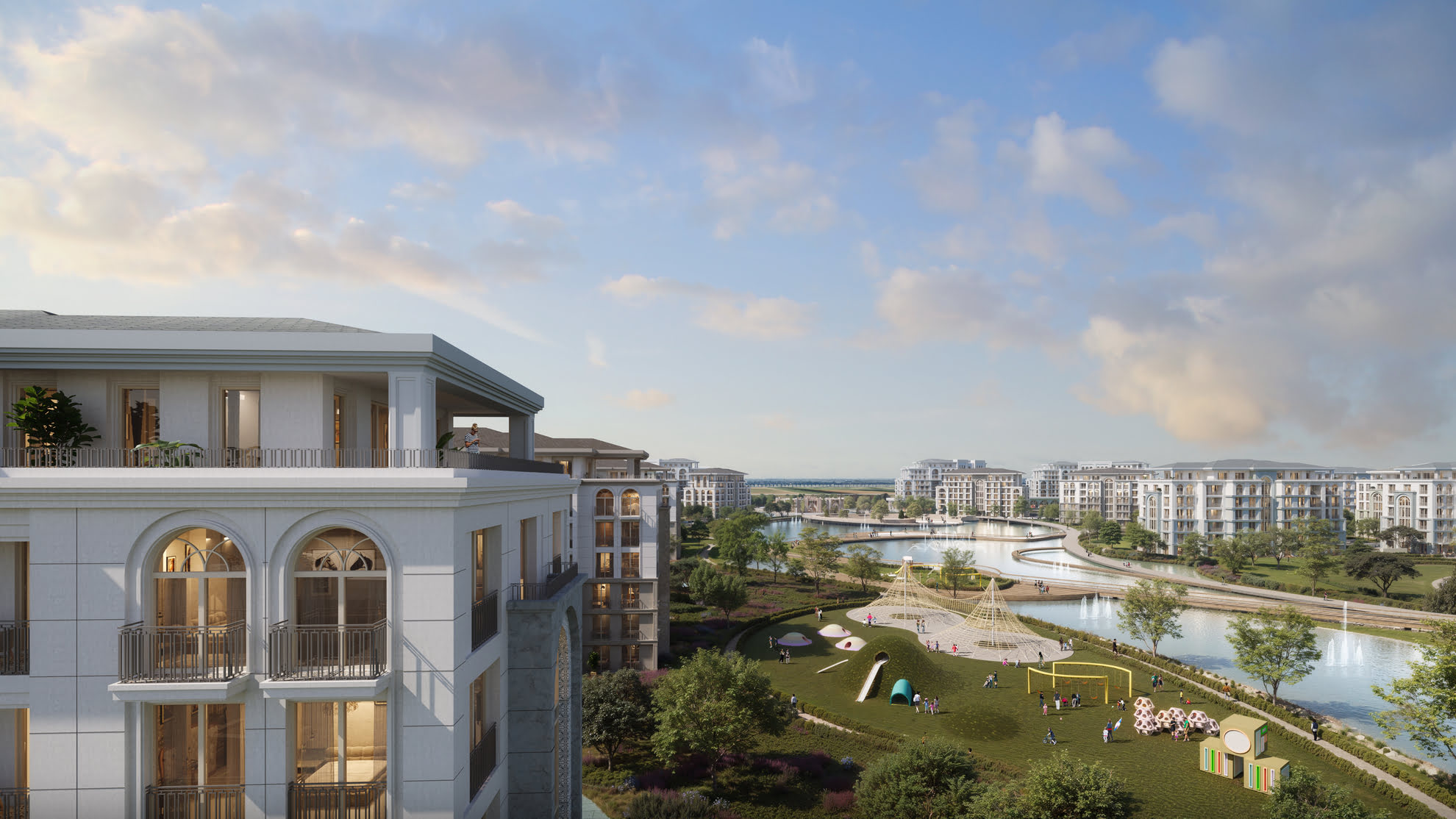
This general-to-private spatial hierarchy is supported by a strong landscape infrastructure that includes a wide, linear water feature designed to connect organically to the river located at the lower end of the site. The water axis, paired with integrated green corridors, enables a fluid relationship between built and natural systems—softening spatial boundaries and offering visitors a visually and sensorially immersive experience.
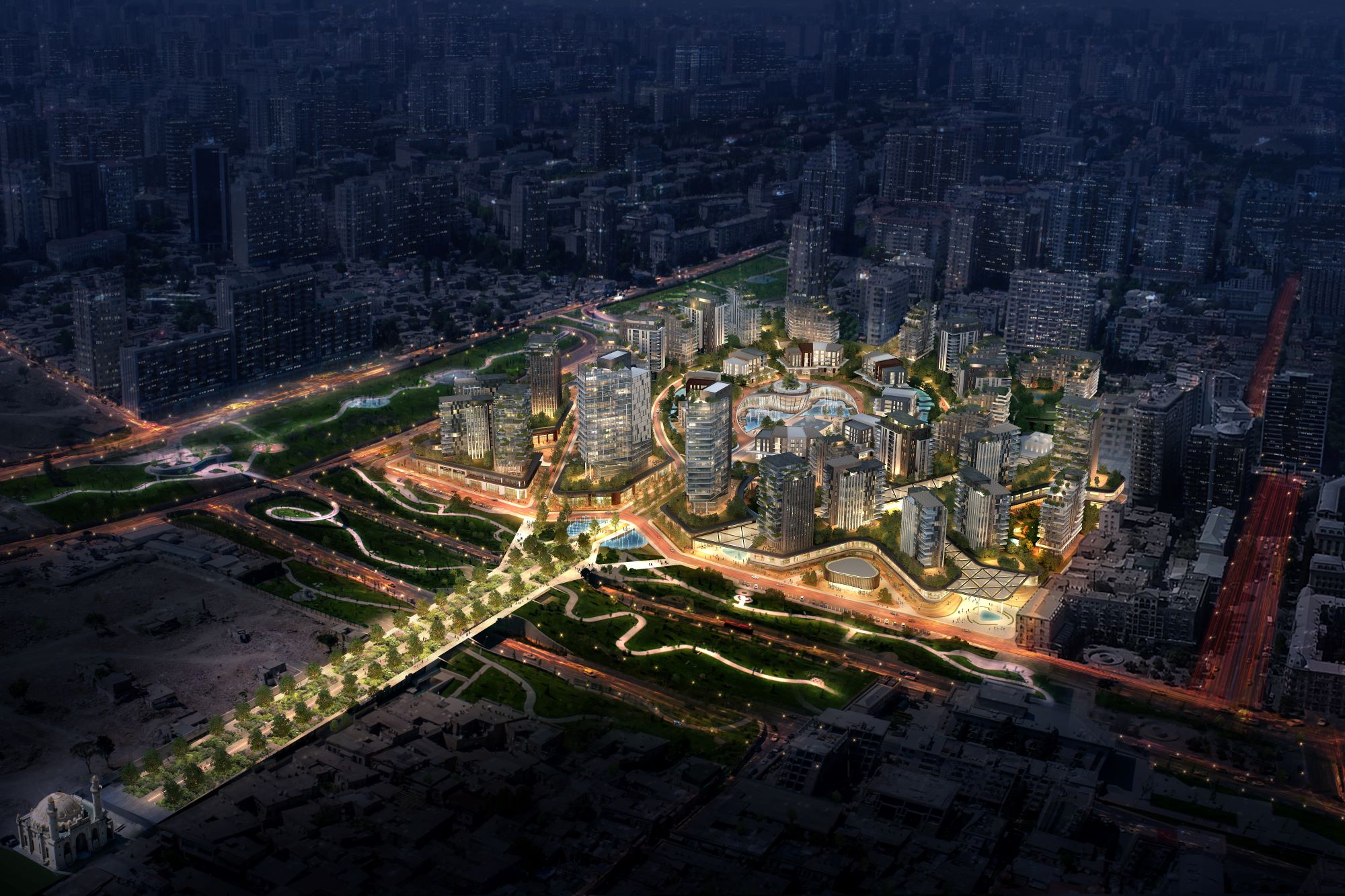
At the heart of the masterplan lies a city park, positioned as both the spatial and social anchor of the design. This park-centric approach informs the layout of surrounding “islands” that contain mixed-use and recreational programs, each oriented to activate and respond to the park. Adjacent recreation units further enrich the public realm by transforming the central square into a vibrant cultural and social landscape.
The design process adopts a phased implementation strategy. The first phase focuses on the northern segment, where residences, commercial units, and the sales office are concentrated—establishing an active urban core. Subsequent phases gradually extend southward, introducing more private and residential typologies with careful attention to human scale and acoustic comfort.
To ensure architectural and environmental coherence, the site’s infrastructure integrates sustainable design elements: continuous pedestrian flows, controlled vehicle access, and vegetation typologies that define edges and soften transitions. This includes deciduous trees along main streets, needle-leaved and fruit trees in residential areas, and climbing species on slopes.
Through this holistic approach, the project crafts a resilient, phase-adaptive urban identity that reflects both the natural terrain and the aspirations of contemporary Tashkent.
Gallery