Tashkent, Uzbekistan
E
x
p
l
o
r
e
&
S
w
i
p
e
*
E
x
p
l
o
r
e
&
S
w
i
p
e
*
E
x
p
l
o
r
e
&
S
w
i
p
e
Project Type
Mixed Use
Location
Tashkent, Uzbekistan
Year
2021
Project Service
Concept Project
Project Status
Concept Project
Total Area (m²)
26300.00
Total Construction Area (m²)
61232.00
Employer
Private
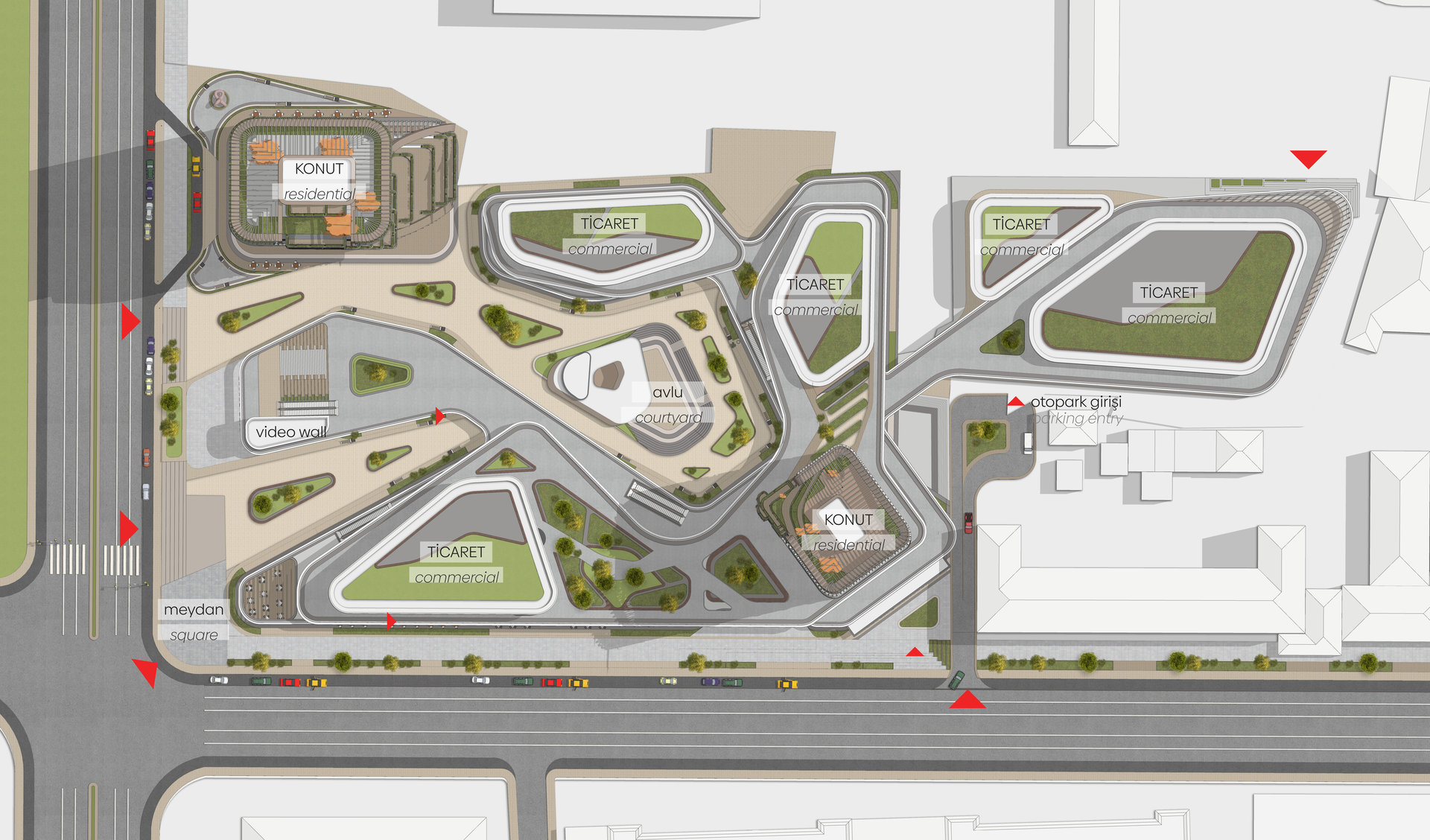
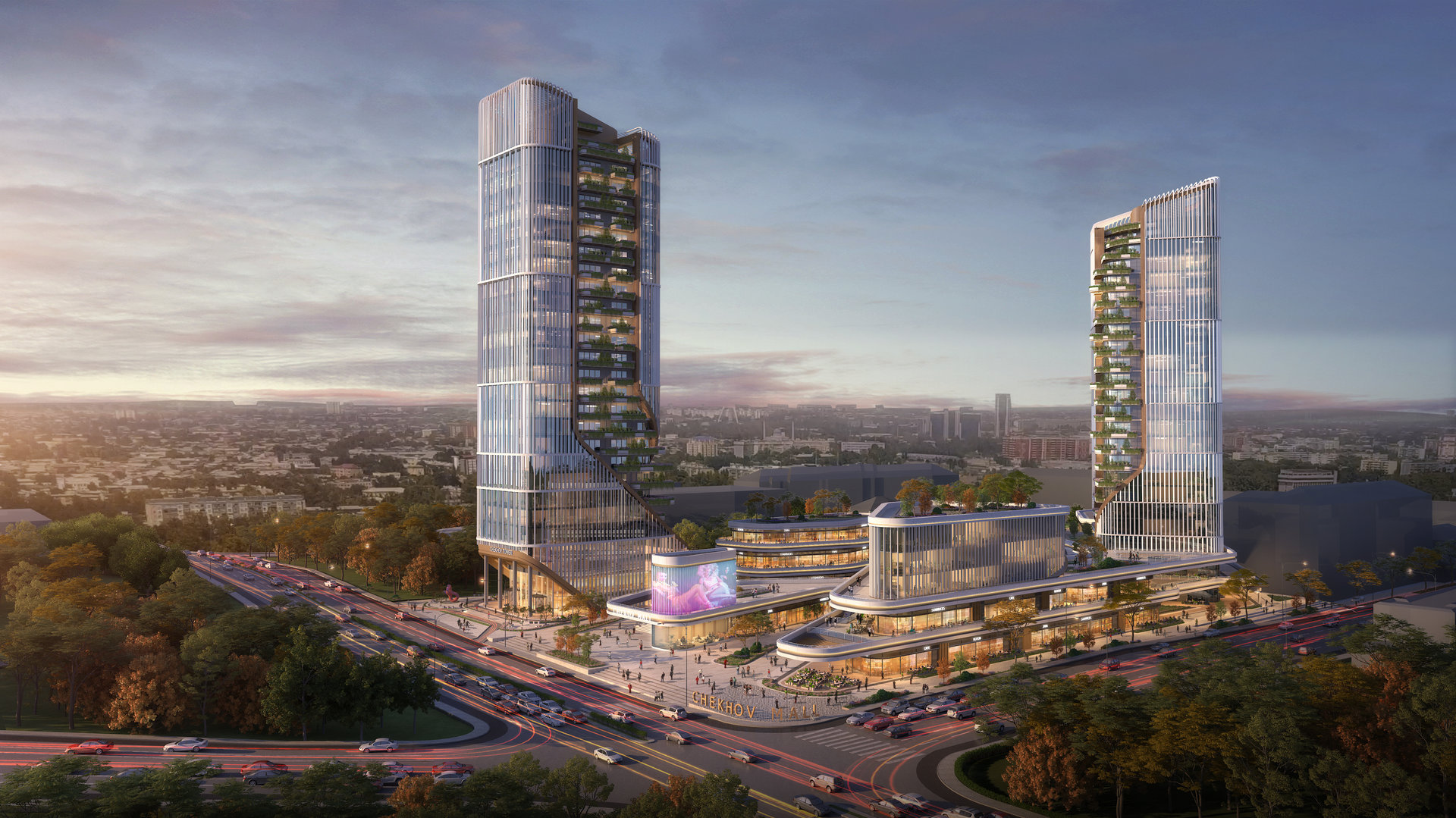
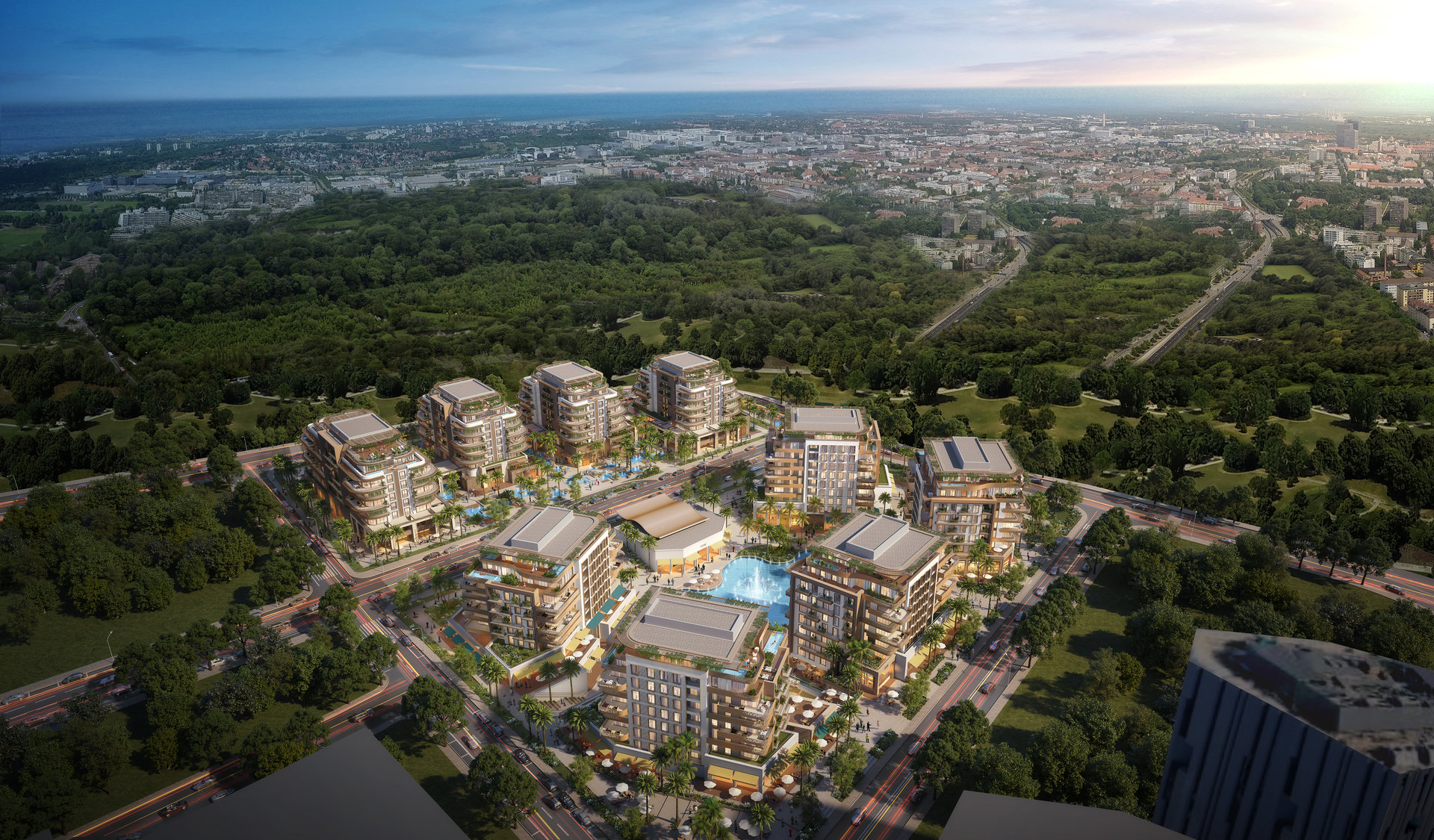
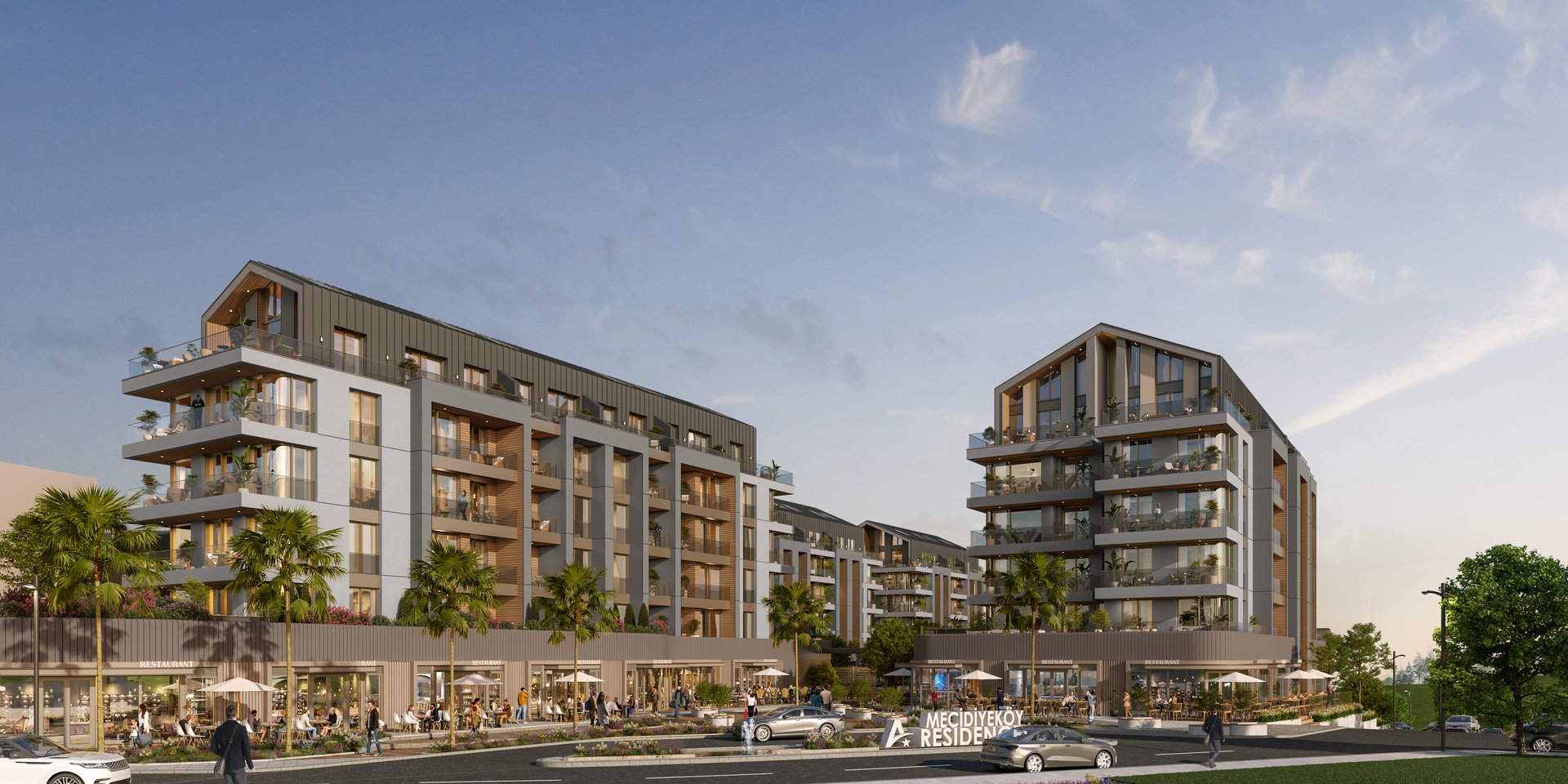
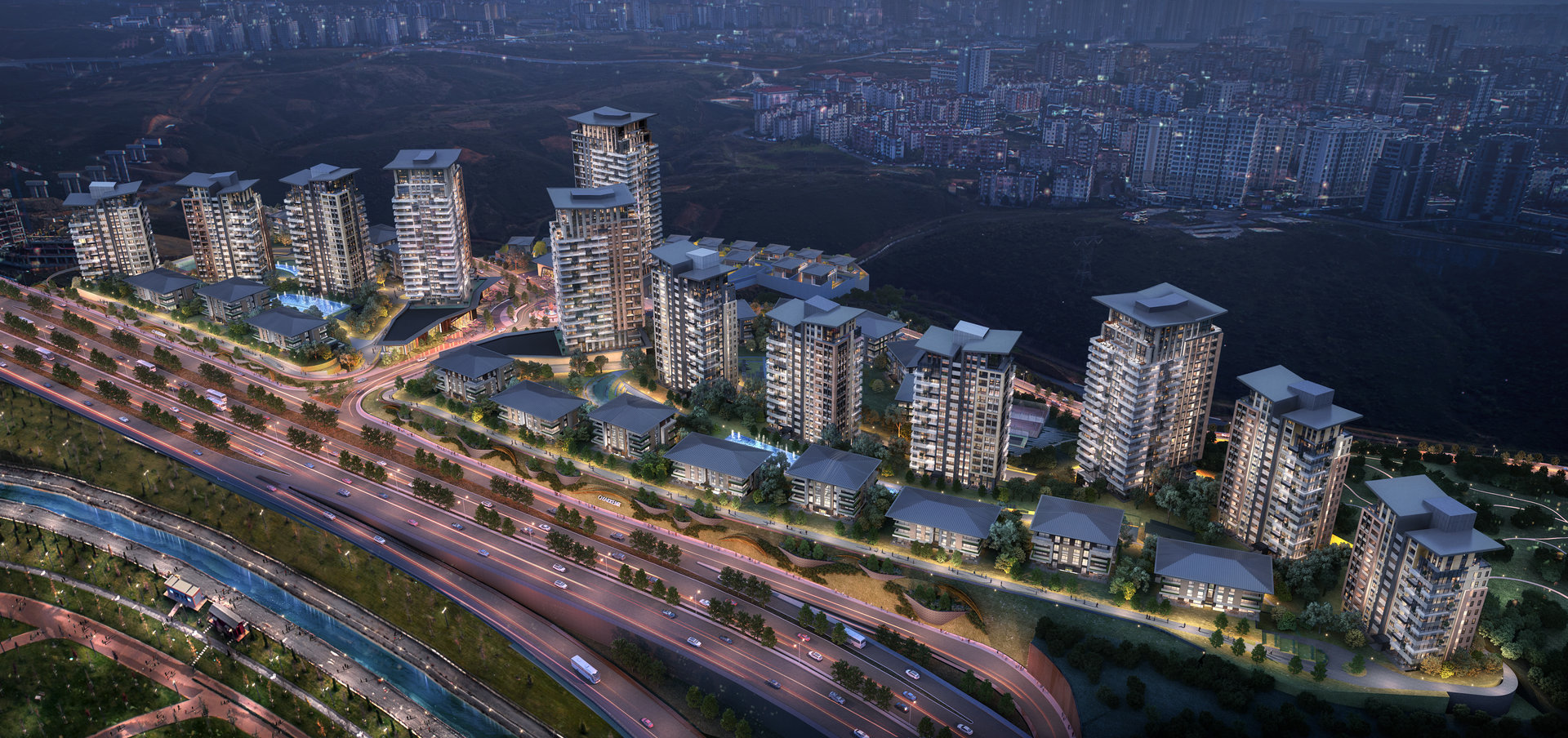
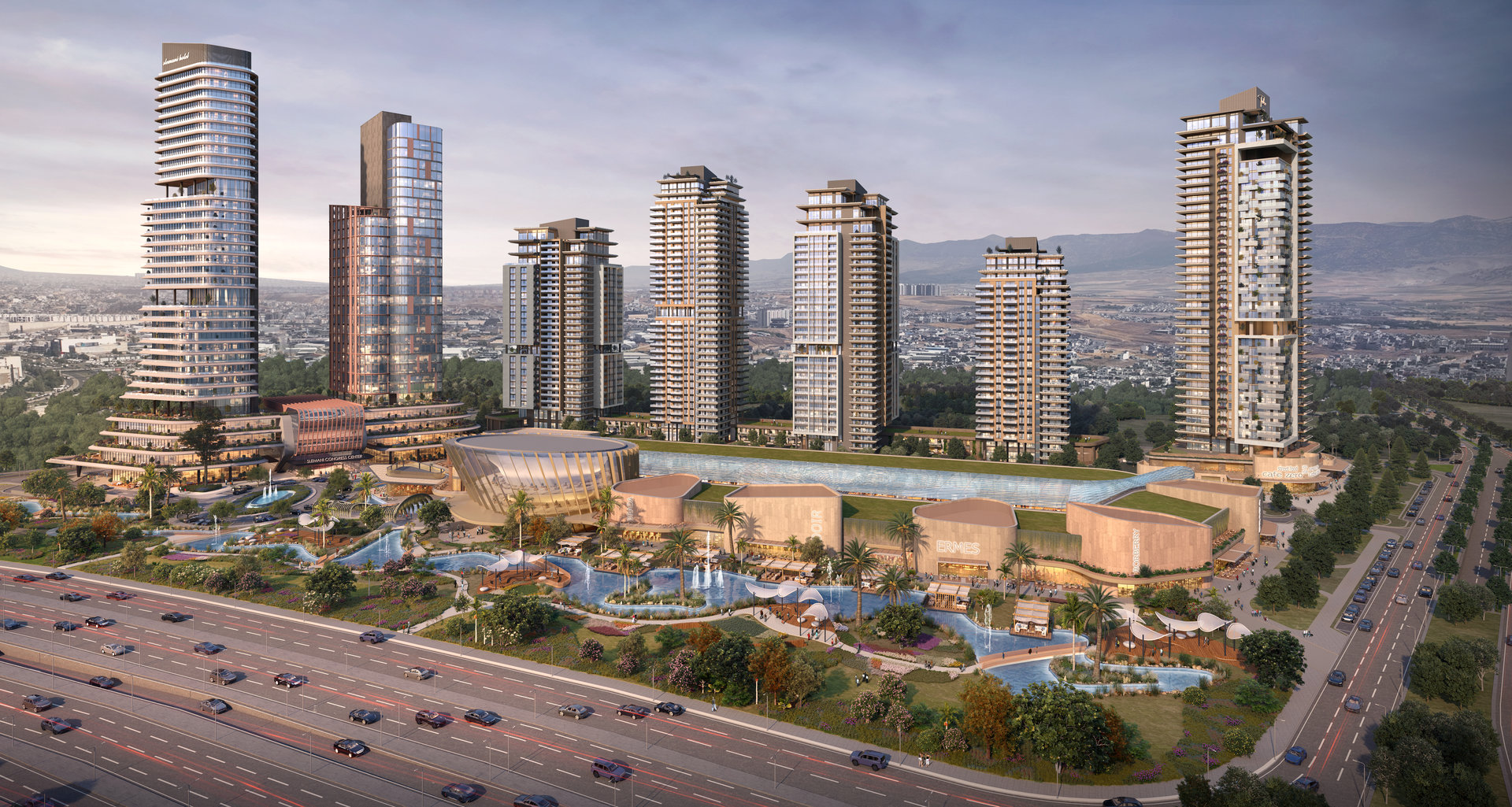
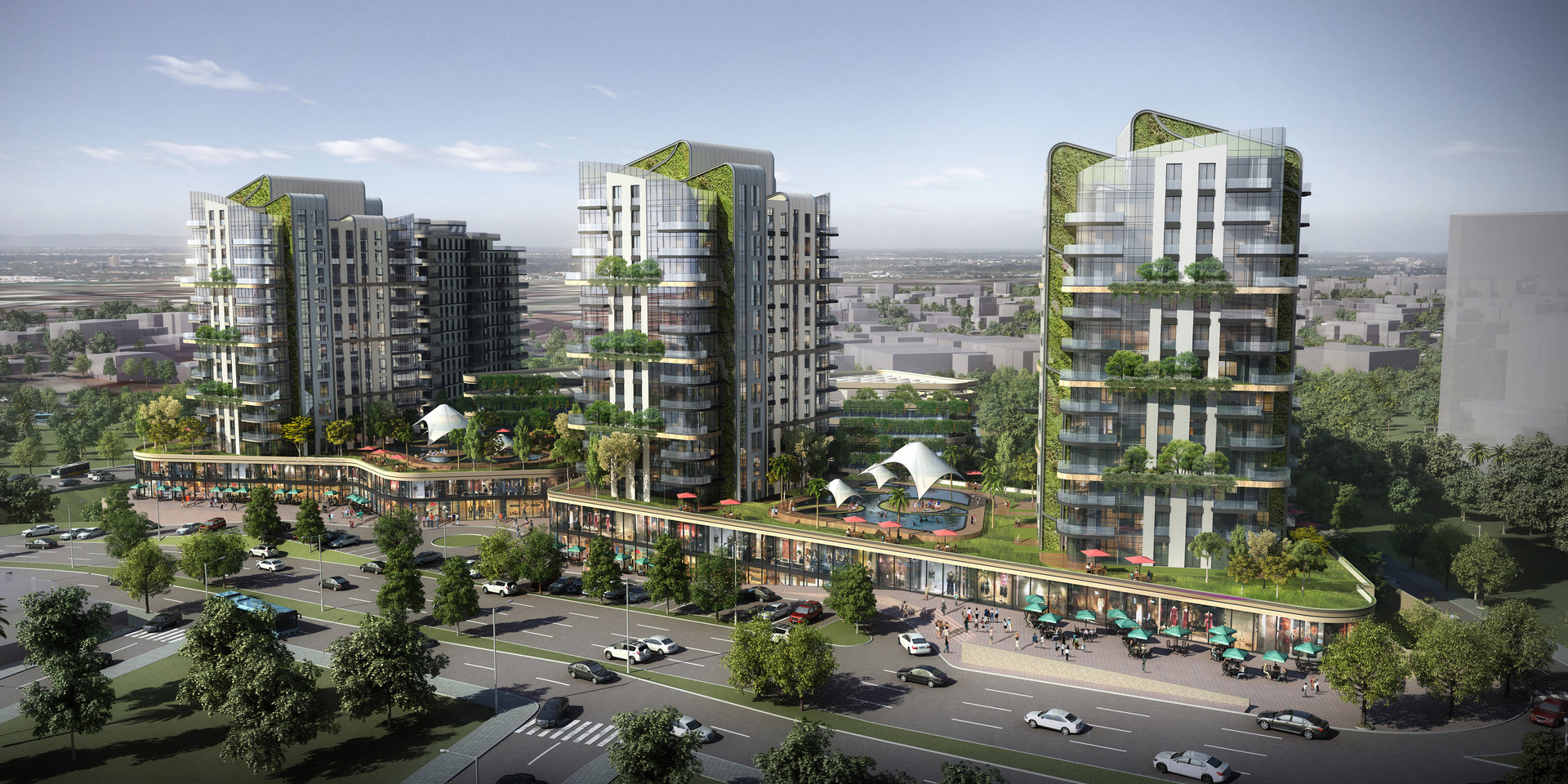
Located in the heart of Uzbekistan’s capital, Tashkent, this mixed-use project reimagines the relationship between natural form and urban circulation. Situated at a strategic corner parcel fronting both Taras Shevchenko and Shakhrisabz Avenues and adjacent to significant city landmarks such as the Museum of Applied Arts, Pakhtakor Stadium, and Chekhov Street’s university complex the site offers a rare opportunity to stitch together fragmented urban elements through design.
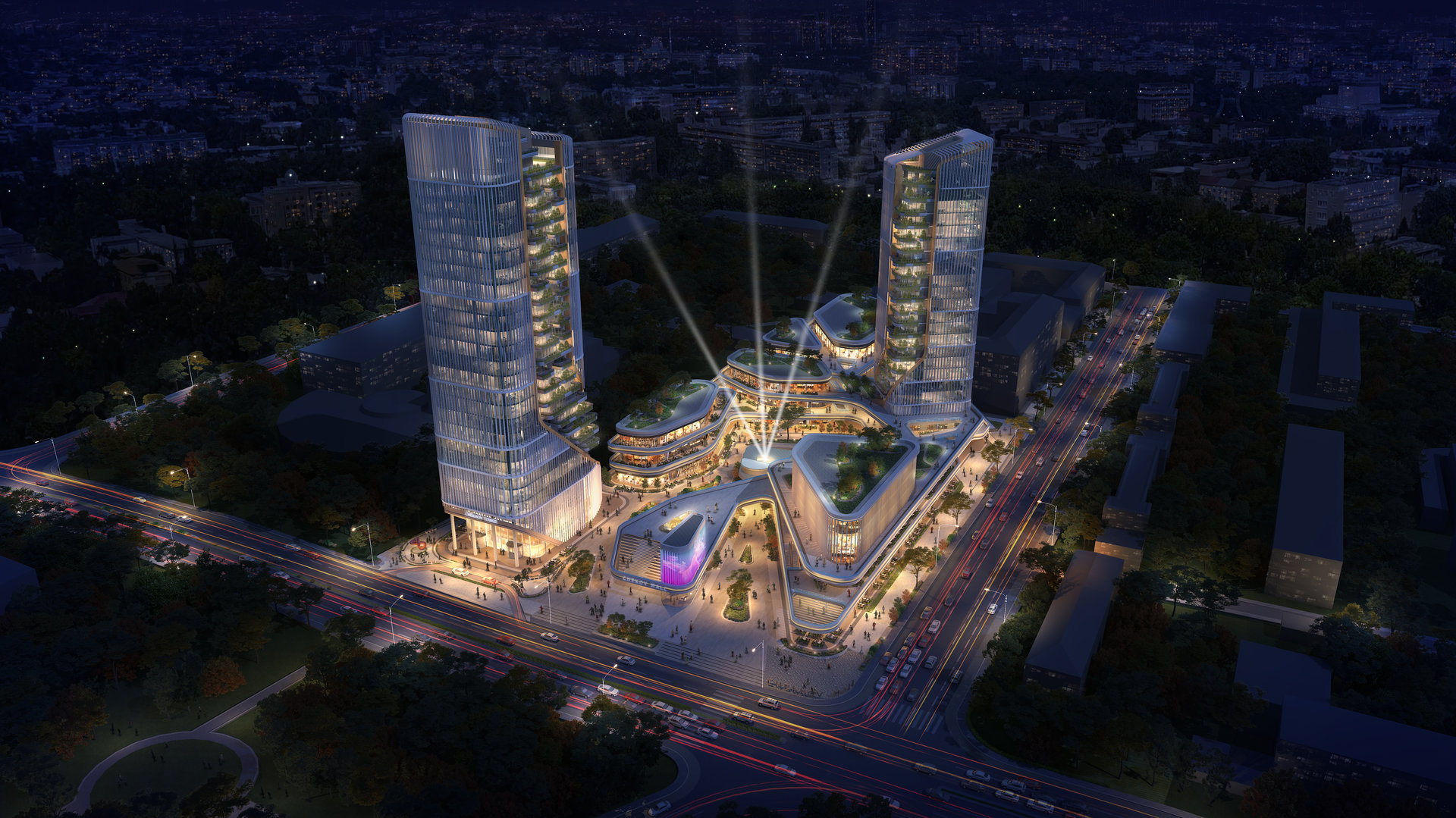
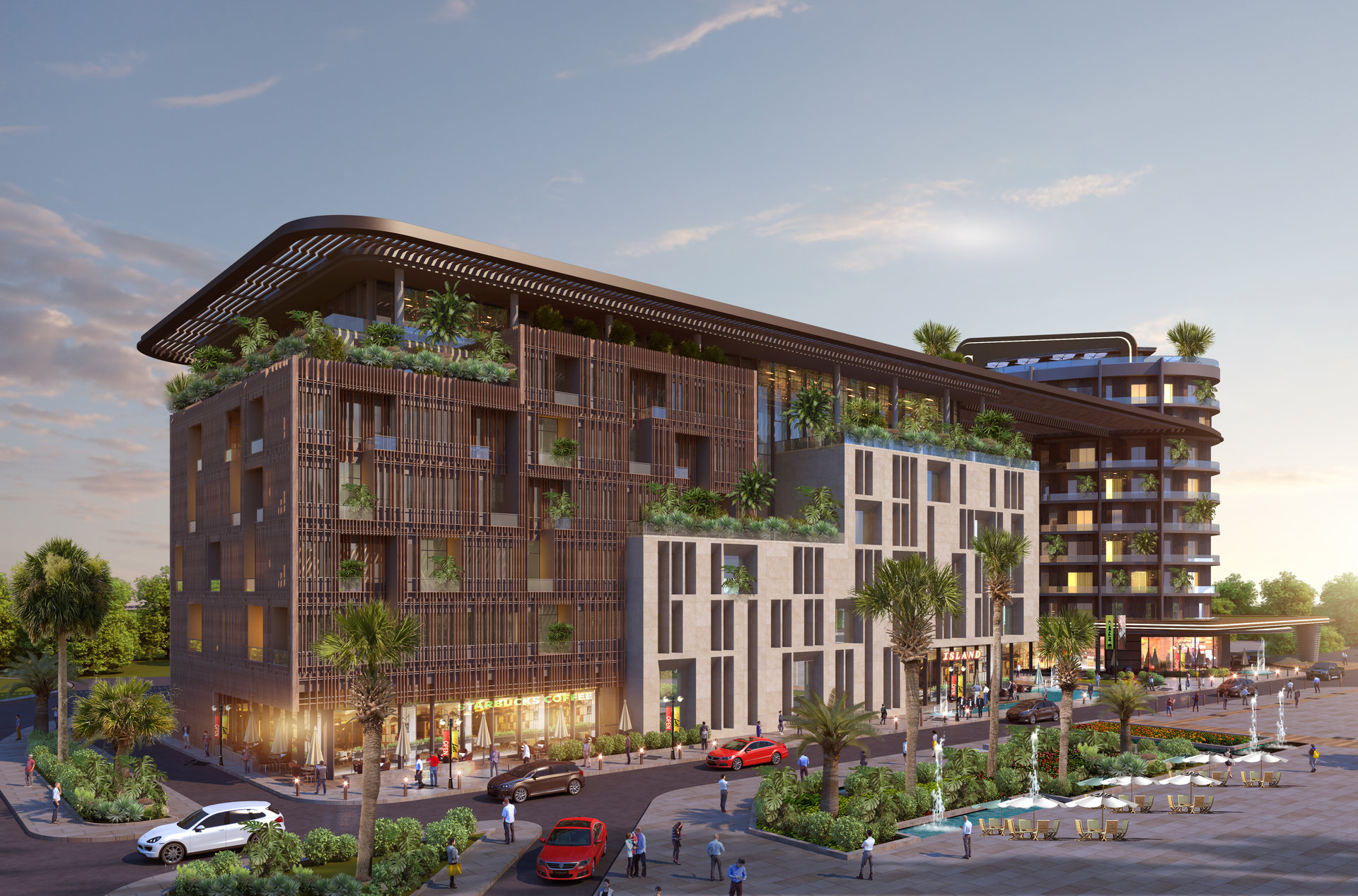
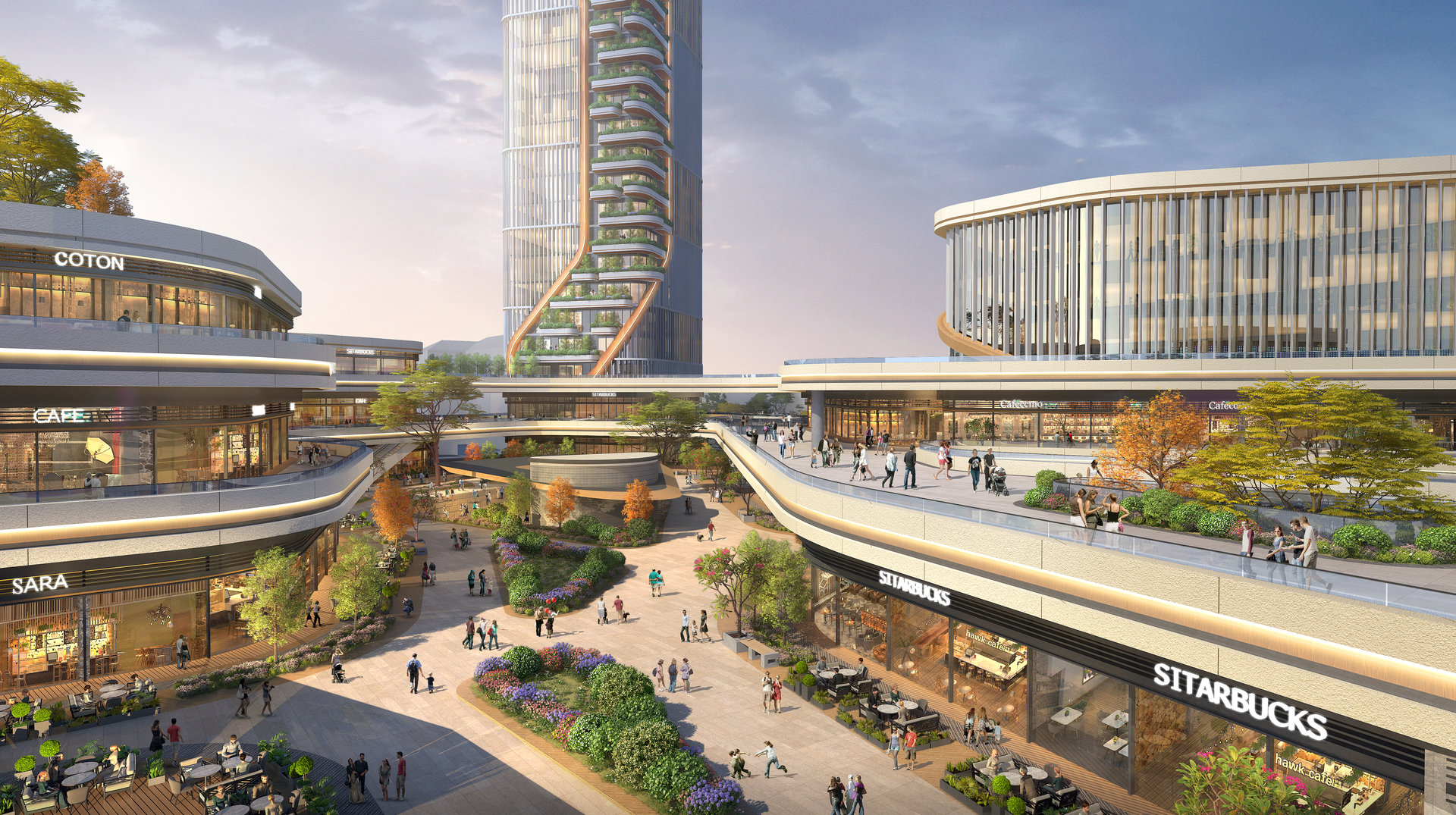
The massing strategy draws inspiration from canyon topographies, creating voids and terraces that carve out spatial drama between residential and commercial blocks. Designed around an open-air retail concept, the project merges organic movement patterns with a permeable pedestrian network, inviting users deep into the site via a landscape-led choreography.
Key spatial intentions include carrying the circulation inward, softening the edge between the park and the project, establishing clear pedestrian continuity, and activating the site’s corner condition through a plaza like intervention. The design utilizes multiple levels and terraces to create vertical porosity, shade structures, and social thresholds, echoing the morphology of natural erosion and urban layering.
Through its canyon inspired geometry, the project frames a porous and inclusive public realm. Communal courtyards, event plazas, and a central video wall act as catalysts for gathering, while terrace based circulation facilitates access to both residences and retail. The result is an iconic spatial fabric where everyday life unfolds across shaded platforms, organic passages, and city linked terraces.
Gallery