Baku, Azerbaijan
Project Type
Mixed Use
Location
Baku, Azerbaijan
Year
2020
Project Service
Concept Project
Project Status
Concept Project
Total area (m²)
47290.00
Total Construction Area (m²)
51353.00
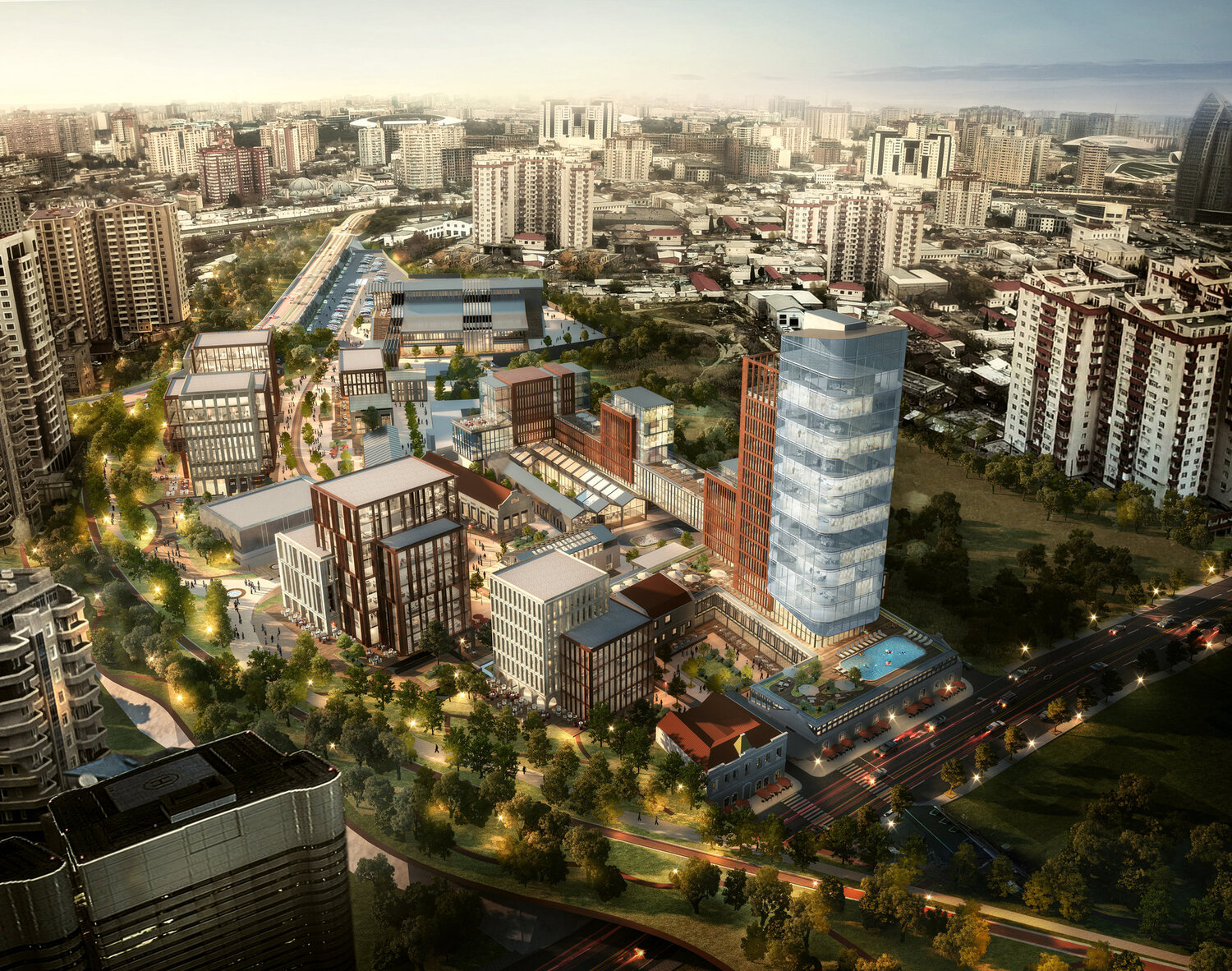
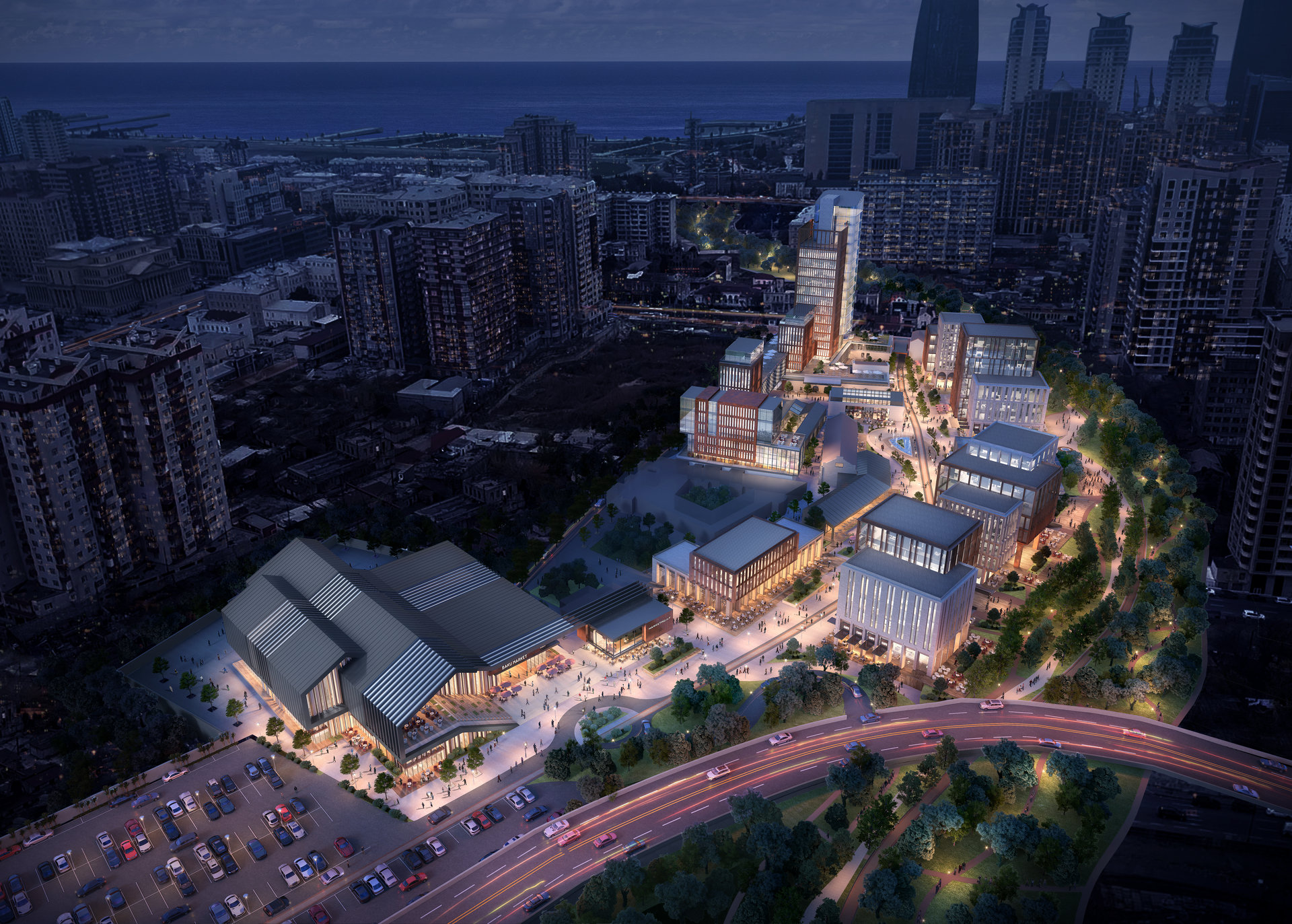
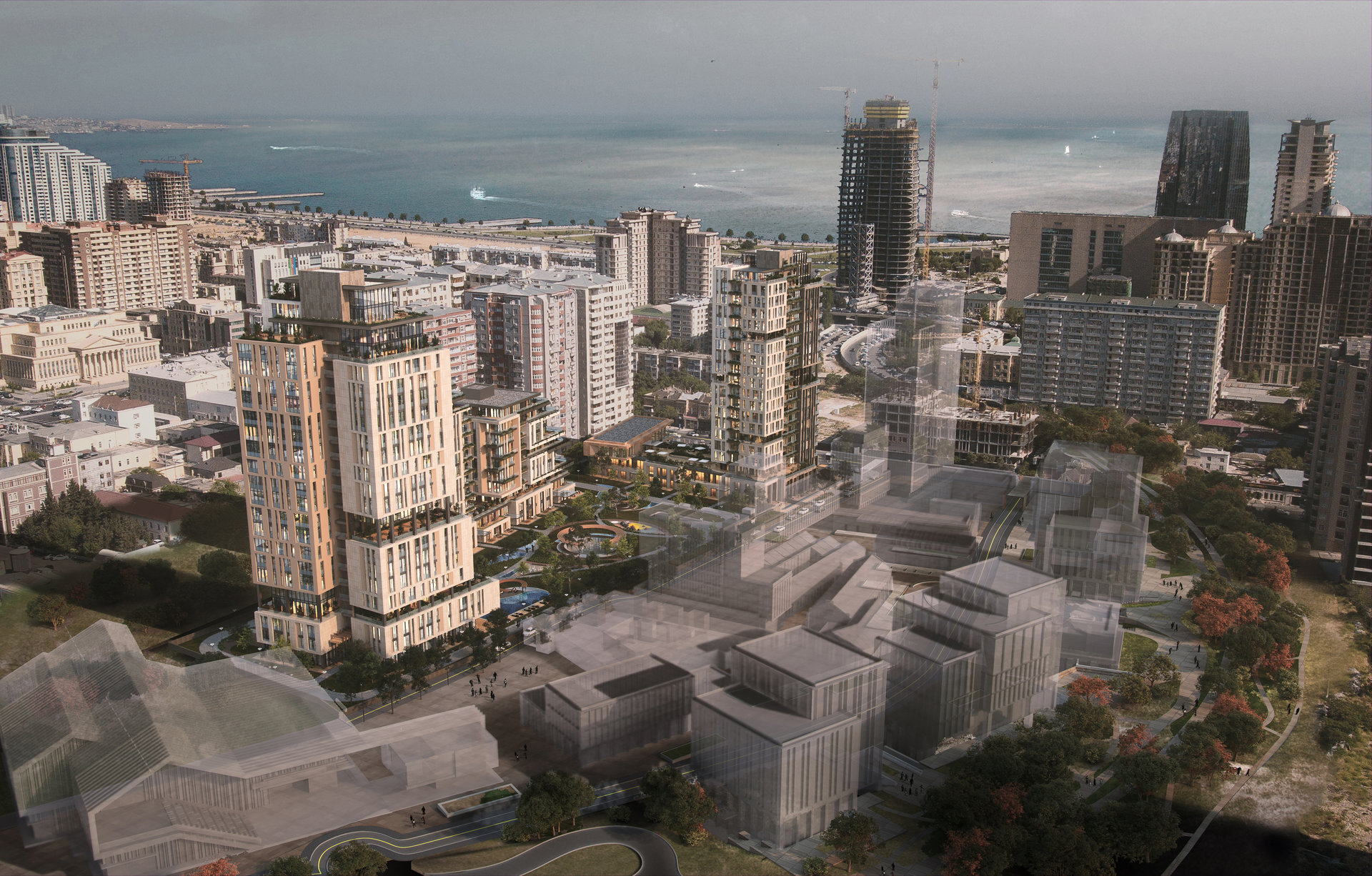
Located in the southern axis of Baku, the Baku Vagon Mixed-Use Complex reimagines a former locomotive and rail maintenance zone as a layered urban fabric rooted in heritage and innovation. The project merges residential, commercial, cultural, and tourism functions, transforming the site into a vibrant district that honors its past while embracing contemporary urban life.
Structured along the historical railway trace, the project revitalizes the site’s industrial infrastructure into an active urban spine. Select buildings have been restored and repurposed into cultural spaces such as exhibition halls and performance venues, while others have been preserved as architectural shells, seamlessly integrated into the new massing strategy.
The Public Spine: Hybrid Corridor and Programmatic Anchors
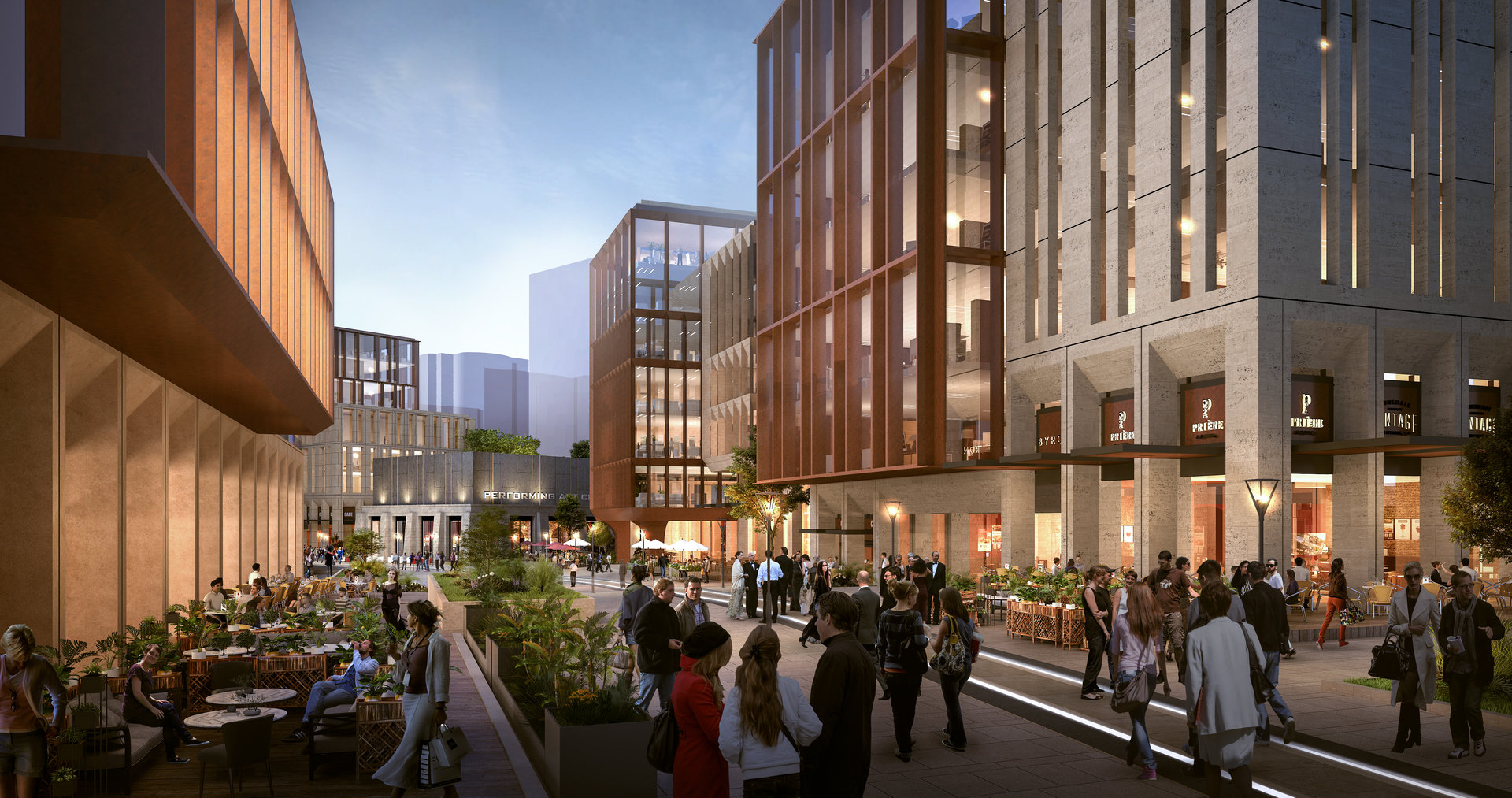
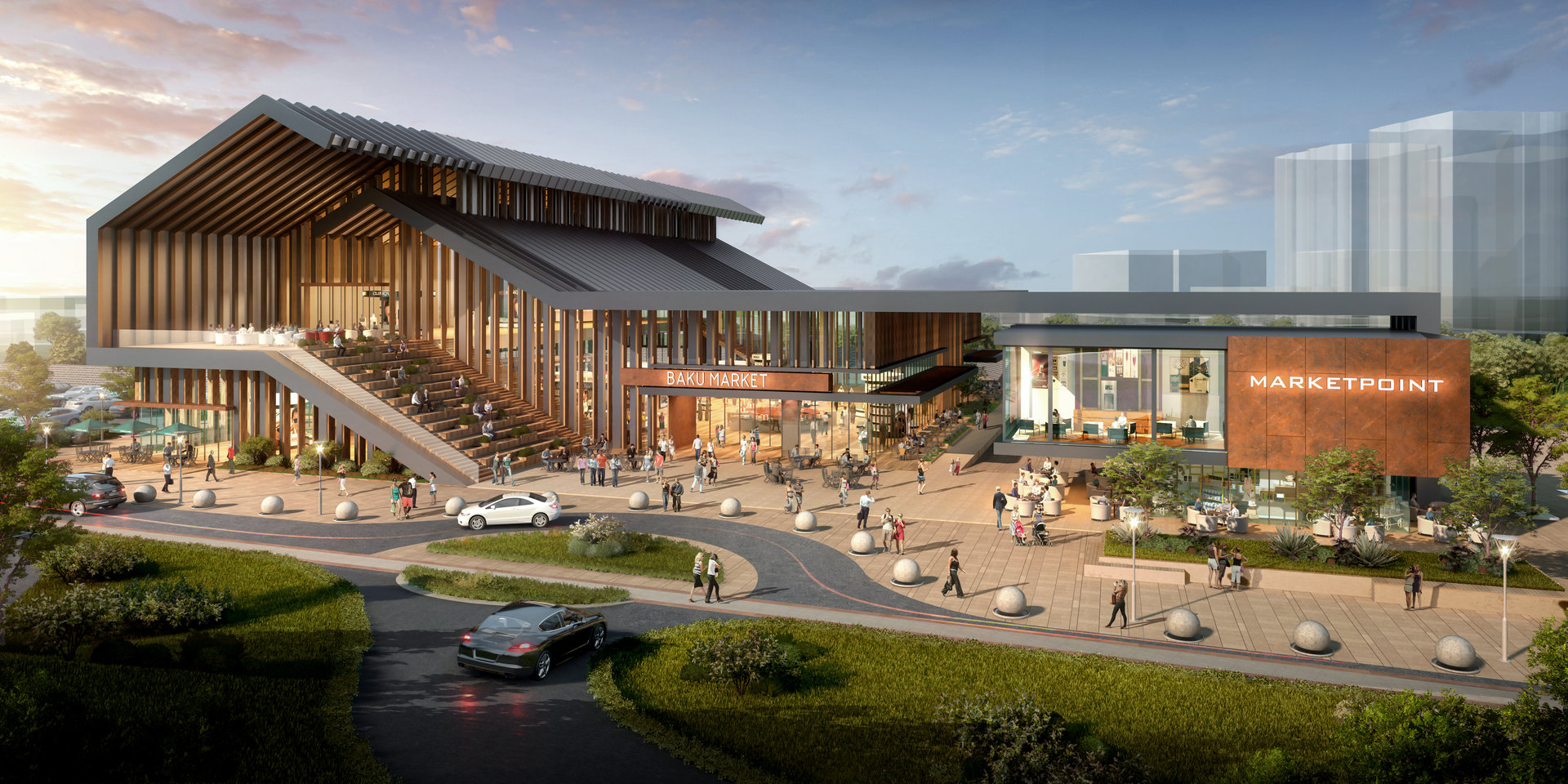
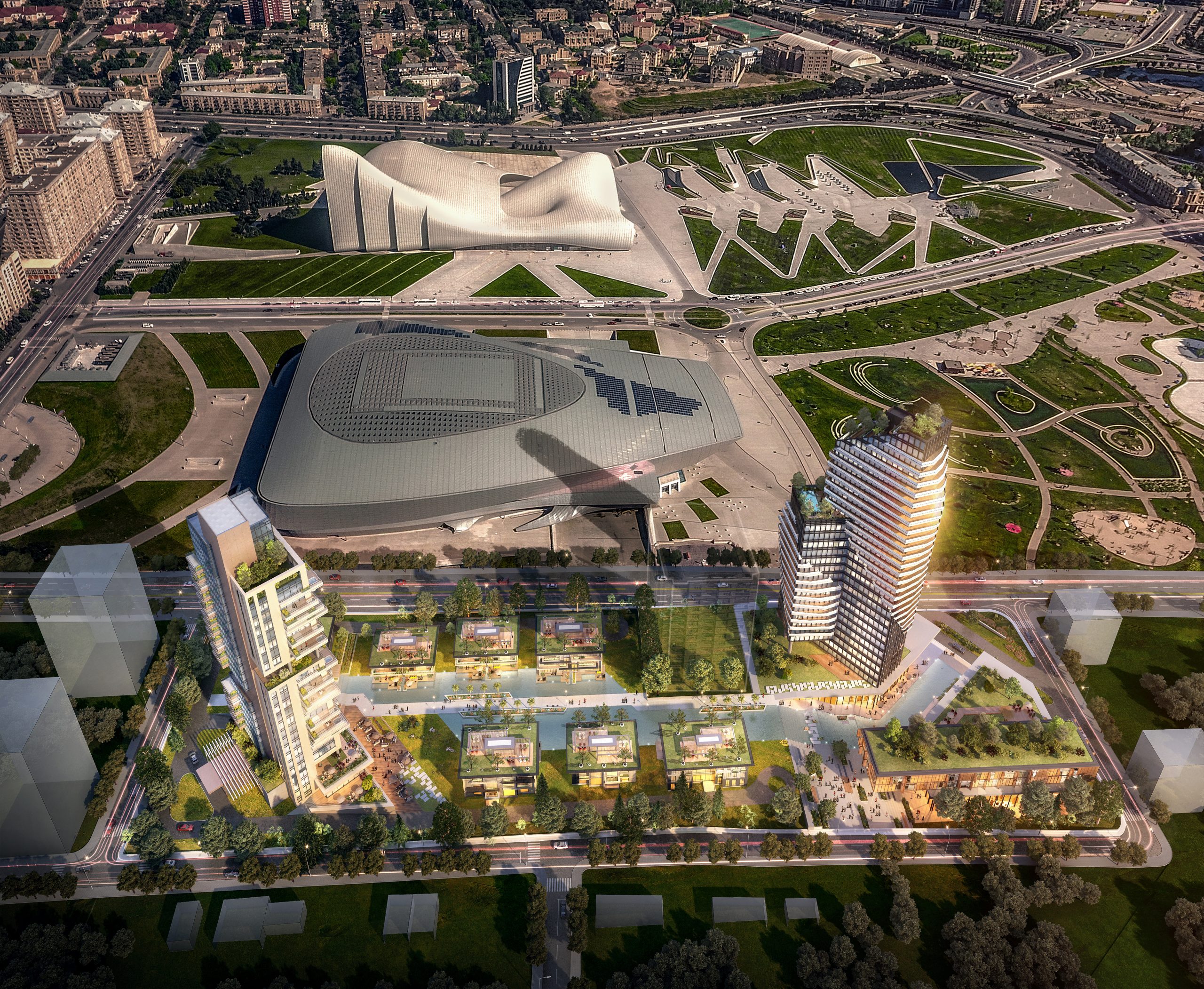
A hybrid corridor defines the ground level, working in tandem with commercial units positioned along the preserved railway axis. Urban anchors such as the Hotel Square and Event Plaza activate the social realm, while user friendly spaces like “Depo Baku” offer a mix of retail and food venues. This corridor acts as a permeable connector, framing the project as an accessible and open environment within the city.
A Skyline-Conscious Massing Approach
The project’s building heights and placements were carefully calibrated to align with Baku’s evolving skyline. The hotel tower is positioned to provide visual prominence, while commercial and cultural programs are located at the street level for ease of access. Open public spaces and defined plazas enrich pedestrian flows and communal life.
Cultural Memory, Accessibility, and Transformative Design
A new boulevard aligned with the former railway line reinforces the project’s connection to Baku’s primary urban arteries. The spatial layout offers high accessibility for both short term visitors and permanent residents, establishing a functional and multi layered urban experience.
Materiality and Identity
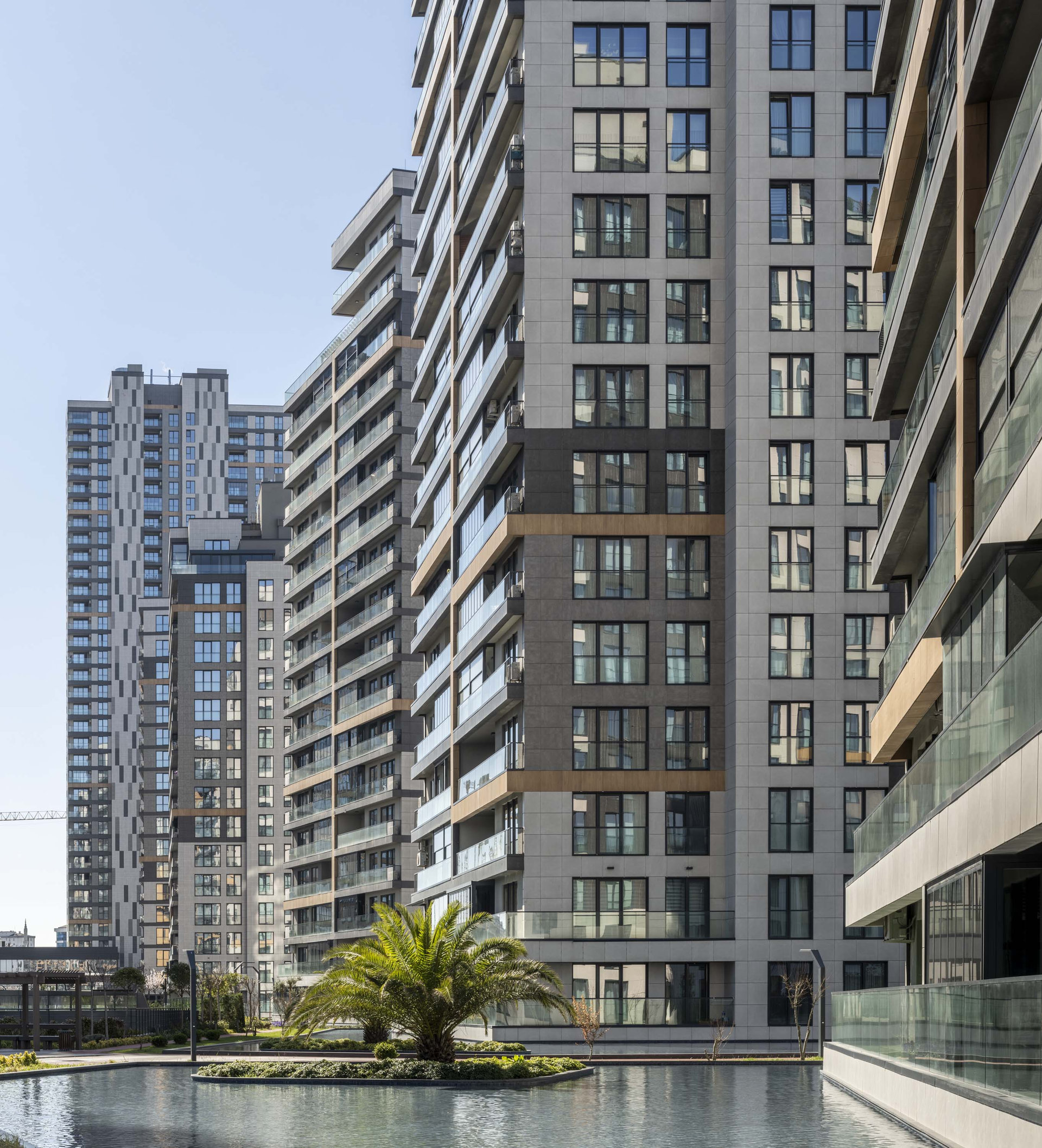
The architectural language incorporates materials such as Baku limestone, corten steel, glass, and wood enhancing both the spatial quality and contextual resonance of the development. The result is a compelling blend of contemporary design and historical continuity.
Gallery