Project Type
Office & Sales Office
Location
İstanbul, Türkiye
Year
2014
Project Service
Concept Project
Project Status
Concept Project
Total Area (m²)
900.00
Total Construction Area (m²)
2000.00
Employer
Tatar Group
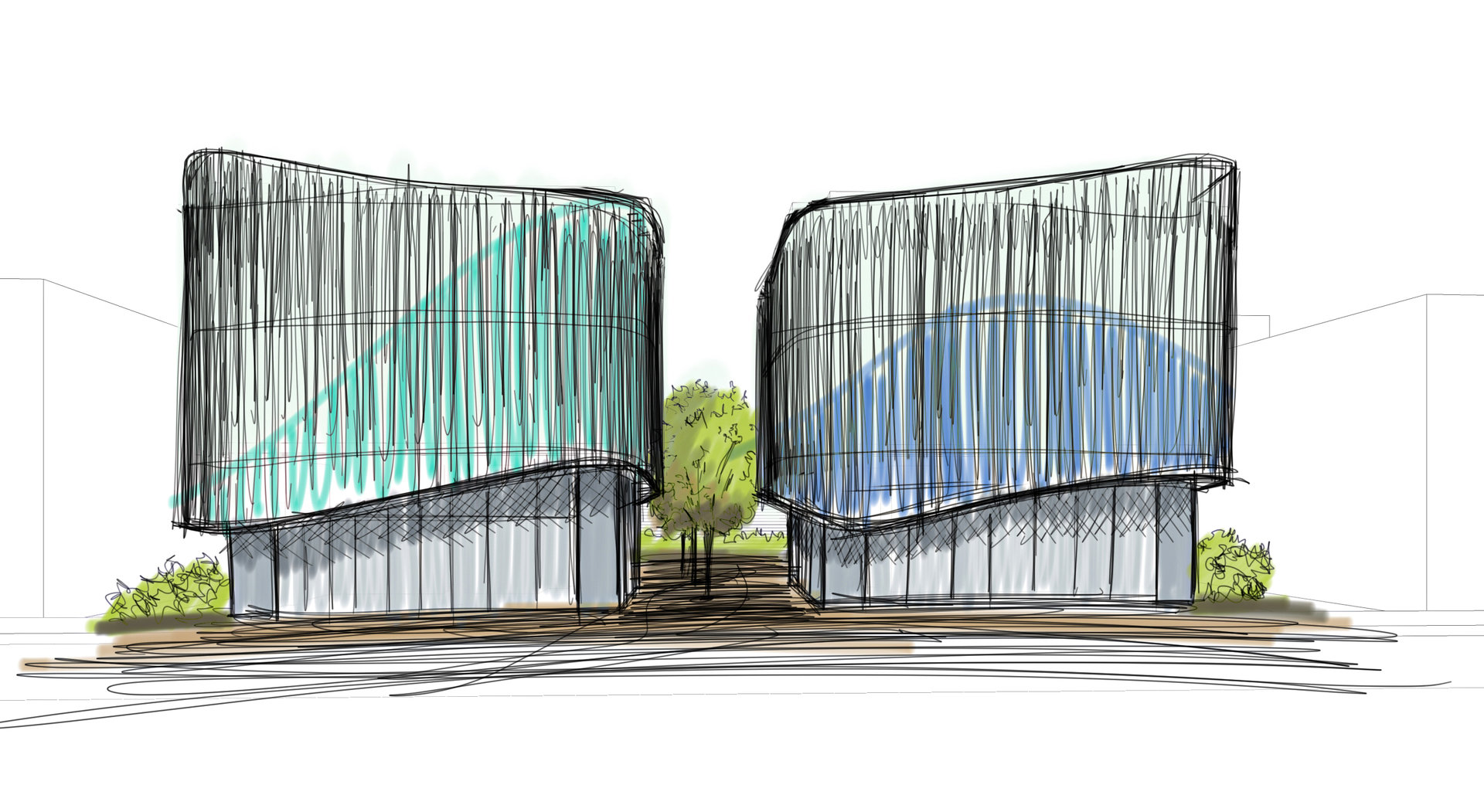
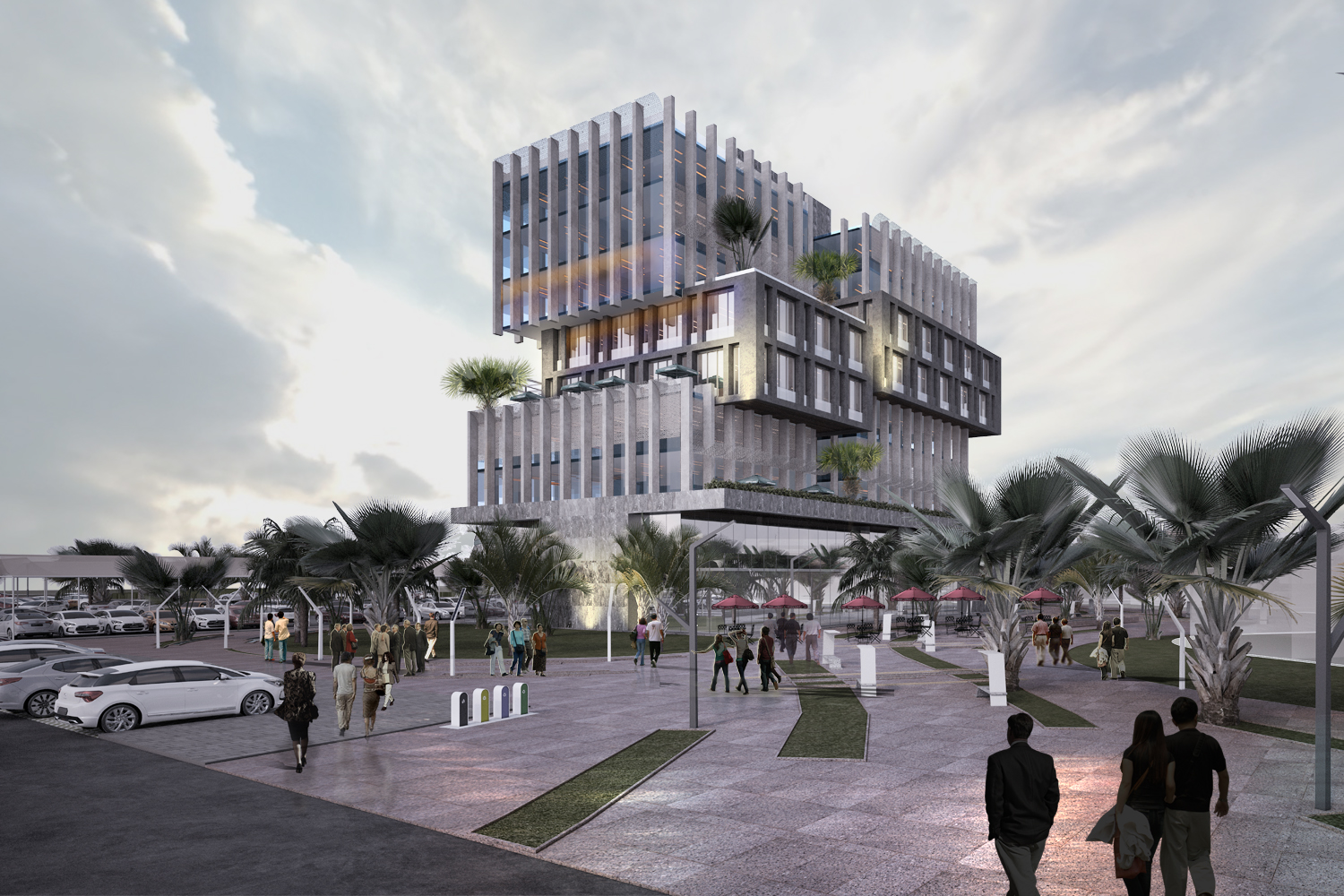
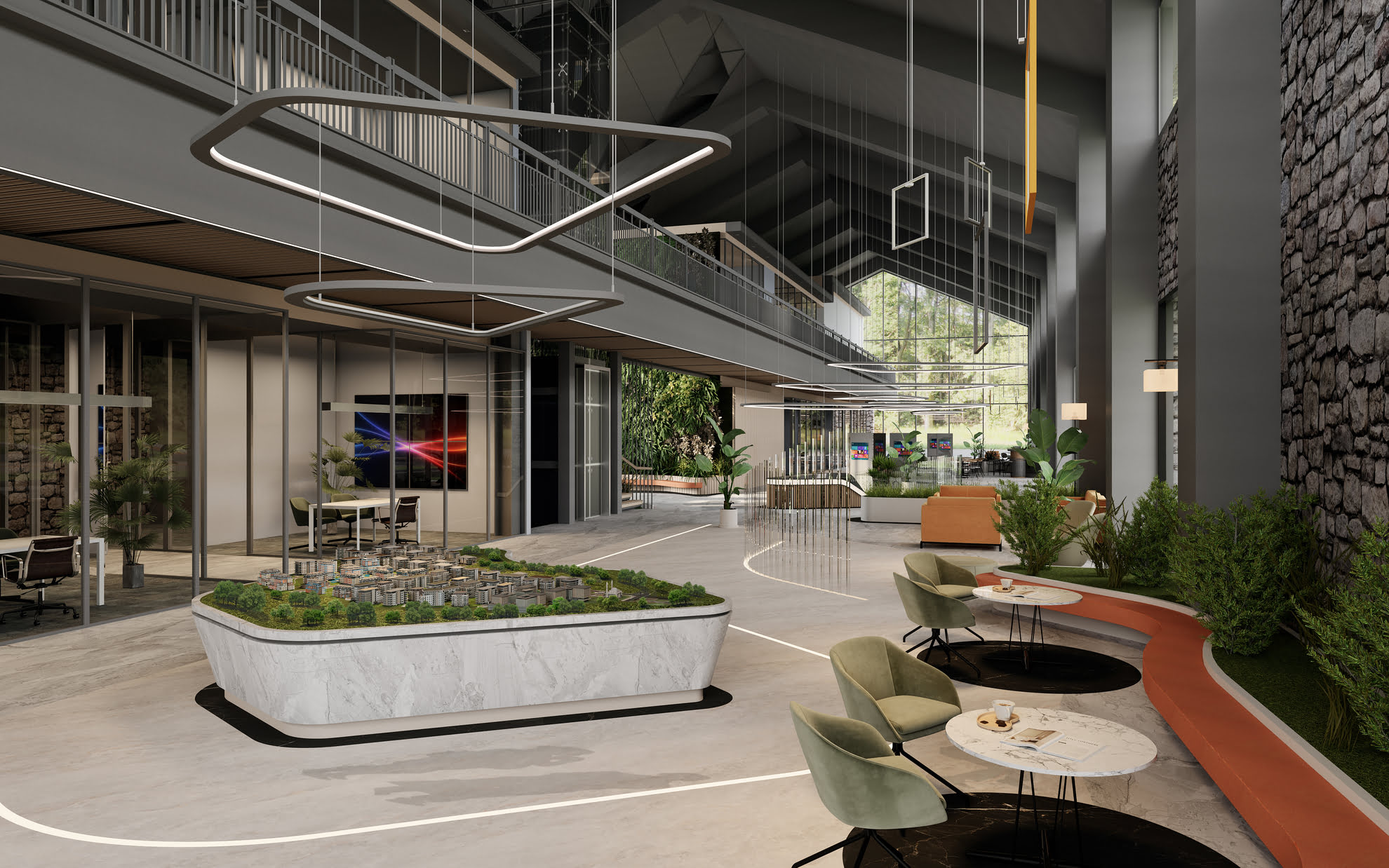
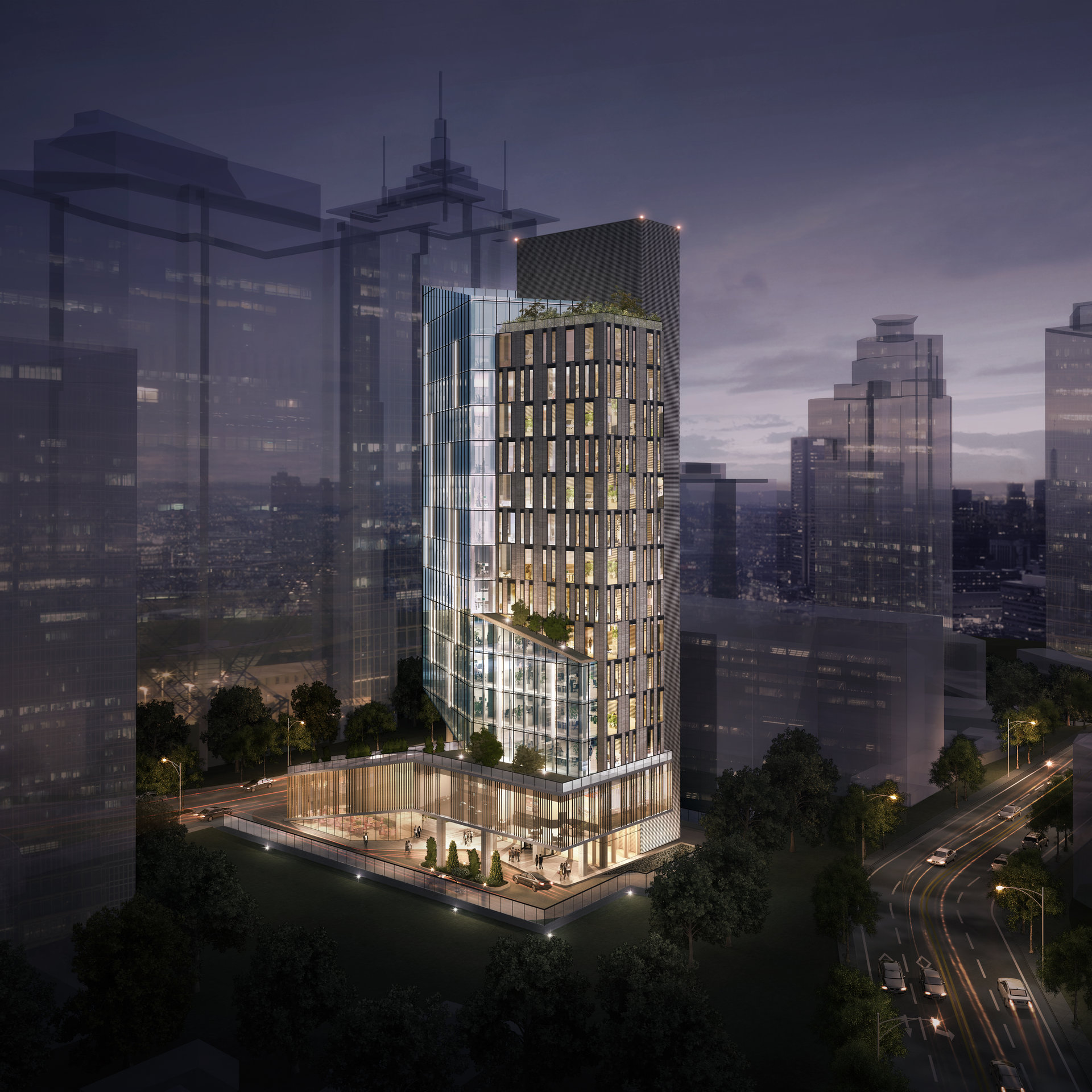
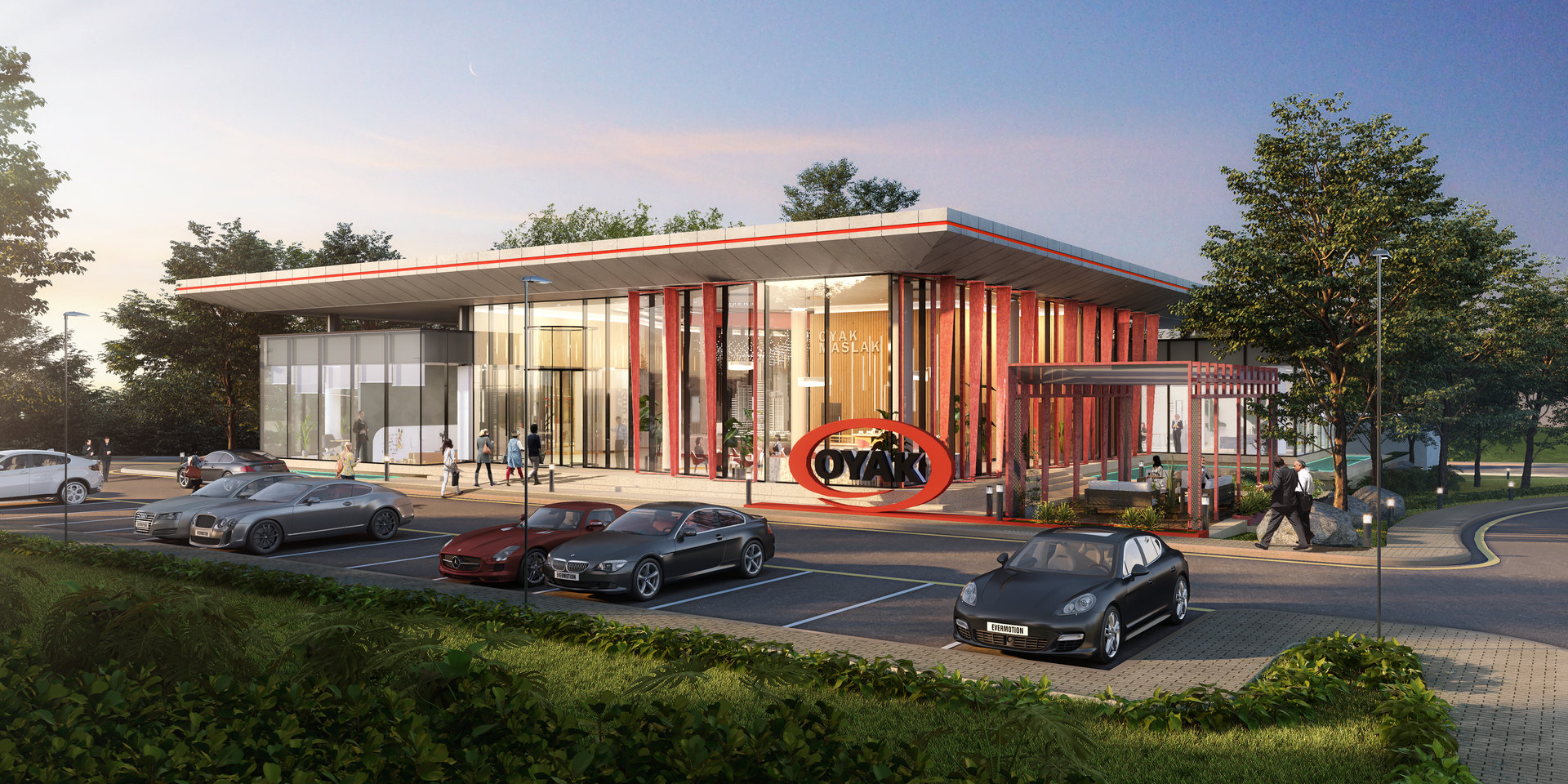
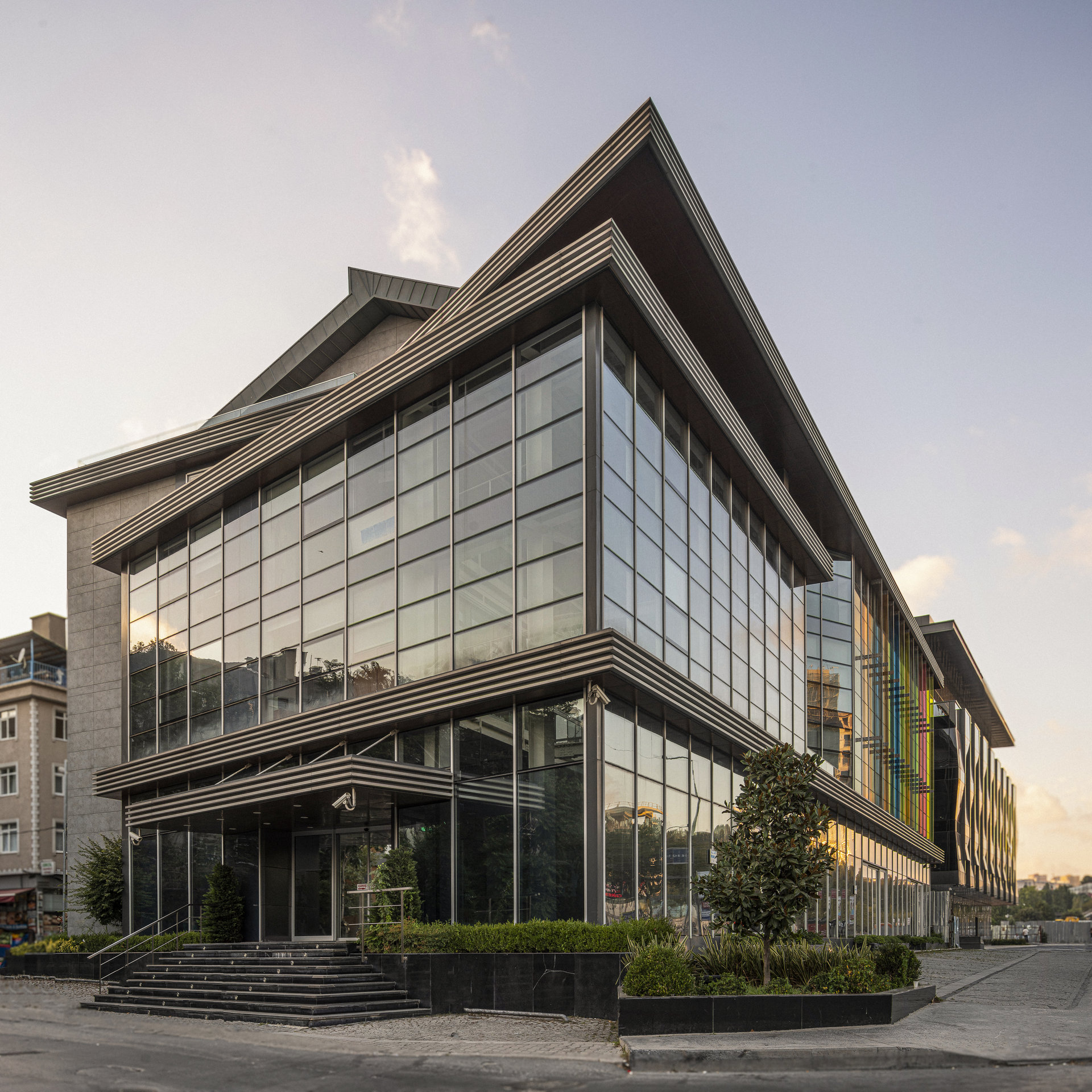
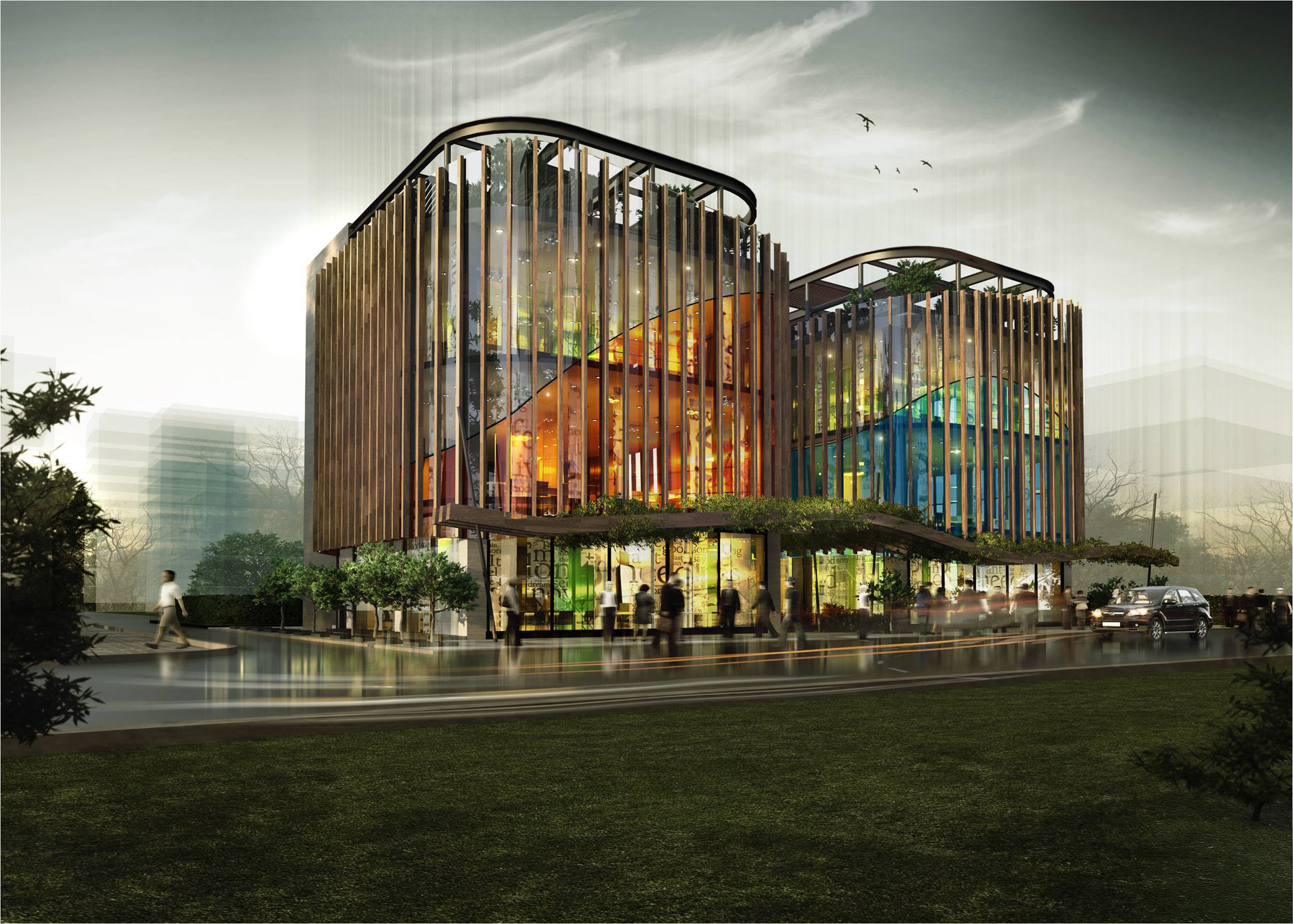
The design of the project emphasizes the effective use of daylight as a core architectural strategy. Beyond being a façade forming element, daylight plays a pivotal role in enhancing spatial quality, establishing a direct connection between users and nature, and improving performance within commercial environments.
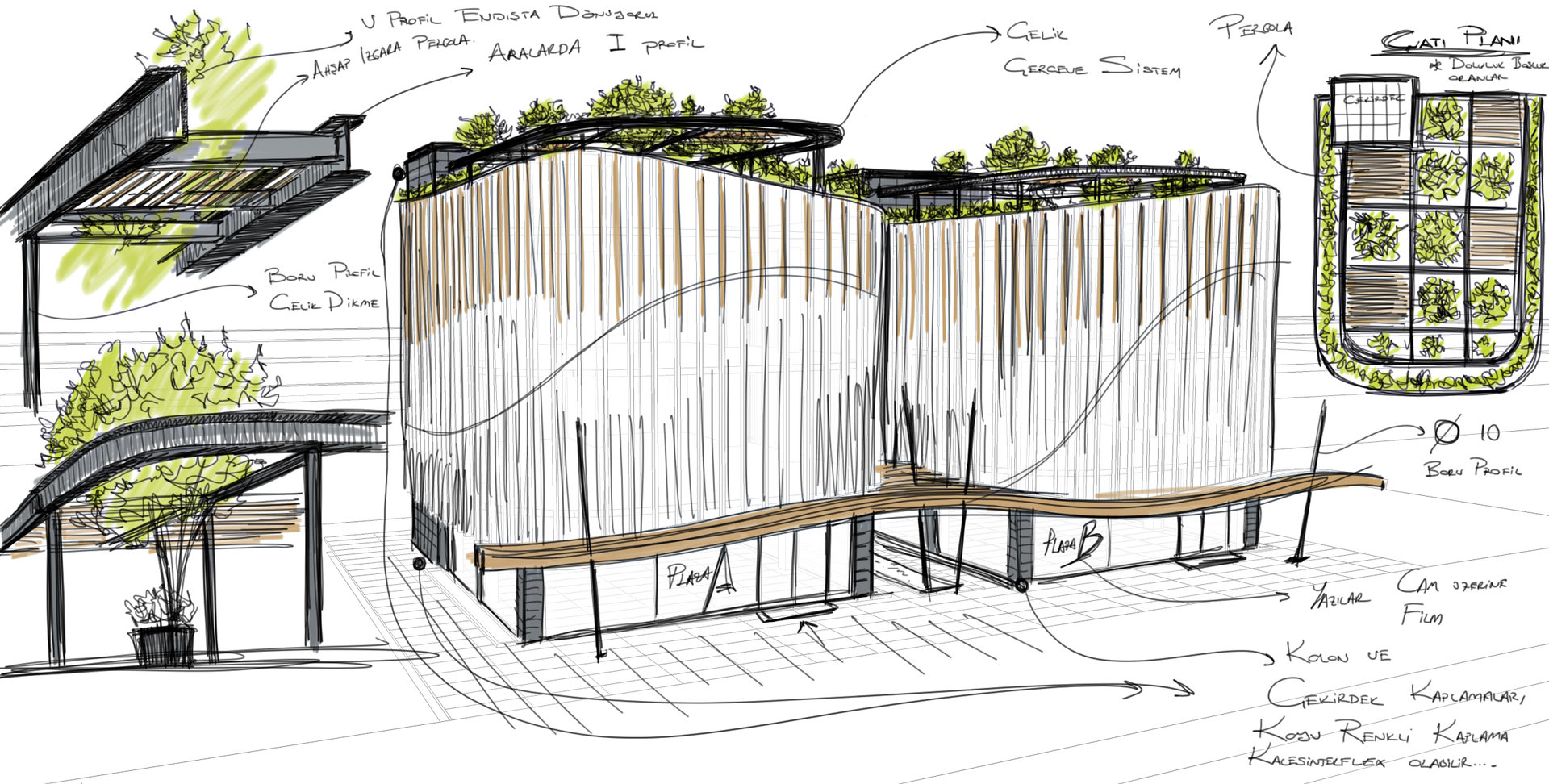
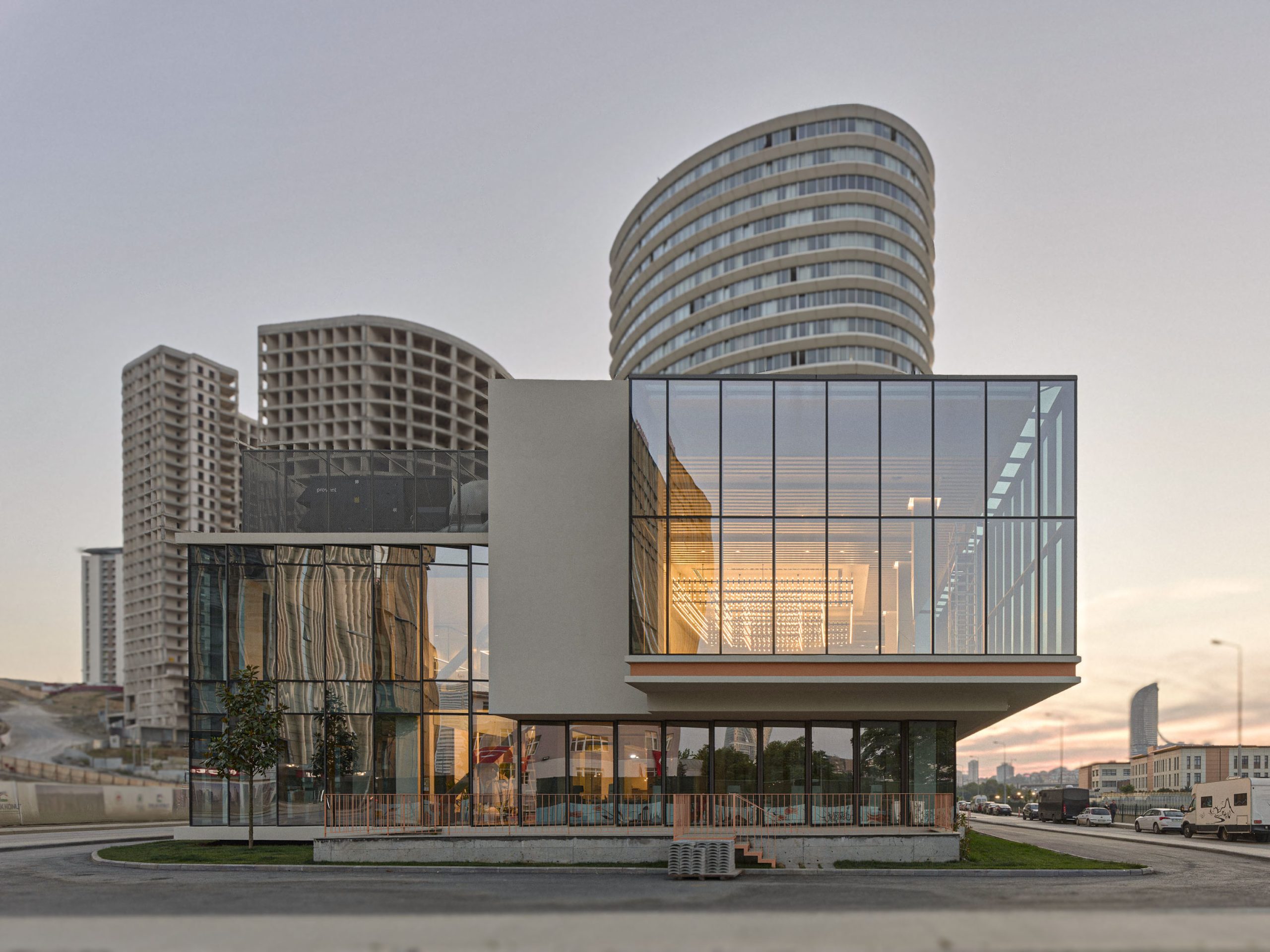
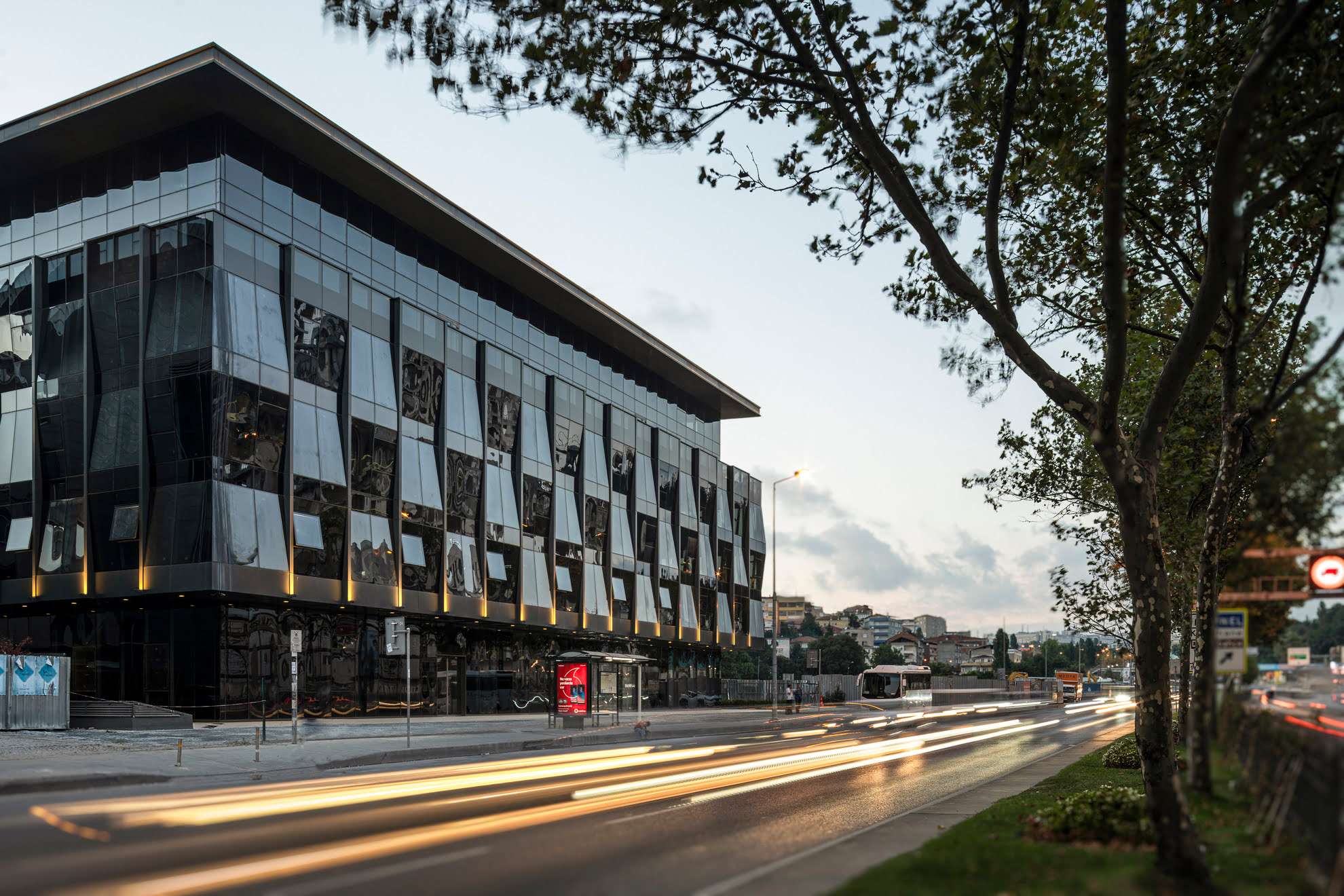
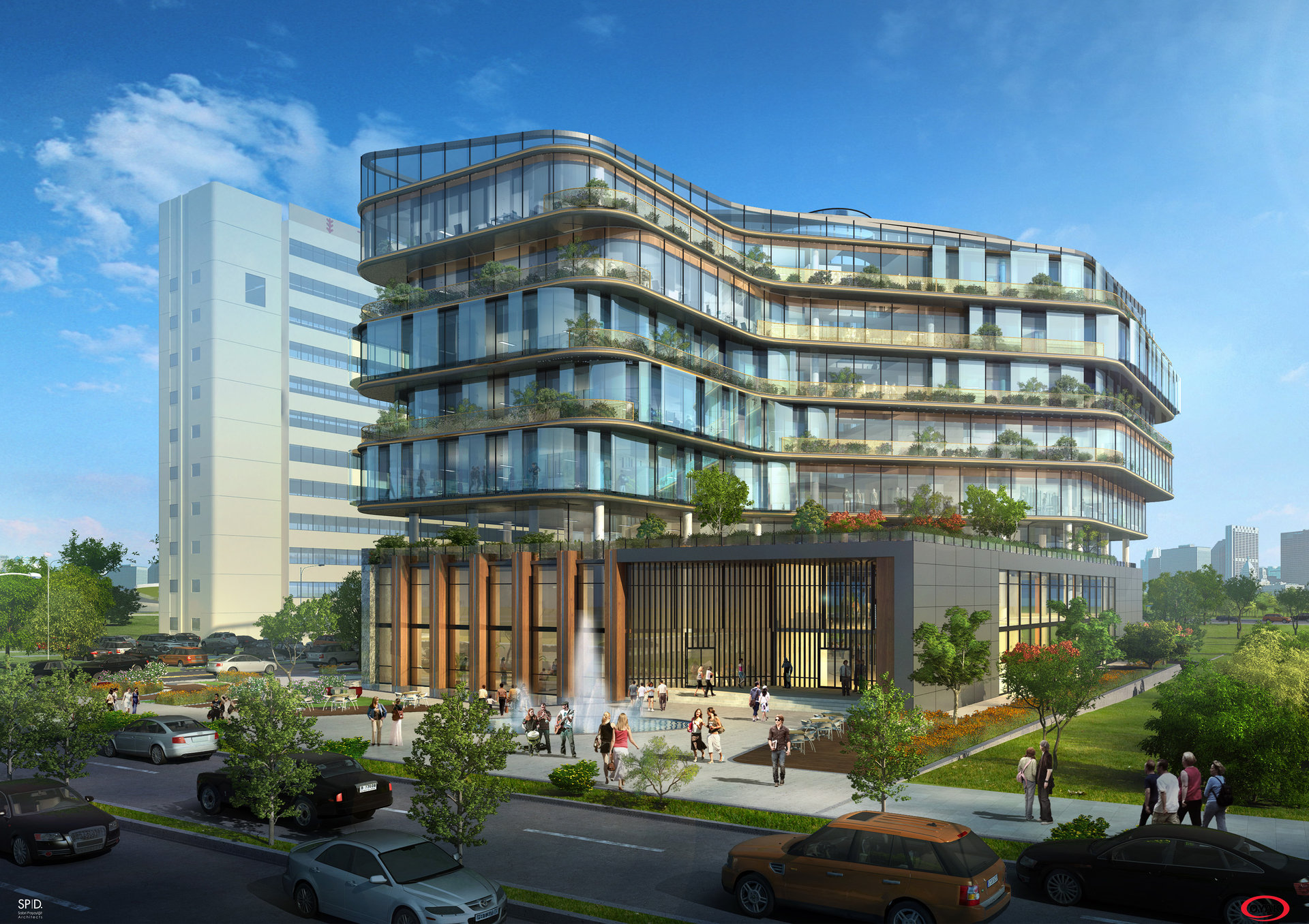
The building envelope incorporates extensive glass panels that optimize daylight penetration. This strategy not only enhances visual comfort and spatial openness but also reduces dependence on artificial lighting, which typically constitutes a major portion of energy consumption in commercial units. As a result, the building achieves both improved user well-being and energy efficiency hallmarks of contemporary sustainable design. At the rooftop level, a landscaped terrace equipped with pergolas has been integrated into the layout.
This green space serves as a social and recreational buffer between office units, providing a pleasant outdoor experience for users while reinforcing the project’s commitment to well-being and biophilic principles. Together, the façade system and rooftop interventions define a dynamic, responsive, and environmentally conscious architectural language.
Gallery