Kalbajar, Azerbaijan
Project Type
Public Realm & Landscape
Location
Kalbajar, Azerbaijan
Year
2024
Project Service
Concept Project
Project Status
Concept Project
Employer
Private
Tags
Funerary Architecture
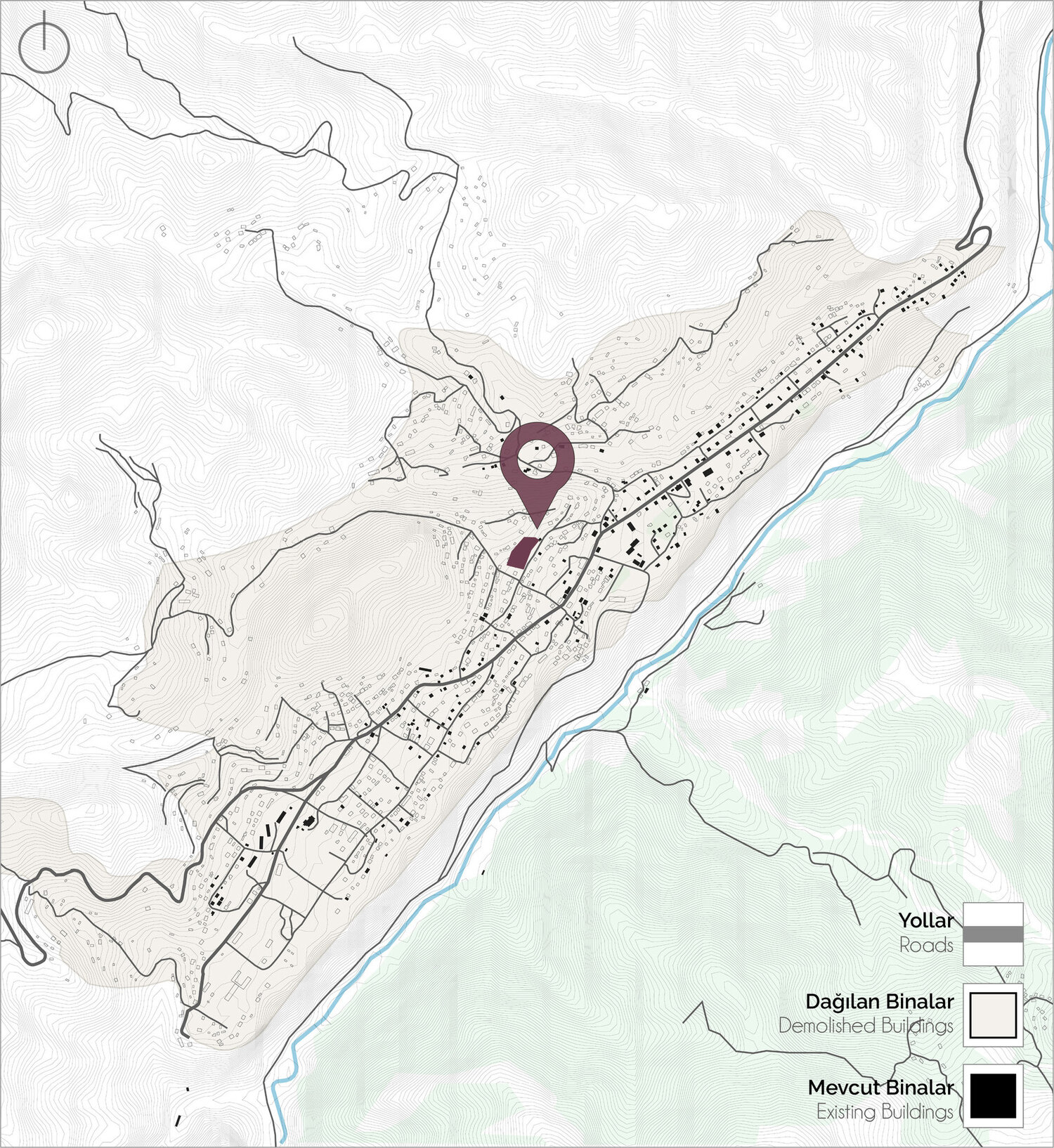
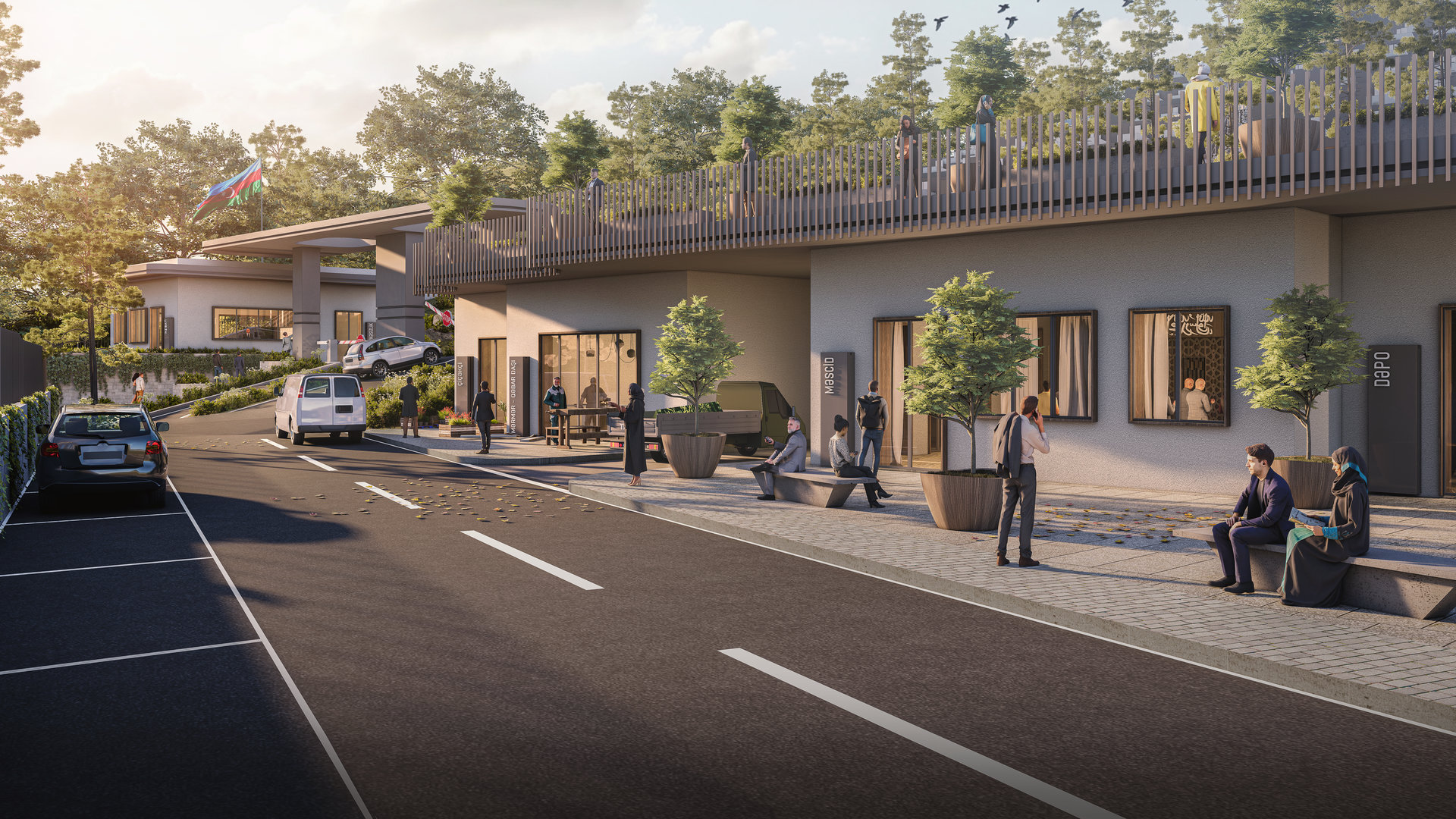
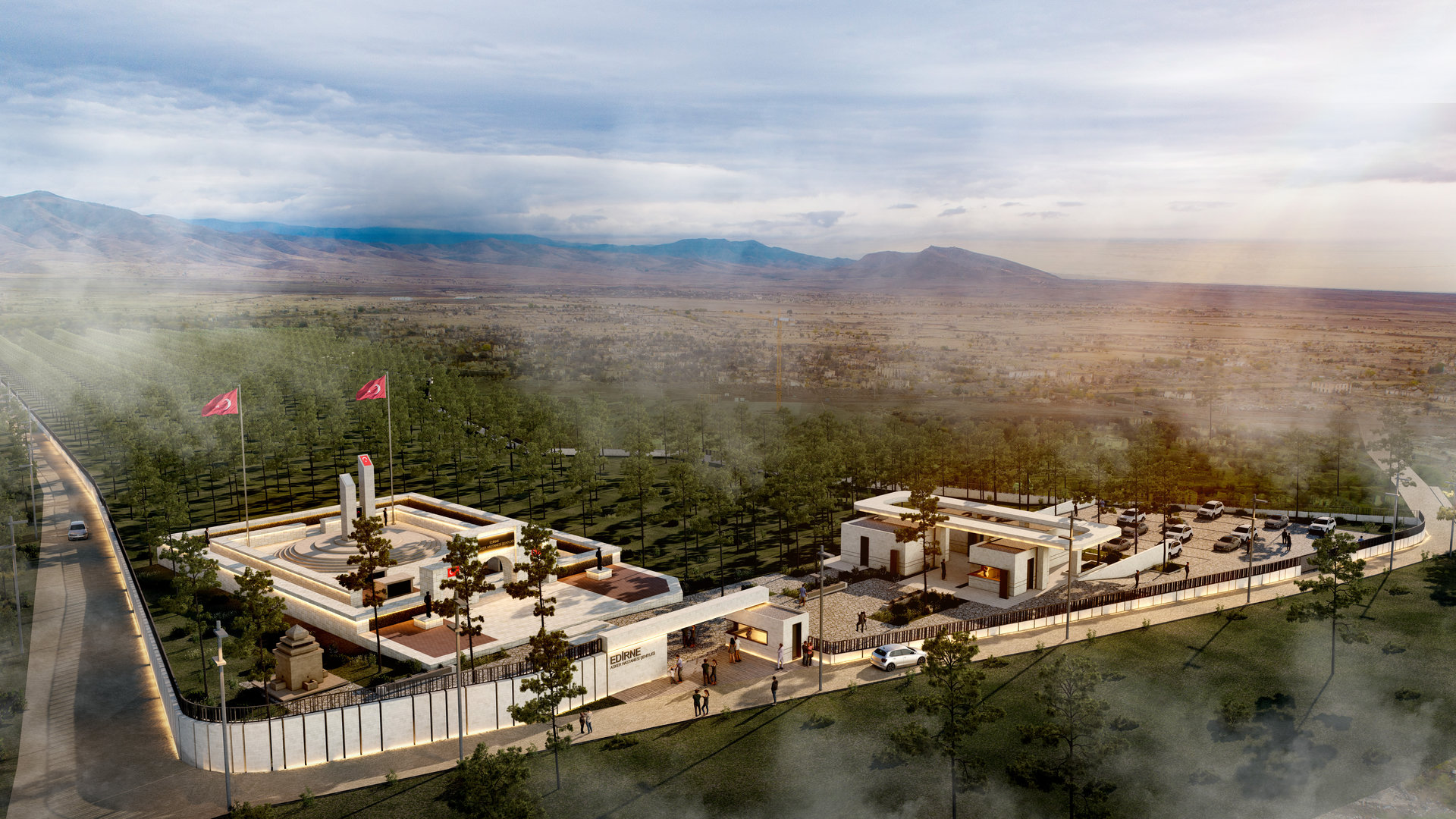
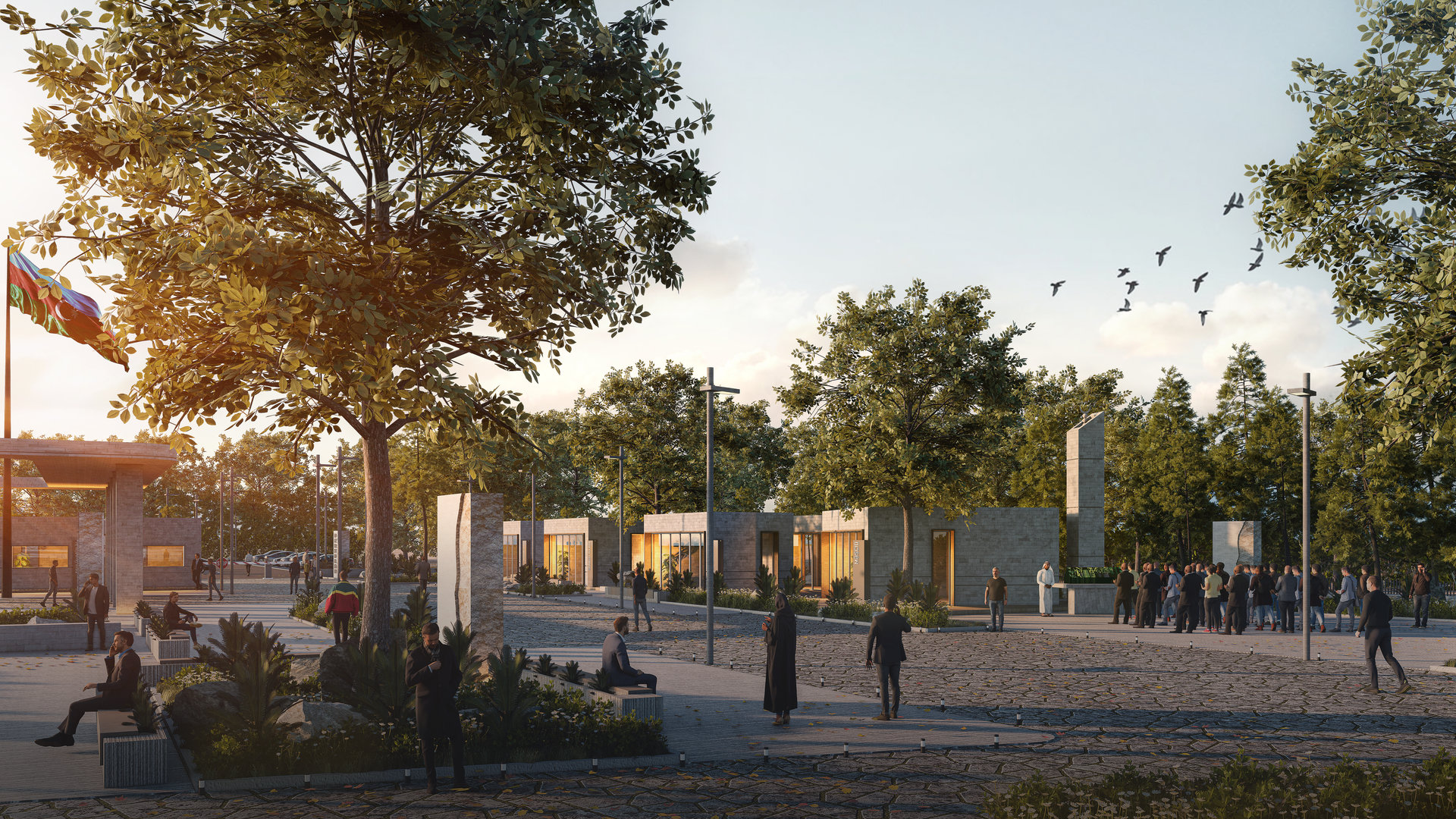
Located within the ecologically rich terrain of Kelbajar, the cemetery project draws its essence from the region’s natural features, historical roots, and cultural continuity. Nestled among rolling hills and modest water bodies, the site offers a serene environment shaped by the area’s strategic topography and unique vegetation patterns.
Geographical Identity and Natural Integration
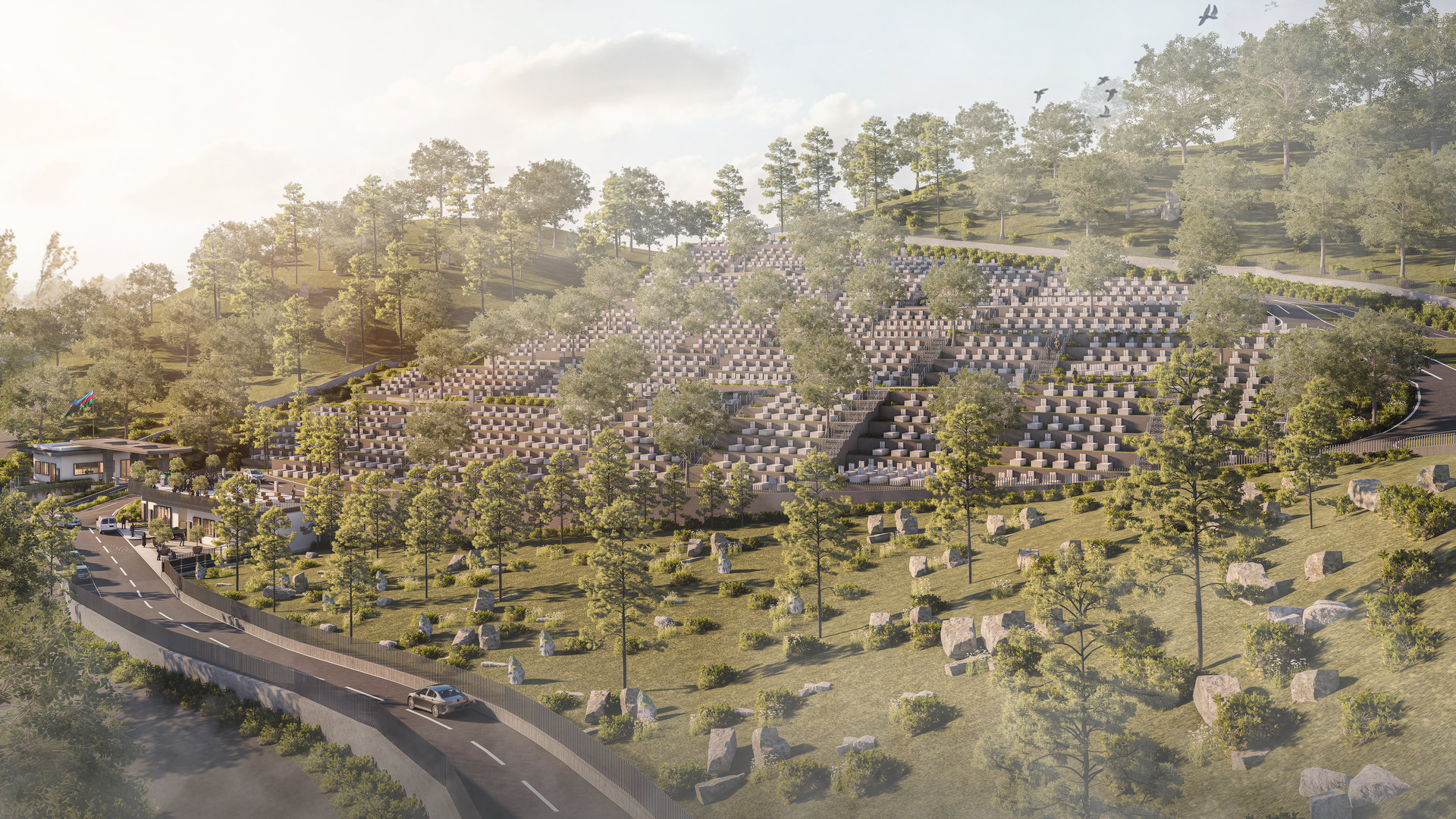
Set against a backdrop of continental climate and steppe vegetation, the cemetery is carefully integrated into its context without disrupting the natural terrain. The dry adapted flora allows the site to blend with the surrounding landscape, while seasonal creeks and gentle slopes contribute to an atmosphere of peace and remembrance. These environmental factors have guided the project’s design language toward modesty, permanence, and ecological respect.
Cultural and Historical Context
Kelbajar, granted administrative status in 1930, holds deep ethnographic and historical significance. The name “Kelbecer,” derived from Old Turkic, means “castle on the river” and references the nearby Terterchay River and ancient rock carved dwellings. The settlement’s geographical and etymological layers anchor the cemetery within a larger historical continuum, reinforcing its symbolic role as a site of memory and identity.
A Landscape of Continuity and Commemoration
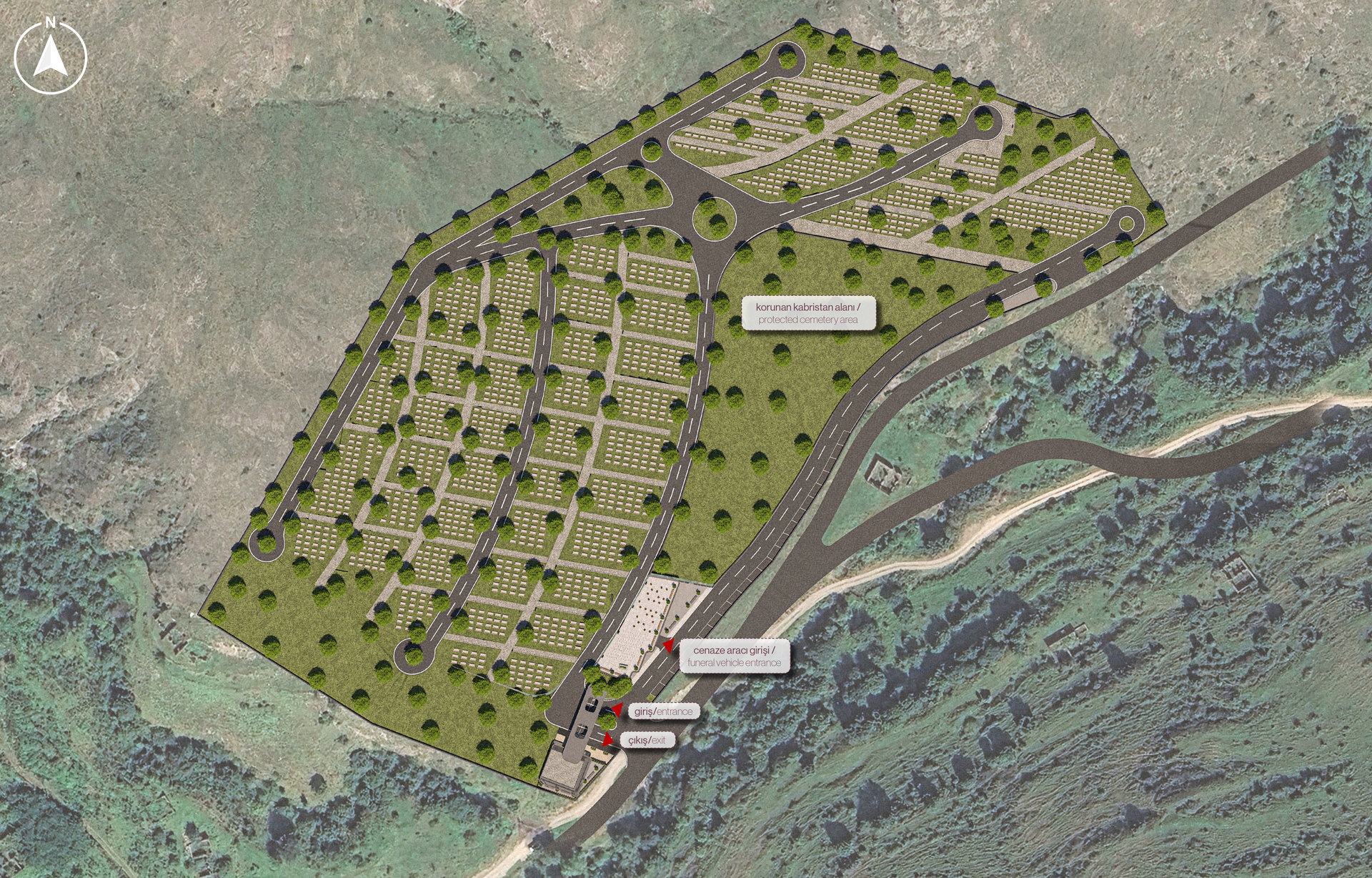
Rather than imposing a rigid architectural language, the cemetery embraces the topographic and cultural traces of its location. The layout emphasizes natural circulation, minimal interventions, and material selections that echo the region’s geological character. As a sacred terrain that honors those who have passed, Kelbajar Cemetery stands as a quiet yet powerful statement of resilience, rootedness, and reverence for place.
Gallery